
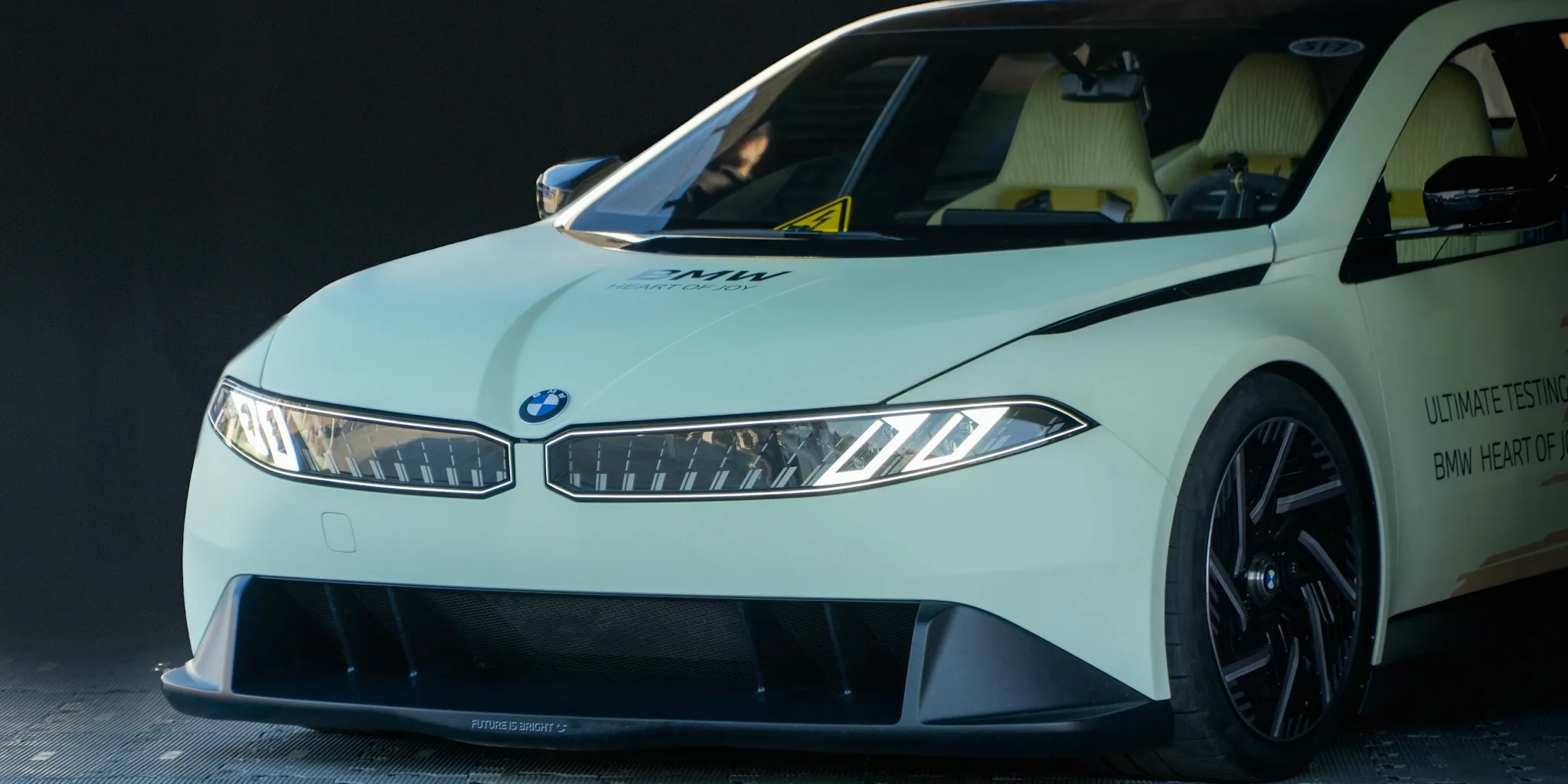

Polestar has unveiled its Formula 2030 concept car, a glimpse into how the electric vehicle maker plans to shape its upcoming lineup. While the concept itself will never roll off a production line, the Swedish automaker has confirmed that key design elements and interactive features will appear in real production vehicles. For shoppers considering Polestar’s next generation of cars, this concept reveals important clues about what to expect in performance-oriented electric vehicles arriving within the next few years.
What the Formula 2030 Concept Reveals
The Formula 2030 is a four-door vehicle that immediately signals Polestar’s design direction through its signature Dual Blade headlights and minimalist aesthetic. However, the concept pushes boundaries with aggressive proportions, featuring a low-slung stance and flared rear fenders that give it a distinctly performance-focused appearance. Several structural innovations stand out: the car uses coach doors without a traditional B-pillar, creating an open entry experience, while the windshield wraps around the cabin to maximize visibility. The glass roof and transparent trunk floor with a glimpse of race-inspired Öhlins dampers underneath add to the high-tech impression.
The color treatment deserves attention too. A new exterior finish called Nitrogen appears in three distinct finishes, glossy, matte, and satin, across the side cladding and aerodynamic elements. Even the 22-inch wheels and Brembo brake calipers receive color-matched treatment, demonstrating how Polestar approaches cohesive design in its concept vehicles.
Interior Technology and Customization Options
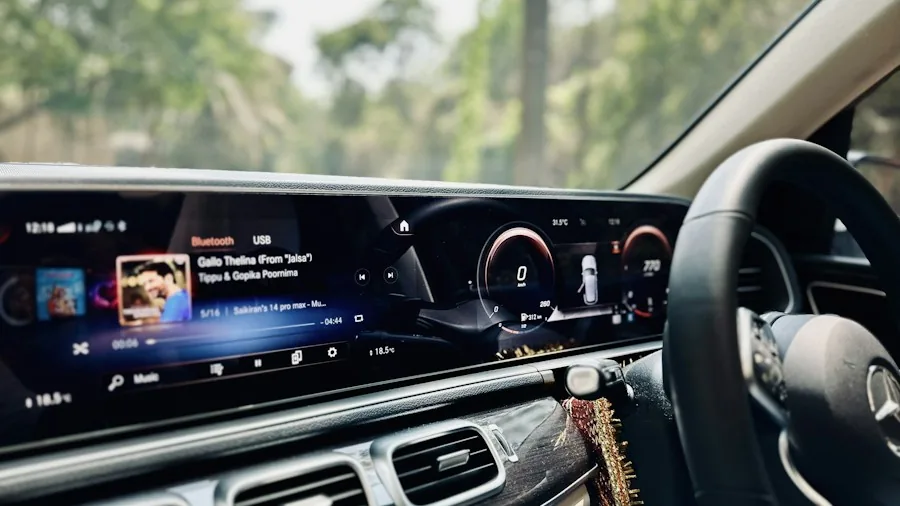
Inside, the Formula 2030 introduces features that genuinely matter for daily driving. The four-seat cabin prioritizes tactile interaction, with eight customizable physical controls positioned in the center console. Unlike many modern cars that rely entirely on touchscreens, this concept lets drivers choose what type of control they prefer for each function, whether that is a rocker switch, dial, or another tactile option. Two angled screens, one attached to the steering column and one in the center dashboard, face the driver for improved visibility.
The seats feature inflatable bolsters and cushions that adjust to fit individual occupants, adapting to different body types and driving preferences. This technology represents a tangible comfort upgrade that shoppers will notice immediately. The cabin uses recycled materials throughout, supporting Polestar’s sustainability commitment without sacrificing visual appeal or functionality.
The drive-mode selector adds intelligence to the package. Drivers can toggle between Performance, Normal, and Autonomous modes. In Performance mode, the center screen lowers flush with the console while the steering wheel and gauge screen move closer to the driver for a more engaging position. In Autonomous mode, a concealed lidar unit extends from the car’s exterior while the steering wheel and driver’s seat shift further away, creating a completely different cabin configuration. This flexibility acknowledges the role electric vehicles will play in the transportation landscape, from active driving to semi-autonomous operation.
What This Means for Upcoming Polestar Models
Polestar has explicitly stated that design language and specific features from the Formula 2030 will influence the next-generation Polestar 2, expected to arrive in early 2027, and the upcoming Polestar 7, scheduled for 2028. Shoppers interested in Polestar’s future offerings can anticipate enhanced interior customization, more refined control interfaces that balance digital and physical elements, and design cues borrowed from this concept vehicle.
The adjustable seating technology and configurable control options suggest that Polestar is listening to driver feedback about touchscreen fatigue and one-size-fits-all cabin layouts. When shopping for an electric car, prioritizing quality charging infrastructure and compatible chargers remains essential, but the quality of the driving experience within the vehicle itself will increasingly influence satisfaction with daily use.
Availability and Purchasing Implications
There is one significant consideration for potential US buyers: Polestar is now banned from selling new vehicles in the United States. This restriction eliminates the possibility of purchasing upcoming Polestar 2 and 7 models domestically. Those interested in experiencing Polestar’s next-generation vehicles will need to plan a European visit or consider relocating temporarily. This regulatory barrier represents a major shift in the US automotive market and limits options for American shoppers specifically seeking Polestar’s design philosophy and electric performance.
For those committed to optimizing their driving experience with practical accessories, understanding where vehicles are available remains critical. The US market will continue to offer numerous other electric options from established manufacturers, but Polestar’s unique approach to interior customization and performance-oriented styling will not be directly accessible to American buyers.
The Formula 2030 concept demonstrates where the electric vehicle segment is headed: toward greater personalization, thoughtful integration of physical and digital controls, and design that celebrates driving engagement. While the concept car itself remains a showcase piece, the technologies and design directions it represents will shape electric vehicles across the global market within the next three years. Shoppers should monitor announcements about European availability and consider whether the styling direction and feature set align with their priorities as the automotive landscape continues to evolve.





Write Your Review
No reviews yet. Be the first to share your experience!