


As more families embrace co-sleeping with their toddlers, a practical question emerges that few parents discuss openly: how do couples maintain an active intimate life when their young child shares their bedroom? Recent expert insights reveal that this challenge is far more common than most realize, and there are real solutions that work for modern families.
What Child Development Experts Say About Co-sleeping and Parental Privacy
Child development specialists emphasize that infants lack the cognitive capacity to understand what sexual activity is. According to behavioral experts, babies and very young toddlers simply won’t retain memories of or comprehend intimate moments between parents. However, this changes around age 1, when children become mobile, develop language skills, and grow more alert to their surroundings.
The challenge intensifies as toddlers become increasingly aware. Each child develops at their own pace, so rather than following a strict age cutoff, parents should watch for signs of growing alertness and awareness in their individual child. Understanding your toddler’s sleep patterns and behavior can help you determine when privacy boundaries become necessary.
Is Bedroom Privacy a Cultural Modern Standard?
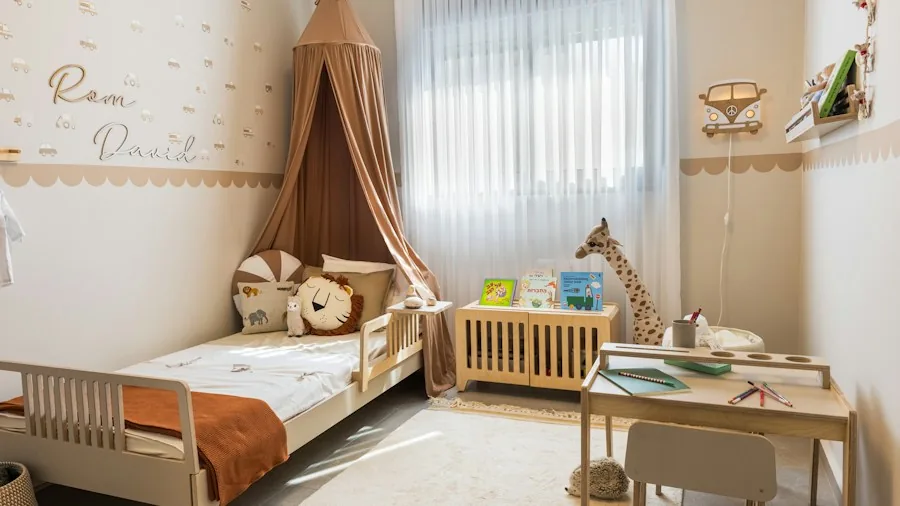
The expectation that children sleep in separate rooms is surprisingly recent in human history. Before electricity became commonplace, families typically slept in shared spaces organized around natural light cycles. The invention of the lightbulb changed everything: adults could now stay awake after children fell asleep, which led to the architectural and cultural shift toward separate children’s rooms, cribs, and eventually hallways connecting distinct bedrooms.
This separation remains a luxury. Many modern families, particularly those living in urban apartments or homes with limited space, still share bedrooms out of necessity. In many cultures worldwide, extended families and multiple children continue to share sleeping spaces. Sleep researchers studying family arrangements note that the modern Western ideal of isolated bedrooms is historically unusual rather than the norm.
Among co-sleeping families, the conversation about maintaining intimacy is surprisingly pragmatic. Many parents report using creative solutions like finding privacy in other rooms of the house, timing intimate moments when children are in deep sleep, or occasionally using alternative sleeping surfaces placed away from the child’s direct view. Floor-based solutions are reportedly more common among co-sleeping families than most parents realize.
What If Your Toddler Wakes Up During an Intimate Moment?
It’s a fear that keeps many co-sleeping parents anxious, but experts say accidental discovery is unlikely to cause lasting emotional harm. Child psychologists recommend that if a child does wake and discover parents being intimate, parents should respond calmly by stopping immediately, reassuring the child that everyone is safe, and answering simple questions without panic or shame. Young children often drift back to sleep without processing what they’ve witnessed.
The key is keeping the environment dark and positioning any alternative sleeping arrangements outside the child’s line of sight. Most co-sleeping parents report that their toddlers sleep deeply enough that disruptions are rare.
Practical Solutions for Co-sleeping Couples

Sex therapists working with families suggest several approaches: arranging babysitting support from trusted family or friends when possible, utilizing other rooms in the home when practical, or taking advantage of windows when young children are in particularly deep sleep. The critical factor is flexibility and creativity rather than waiting for a perfect scenario that may never arrive.
As children grow and become more mobile and verbal, parents typically need to transition away from solutions that rely on children remaining asleep and unaware. This often means investing in separate sleeping arrangements or other long-term adjustments to family sleeping structures. Creating a proper sleep space for your toddler is essential as they develop.
The Takeaway for Co-sleeping Families
Co-sleeping parents shouldn’t feel shame about addressing their intimate needs. The discomfort many modern families feel about parental sexuality in proximity to children is largely a cultural artifact rather than a biological necessity or moral imperative. Supporting parents through the early years includes recognizing their full humanity, which includes their partnerships and intimate relationships.
Families choosing to co-sleep can maintain healthy partnerships by being intentional about finding private moments, communicating openly with partners about needs and expectations, and recognizing that this phase is temporary. As children mature and move to their own sleeping spaces naturally, new rhythms emerge. Until then, practical solutions and honest conversations remain the foundation for couples navigating this common challenge.






Write Your Review
No reviews yet. Be the first to share your experience!