

When you’re shopping for plants and trees to add to your landscape, it’s easy to get drawn to those labeled as easy-care or drought-tolerant. And if that shrub or tree also happens to be stunning, you’ll likely be tempted to bring it home. However, before you make your purchase, it’s worth taking a step back to consider whether your new plant might actually be a maintenance nightmare. Some of the most ornamental trees can create far more work than you realize, making them poor choices for busy homeowners who don’t have unlimited time for cleanup.
Many messy trees promise visual appeal but deliver endless labor. They might drop spiky seed pods, scatter thousands of unwanted seedlings, or create slippery, rotting debris across your lawn. Garden stores rarely highlight these downsides, but understanding which trees are troublemakers can save you years of frustration. Here’s what buyers need to know about six beautiful but problematic species, plus cleaner alternatives that deliver similar ornamental value.
The Ginkgo Problem: Choose Male Varieties Only
Ginkgos are genuinely remarkable trees with a history spanning over 270 million years. These living fossils feature unique, fan-shaped leaves that turn brilliant gold each autumn. However, if you select a female ginkgo, you’re signing up for a month-long cleanup job. Female trees produce fleshy, cherry-sized fruits that smell like rotting flesh when crushed, filling your yard with an unbearable stench. Always choose male cultivars like Autumn Gold instead. This simple selection at purchase time eliminates the problem entirely.
Cottonwoods and Magnolias: The Constant Shedders
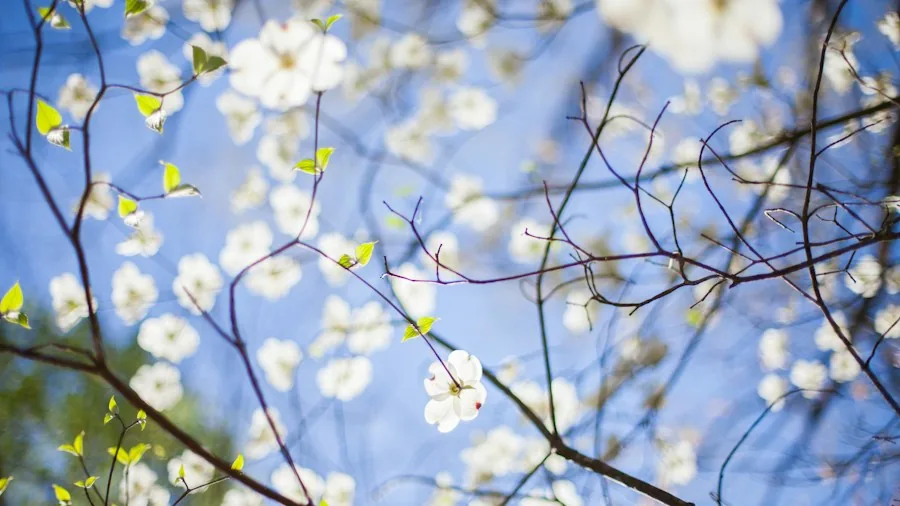
Eastern cottonwoods grow fast and impressively large, reaching 150 feet tall, but every female tree produces massive volumes of tiny seeds wrapped in sticky, cottony white fibers. These blanket lawns, clog gutters, and tangle around air conditioners. Similarly, Southern magnolias are the aristocrats of the landscape with fragrant white blooms and glossy evergreen leaves. Yet they shed constantly throughout the year: waxy leaves, large seed cones, and spent petals create a perpetual cleanup cycle. If you want a large shade tree, consider a Chinese pistache instead. For magnolia’s showy appeal, flowering dogwood offers graceful white flowers on a more manageable tree size.
Bradford Pears: Beauty Masking a Terrible Smell
Bradford pears attract admirers with their stunning clouds of white spring blossoms, symmetrical shape, and vibrant fall foliage. The problem? Those beautiful flowers smell awful. Descriptions range from rotting fish to sweaty foot fungus, and the odor persists as petals fall. If you want spring white flowers that actually smell pleasant, try a native wild cherry like Montmorency instead. You’ll enjoy the same spring blooms plus fruit that local birds love, making your purchase more rewarding for your entire ecosystem.
Sweetgums and Crabapples: Hazardous Debris
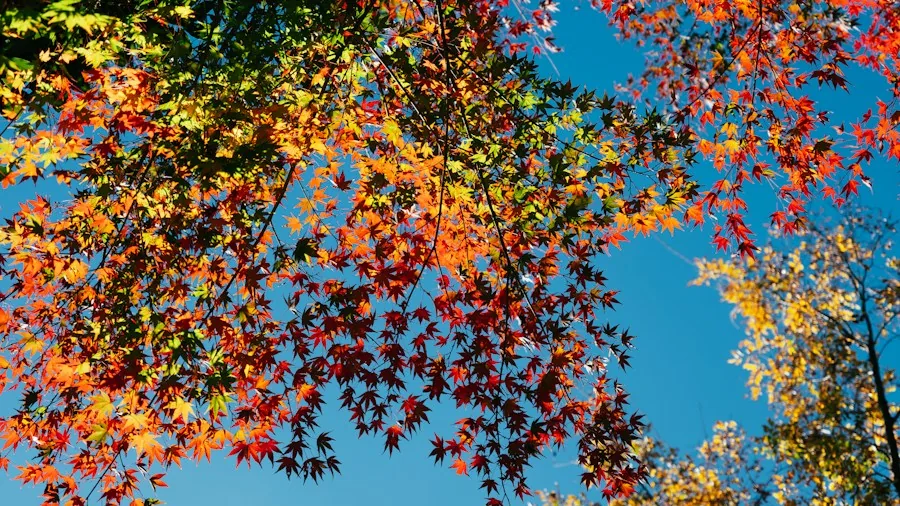
American sweetgums offer spectacular autumn color with starry leaves that turn orange, crimson, and purple. They tolerate heat, drought, and soil compaction beautifully. But here’s the catch: they drop thousands of hard, spiky gumballs from winter through spring. These hurt bare feet, cause stumbling, and can even damage lawnmower blades. For similar fall color and shade, choose a seedless red maple cultivar instead. Similarly, while crabapples offer spectacular spring flowers and attractive berries, messy varieties drop large, juicy fruits that create slippery, rotting ground hazards. Select fruitless varieties like Spring Snow or bird-friendly options like Prairifire, which rarely drop fruit because birds consume it immediately.
Before you buy, understanding proper plant care practices can help maximize the life of your landscaping investment. The key is making informed decisions at the nursery rather than discovering problems years later.
Making Your Decision: What Matters Most
If you have plenty of time and energy for cleanup, there’s no harm planting a messy tree in your yard. Just ensure you’re willing to commit to regular maintenance when things get mucky. However, if you’re like most homeowners juggling busy schedules, choosing clean alternatives from the start makes far more sense. You’ll enjoy comparable beauty without the relentless work. Planning seasonal care for your landscape helps you select trees that fit your actual lifestyle, not your ideal vision of endless free time.
The next time you visit your local garden center, skip past those tempting messy trees. Instead, reach for their beautiful, low-maintenance alternatives. Your yard, your schedule, and your sense of smell will thank you. Happy planting.



Write Your Review
No reviews yet. Be the first to share your experience!