
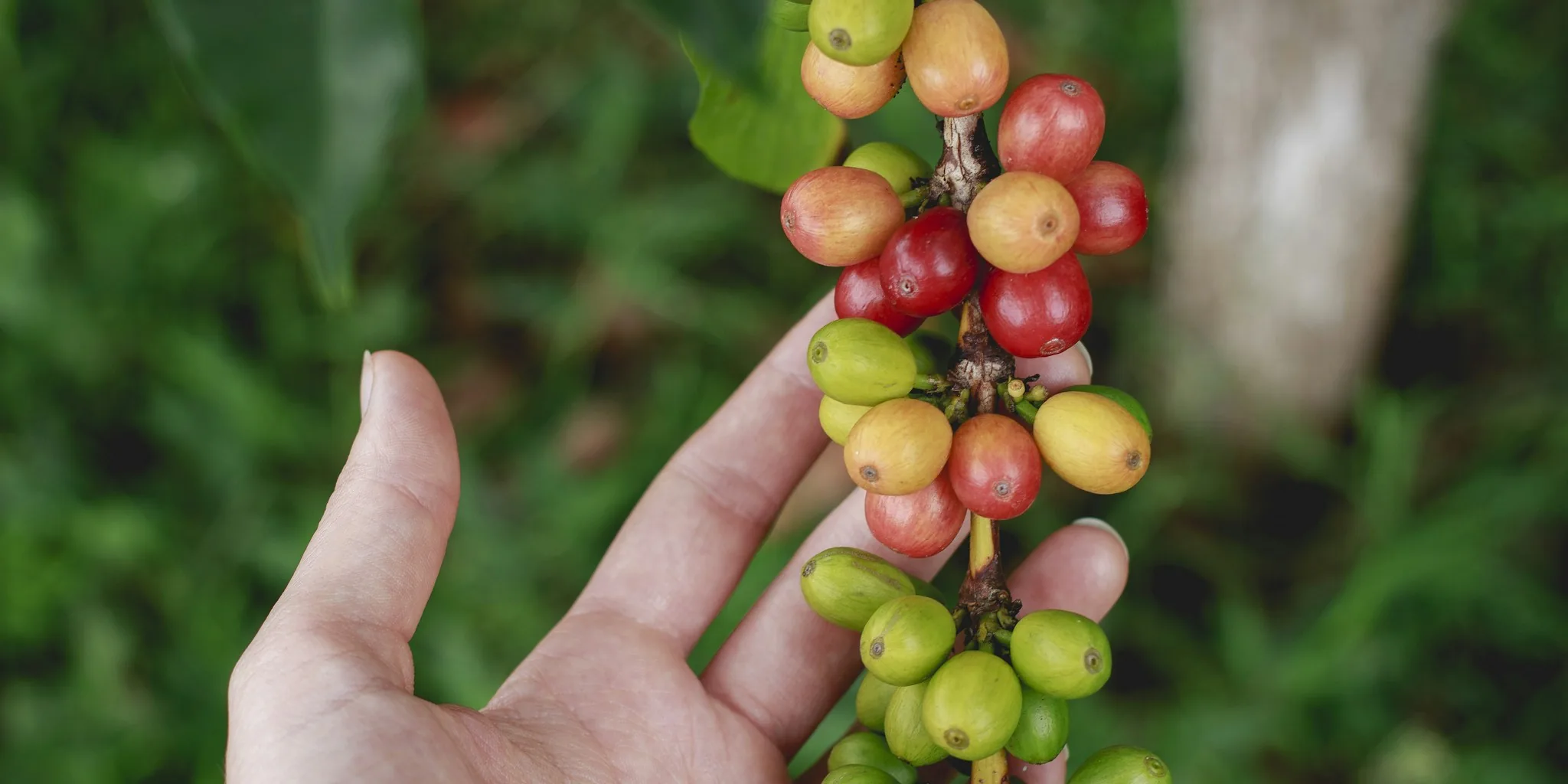

Brazil has just completed its largest coffee harvest on record, with output reaching 72.5 million bags at 60 kilograms each. While this represents a significant 15.1% jump from the previous year, the surge comes with an important caveat for consumers: quality issues and ongoing supply concerns that could shape what you pay for your morning cup.
What Drove the Record Harvest
The massive increase stems largely from arabica production, which climbed nearly 30% year over year to 49.2 million bags. Favorable growing conditions, expanded cultivation areas, and arabica’s natural biennial yield cycle all contributed to the bumper crop. Meanwhile, robusta production declined 6.8% to 23.3 million bags due to lower yields in key Brazilian regions, slightly tempering the overall gains.
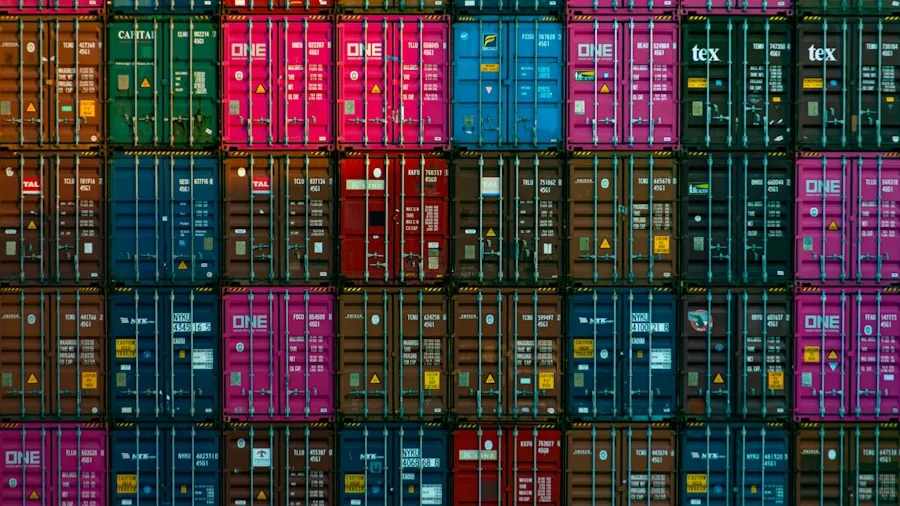
Brazil continues to dominate global coffee supplies, with exports projected to reach 49.07 million bags in the current market year. The country remains the world’s largest coffee producer by a significant margin, and its harvest numbers directly influence what consumers see on store shelves and in their pricing.
Quality Challenges Offset Volume Gains
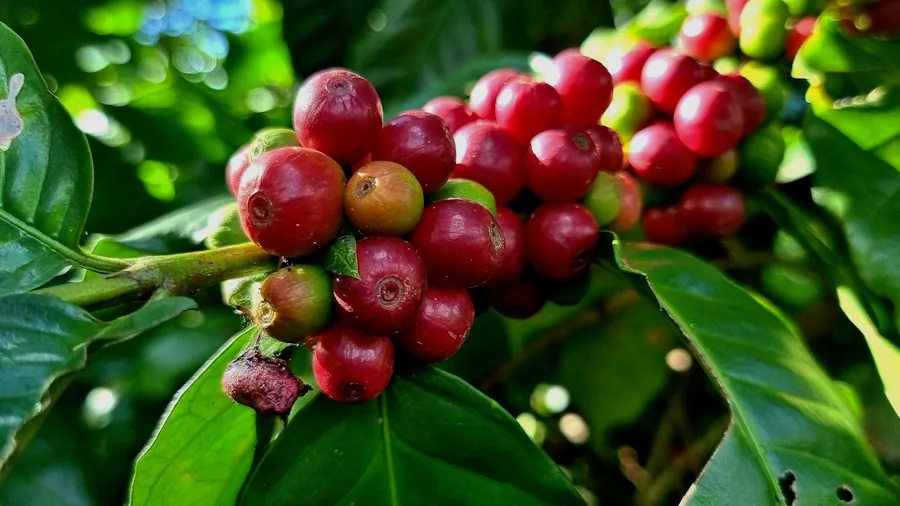
Heavy rains late in the growing season created problems that volume alone cannot solve. Excessive moisture delayed harvesting and drying operations across major arabica regions including Minas Gerais, causing coffee cherries to drop prematurely and reducing bean quality. For shoppers, this means that while there is more coffee available, some of it may be lower grade than ideal.
These quality setbacks arrive amid a broader challenge: Brazil’s total ending coffee stocks are now projected at just 3.42 million bags, down nearly 23% from earlier forecasts. Despite the record harvest, supplies remain surprisingly tight, with producers expected to release beans gradually based on market prices rather than flooding the market all at once.
What This Means for Your Coffee Budget
Perhaps the brightest news for consumers is on price. Brazilian arabica and robusta both averaged roughly 29% below year-earlier levels in September. After years of elevated commodity costs, shoppers are finally seeing some relief at checkout. However, high interest rates and elevated fertilizer and freight costs continue to pressure producers, which could limit how much of that savings gets passed along.
Export activity tells the story of a market in transition. In October alone, Brazil shipped 5.33 million bags, the highest monthly volume since records began in 1990. The United States remains Brazil’s single largest export market despite tariff disruptions in 2025. Beyond the U.S., Brazilian coffee is also flowing heavily to other coffee-producing nations, with exports to Colombia up 83.4% and shipments to Mexico up 47.9% year to date.
If you brew at home, now is a reasonable time to stock up on quality decaf options or explore premium creamers to elevate your morning routine. Prices are likely at a favorable point in their cycle.
El Niño Risk Could Tighten Supplies Again
Looking ahead, there is reason for caution. Early rainfall has supported flowering for the 2027/28 crop, which will be a lower-yield year in arabica’s biennial pattern. However, weather forecasts signal significant risk. NOAA’s outlook indicates a greater than 79% probability of strong to very strong El Niño conditions from January through March 2027. Such heat and irregular rainfall could damage fruit development, reduce bean quality, and compromise the next harvest.
Growers are keenly aware of these threats. Water stress combined with high temperatures during the critical fruit-setting phase could accelerate maturation, reduce yields, and once again degrade quality. If El Niño materializes as forecast, shoppers may face tighter supplies and higher prices by late 2027 or 2028.
Broader Industry Changes on the Horizon
Brazil is also considering an overhaul of its official coffee classification system. The proposed changes would introduce specialty coffee categories and replace traditional defect counting with a weight-based measurement system for flawed beans. While not yet adopted, such reforms could eventually help consumers better distinguish between premium and standard grades when shopping.
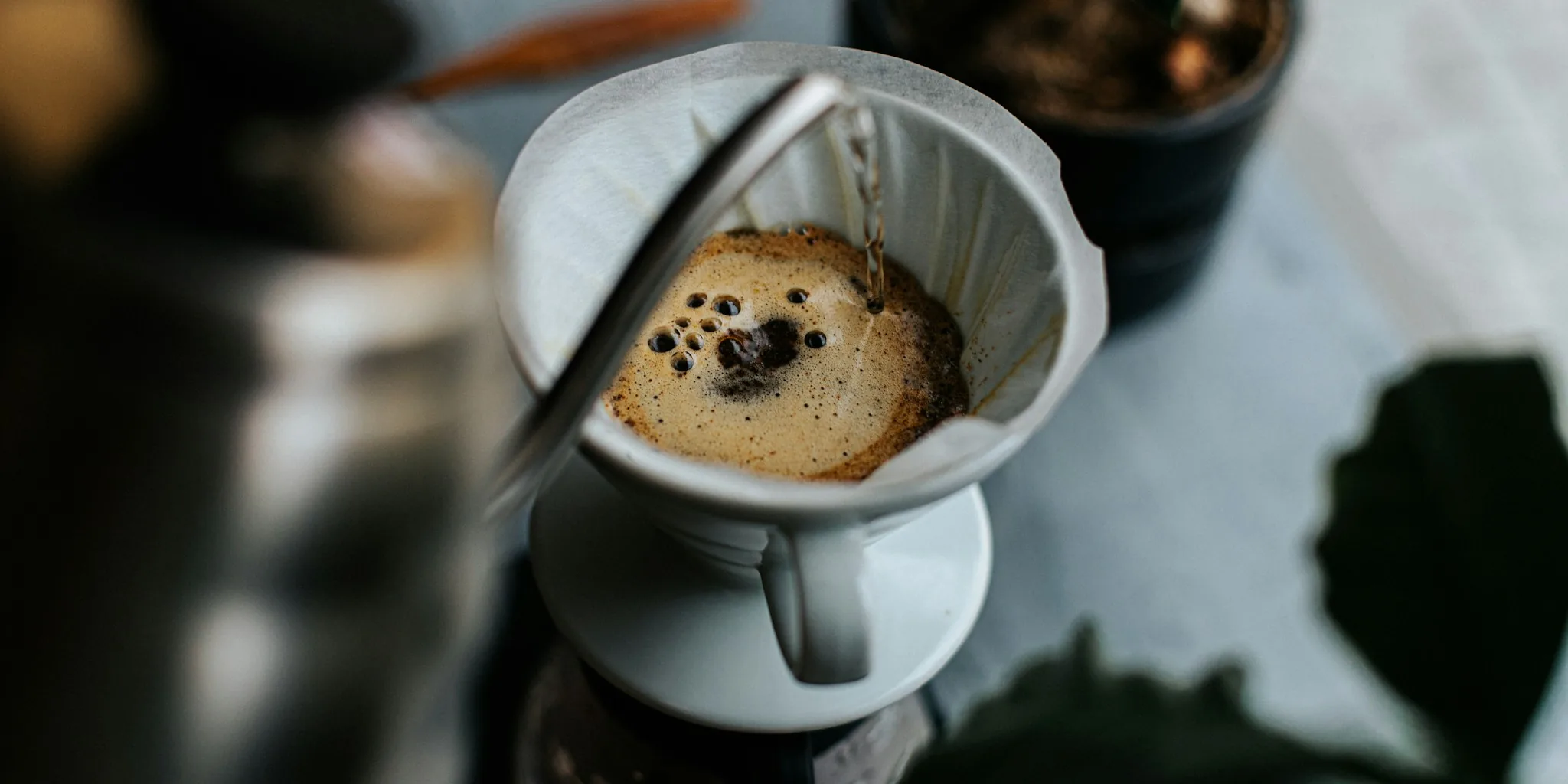
For those seeking to upgrade their brewing experience, investing in quality equipment like pour-over makers can maximize the flavor potential of beans at any price point.
The Bottom Line
Brazil’s record harvest delivers both good and concerning signals. Supply is robust, prices are falling, and exports are flowing to markets worldwide. Yet quality concerns from late-season rains, tight ending stocks, and looming El Niño risk suggest this pricing window may not last indefinitely. Savvy shoppers should take advantage of current prices while keeping an eye on weather patterns and production forecasts for the year ahead.


Write Your Review
No reviews yet. Be the first to share your experience!