


As winter approaches, many homeowners look to seasonal wreaths to add festive charm to porches, doors, and patios. While retail options range from plastic decorations to pricier natural alternatives, there’s a smarter approach that combines holiday beauty with genuine environmental benefit: crafting your own bird feeder wreath from garden materials.
Why Make Your Own Winter Wreath
Purchasing pre-made wreaths can quickly become expensive, especially if you want quality pieces made from natural materials. However, your own backyard likely contains almost everything needed to create an attractive wreath that serves dual purposes. Beyond aesthetics, a homemade winter wreath becomes a valuable food source for birds during the coldest months when natural resources are scarce. Supporting local wildlife while decorating your home represents an economical and environmentally conscious choice.
Gathering Your Materials
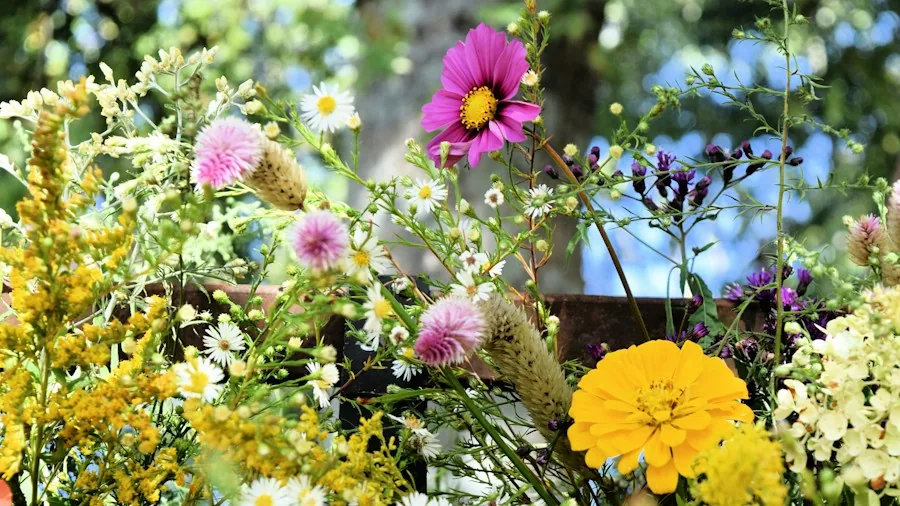
Start by collecting materials from your garden and surrounding area. Focus on items that are both visually appealing and beneficial for birds. The foundation requires flexible stems from willow, dogwood, birch, or similar trees and shrubs. These stems will form the circular base of your wreath.
For the decorative and nutritious components, gather the following from areas that haven’t been treated with pesticides:
- Seed heads from fully mature perennials like coneflowers, black-eyed Susan, goldenrod, and sunflowers
- Rose hips, the small colorful fruits that add festive color and provide edible treats for birds
- Bright berries from winterberry or native holly species with ripe fruit clusters
- Evergreen clippings from white pines, arborvitae, cedars, and other conifers
- Pinecones, which contain seeds hidden between scales that birds enjoy
If you lack certain materials in your yard, ask neighbors about collecting from their gardens or search for wild roses in natural areas nearby.
Building the Wreath Base
The foundation requires the flexible stems you’ve gathered, along with twine or florist wire and sharp pruning shears. If gathering natural materials feels overwhelming, craft stores and garden centers sell pre-made willow or grapevine bases that work perfectly as starting points.
To create your base from scratch, begin with a single flexible stem bent into a circle approximately 12 to 16 inches in diameter. Overlap the ends slightly and secure them with twine or wire. Then weave additional stems into this circle, securing and trimming as you progress, until the structure feels sturdy enough to support heavier decorative elements. Perfect symmetry isn’t necessary; added materials will cover any gaps or imperfections.
Assembling the Decorative Elements
Once your base is complete, the creative assembly begins. Start by tucking evergreen sprigs into the twig foundation, working around the circle and allowing each piece to overlap until you’ve concealed the bare stems. Using quality pruning shears or scissors helps ensure clean cuts throughout this process.
Next, add your bird-friendly elements. Secure seedhead stems and rosehip clusters using wire, and attach pinecones by wrapping wire between the scales. This is where your personal aesthetic comes into play. Some people prefer a wreath loaded primarily with rose hips, while others mix multiple elements to showcase the evergreens beneath. Regardless of your design choice, avoid any synthetic decorations like glitter or plastic berries, which could harm visiting birds.
Strategic Placement and Maintenance
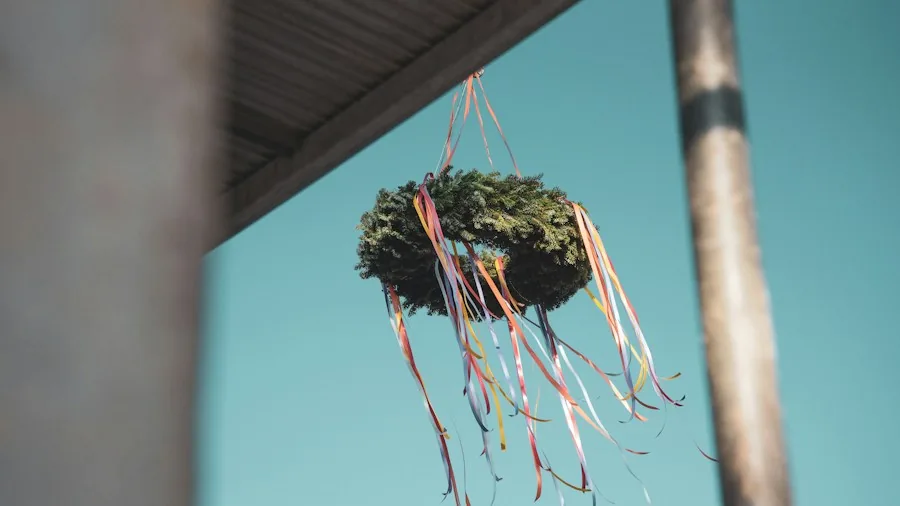
Hang your finished wreath in a sheltered location where birds can safely access the food without exposure to harsh winds or predators. The area should be visible enough for birds to find it, yet positioned near shelter so they can quickly retreat if threatened. Importantly, avoid placing the wreath directly against windows to prevent deadly bird collisions.
Once installed, your wreath requires minimal upkeep. Wearing quality gardening gloves makes routine maintenance more comfortable and hygienic. Check the wreath regularly, removing spent seedheads, consumed berries, and any visible mold to protect bird health. As materials deteriorate or get eaten, replenish them with fresh additions. Keep the ground beneath the wreath clean by removing fallen shells, seeds, and debris.
Extending the Wreath’s Lifespan
What begins as holiday decoration can provide visual interest and nutrition throughout winter with proper care. Many gardeners find that monitoring their wreath becomes an enjoyable winter ritual, allowing them to observe which bird species visit and how they interact with the food sources. Even gardeners with limited outdoor space can create these functional decorations on small patios or balconies.
By investing a little time in gathering natural materials and assembling them thoughtfully, you create something far more valuable than a store-bought wreath. You’ll have a unique decoration that supports local wildlife while adding charm to your home throughout the winter season. The process itself offers a rewarding hands-on experience that connects you more deeply with your garden and its ecosystem.



Write Your Review
No reviews yet. Be the first to share your experience!