


The Sculpt Workout Craze: Marketing or Muscle-Building Reality?
Walk into nearly any gym today and you’ll see it on the class schedule: Pilates sculpt, yoga sculpt, strength sculpt. The term has become inescapable in fitness culture, yet many people remain unclear about what “sculpt” actually means. Is it a legitimate fitness technique, or simply trendy marketing language designed to sell classes and equipment?
The answer, according to fitness experts, is largely the latter. “Sculpt” has become an umbrella term for workouts that vary dramatically in intensity, methodology, and actual results. Understanding what you’re really signing up for and whether it aligns with your fitness goals is essential before you invest time and money into these classes.
Where Did “Sculpt” Come From?
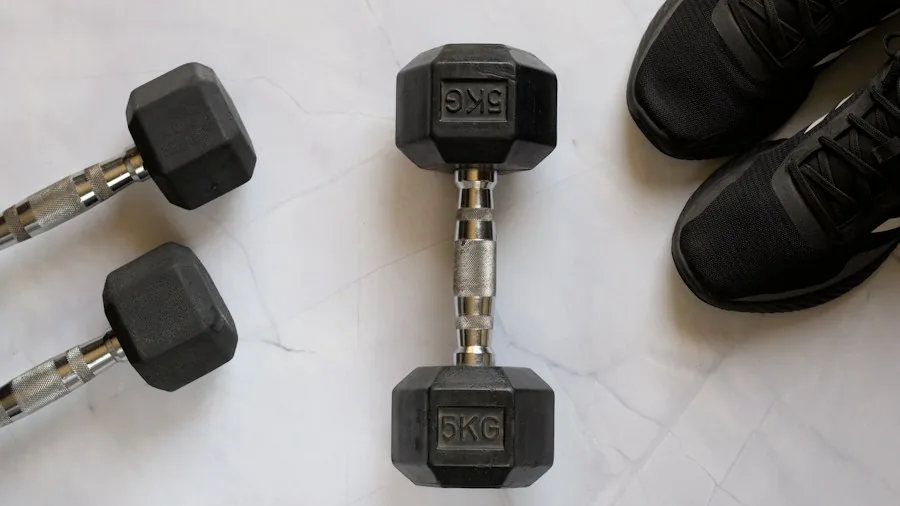
The term emerged in fitness publications during the late 1970s, rooted in bodybuilding culture. Some historians speculate it was inspired by early bodybuilders who referenced classical Greek and Roman sculptures as examples of the ideal physique. However, the term didn’t become mainstream until the 1980s fitness boom, when aerobics instructors and workout video creators began using it to describe routines designed to shape and define specific muscle groups.
The appeal was psychological as much as physical. The language of “sculpting” your body tapped into the idea that you, as an individual artist, had the power to reshape your own physique. This resonated strongly, particularly with women who wanted to build strength without fear of becoming “bulky,” a concern that persisted through the 1990s and beyond.
What Actually Happens in a Sculpt Class?
Here’s where confusion sets in. There is no standardized definition of a sculpt workout. Ask ten people what they did in their last sculpt class and you may receive ten different answers. Some classes emphasize mat work and bodyweight exercises, while others incorporate light dumbbells and choreographed movements. Many feature high repetition ranges, pushing the same muscle group repeatedly over several minutes without progressing to heavier loads.
Most sculpt classes share certain characteristics: lighter weights, higher repetitions, dance-like choreography, and significant mat work. The workout often creates a noticeable burning sensation in the muscles, which many people interpret as effective toning. However, that muscle fatigue doesn’t automatically translate to muscle growth.
To build significant muscle mass, you need progressive overload, meaning you gradually increase the weight or difficulty over time. Many sculpt classes, by design, don’t emphasize this principle. If you can perform more than about thirty repetitions comfortably, fitness professionals agree the load is likely too light to trigger meaningful muscle-building.
Is Sculpt Marketing Misleading?
The term “sculpt” can be misleading because it implies you’re physically reshaping your muscles in a way that defies basic biology. The truth is simpler: you can build or lose muscle, and you can gain or lose fat through nutrition. However, your genetics largely determine your muscle shape regardless of which workout you choose.
When a class promises “long, lean muscle tone,” it’s often coded language suggesting you’ll get stronger without looking muscular, a fear-based marketing approach that hasn’t fundamentally changed since the 1980s. The language may differ from older terminology like “bikini body,” but the underlying message remains similar.
Experts worry this vague terminology reinforces unrealistic expectations about what exercise can achieve. As trainers emphasize, your muscles don’t care what a class is called. They respond to the actual resistance, effort, and progression you apply, not the marketing behind the workout.
When Are Sculpt Workouts Worth Your Time?
This doesn’t mean sculpt classes are worthless. If your goal is simply to move your body, enjoy a community fitness experience, and improve muscular endurance, many sculpt classes deliver exactly that. Rest days matter more than you think, and incorporating enjoyable, lower-intensity movement on off days from strength training is genuinely beneficial.
However, if your primary goal is building muscle or significantly changing your body composition, a sculpt class alone won’t get you there. For serious muscle-building results, you need progressive resistance training where the weight or difficulty increases over time, pushing your muscles closer to their maximum capacity.
That said, the best workout is ultimately the one you’ll actually do consistently. Proper footwear for your activity matters, but equally important is finding movement that feels good to you and fits into your lifestyle. Many people combine sculpt classes with more intense strength training or use them as cardio-style workouts on lighter days.
Smart Shopping for Your Fitness Routine

Before enrolling in a sculpt class, ask yourself three questions: Why am I choosing this? Do I enjoy it, or do I believe the marketing promise of a particular body result? Does the class environment feel welcoming and positive, or does it push unhealthy messaging around body image?
Red flags include aggressive marketing around avoiding “bulky” muscles or framing muscle-building as something to fear. Quality classes feature encouraging instructors who celebrate all body types and focus on how the movement makes you feel rather than what you’ll look like.
Remember, finding equipment and clothing that supports your workouts, like properly fitting workout shorts, matters, but your actual clothing choice shouldn’t depend on a particular class name or fitness trend.
The Bottom Line
The word “sculpt” has become so ubiquitous that it’s lost clear meaning. Rather than getting hung up on terminology, focus on understanding what a specific class actually involves and whether it matches your real fitness goals. No special exercise technique creates “long, lean” muscles instead of muscular-looking ones. Your genetics, training intensity, and nutrition determine your results, not the name on the class schedule.
Appreciate workouts for what they are, understand what they’re not, and choose based on your honest goals and genuine enjoyment. That’s the true artistry of building a sustainable fitness routine.






Write Your Review
No reviews yet. Be the first to share your experience!