
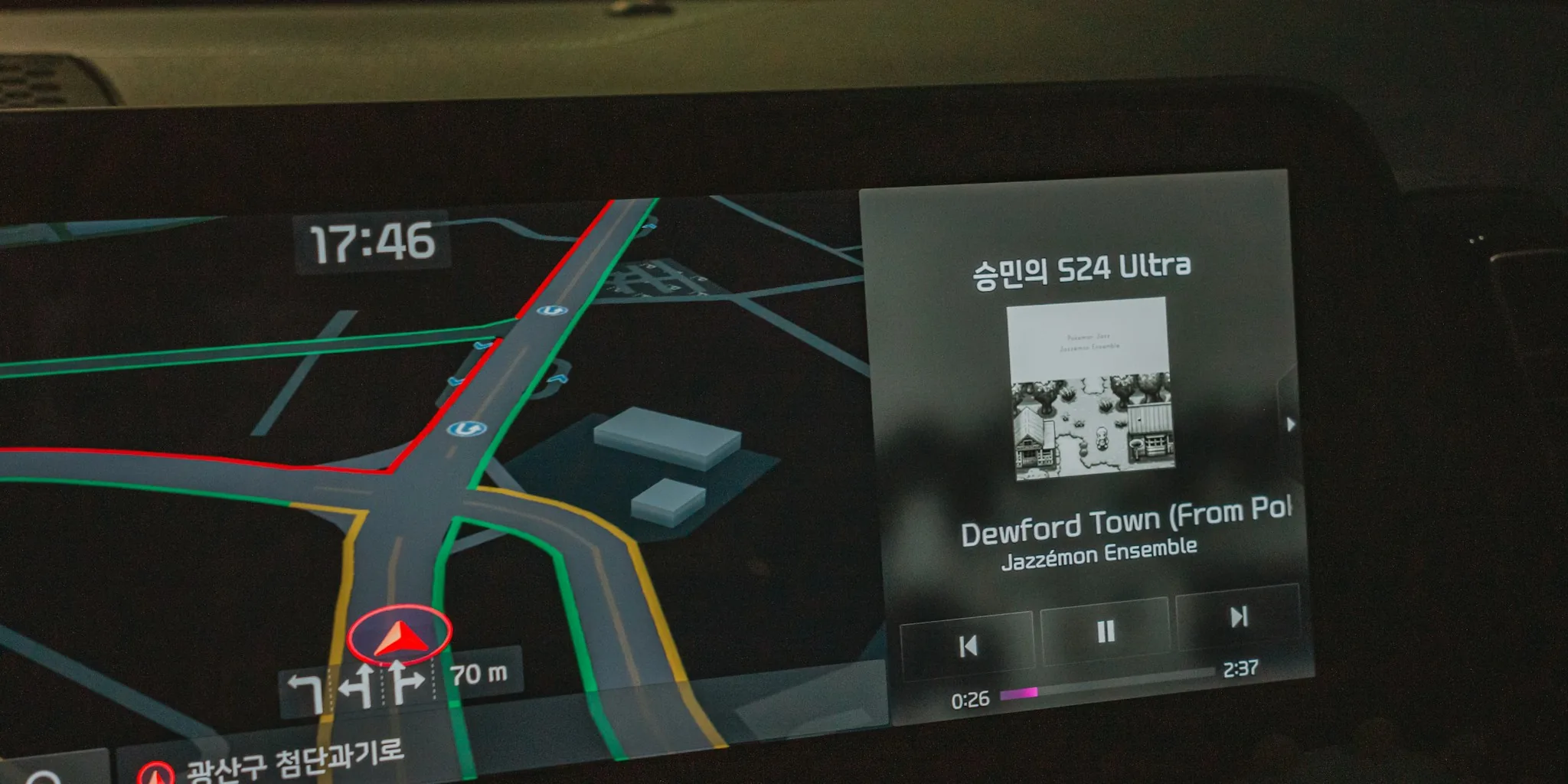

Tesla has rolled out the 15th version of its Full Self-Driving (Supervised) system, introducing a visual technology called Reality View that transforms how drivers interact with autonomous driving assistance. The update brings significantly enhanced graphics to Tesla’s central display, rendering a video game-like representation of the vehicle’s surroundings in real time.
What Reality View Shows Drivers
The new system uses the vehicle’s camera array to capture the environment around the Tesla, then reconstructs that scene on the touchscreen with photorealistic detail. This visualization displays key information: directional arrows indicating the vehicle’s planned turns, the parking spot selected during auto-park activation, and obstacles ahead. For drivers accustomed to minimalist interfaces, the upgrade represents a substantial leap in visual feedback and transparency about the car’s decision-making process.
Beyond aesthetics, Tesla has upgraded the underlying driver-assistance capabilities in this iteration. The system now detects and reacts more effectively to road hazards including potholes, small animals, and debris scattered across pavement. The company has also continued integrating fleet learning, meaning data collected from other Tesla vehicles traveling the same routes feeds into the system’s performance on your specific commute.
Performance Claims and Early User Feedback
Tesla states that version 15 delivers 25 times safer critical interventions compared to prior iterations. However, the company has not publicly released supporting data such as miles driven or accident statistics to verify this claim independently. The assertion remains a Tesla statement rather than independently validated information.
Since the rollout began, driver experiences have shown mixed results. Some users report that the new version exhibits overly cautious behavior in certain scenarios, responding to routine roadside situations as if they posed genuine threats. For example, early reports describe the system reacting to road repair sites with the same urgency it reserves for potholes, or aggressively swerving around minor road debris. Industry observers note that early versions of major driver-assistance updates typically require refinement as they roll out more broadly to the user base, suggesting performance may stabilize over coming weeks.
Real-world testing demonstrates the system works reliably under normal conditions until it encounters an edge case requiring driver intervention. When the driver fails to maintain attention and stares at the new graphics instead of monitoring the road, the system is designed to automatically disengage, theoretically prompting the driver to regain control. This safety mechanism underscores Tesla’s official stance: drivers remain responsible for road monitoring at all times, and the technology functions as an assistance tool rather than a fully autonomous system.
What This Means for Shoppers
For prospective Tesla buyers, this update signals the company’s continued investment in improving driver-assistance technology. If you’re considering a Tesla purchase, understand that Full Self-Driving capability requires active driver participation and attention. The enhanced graphics provide better visibility into the system’s reasoning, which some drivers will find reassuring while others may find the display distracting.
The upgrade also reflects broader industry trends toward more sophisticated driver aids. GM’s development of driverless military vehicles demonstrates that autonomous technology extends beyond consumer vehicles, though consumer-grade systems like Tesla’s remain fundamentally different from fully autonomous platforms.
When evaluating a Tesla or any vehicle with advanced driver assistance, consider how you interact with such systems. The visual feedback Reality View provides could enhance your confidence in the technology, but it also demands discipline: resist the temptation to monitor the screen instead of the road. Many enthusiasts appreciate the transparency this new interface offers into the vehicle’s perception and decision-making.
The reality-view approach represents Tesla’s bet that drivers want to understand what their cars are doing. Whether you find the video game-like interface helpful or distracting will depend on your personal preferences and driving habits. As these systems continue evolving, shoppers should weigh both the technological improvements and the ongoing responsibility required from behind the wheel.

Write Your Review
No reviews yet. Be the first to share your experience!