

When Toyota unveiled the 1979 Corona LE Liftback, the Japanese automaker was placing a significant bet. The company had stretched the chassis to maximize interior room using traditional American sedan logic, but the automotive world was rapidly shifting toward front-wheel-drive efficiency. For shoppers considering family cars in today’s market, understanding how Toyota approached this design crossroads offers valuable perspective on what works and what doesn’t in vehicle engineering.
Design Philosophy and Styling Choices
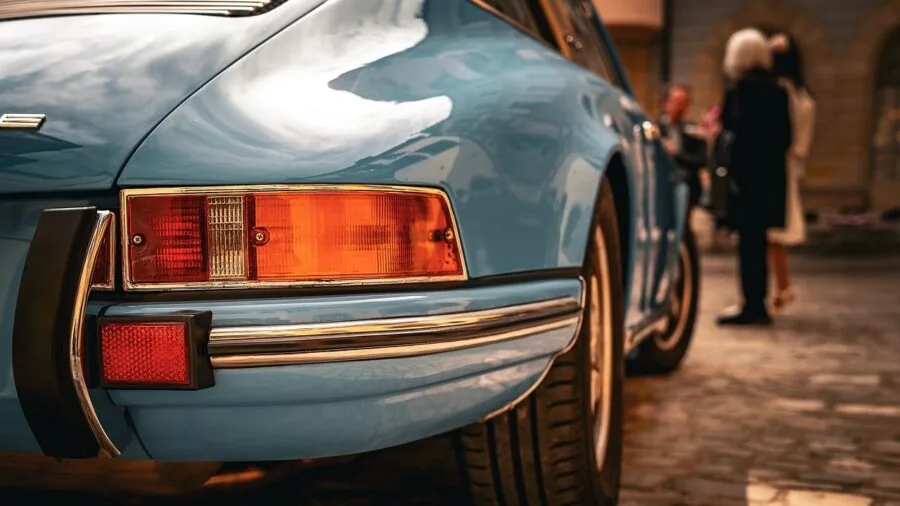
The Corona represented Toyota’s interpretation of American luxury tastes, scaled down for value-conscious buyers. The five-door liftback body featured clean European-influenced lines that replaced the overcomplicated styling of earlier Japanese sedans. A 99.4-inch wheelbase and 175-inch overall length gave it respectable proportions, and the greenhouse design offered excellent visibility. The quad rectangular headlights and simple grille area conveyed restraint rather than excess.
Build quality was evident in the panel gaps and door fit, though the paint finish showed concerning orange-peel texture that suggested rushed manufacturing processes. For buyers evaluating used vehicles today, such details matter far more than fashion-forward styling.
Interior Comfort: More Show Than Substance
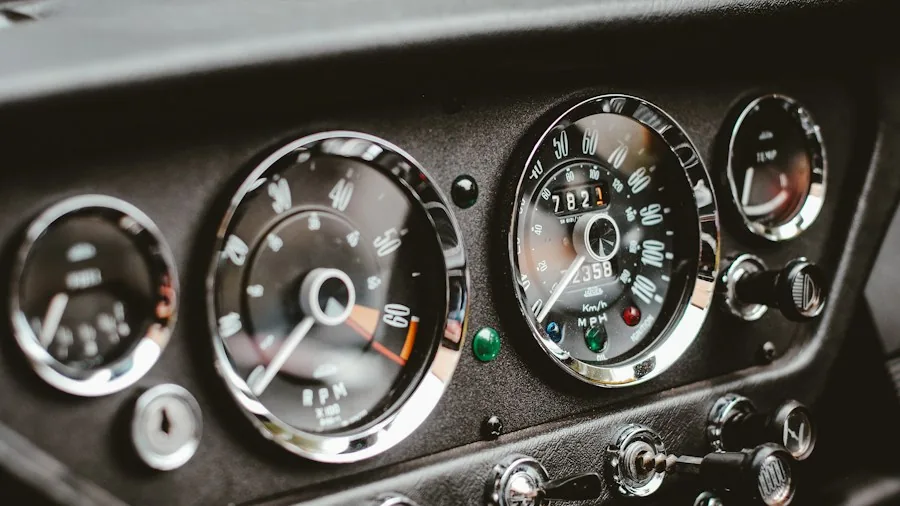
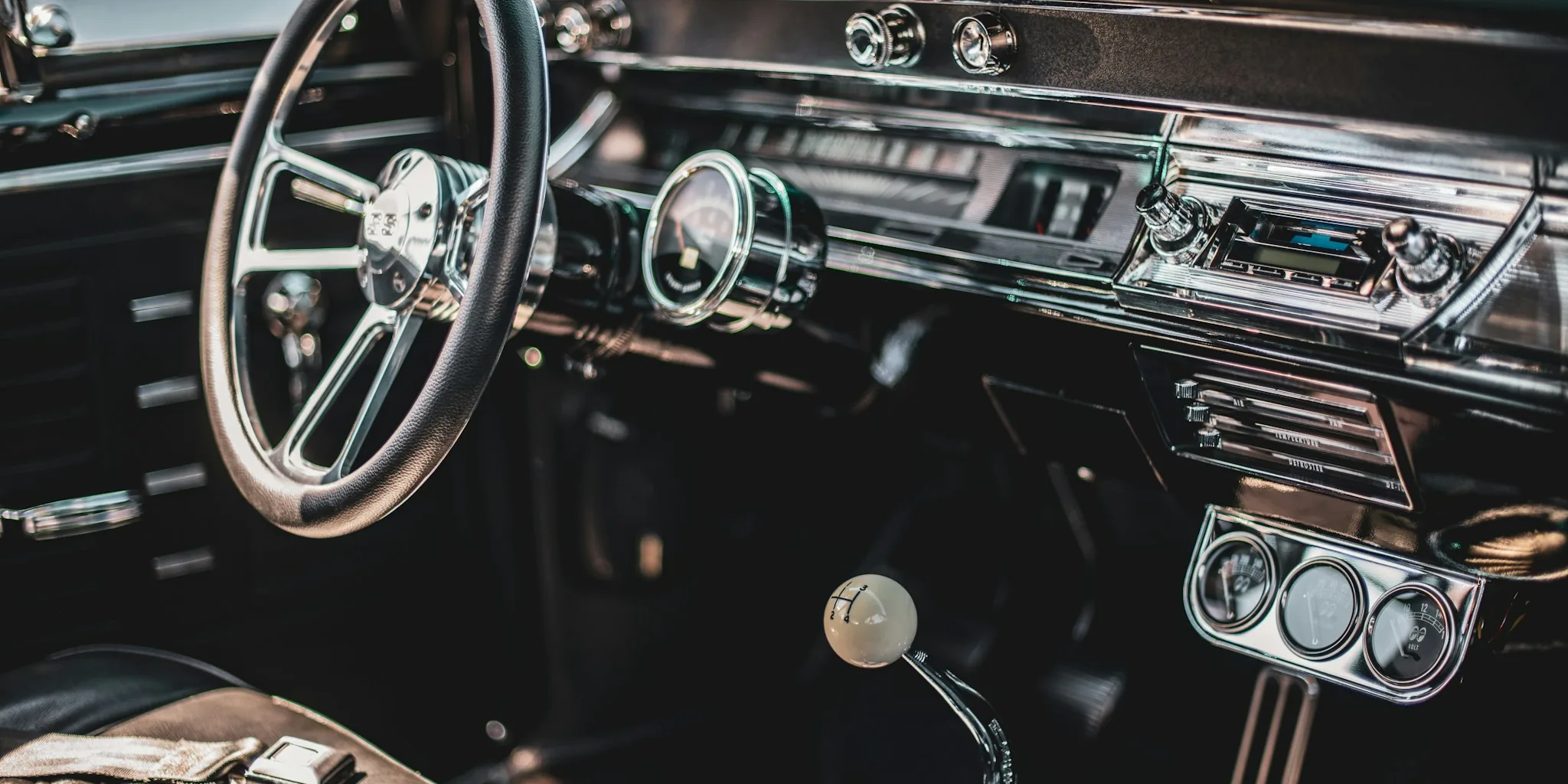
Toyota invested heavily in the cabin experience. The LE trim level came equipped with cut-pile carpeting, a digital clock, tilt steering wheel, and remote mirror controls, creating an impression of upscale refinement. However, the front bucket seats revealed a critical flaw: plush appearance masked inadequate support. The padded cushions felt more like sitting on unstable pillows than properly engineered seating. The rear seating told a different story, with better lumbar support and a folding design that dramatically increased cargo flexibility.
Climate control worked admirably, and the HVAC system was intuitively designed. Visibility was excellent thanks to thoughtful window placement. Yet for long drives, passengers would inevitably prefer the back seat, creating an unusual value proposition for a family car.
Driving Dynamics and Real-World Performance
The Corona’s handling exposed fundamental engineering compromises. Toyota paired stiff springs with insufficient shock absorption, a setup designed for the 35-to-40-mph speed limits common in Japan. On American highways, this created a nervous, bouncy ride that felt unsettled on anything but perfectly smooth pavement. The power steering lacked road feel, particularly on bumpy surfaces, and the car exhibited pronounced understeer with minimal driver feedback.
Where the Corona excelled was in steady-state highway cruising. The 2.2-liter single-overhead-cam engine with 90 horsepower moved traffic capably enough, and the five-speed manual transmission kept revs reasonable at interstate speeds. Acceleration from rest was pedestrian, but the engine’s reliability reputation was already well established. The familiar three-speed automatic was available for buyers less interested in manual engagement.
Fuel Economy and Value Proposition
At 18 miles per gallon, fuel consumption was disappointing for a 2,890-pound sedan equipped with a five-speed transmission. For shoppers comparing compact family cars today, understanding historical fuel efficiency benchmarks helps contextualize how far automotive technology has advanced. Modern sedans in comparable segments routinely achieve 30+ mpg, making the Corona’s thirst problematic even by 1979 standards.
Pricing started at $6,284 for the base model, with the tested LE reaching $7,206 after adding air conditioning and stereo options. Competitors like the Honda Accord, GM X-body cars, Volkswagen Dasher, and Mazda 626 offered front-wheel-drive efficiency and more modern suspensions at similar price points.
The Engineering Crossroads
The 1979 Corona represented Toyota attempting to bridge two competing automotive philosophies. The company had created a genuinely luxurious interior that middle-market American buyers would appreciate, featuring amenities that competing imports lacked. Yet this luxury packaging sat atop an aging rear-wheel-drive chassis with suspension tuning optimized for slow-speed urban driving in Japan, not the varied American driving environment.
The folding rear seat was genuinely innovative for family hauling purposes, and cabin technology like the delayed interior lighting system showed attention to practical detail. These elements prevented the Corona from feeling completely outclassed by competitors who were already moving toward more efficient platforms.
What This Means for Today’s Shoppers
The 1979 Corona’s story illustrates an important principle: luxury features and build quality alone cannot compensate for fundamental engineering deficiency. Modern vehicle purchases involve far more sophisticated powertrains, suspension systems, and safety technologies than existed in 1979. Yet the lesson remains valid. A car that feels plush but rides poorly, or promises efficiency while delivering indifferent performance, ultimately disappoints regardless of era.
When evaluating vehicles today, whether new or used, look beyond surface-level amenities. Test ride quality over varied road conditions. Compare real-world fuel economy against manufacturer claims. Assess whether engineering fundamentals support the intended use case. The Corona’s well-intentioned compromises remind us that thoughtful design integration matters more than feature checklists, a principle as relevant now as it was nearly fifty years ago.





Write Your Review
No reviews yet. Be the first to share your experience!