


In the fall of 1991, Mazda introduced a vehicle that promised to shake up the compact sports coupe market: the MX-3 GS. With its distinctive styling and unconventional powertrain, this new arrival challenged assumptions about what a small, fun car should be. For shoppers considering compact sports coupes in the early 1990s, understanding what the MX-3 offered and how it compared to rivals was essential to making the right purchase decision.
A Fresh Approach to Compact Sports Coupes
The MX-3 arrived at a crowded moment in the affordable sports car segment. Buyers could choose from the Toyota Paseo, Nissan NX, Isuzu Impulse, Geo Storm, and Honda CRX, all fighting for attention in the two-plus-two coupe category. Mazda’s strategy, however, was to position the MX-3 differently. Rather than simply offering another zippy two-seater built on sedan platforms, the brand aimed to deliver a legitimate sports car with real distinction.
The company’s leadership promoted an ambitious vision: vehicles that captured personality and playfulness in their design and performance. The MX-3 embodied this philosophy through eye-catching aesthetics and mechanical choices that set it apart from conventional competitors.
The Smallest V-6 Engine in the Automotive World
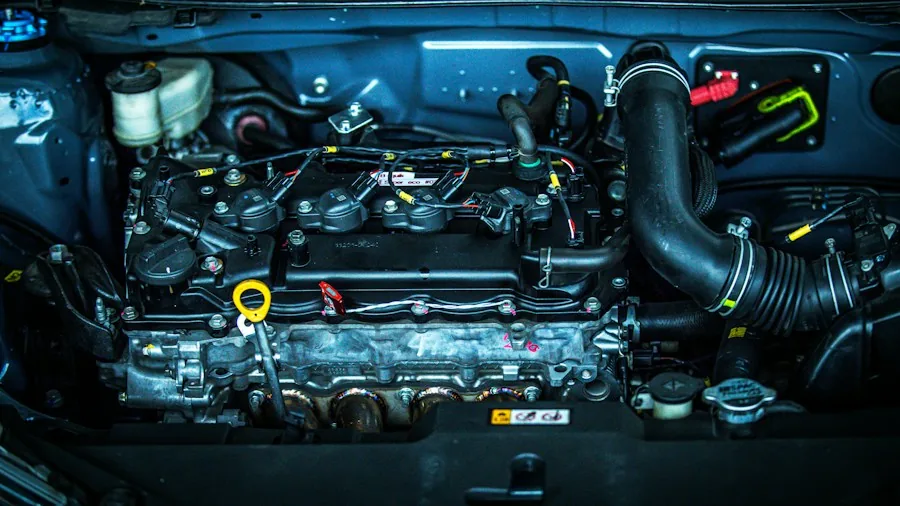
The most notable feature of the MX-3 GS was its 1.8-liter V-6 engine, claimed to be the world’s smallest production V-6 at the time. This high-revving, four-cam powerplant produced 130 horsepower at 6,500 rpm and 115 pound-feet of torque at 4,500 rpm, matching or exceeding most competitors in its class except for the Nissan NX2000.
The V-6 design brought a distinctive character to the driving experience. The engine featured all-aluminum construction with cylinder banks angled at 60 degrees, and dual camshafts in each head operated four valves per cylinder. Twin solenoid-controlled butterfly valves in the intake tract helped optimize the torque curve, addressing the reality that a short-stroke, high-rpm engine needed assistance in lower and mid-range power delivery.
In practice, the engine delivered more sensation than raw acceleration at lower speeds. Around 3,000 rpm, the exhaust produced a gorgeous snarl reminiscent of a Jaguar E-Type, yet substantial power was absent until 4,500 rpm. Real acceleration demanded higher revolutions, typically between 5,000 and the 7,000-rpm redline. While this trait could feel dramatic in traffic, the engine remained smooth and responsive throughout its range.
Seating and Interior Design Considerations
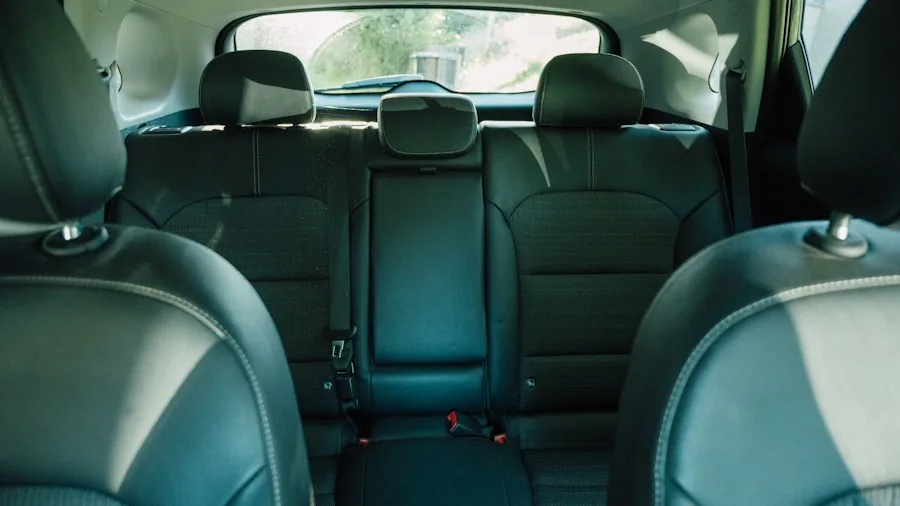
Mazda’s claim that the MX-3 offered genuine four-passenger capacity rather than a token back seat was one of its defining promises. The cabin felt surprisingly spacious from behind the wheel, with a well-designed interior layout featuring attractive appointments throughout. The front seats easily accommodated large adults with good side bolstering that didn’t compromise entry and exit.
The rear bench was genuinely wider than typical penalty boxes in this class, with a continuous wraparound effect and defined bun pockets. However, reaching that back seat required an athletic climb, and passengers needed to position themselves precisely to achieve reasonable posture. Two average-size adults could ride there comfortably for short trips, making it suitable for genuine four-person travel rather than emergency-only seating. For those concerned about cabin comfort, investing in quality car speakers could enhance the driving experience for all passengers.
Chassis and Handling Performance
The MX-3 built its reputation for enjoyment on a well-sorted chassis that offered both back-road agility and freeway composure. Mazda’s firm strut-type suspension, refined from systems used in the Protege and Escort sedans, delivered fine directional stability combined with responsive cornering. Engine-speed-sensitive power steering provided light, quick action, while the rear suspension design that had shown dart tendencies in earlier Mazda models was substantially improved in this application.
The wheelbase of 96.3 inches and matching front and rear track measurements of 57.5 and 57.7 inches respectively gave the MX-3 a large footprint relative to its overall size, promising solid handling fundamentals. Five-speed manual transmission with smooth action and appropriately spaced ratios completed the engaging driving proposition, though the one-to-two shift dropped revs broadly, requiring driver adjustment.
Styling That Commanded Attention
The MX-3’s design combined rounded forms with wedgy proportions and a sharply raked windshield angled 65 degrees from vertical. A vast wraparound rear window and aerodynamic bodywork that trimmed the drag coefficient to 0.31 made heads swivel on the road. Notable details included the curvature at the rear edge of side windows and a tiny glass panel beneath the rear spoiler, elements that served both styling and functional purposes while maintaining a cohesive, contemporary appearance.
What This Meant for Shoppers
For buyers seeking alternatives to mainstream sports coupes, the MX-3 GS offered genuine distinction. Its combination of a unique powertrain, practical four-seat accommodation, engaging handling, and striking styling represented Mazda’s commitment to vehicles with personality. With pricing expected to fall in the low teens, the car positioned itself competitively within the segment while delivering a driving experience intentionally different from everything else available. Proper maintenance of such a specialized vehicle was important, and keeping car covers handy could preserve its distinctive appearance.
The MX-3 joined Mazda’s lineup of specialized, off-center vehicles alongside the RX-7, Miata, and MPV, reinforcing the brand’s reputation for engineering cars that promised experiences beyond conventional transportation.






Write Your Review
No reviews yet. Be the first to share your experience!