
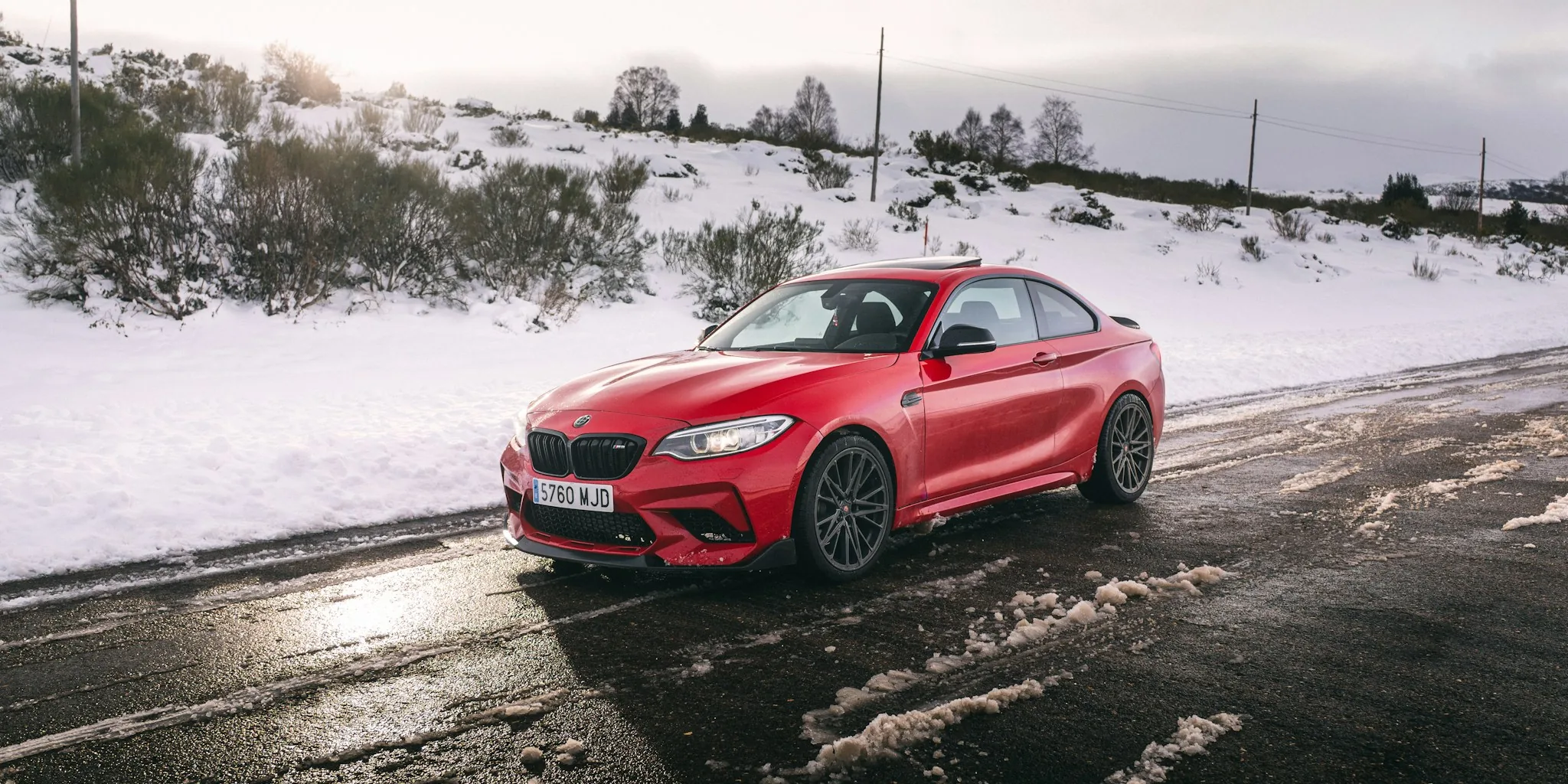

When Mazda unveiled the third-generation RX-7 in 1991 for the 1993 model year, the Japanese automaker made a deliberate choice: to reinvent the sports car as a pure performance machine rather than a luxury tourer. This shift had major implications for enthusiasts and everyday buyers considering a high-performance two-seater.
A Return to Sports Car Roots
The previous generation RX-7 had drifted toward the upscale market, emphasizing comfort and refinement over raw driving dynamics. Mazda’s leadership acknowledged this drift and committed to realigning the model with its original identity as an uncompromising sports car. The result was a vehicle that combined serious engineering with aggressive styling, positioning itself in the low-$30,000 range, approximately between the naturally aspirated and turbocharged Nissan 300ZX models.
This positioning mattered for buyers because it signaled that Mazda was doubling down on performance credentials rather than competing directly with luxury grand tourers. The company backed up this promise with substantial mechanical upgrades that directly affected how the car performed on real roads.
Engine and Performance Gains
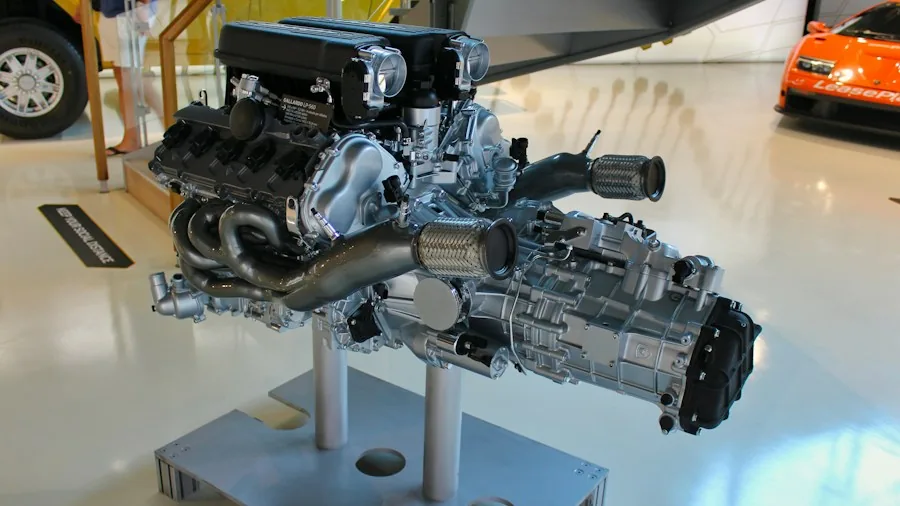
The new RX-7 retained Mazda’s signature twin-rotor Wankel engine, but with significant modifications. A twin-sequential turbocharger installation boosted output to 255 horsepower, representing a massive jump from the previous generation’s 200-horsepower maximum. This wasn’t just a simple power increase; the dual-turbo setup provided two distinct power delivery phases, offering steady thrust from 3,000 rpm and an aggressive surge past 6,000 rpm leading to the 7,500-rpm redline.
Mazda projected 0-to-60 acceleration in 4.9 seconds with a top speed of 156 mph, figures that would put the RX-7 among the fastest cars available to American shoppers at that price point. The engineering team developed the two-rotor engine specifically to maximize both low-end responsiveness and peak horsepower, addressing a common weakness in turbo sports cars where lag between throttle input and power delivery could frustrate drivers.
Chassis and Handling Refinements
Raw horsepower alone doesn’t make a sports car; chassis dynamics matter equally. Mazda engineered a completely rethought suspension and body structure that redefined the driving experience. The car sat 100 pounds lighter than the turbocharged second-generation model despite increased structural rigidity, thanks to extensive use of aluminum suspension components and a welded-steel frame.
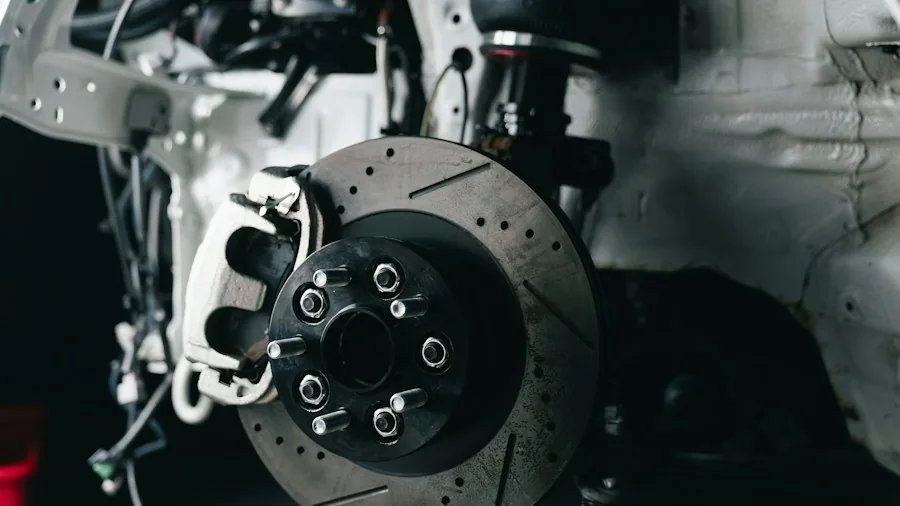
The suspension geometry featured sophisticated toe-control kinematics that provided a measure of rear steer through controlled bushing deflection. This allowed drivers to maintain stability while exploring the limits of adhesion, a critical feature for safe performance driving. The standard anti-lock braking system with large ventilated discs represented another practical upgrade that made the car more accessible to everyday enthusiasts who wanted genuine performance without extensive race-driving experience.
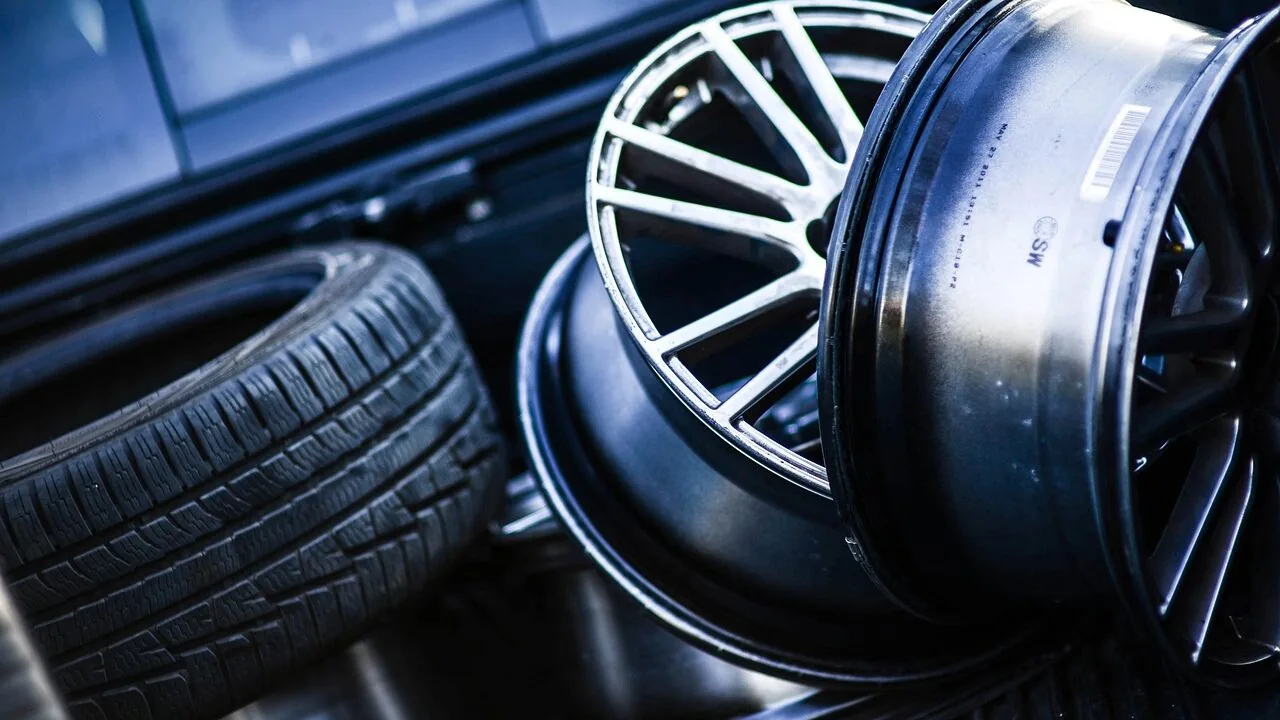
Tire and wheel sizing jumped to 225/50-16 specifications mounted on eight-inch-wide wheels, providing a much wider contact patch than previous generations. This upgrade directly translated to improved cornering grip and better overall stability during spirited driving.
Dimensional Changes and Visual Impact
The new RX-7 became shorter, lower, and lighter, measuring almost 1.5 inches shorter in overall length and approximately the same reduction in height. However, Mazda widened the car by nearly 2.5 inches to accommodate larger tires and maintain interior habitability. The overall effect was a vehicle that appeared smaller and more compact from any angle, yet more aggressive and purposeful in stance.
The styling reflected performance priorities through its long-hood, short-deck proportions, which contrasted with contemporary cab-forward design trends. A double-bubble roof and fastback glass hatch gave the coupe a serious business appearance, signaling to potential buyers that this wasn’t a comfortable cruiser but a focused driver’s machine. The proportions also improved weight distribution, with engineers achieving the theoretical ideal of approximately 50-50 front-to-rear balance while lowering the center of gravity by one full inch compared to earlier models.
Equipment and Options Strategy
Mazda implemented an interesting but potentially frustrating equipment strategy, offering the RX-7 in two distinct packages with no mix-and-match options. The performance version featured Z-rated tires, an additional engine-oil cooler, front and rear spoilers, and slightly stiffer suspension tuning. The luxury package provided leather seat faces, cruise control, a sunroof, and a Bose audio system.
For buyers, this meant choosing between two predefined experiences rather than building a car to exact specifications. Some shoppers would inevitably want sport suspension combined with luxury amenities like cruise control, creating potential friction in the buying process. That said, protecting such a high-performance investment with quality car covers became an important consideration for owners seeking to preserve the vehicle’s appearance and value.
What This Meant for the Market
The third-generation RX-7 represented Mazda’s most decisive commitment to the sports car segment. Combined with the company’s introduction of the Miata, Mazda could reasonably claim the title of world’s leading sports car manufacturer by volume. For buyers considering a new performance car in the early 1990s, the RX-7 offered genuine engineering innovation, striking styling, and approachable performance that didn’t require professional-level driving skills to enjoy safely. The detailed engineering refinements meant that reliable power systems and quality components remained central to the vehicle’s engineering philosophy.



Write Your Review
No reviews yet. Be the first to share your experience!