


New EV Battery Chemistry Delivers Major Charging Gains
Chevrolet has brought back the Bolt after a four-year hiatus, and the reborn 2027 model arrives with a critical upgrade that should matter to every EV shopper: dramatically faster charging speeds. The automaker shelved the popular Bolt EV and EUV in 2023 but chose to revive the nameplate with a singular focus on solving one of the original car’s biggest weaknesses. If you’re shopping for an affordable entry-level EV, this development could change your ownership experience.
The difference is striking. Testing showed that the previous generation 2022 Bolt EUV took 83 minutes to charge from 10 to 90 percent battery capacity, adding just 56.7 kilowatt-hours during that lengthy window. That translated to an average charging rate of only 41 kW, with a peak of 57 kW. For road trips, those numbers were painful: adding 50 miles of range required 23 minutes, reaching 100 miles took 44 minutes, and hitting 150 miles consumed 82 minutes of charging time. The old Bolt simply wasn’t practical for long-distance driving.
The new 2027 Bolt erases those limitations. The same 10-90 percent charging test now completes in just 38 minutes, delivering 59.2 kWh and averaging 94 kW, more than double the previous model’s capability. Peak charging speed jumps to 148 kW, nearly triple the original. Real-world convenience improves dramatically: adding 50 miles of range now takes only eight minutes, 100 miles requires just 17 minutes, and reaching 150 miles of additional range takes 29 minutes. The difference transforms the Bolt from a city car into a genuine road trip contender.
Battery Technology Is the Game Changer

This charging revolution stems from a fundamental shift in battery chemistry. The original Bolt relied on a nickel-manganese-cobalt (NMC) lithium-ion battery pack, while the new model switches to lithium-iron-phosphate (LFP) technology. This change delivers two significant benefits beyond faster charging: Chevrolet confirms that LFP packs cost substantially less to manufacture, which should support the new Bolt’s aggressive under-30K pricing. Additionally, the automotive industry’s growing focus on practical EV ownership means battery improvements now rank among the most important purchase factors.
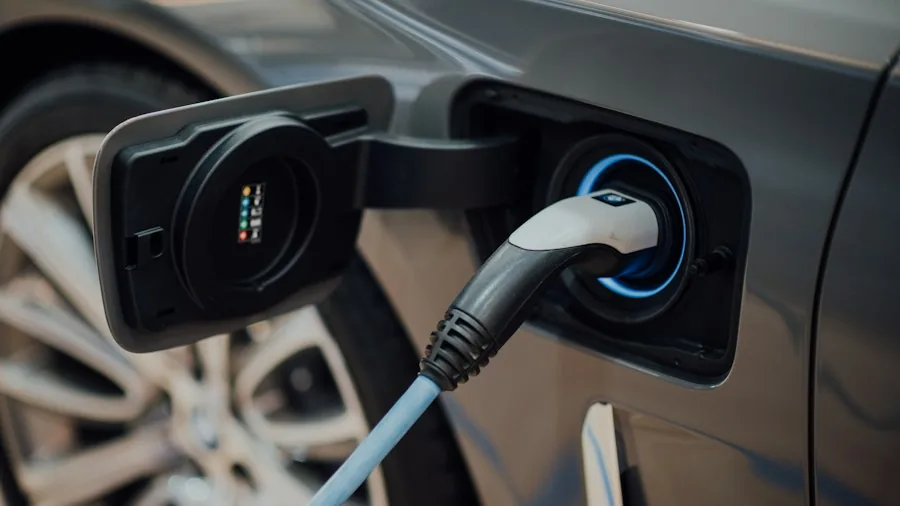
Alongside the battery upgrade, Chevrolet equipped the 2027 Bolt with a new NACS charging port, replacing the older CCS connector. This switch grants owners access to Tesla’s extensive Supercharger network, expanding charging options significantly beyond public Level 2 stations. For buyers who frequently drive between cities, this infrastructure access matters considerably.
Range Gets a Boost Too
Beyond charging speed, the reborn Bolt improves its driving range. Testing at highway speeds (75 mph) delivered 230 miles of range, up from the previous generation’s performance. That extra distance, combined with faster charging, positions the new Bolt as a more flexible choice for varied ownership scenarios. Whether commuting daily or planning weekend trips, the updated range eliminates some of the anxiety that traditionally plagued affordable EVs.
What This Means for Your Purchase Decision
Chevrolet has announced the 2027 Bolt as a limited-run model, likely spanning just a single model year. That timing creates urgency for interested buyers. The revised styling is modest, but the mechanical improvements represent substantial progress. Starting below 30K, the new Bolt delivers remarkable value as an entry-level EV. As the automotive market continues reshaping around electrification, affordable EVs with practical charging capabilities have become increasingly important for mainstream adoption.
If you’ve dismissed EVs because of charging concerns or resisted the Bolt specifically because of its slow charging, the 2027 model warrants serious consideration. The new battery technology and faster charging mean fewer hours waiting at charging stations and more confidence for longer drives. For shoppers seeking an affordable, practical EV that actually works for real-world driving patterns, this refreshed Bolt represents a meaningful step forward. The combination of low entry pricing, competitive range, and transformed charging performance makes this a noteworthy option in the expanding EV market.






Write Your Review
No reviews yet. Be the first to share your experience!