

A Fresh Look and More Powertrain Options Are Coming
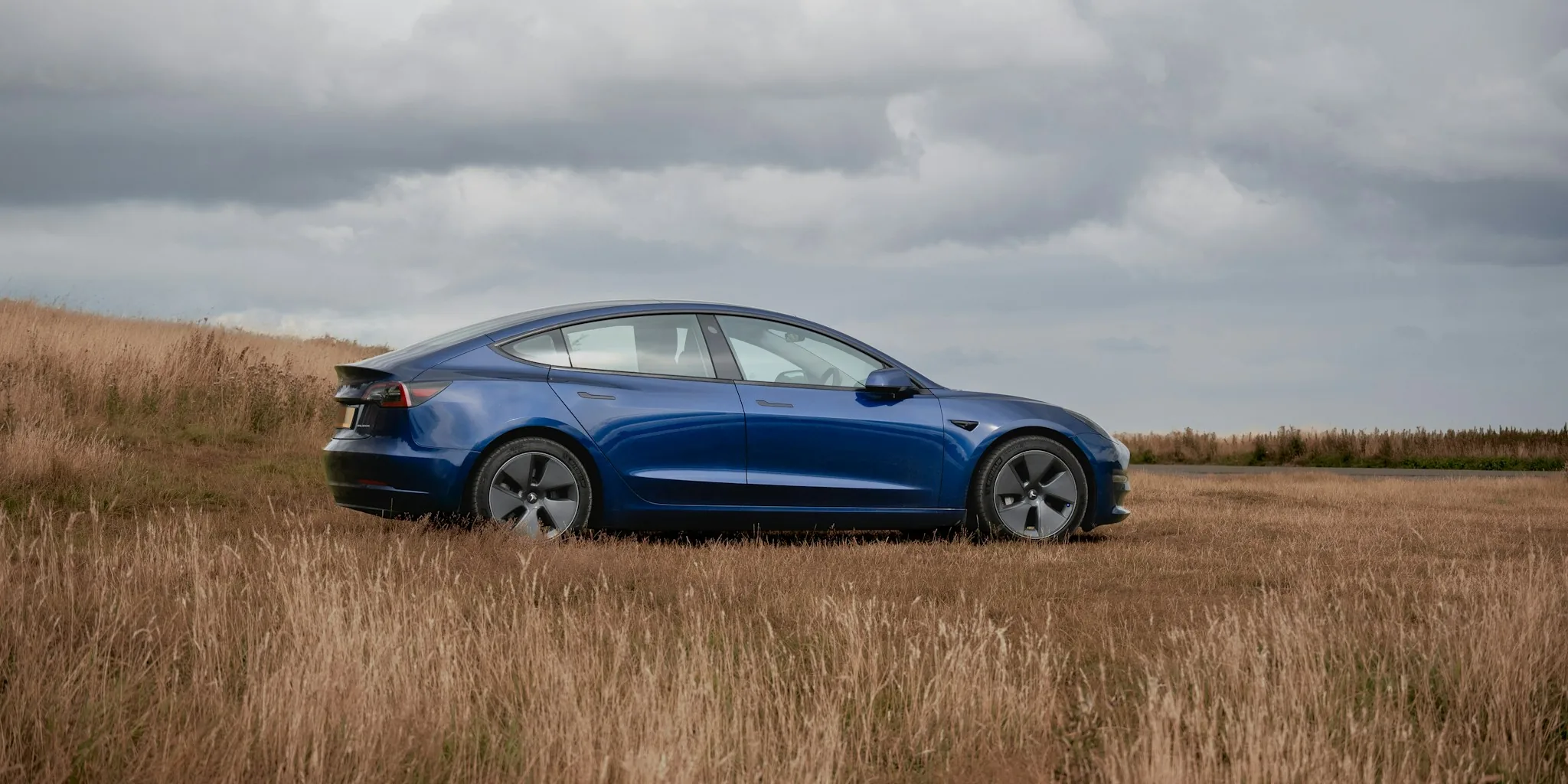
Toyota is preparing to shake up its compact sedan lineup with a completely redesigned Corolla arriving in 2027 for the 2028 model year. The overhaul will bring sharper, more modern styling inspired by a concept vehicle shown in late 2025, along with a dramatically updated cabin featuring larger displays, cleaner control layouts, and an airier overall design. For budget-conscious shoppers, this refresh signals that the affordable compact sedan segment still has life left in it, even as the market tilts toward SUVs.
The existing Corolla sedan has been on the market since 2020, and the hatchback model since 2019, making them due for significant updates. As one of Toyota’s sales leaders with over 248,000 units sold annually in the United States and ranking as the 11th best-selling vehicle in the country, the Corolla remains a cornerstone of the brand’s business. However, rising competition from affordable crossovers and SUVs means Toyota must prove that compact sedans still deserve shelf space in an increasingly SUV-focused market.
Four Different Powertrain Choices

Perhaps the most significant change involves the powertrain lineup. The new generation will offer unprecedented variety, starting with a conventional gasoline-only option that may use either a turbocharged 1.5-liter or revised 2.0-liter four-cylinder engine. This gas model will keep prices accessible, likely starting around $25,000, matching current pricing.
A hybrid version will pair a 1.5-liter engine with an electric motor to produce roughly 134 horsepower while improving efficiency by 10 to 20 percent over the current hybrid. All-wheel-drive hybrid models with an additional rear electric motor are also under consideration. For the first time, a plug-in hybrid variant with extended electric range will join the lineup, though pricing details remain limited. Toyota is developing an all-electric Corolla as well, potentially offering single and dual-motor configurations with at least 250 miles of range, though U.S. availability remains uncertain. A high-performance GR variant with a turbocharged 2.0-liter producing approximately 395 horsepower will round out the range for driving enthusiasts.
A New Platform Enables Flexibility
The redesigned Corolla will sit on an enhanced version of Toyota’s TNGA-C architecture, significantly reworked to accommodate the diverse powertrain options. This platform flexibility represents smart engineering, allowing Toyota to build everything from basic gas models to fully electric versions on the same basic structure. The estimated starting prices suggest the hybrid will land around $27,000, while the plug-in hybrid and electric models may fall in the $30,000 range, keeping them competitive with other advanced automotive technologies in their respective segments.
Competition Remains Intense
The refreshed Corolla will need to compete aggressively against established players like the Honda Civic, Volkswagen Jetta, Hyundai Elantra, Kia K4, Nissan Sentra, and Mazda 3. If Toyota brings the electric version stateside, it will also battle affordable EVs such as the Nissan Leaf. The compact sedan market has narrowed considerably in recent years, with several competitors exiting the segment entirely, so the Corolla’s continued evolution signals Toyota’s confidence in its future.
Design Changes May Include a Fastback Hatch
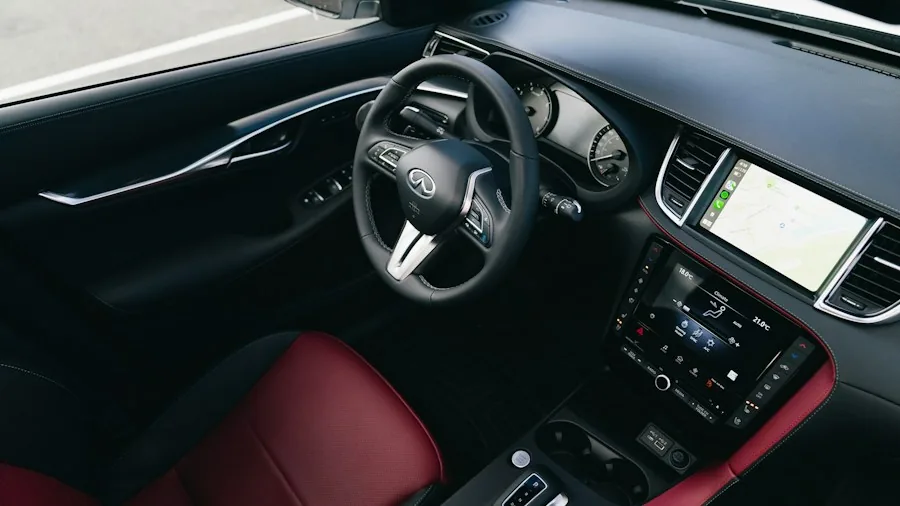
The sedan will arrive first, but Toyota is exploring an interesting possibility: a fastback roofline that could incorporate a rear hatch, potentially consolidating the separate hatchback model into a single offering. This mirrors trends in other segments where sedan and hatch variants share more DNA. The updated interior will prioritize cleanliness and intuitiveness, though Toyota must balance modern aesthetics with practical controls that drivers can navigate without extensive learning curves.
Challenges to Watch
Success hinges on several factors. Maintaining affordability is critical, as adding modern tech and hybrid systems can inflate pricing quickly. The plug-in hybrid may struggle to find its niche if priced significantly higher than the standard hybrid. The broader EV market slowdown could also limit demand for an electric Corolla, even at consumer-friendly prices. Finally, Toyota must ensure the modernized cabin remains intuitive and accessible, avoiding the pitfall of sacrificing usability for style.
For shoppers seeking dependable, budget-friendly transportation, the 2028 Corolla redesign presents compelling reasons to wait. The combination of improved styling, updated technology, multiple powertrain options, and maintained competitive pricing positions it as a strong alternative to pricier competitors in the compact car segment. Whether you prefer traditional gas efficiency, hybrid practicality, plug-in charging, or full electric power, Toyota is engineering a Corolla built for your specific needs.





Write Your Review
No reviews yet. Be the first to share your experience!