

Aphids are among the most frustrating garden pests, capable of causing real damage when they take hold. These tiny sap-sucking insects turn leaves yellow and twisted, stunt plant growth, and leave behind a sticky residue called honeydew that invites ants and encourages black mold. While aphid control is possible, many gardeners unknowingly make mistakes that actually invite infestations in the first place. Understanding what these errors are and how to avoid them can make the difference between a thriving garden and one overrun with pests.
Mistake 1: Applying Too Much Nitrogen Fertilizer
Nitrogen is excellent for encouraging lush, vigorous foliage on your plants, but this abundant new growth is exactly what aphids crave. When you over apply nitrogen based fertilizers, you’re essentially setting out an all you can eat buffet for aphids. The tender, nutrient rich shoots become irresistible to these pests, and they quickly establish themselves on your plants.
The key is to fertilize thoughtfully rather than aggressively. Choose a balanced fertilizer appropriate for the plants you’re growing, and always follow label instructions exactly. Resist the temptation to apply extra fertilizer or to feed more frequently than recommended. If you’re unsure which product to use, a general purpose balanced fertilizer works well for most garden beds and containers. This measured approach supports healthy plants without creating an aphid magnet.
Mistake 2: Skipping Regular Plant Inspections

Early detection is your strongest weapon against aphid problems. These insects reproduce at an astonishing rate, and a handful of pests can multiply into a serious infestation within just a few days. The longer you wait to spot them, the harder they become to manage.
Make plant inspections a routine part of your gardening schedule. Check your plants while you’re watering, since you’re already out there. Focus on new growth, growing tips, stems, and the undersides of leaves where aphids like to hide. Watch for visible signs of infestation, including sticky honeydew residue, ants clustering on stems, black sooty mold, and leaves that are curling, yellowing, or visibly distorted. Pay especially close attention during periods of rapid growth in spring and early summer, when aphid populations tend to surge.
Mistake 3: Waiting Too Long Before Taking Action
Once you spot aphids, resist the urge to ignore them and hope they go away. What seems like a small problem today becomes a major infestation tomorrow. The good news is that catching aphids early means you can use simple, safe control methods rather than harsh chemicals.
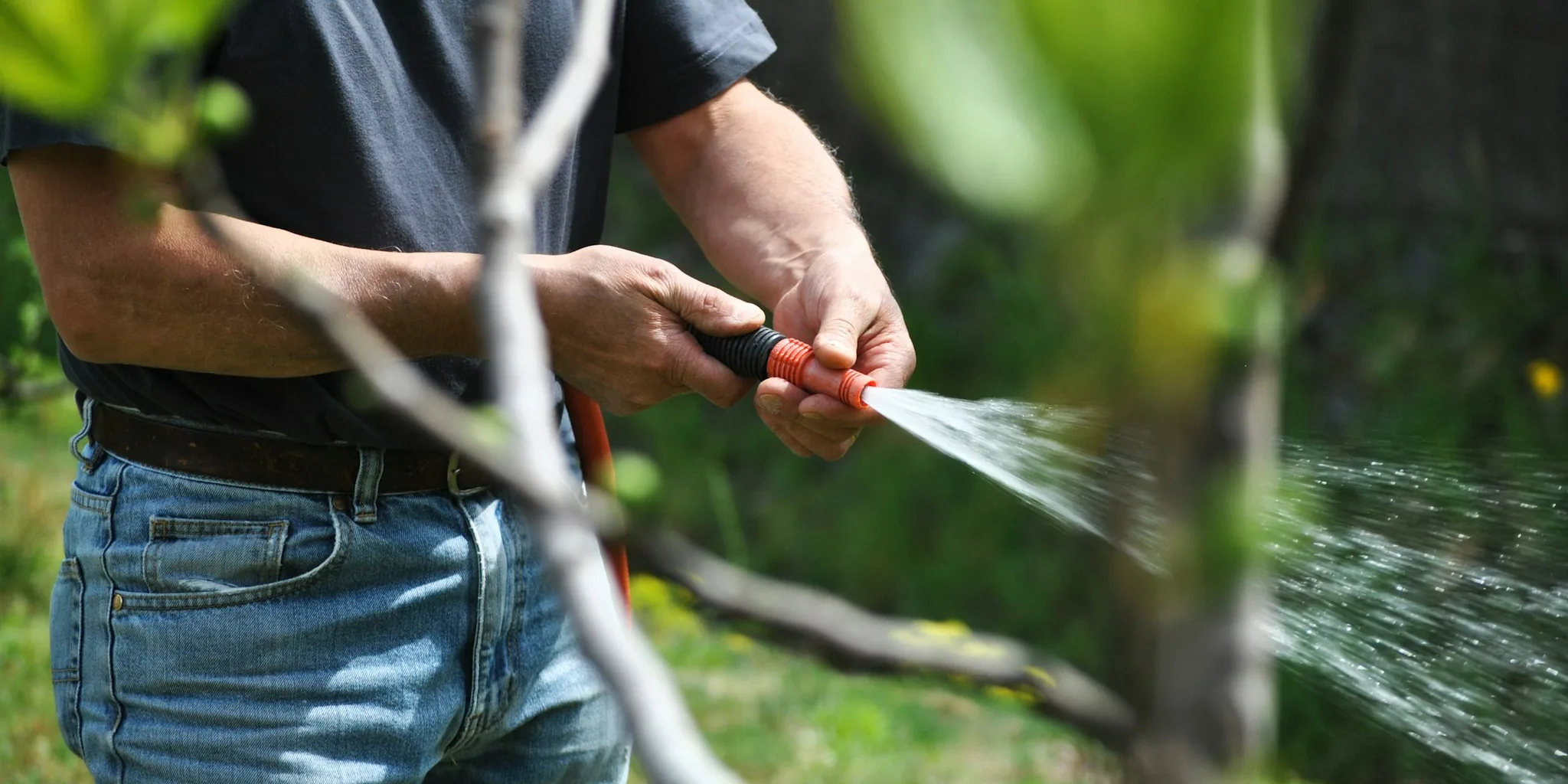
Your first response should be a strong spray of water to physically knock aphids off the plant. Direct the water stream at stems and the undersides of leaves. If water alone doesn’t solve the problem, move to the next step: insecticidal soap or horticultural oil. Both options are relatively low toxicity and much safer than broad spectrum pesticides. You can purchase these products at most garden centers, or make your own insecticidal soap at home using basic ingredients. Starting with gentle methods preserves your garden’s natural balance while still eliminating the problem quickly. When you’re equipped with the best garden pruners for every budget and skill level, you can also remove heavily infested stems and growth entirely.
Mistake 4: Eliminating Beneficial Insects
One of the most overlooked strategies in aphid management is supporting beneficial insects that prey on aphids naturally. Lacewings, parasitic wasps, ladybugs, and other native predators keep aphid populations in check without any effort on your part once established in your garden.
The problem occurs when gardeners reach for broad spectrum pesticides to handle every pest problem. These products kill aphids but also destroy the beneficial insects that would have controlled the problem naturally. Instead of automatically spraying chemicals, take a targeted approach. Consider each pest issue separately and choose control methods that eliminate the problem with the least collateral damage to your garden’s ecosystem.
Support beneficial insects by planting native plants, avoiding unnecessary chemical applications, and even introducing populations of predatory insects like ladybugs. You might also want to invest in quality gardening gloves so you can safely hand pick larger infestations if needed. Gardens rich in native plants and beneficial insects are naturally resistant to severe pest problems.
Keeping Aphids From Returning
Once you’ve successfully managed an aphid outbreak, protect your progress by avoiding these mistakes going forward. Fertilize appropriately using balanced products and following label directions exactly. Keep plant inspections part of your regular routine. Encourage native and beneficial insects through thoughtful plant selection and minimal pesticide use. Act immediately the moment you see aphids or signs of infestation. Consider introducing beneficial predators to your beds as a preventive measure.
Healthy plants, good management habits, and time spent observing your garden make any pest problem easier to handle. You’ll likely still encounter aphids occasionally, but with these strategies in place, they won’t become a garden crisis. Even experienced gardeners see aphids, so spotting them doesn’t mean you’re doing anything wrong, it just means it’s time to take these proven steps.




Write Your Review
No reviews yet. Be the first to share your experience!