
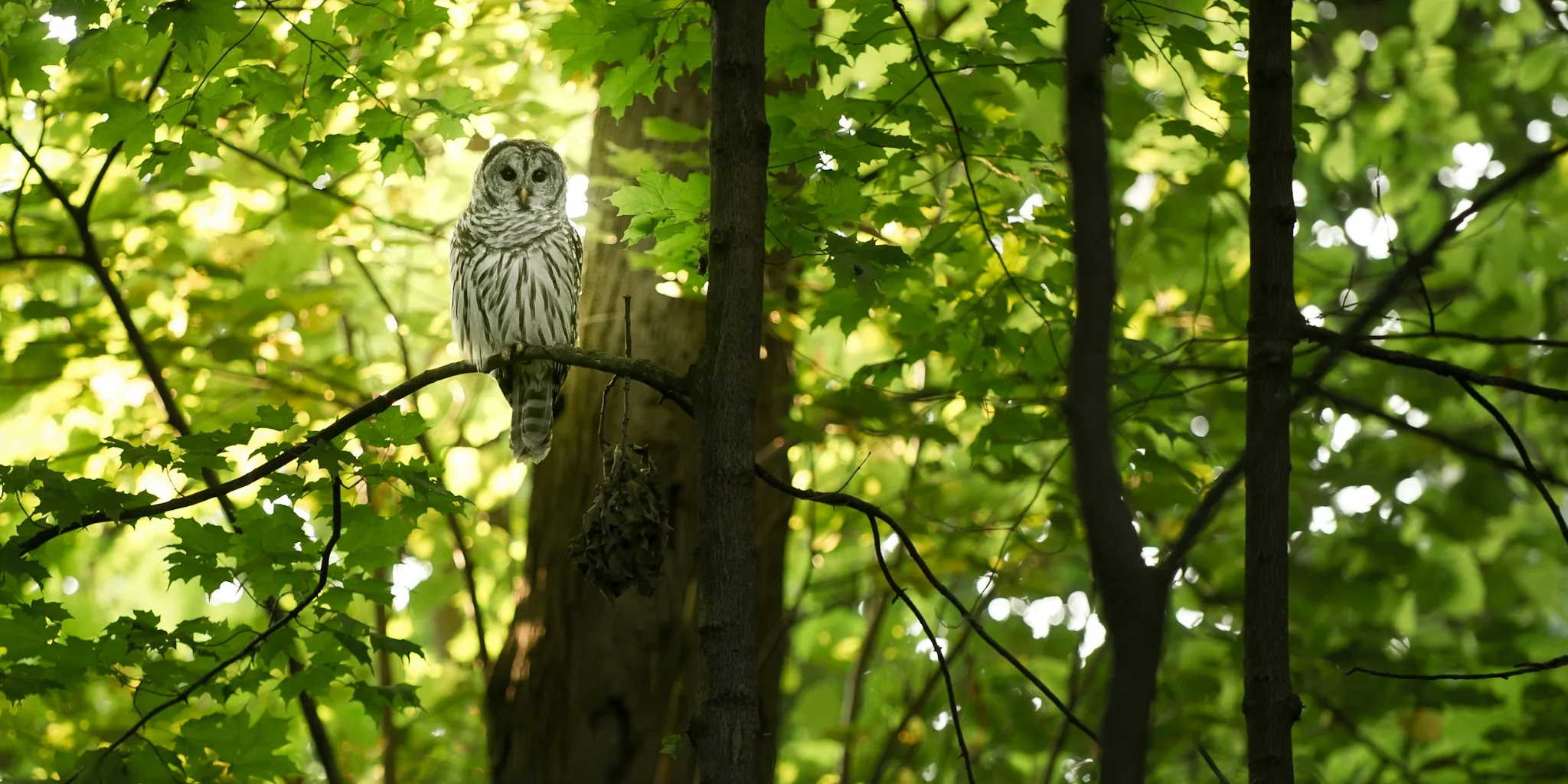

Create a Welcoming Home with an Owl Nesting Box
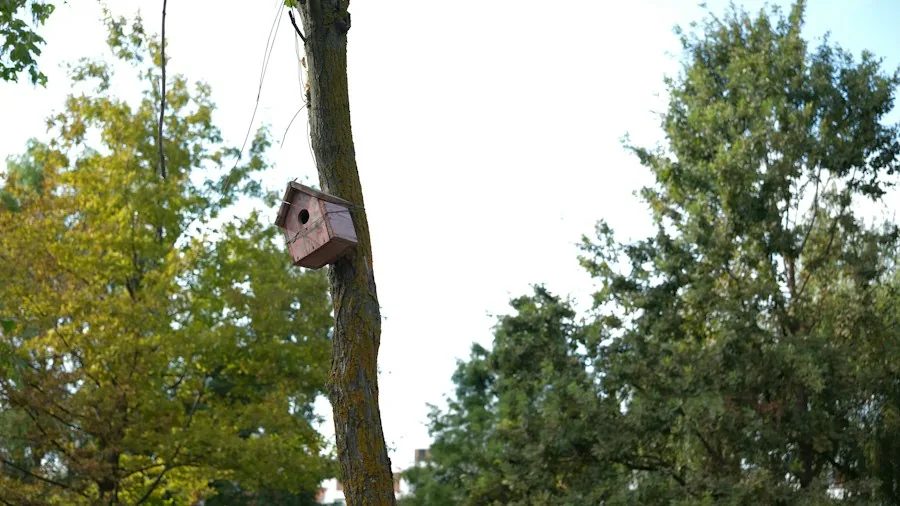
One of the most effective ways to invite owls into your garden is to provide them with a safe nesting space. Different owl species have different preferences, so research which owls are native to your area before purchasing or building a nesting box. Eastern screech owls, for example, readily use enclosed cavity-style boxes, while great horned owls prefer open platform designs. Once you’ve selected the right box for your local species, mount it high in a mature tree in a quiet corner of your property, away from foot traffic and human disturbance.
Let Your Garden Return to Nature
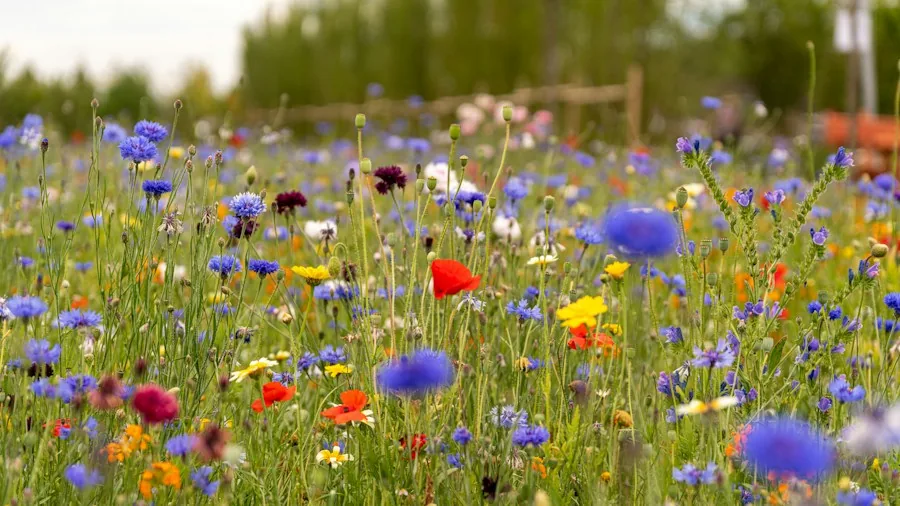
While a manicured lawn looks polished, owls thrive in yards with natural, untamed spaces. These nocturnal hunters need vegetation that supports small mammals like mice and voles, which form their primary diet. Allow patches of grass to grow longer, plant native wildflowers and grasses, and preserve mature trees whenever possible. Trees serve as essential perching and roosting spots where owls can rest and hunt. You don’t need to let your entire garden go wild; even a single corner dedicated to native plants can significantly boost the local wildlife population that owls depend on for food.
Minimize Light Pollution and Noise
Owls are nocturnal creatures that become most active during dusk and nighttime hours. To make your garden more attractive to these birds, reduce unnecessary outdoor lighting and consider switching to motion-sensor fixtures only when needed. Avoid bright spotlights that illuminate trees and potential nesting areas throughout the night. Additionally, keep noise and disturbance to a minimum around trees and nesting sites. The quieter and darker your garden becomes at night, the safer and more inviting it will feel to visiting owls seeking food and shelter.
Choose Owl-Safe Pest Management Methods
If rodent control is necessary in your garden, avoid using rodenticides and poison baits. When owls consume rodents that have ingested poison, they can become sick or die from secondary poisoning. Instead, opt for safer pest management approaches such as live traps, exclusion methods, or natural deterrents. This protective approach ensures that any owls visiting your garden remain healthy while still addressing your pest concerns. When working outdoors in the garden, consider using proper gardening gloves to protect yourself while handling equipment and materials safely.
Maintain Distance and Respect for Visiting Owls
If you’re fortunate enough to spot an owl in your garden, admire it from a distance without approaching or shining lights toward it. Owls can be stressed by human interaction and sudden illumination. A trail camera or binoculars can help you photograph and observe these magnificent birds without disturbing them. Remember that the goal isn’t to force owls to become regular visitors at any cost, but rather to create a natural outdoor environment where local wildlife can flourish on its own terms.
Additional Garden Improvements for Wildlife Success
Beyond these core strategies, several other enhancements can boost your garden’s appeal to owls and other wildlife. Maintain a healthy population of native plants, as these support insects that feed small mammals in the food chain. Consider installing quality irrigation systems to sustain native plantings without constant manual watering. Regular maintenance using proper pruning tools helps keep mature trees healthy and strong for roosting. Water features like small ponds can also attract additional wildlife that supports the ecosystem owls depend on.
Creating an owl-friendly garden requires patience and consistency rather than expensive modifications. By implementing these five strategies, you’ll develop a thriving outdoor space that naturally attracts owls while supporting the broader ecosystem. Even if owls don’t visit immediately, you’ll notice increased activity from other beneficial wildlife species. The transformation from a conventional garden to a wildlife haven takes time, but the reward of potentially encountering one of nature’s most captivating nocturnal predators makes every effort worthwhile.




Write Your Review
No reviews yet. Be the first to share your experience!