
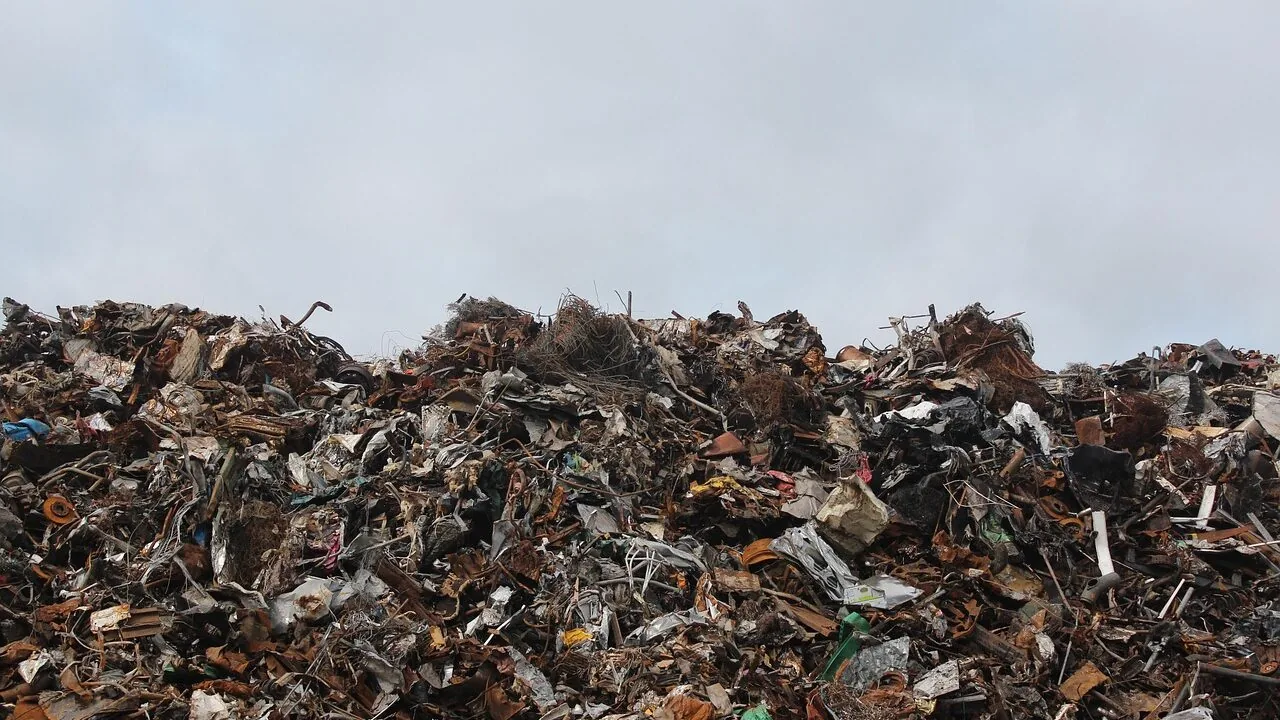

As fall arrives and your kitchen fills with holiday cooking debris, most homeowners toss food waste into the trash without a second thought. But that pile of shrimp shells, stale bread, or avocado pits could be exactly what your garden needs to thrive next spring. Composting unconventional kitchen scraps has become an increasingly popular way for shoppers to reduce waste while enriching their soil at zero extra cost.
Why Fall Is Prime Time for Composting Complex Food Waste
Fall offers the ideal window for breaking down denser, wetter kitchen materials that would normally sit in your compost pile for months. Once you layer food scraps properly now, the cold months ahead work in your favor. Winter temperatures slow decomposition just enough to prevent foul odors and keep rodents at bay, while your pile quietly processes materials beneath an insulating blanket. By spring, you’ll have nutrient-rich compost ready to boost beds and borders.
The key is balance. Dense, wet scraps need plenty of carbon layered around them to prevent the heap from becoming waterlogged. Fall leaves provide the perfect free solution. Aim for a 2-to-1 ratio of shredded leaves to food scraps. Bury the wet material deep in the pile’s center and surround it with those leafy browns, then let time handle the rest.
Six Surprising Scraps Worth Composting
Crushed Shellfish Shells
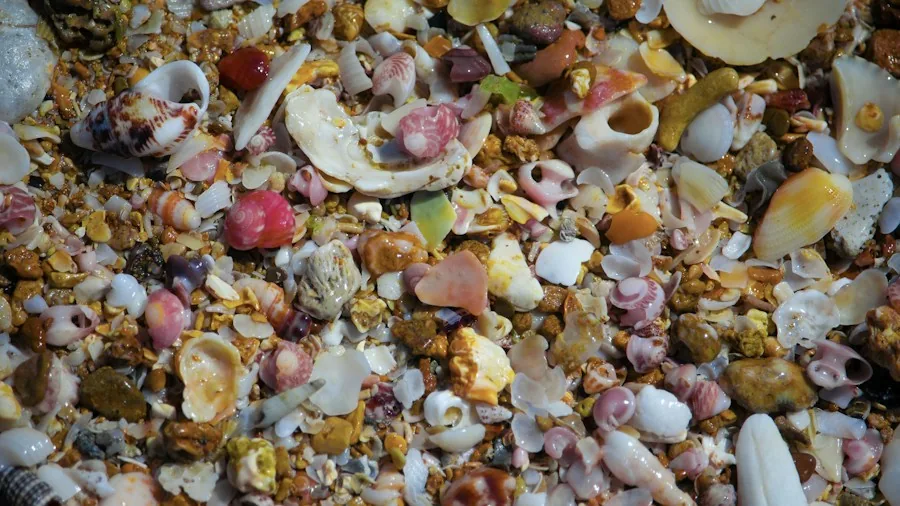
Shells from shrimp, crab, and lobster contain calcium carbonate and a complex carbohydrate called chitin. When buried in your fall compost, chitin triggers a bloom of beneficial bacteria that release enzymes targeting root-knot nematodes, a common garden pest. Rinse shells well to remove salt and seasonings, crush them with a mallet into coin-sized pieces, and bury them deep in the hot center of your pile. Allow 4 to 6 months for full breakdown.
Stale Bread and Beer Dregs
That forgotten heel of sourdough and the inch of flat craft beer left in a bottle are compost gold. Both deliver quick-release sugars and active yeasts that jumpstart microbial activity when fall temperatures threaten to slow decomposition. Pour beer directly onto dry leaf layers where it absorbs instantly. For bread, tear it into small chunks and bury it at least 8 to 12 inches deep in the pile’s core to prevent mold and rodent attraction.
Nut Shells
Unsalted crushed shells from pecans, pistachios, and hazelnuts take a year or longer to break down, but they’re worth the wait. Their woody structure prevents heavy clay soil from compacting under winter rain and spring snow. Always rinse them first to eliminate sodium buildup, which damages delicate roots. Avoid black walnut hulls entirely, as they contain juglone, a natural herbicide that persists through composting and can kill sensitive plants like tomatoes and peppers.
Finely Grated Avocado Pits
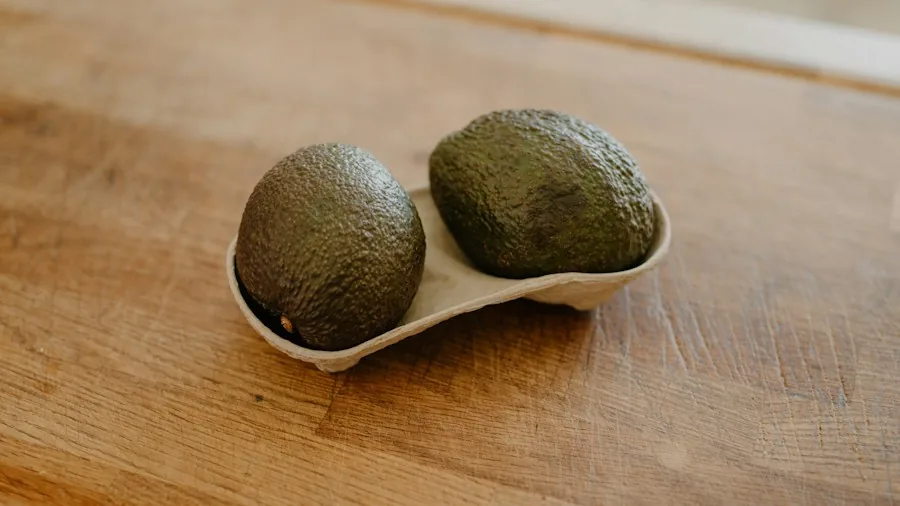
A whole avocado pit will sit unchanged in your compost for years. But grate a fresh, moist pit into fine shavings and you unlock concentrated potassium, nitrogen, and essential fatty acids. These shavings break down in 60 to 90 days, releasing nutrients perfectly timed for spring perennials. Use a heavy-duty box grater immediately after cutting the avocado, before the pit has time to dry out.
Fish Bones and Seafood Scraps
Fish heads, frames, and skins rank among the richest nitrogen sources any home compost heap can receive. Soft tissues break down rapidly to feed nitrogen-hungry microbes, while calcium-dense fish bones function as slow-release bone meal. Bury these scraps at least 12 to 15 inches deep in the pile’s center and cap with a foot of shredded leaves or straw to contain odor. Quality gardening gloves make handling raw fish scraps more pleasant and hygienic.
Citrus Peels and Pomegranate Husks
Despite their reputation, moderate amounts of citrus rinds and thick pomegranate husks are safe for outdoor compost piles. They’re packed with polyphenols, potassium, and trace minerals. Chop them into one-inch pieces and bury them toward the center of your heap. A compost accelerator sprinkled over the pile speeds breakdown of these tougher rinds during cool months.
Additional Soil Boosters to Add Now
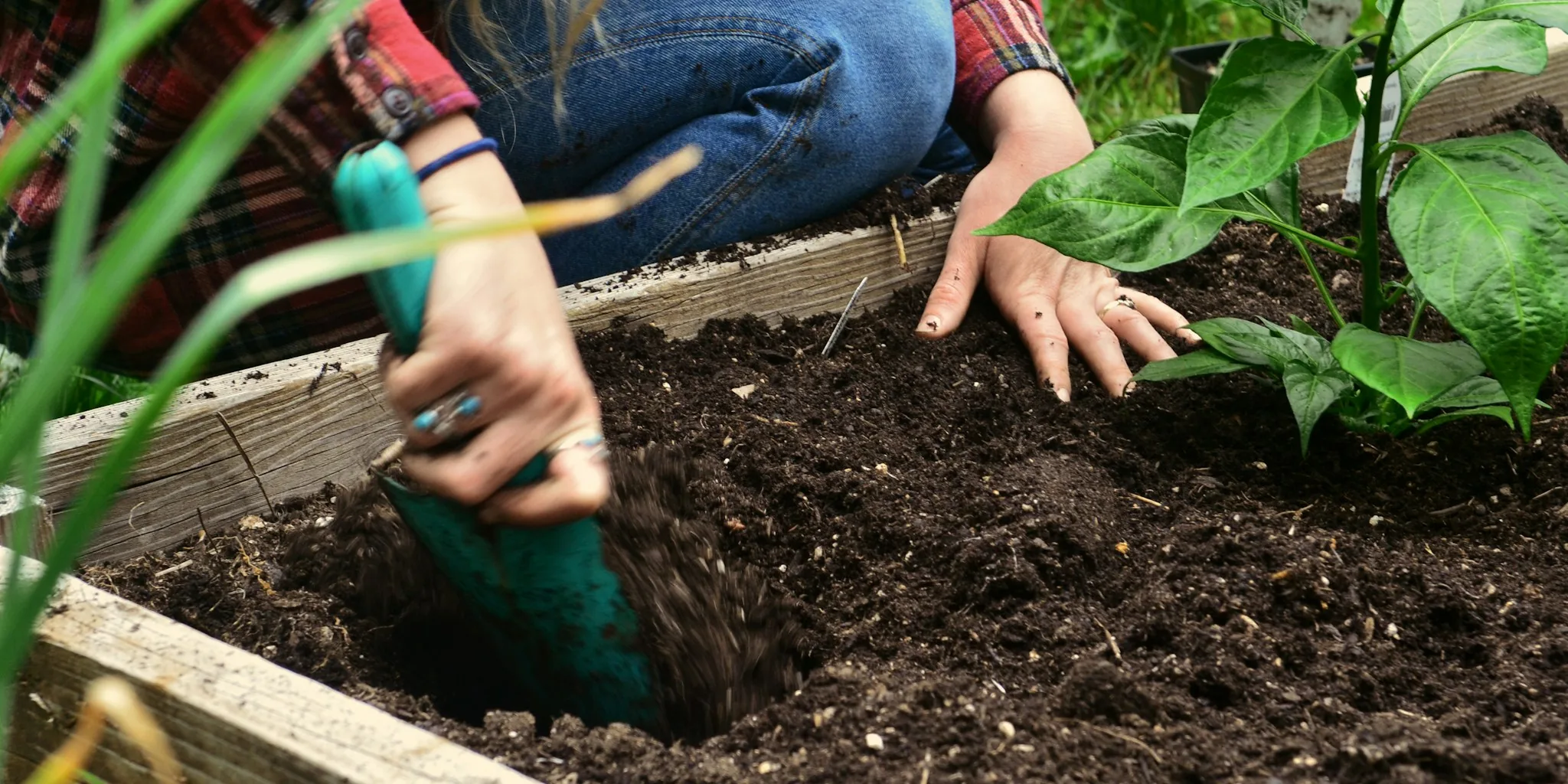
Beyond food scraps, fall is the time to introduce seaweed and kelp products, which contain over 60 trace minerals and natural growth hormones. Mushroom compost is another excellent fall addition for priming tired autumn beds. Raised garden beds benefit tremendously from fresh compost and these mineral-rich amendments.
Winterizing Your Compost Pile
Once your food scraps and carbon are layered in, protect the pile from harsh winter winds. A thick 12-inch cap of loose straw, hay, or dry leaves acts as a thermal blanket, trapping internal heat and moisture. Turning matters less now than during warmer months. A well-maintained pile can sit undisturbed until March, when spring bed preparation begins.
By taking advantage of fall’s ideal composting window and these six surprising kitchen scraps, you’ll transform what would have been trash into black gold for your garden. Spring planting season will arrive with richer, more nourishing soil ready to support a year of thriving plants and vegetables.




Write Your Review
No reviews yet. Be the first to share your experience!