

Autumn garden maintenance feels like a necessary ritual, but many gardeners unwittingly damage their landscapes while tidying up. What looks like diligent fall cleanup often translates to disappointing results come spring. The key is understanding which tasks harm your garden and which ones actually protect it for the growing season ahead.
1. Pruning Spring Flowering Shrubs at the Wrong Time
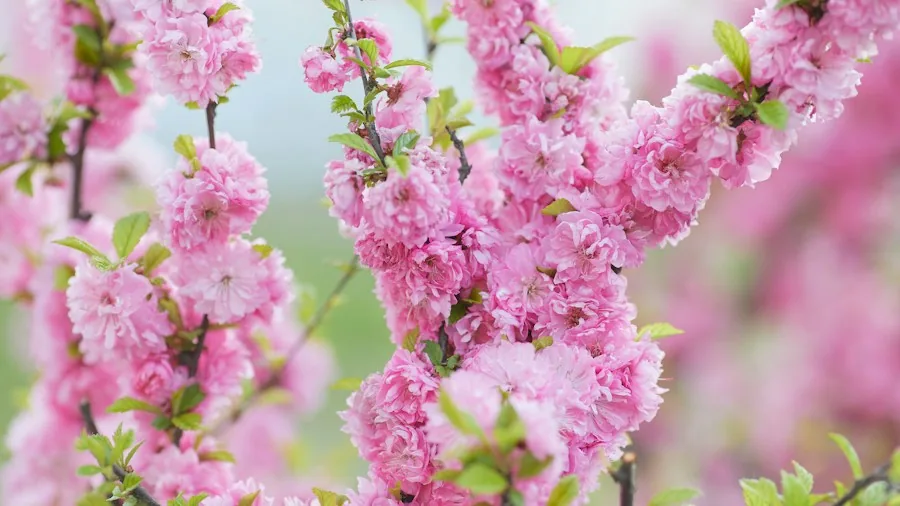
Spring blooming plants like azaleas, lilacs, forsythia, and magnolias develop their flower buds on old wood during fall and winter. When you prune these shrubs aggressively in autumn, you remove the very buds that would create next year’s floral display. The plant survives and produces healthy foliage, but you lose almost all the blossoms you were anticipating.
The solution is simple: prune spring flowering shrubs immediately after they finish blooming in spring, not in fall. This gives them the entire growing season to develop new buds for the following year. When you do prune, invest in quality garden pruners that make clean cuts on woody stems, which helps the plant heal properly.
2. Cutting Back Bulb Foliage Too Early
Summer blooming bulbs, corms, and rhizomes like lilies, gladiolus, cannas, and crocosmia rely on their green leaves to manufacture and store energy for next year’s flowering cycle. Removing this foliage too early in fall deprives the bulb of essential nutrients, resulting in fewer or no flowers the following year.
Leave the foliage intact while it remains green and healthy. Only cut it back once it naturally yellows and dies. For tender plants like dahlias, wait until the first frost darkens their leaves before cutting back stems and lifting tubers for winter storage. Store bulbs and tubers in a cool, frost free location with good air circulation to prevent rot.
3. Removing Seed Heads and Hollow Stems
A completely bare, cleaned out garden bed might look tidy, but it eliminates critical food and shelter for wildlife. Many perennials produce seed heads that birds depend on through winter, while hollow stems and dead foliage provide overwintering shelter for beneficial insects like native bees.
Leave plants like coneflowers, black eyed Susans, asters, and ornamental grasses standing through the cold months. These seed heads feed finches and other backyard birds. The standing stems also offer nesting sites for native bees in spring, particularly if you cut them to a height of 8 to 24 inches. Save the full cleanup for spring instead, and leave fallen leaves in garden beds as shelter for butterflies and beneficial insects, though you should still remove diseased foliage.
4. Aggressive Digging and Tilling
Heavy fall cultivation destroys soil structure that took time to develop. Aggressive digging disrupts the habitats of earthworms and beneficial microbes, and damages the delicate fungal networks that nourish plant roots. Excessive tilling also brings dormant weed seeds to the surface where they germinate, filling your beds with unwanted growth.
Instead, adopt gentler soil improvement methods. Layer compost or straw directly on top of the soil and let earthworms incorporate it naturally as they feed. You can also use a garden fork to loosen soil without turning it over: push it straight down and wiggle it gently. These approaches maintain soil health without the downsides of tilling.
5. Piling Mulch Against Plant Crowns
Excess mulch smothering plant crowns blocks sunlight, traps moisture, and prevents oxygen from reaching roots, creating perfect conditions for stem rot, fungal diseases, and plant death. Many gardeners apply mulch generously with good intentions, but create more harm than benefit.
Apply no more than 2 inches of mulch around plants, and keep it at least 3 inches away from plant crowns and tree trunks. This protects the soil while allowing air circulation. A small hand rake lets you redistribute mulch that has accumulated too close to stems without disturbing the plants themselves.
6. Leaving Diseased Foliage in Place
While healthy leaf litter does decompose and provides nutrients, diseased foliage creates a reservoir for bacteria, pests, and fungal spores. Rain and wind splash these pathogens onto healthy new growth, perpetuating problems like powdery mildew and black spot through the next growing season.
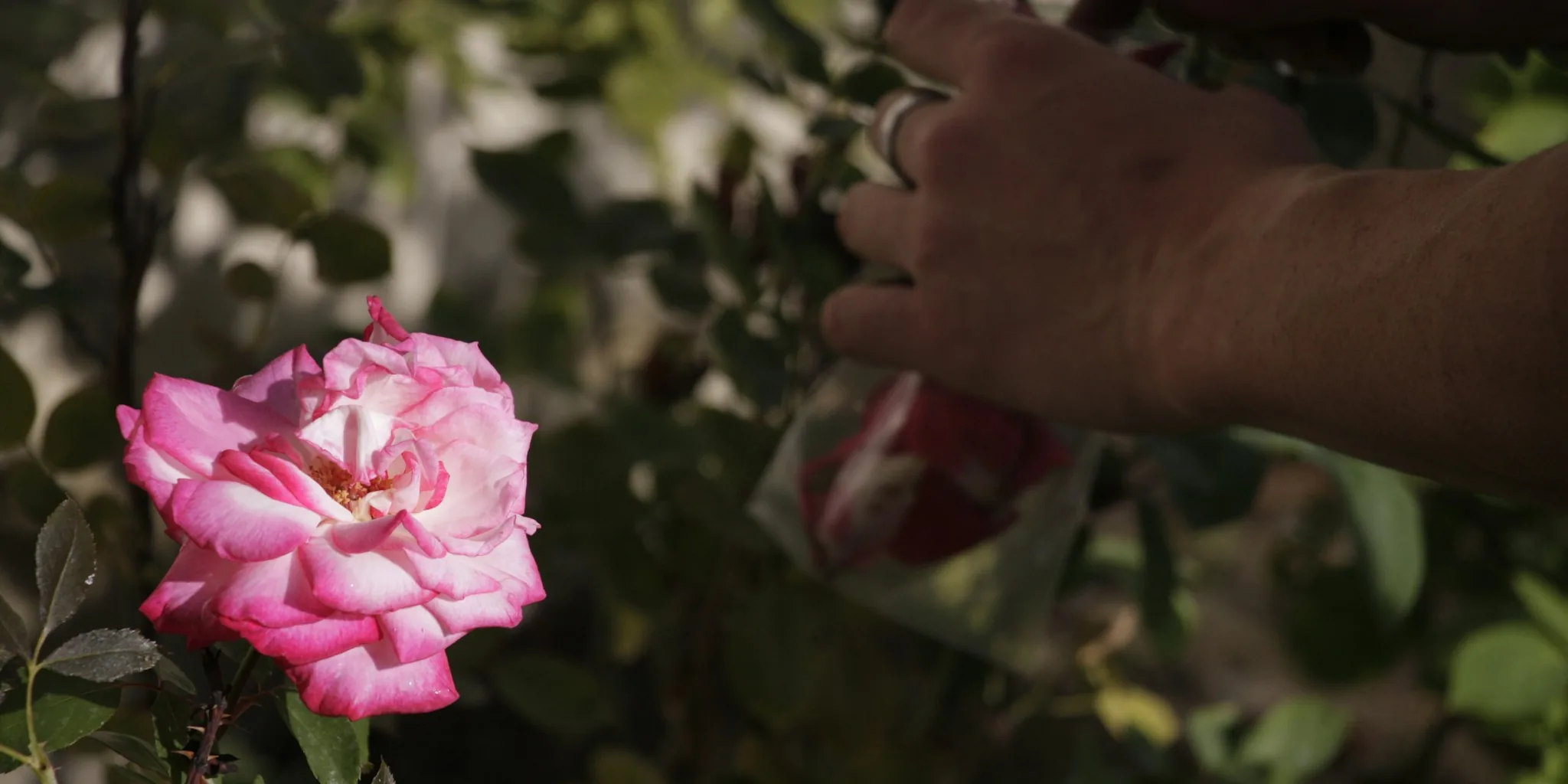
Clear fallen foliage from vulnerable plants like roses in fall, but dispose of it properly. Never add diseased leaves to your compost pile. Instead, bag them and place them in the garbage. Replace it with clean mulch to protect the soil and prevent disease transmission.
7. Forgetting to Protect Tender Plants Before Frost

Frost sensitive plants like dahlias, fuchsias, and tuberous begonias need protection before winter arrives. A single hard freeze can destroy next year’s flowering potential if you haven’t taken precautions.
Move containers to sheltered locations or use frost cloth to shield plants from freezing temperatures. If you use plastic covers, keep them from touching foliage and remove them when temperatures rise to prevent overheating. Don’t rush to prune frost damaged growth, as the damaged foliage can temporarily protect the stems and crown underneath.
The Best Approach to Fall Garden Cleanup
The golden rule for autumn garden work is selectivity. A completely stripped bare bed might look neat, but it’s short sighted for your garden’s long term health. Hold back before letting fall tidying impulses run wild. Leave some seed heads and standing stems in place. They make your winter landscape more visually interesting while providing essential food for birds and shelter for beneficial insects. This approach creates an eco friendlier garden that supports local wildlife while setting yourself up for a spectacular spring display.



Write Your Review
No reviews yet. Be the first to share your experience!