
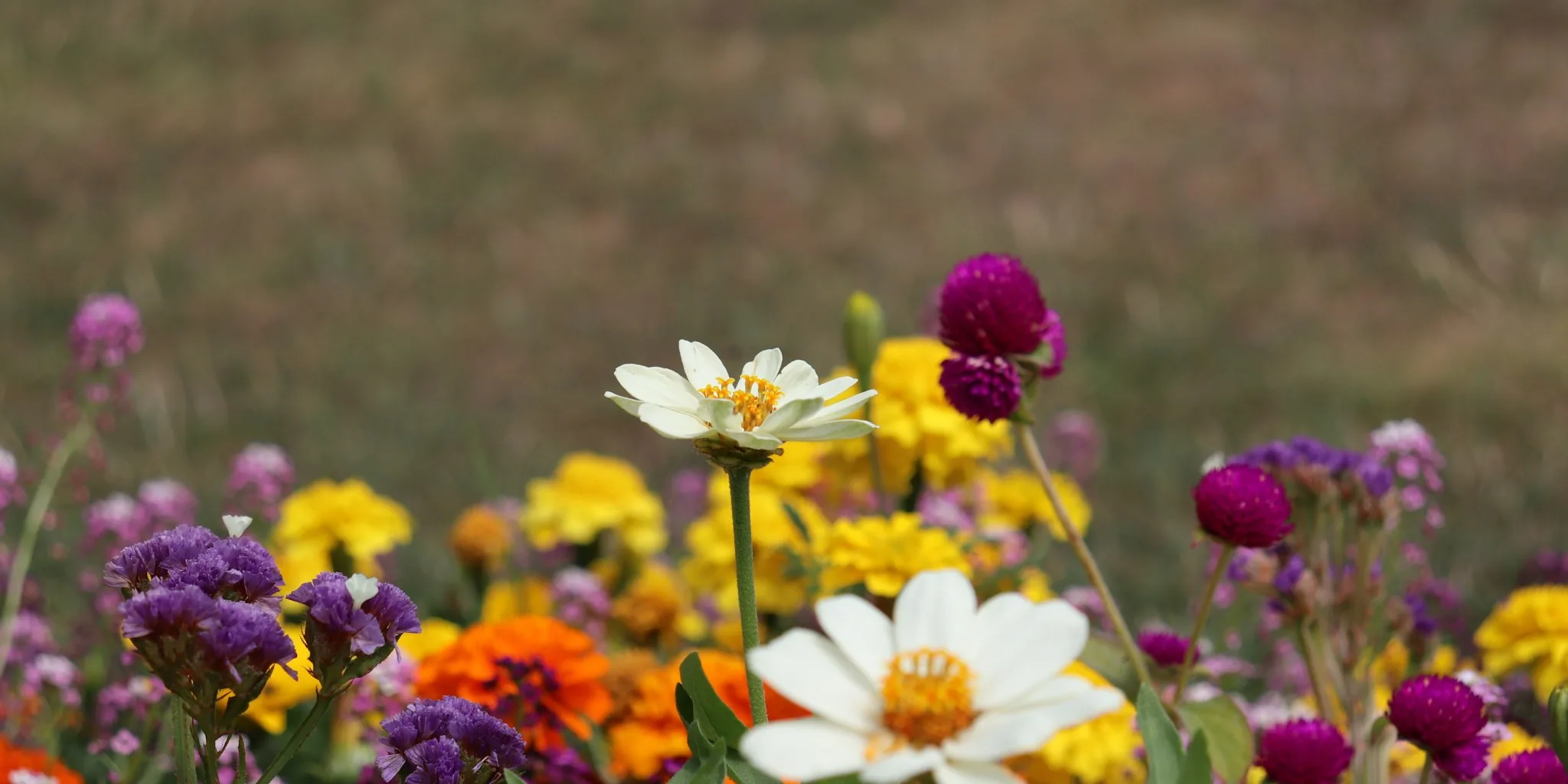

As August approaches, many gardeners watch their flowering plants fade and lose color as heat and dry conditions take their toll. But not all plants give up when summer stress hits. A select group of resilient perennials continue to deliver vibrant blooms straight through September and into October, requiring minimal fussing from you along the way. Understanding which plants thrive in late-season conditions can transform your garden’s fall appearance while also supporting pollinators preparing for migration.
Why Late Season Bloomers Matter for Your Garden
When plants face drought or heat stress, one of their first survival responses is to reduce nectar production, making flowers less attractive to bees and butterflies. By choosing resilient varieties that handle summer stress well, you provide not just color, but nectar-rich flowers when pollinators need them most. Additionally, as food grows scarce in late summer, deer and rabbits become more likely to nibble garden plants they normally avoid. Fortunately, the plants discussed here naturally repel herbivores, keeping your blooms safe through the season.
Seven Standout Plants for Late-Season Color
Sneezeweed: Fiery Fall Drama
Sneezeweed (Helenium autumnale) peaks in August and continues strong through the first frost in zones 4 through 9. Its bright red, orange, and yellow flowers create instant drama as other perennials fade. The Salud series offers compact varieties that reach only 16 inches tall, requiring no staking, and demonstrate exceptional heat and drought tolerance. Both Salud Yellow and Salud Embers are widely available and completely ignored by deer and rabbits.
Woodland Sage: Extended Bloom Time
Salvia nemorosa produces successive flushes of flowers when you remove spent blooms, with individual flower spires opening from bottom to top over several weeks. Starting in May and continuing through September with deadheading, this plant proves invaluable in zones 4 through 9. The Marvel series offers particularly large flowers that maintain vivid color throughout the season. These aromatic plants naturally repel deer and rabbits while attracting pollinators.
Russian Sage: Sky Blue Through Fall
Russian sage (Salvia yangii) delivers beautiful blue flowers long after other bloomers have stopped. Modern cultivars like Denim ‘n Lace and Blue Jean Baby feature improved branching habits that prevent the flopping common in older varieties. Growing 2 to 3 feet tall in zones 4 through 9, these plants bloom continuously from summer into fall with zero maintenance demands.
Sedum Autumn Joy: Changing Colors
This succulent shows indifference to drought, producing dense bud clusters that open just as other perennials wind down. The flowers begin pale pink, deepen to rosy pink, and eventually transform into rich copper tones. Thriving in sun or partial shade in zones 4 through 9, this plant also provides substantial landing pads for large pollinators.
New England Aster: Monarch Fuel
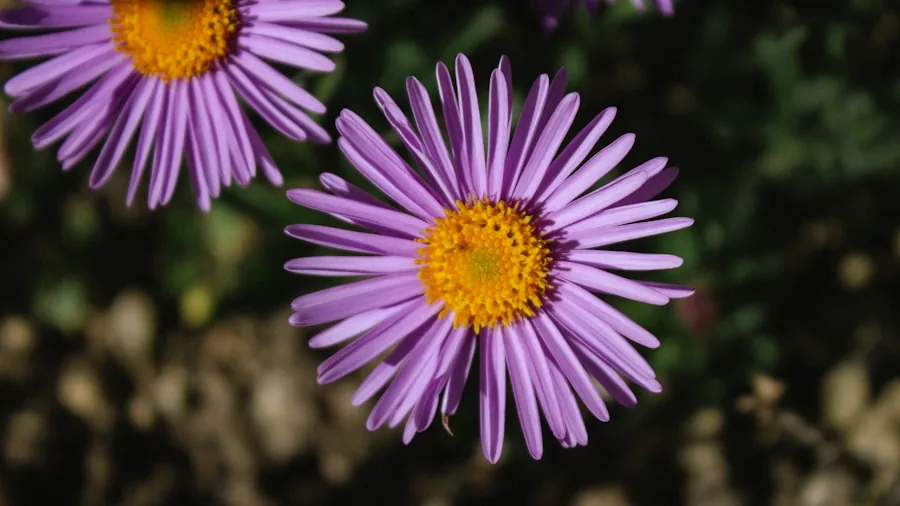
New England aster provides vital nectar for migrating monarch butterflies while offering gardeners abundant daisy-like flowers from August through the first hard frost. The Grape Crush variety naturally forms a self-supporting mound 2 to 3 feet high and wide, eliminating concerns about flop during stormy fall weather. Its dark purple petals against golden centers deliver months of visual impact in zones 3 through 8.
Black-Eyed Susan: Disease-Resistant Classics
Modern black-eyed Susan cultivars have been bred for disease resistance, continuing to bloom for months when older varieties might succumb to leaf spot or powdery mildew. American Gold Rush reaches just one foot tall and one to two feet wide in zones 3 through 8, while Little Goldstar grows slightly taller at 16 inches with exceptional flower density. Both bloom continuously from August through October. When caring for these plants, quality garden pruners help remove spent flowers efficiently, extending bloom time throughout the season.
Japanese Anemones: Container Champions
Japanese anemones spread vigorously through underground rhizomes, making them better suited to large containers than open beds. Modern sterile hybrids like Fall in Love Sweetly spread more slowly and won’t self-seed throughout your garden. The semi-double rose-pink blooms appear for months in zones 4 through 8. If you prefer border planting, dwarf varieties like Fantasy Red Riding Hood offer more restrained growth habits suitable for zones 5 through 9.
Planting and Care Considerations
All seven of these late-season heroes are dependable perennials that return year after year without requiring fertilizer beyond a spring mulch application. Their resilient nature makes them suitable across a wide range of growing zones. Proper watering tools ensure these plants receive adequate moisture during establishment, though most eventually handle dry conditions once established. For gardeners with limited space, many varieties thrive equally well in raised beds as in traditional borders, offering flexibility in garden design.
Choosing even just two or three of these varieties guarantees continuous flower production when your garden would otherwise look bare. Their nectar-rich blooms benefit migrating pollinators while their unpalatable foliage and flowers naturally resist deer and rabbit damage. By selecting late-season bloomers, you extend your garden’s visual appeal and ecological value well into autumn.



Write Your Review
No reviews yet. Be the first to share your experience!