
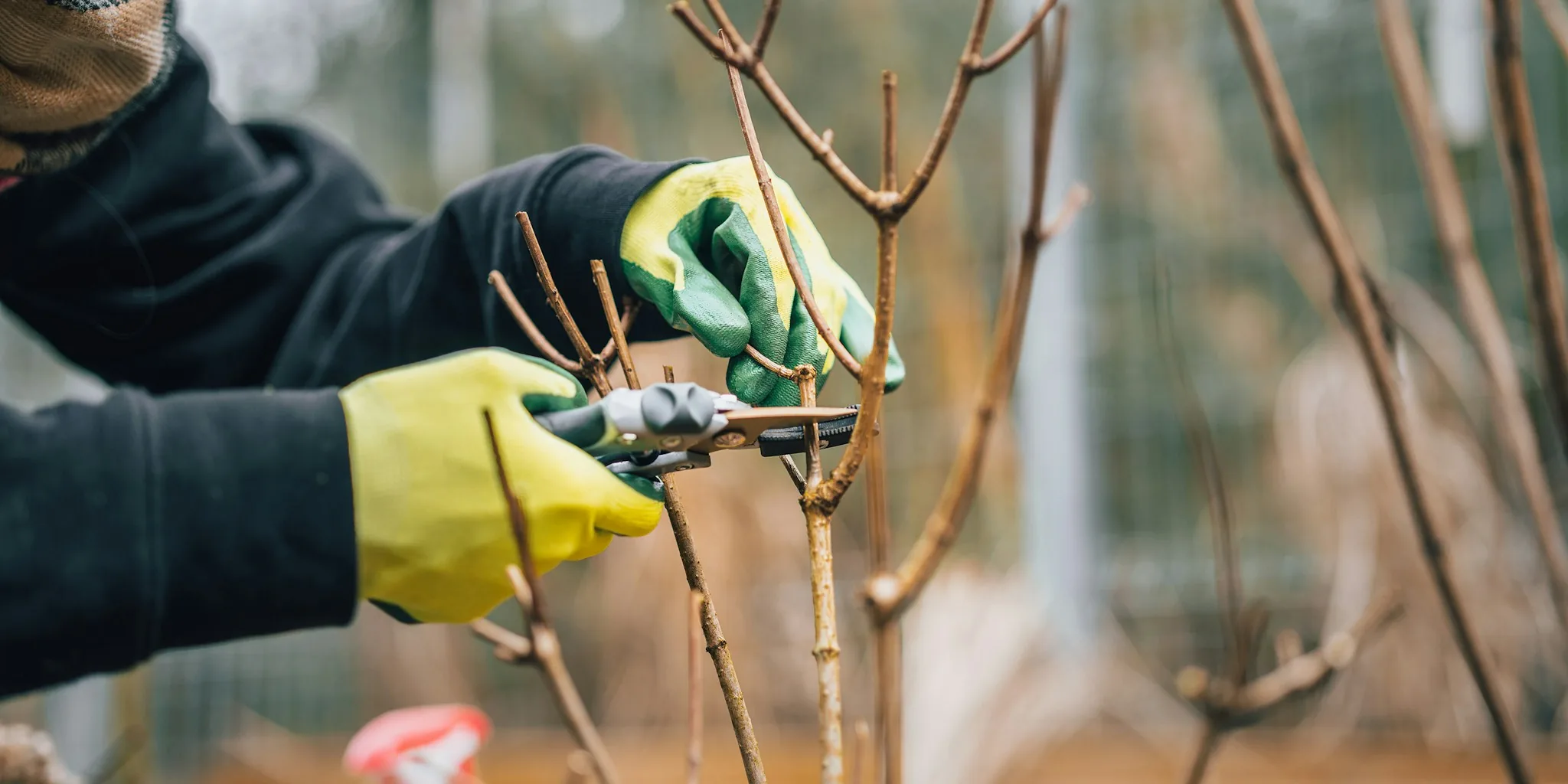

As November arrives, many gardeners assume the outdoor season has wound down. But there’s a critical task remaining before winter fully settles in: pruning. Certain plants actually thrive with a pre-winter trim, while others are better left untouched until spring. Understanding which plants fall into which category can make the difference between a healthy garden next year and one struggling with disease or poor growth.
The key to successful fall pruning is timing and technique. Start with quality, sharp tools that make clean cuts and won’t crush plant tissue. Keep pruning shears disinfected between plants to prevent spreading disease from one specimen to another. Always remove any branches that show signs of damage, disease, or death, regardless of your overall pruning strategy.
Plants to Prune Now in November
Peonies are especially vulnerable to fungal infections over winter. Their deciduous leaves, if left in place after turning yellow or brown, can harbor fungal spores that return in spring. Once the foliage dies back, cut it away completely but stop a couple inches above the crown to avoid damaging the plant’s base.
Hostas similarly benefit from fall cleanup. Removing the spent foliage tidies up garden beds, simplifies spring maintenance, and eliminates hiding spots where pests and diseases overwinter. Wait until the leaves have fully died back before cutting them to the base.
Bearded irises and daylilies present a different timing challenge. Many gardeners mistakenly cut these back right after they finish flowering, but that’s premature. The green leaves continue gathering energy for next year’s blooms. Keep healthy foliage intact through fall, and trim them back to four to six inches in November when the leaves begin dying back.
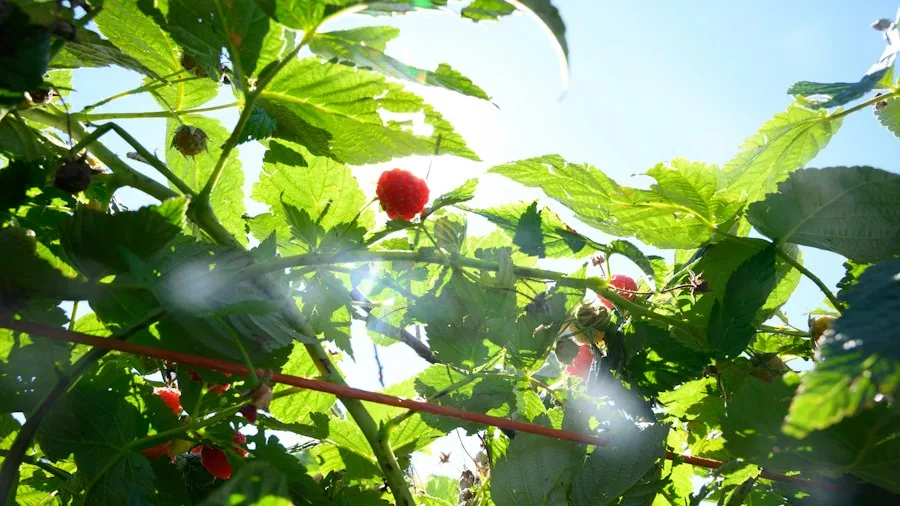
Summer-fruiting raspberries need selective pruning. After harvest, the older two-year-old canes that produced fruit this season should be cut to the ground, as they drain energy the plant needs for new growth. Leave the newer, greener canes untouched; these require protection from winter wind, so tie them to a support like a fence.
Grapevines require regular pruning for shape, structure, and fruit production. Timing is crucial: prune when vines are truly dormant but before hard freezes make the wood too brittle for clean cuts. Remove dead or poorly positioned canes, preserve young healthy wood, and maintain the main trunk and arms.
Cold-hardy lavender, such as English lavender, benefits from a late fall trim to maintain shape and health. Excess material on the plants can accumulate heavy snow and ice that damages the crowns. Trim these back by about one-third before severe freezing weather arrives.
What Not to Prune in November
Equally important is knowing which plants to leave alone. Spring-blooming shrubs like forsythia and lilac have already formed their flower buds for next year on current growth. Pruning them now eliminates those buds; wait until immediately after they flower in late spring or early summer.
Bigleaf and oakleaf hydrangeas produce flowers on old wood, so fall pruning destroys next year’s blooms. Smooth and panicle hydrangeas, which flower on new wood, can be trimmed in November if dormant, but the tender types should wait. Roses also require careful timing and are best pruned in late winter or early spring when they emerge from dormancy. Hard fall pruning exposes them to winter damage; limit yourself to removing dead or damaged material now.
Essential November Pruning Techniques
When cutting back perennials, always make clean cuts and avoid slicing into the crown, which can expose the plant to rot and disease. Leave a couple inches of stem above the crown as a buffer. When trimming deciduous shrubs, prune interior cuts to open up the plant structure and allow sunlight to reach the center, which stimulates healthy new growth in spring.
If you’re removing diseased plant material, dispose of it in the trash rather than your compost pile, since some pathogens survive composting. Always ensure your pruning tools are clean and sharp; dull tools crush tissue instead of making clean cuts, inviting infection.
The exact timing for November pruning varies by climate and local weather patterns. Gardeners in warmer regions may need to wait until December, while those in colder zones can begin in early November. The goal is to finish before the worst winter weather arrives but after plants have entered dormancy. Know your specific plant varieties and their individual requirements before beginning any pruning project. Taking time now to prune strategically sets your garden up for robust growth and abundant blooms next season.





Write Your Review
No reviews yet. Be the first to share your experience!