


Finding the right vacuum can feel overwhelming with so many options available today. Whether you live in a small apartment or a sprawling house, have pets, or just want to make cleaning easier, the vacuum you choose matters far more than most people realize. Let’s explore practical strategies to help you select a cleaner that actually fits your needs and will serve you well for years to come.
1. Assess Your Home Size and Layout
One of the first things to consider is the actual square footage you need to cover. If you have a small one or two bedroom home, a compact or lightweight option might work fine. However, larger homes demand something different. A cordless vacuum that runs for 40 minutes might struggle to complete a full deep clean of a multi-bedroom house without needing a recharge break. When you factor in stairs, hallways, and furniture, that runtime shrinks quickly. A corded model with an extended reach eliminates this concern entirely, giving you uninterrupted cleaning power throughout your entire home.
2. Think About Pet Hair and Debris Types
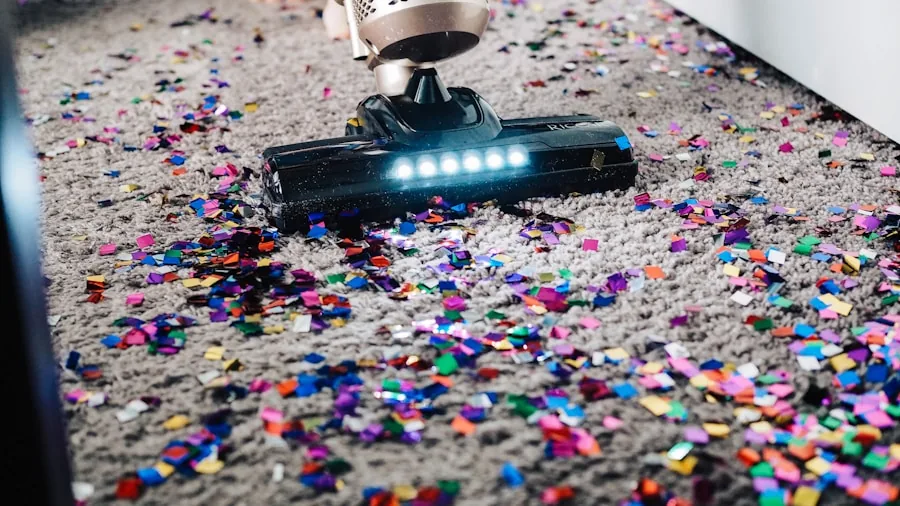
Pet owners face unique challenges that require a different approach than regular household cleaning. A vacuum with lower suction power will leave embedded pet hair trapped in carpets and furniture, requiring multiple passes. Look for models specifically designed to handle pet hair, which typically offer significantly higher suction power measured in Air Watts. The difference between 150 Air Watts and 1,200 Air Watts is dramatic when you’re dealing with stubborn fur on both carpets and hard floors. Additional attachments designed for pet cleanup, including turbo brushes that work on multiple surface types, make the job considerably easier.
3. Compare Long-Term Durability Over Convenience
Cordless vacuums have become trendy, but convenience comes with a tradeoff. Lithium-ion batteries used in cordless models degrade noticeably over five years of regular use, meaning your vacuum’s performance will decline even if the machine itself still functions. Corded models with quality motors built to last can easily serve reliably for 20 years or more without battery degradation. When you do the math on replacement costs and longevity, a well-made corded unit often represents better long-term value, especially if you need serious cleaning power.
4. Evaluate Comfort and Ergonomics
You’ll be holding and maneuvering your vacuum regularly, so comfort matters more than you might think. A cordless design places all the weight in your hand and wrist, which can lead to fatigue during extended cleaning sessions, especially on stairs. Corded models distribute weight differently, with most of the load remaining on the floor as you push and guide. An extended cord with a good operating radius means you won’t constantly unplug and replug to reach different rooms, reducing interruptions and frustration. Look for designs with good handle ergonomics and consider how long you can comfortably use the machine without hand strain.
5. Check Multiple Suction Levels and Attachment Options
Not every cleaning task requires maximum power. The best vacuum cleaners for different needs offer multiple suction settings you can adjust easily, allowing you to fine-tune performance for various surfaces. A model with four adjustable suction levels gives you flexibility to clean delicate rugs gently or tackle deep carpet and upholstery aggressively. Quality attachments make a real difference too, especially for vehicles and small spaces. Models that store attachments conveniently on the machine itself, rather than requiring separate storage, encourage you to use them and keep your whole space clean.
6. Don’t Overlook Bagged vs. Bagless Systems
Bagged vacuums might seem outdated, but they offer distinct advantages. Bags contain dust and debris completely, preventing the fine particles from being redistributed into your air when you empty them. They’re also simpler to maintain with fewer mechanical parts to break or clog. If you or family members have allergies or respiratory sensitivity, a bagged system is worth serious consideration. Upright vacuum options come in both styles, so you can find one that suits your preference.
7. Calculate Real-World Performance vs. Marketing Claims
Manufacturers often highlight maximum runtime or peak suction, but real-world performance differs significantly. A cordless vacuum rated for 60 minutes might only last seven minutes at maximum power mode, which is what you’ll actually need for serious pet hair removal. Similarly, suction measurements matter far less than actual cleaning results on the surfaces you use daily. Read user feedback from people with situations similar to yours, pet owners, allergy sufferers, or those with large homes. Their experiences reveal what actually happens during regular use, not just theoretical maximums.
Choosing the right vacuum means balancing power, durability, comfort, and practicality. Take time to honestly assess your home’s needs, and you’ll end up with a machine you genuinely enjoy using for years to come.





Write Your Review
No reviews yet. Be the first to share your experience!