
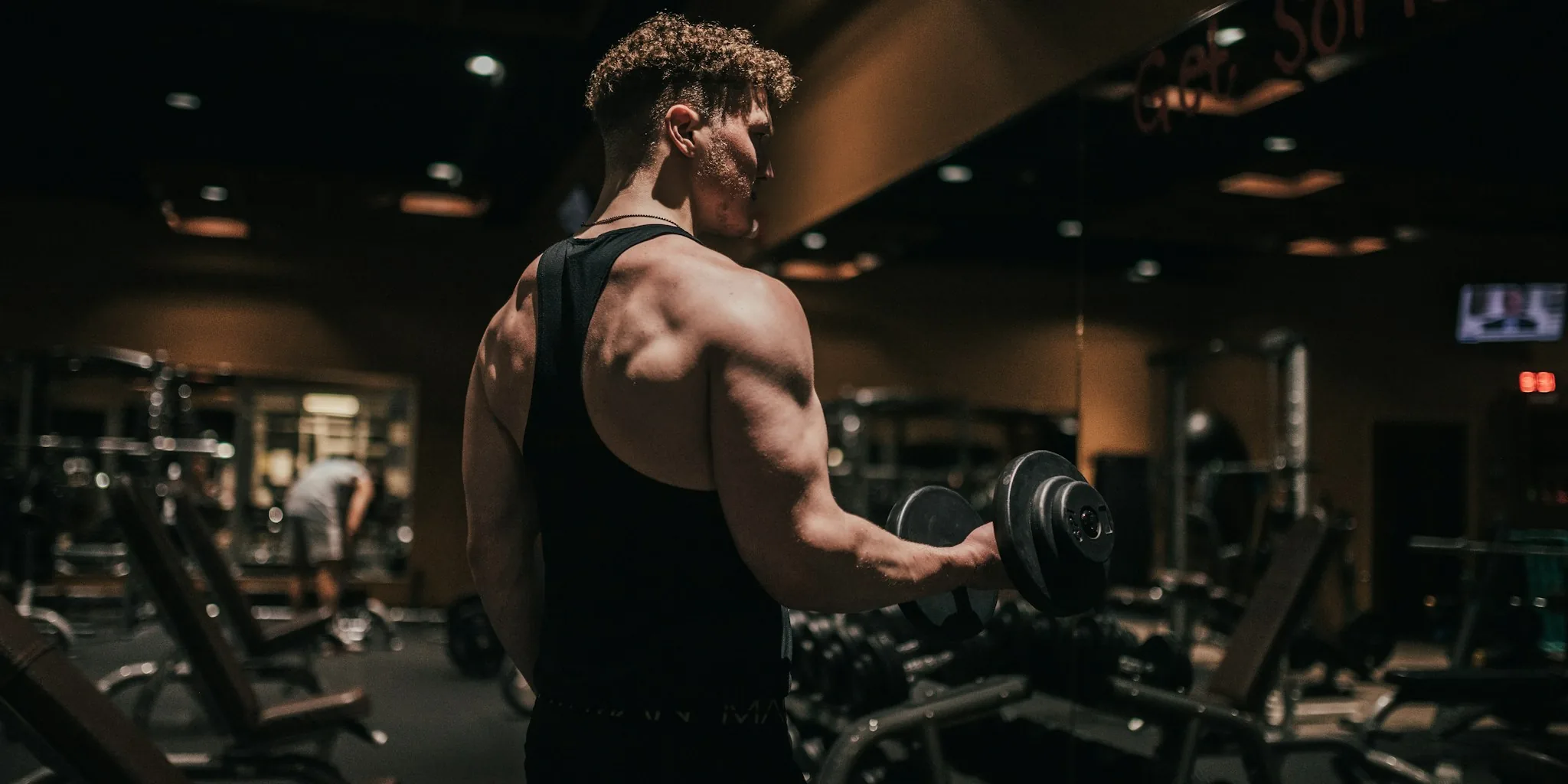

The dumbbell incline bench press is a game-changer for anyone looking to build a stronger, more defined upper chest. Unlike the flat bench press, which targets your chest evenly, the incline variation shifts the emphasis to the clavicular head of your chest, the upper portion that contributes to a fuller-looking physique and improved pressing strength overall. If you want to maximize your results and avoid common mistakes that put your shoulders at risk, follow these evidence-based tips to master the movement.
1. Set Your Bench to the Right Angle
Your bench angle determines which muscle fibers you target during this workout. A bench set between 45 and 60 degrees is ideal for hitting the upper chest effectively. Too shallow and you’ll lose the angle advantage; too steep and you shift the load away from your chest toward your shoulders. Before you load any weight, adjust your bench to this range and test the position with just your bodyweight to ensure it feels stable and comfortable.
2. Keep Your Core Tight Throughout Every Rep

One of the biggest mistakes people make during incline pressing is arching their back excessively. This bad habit closes the angle between your upper arms and torso, defeating the entire purpose of the incline setup and reducing the range of motion for the actual press. Instead, squeeze your abs hard, glue your glutes to the bench, and maintain a neutral spine throughout each set. Drive your feet into the floor and press your shoulders firmly into the backrest to create a solid, immobile foundation.
3. Position Your Forearms Correctly for Maximum Chest Activation
Your forearm position directly influences which muscles do the work. Many lifters make the mistake of pressing slightly forward instead of straight upward, which shifts tension away from your chest. Set the dumbbells directly above your shoulders, then press them vertically. Turn your elbows slightly inward to open up the angle between your upper arms and torso, which is exactly what you want when performing an incline movement. This small adjustment makes a massive difference in chest activation and safety.
4. Don’t Rush the Lowering Phase
Control matters more than depth when you’re doing this workout. Lower the dumbbells toward your chest as far as your shoulder mobility allows, aiming to get your elbows below your shoulder line at minimum. However, don’t fixate on touching the dumbbells to your chest if your range of motion doesn’t permit it comfortably. Once you’ve proven you can control the bottom position with your elbows below your shoulders, press explosively back up. The strength-building magic happens during the pressing phase, not the stretch phase.
5. Choose Dumbbells Over Barbells for Greater Freedom
Dumbbells offer distinct advantages over barbell variations during this workout. Your hands aren’t fixed to a bar, so they can move in the scapular plane, allowing your shoulders to operate in a more natural, comfortable position. You’ll also enjoy a greater range of motion since each arm moves independently. This freedom lets you incorporate unilateral and alternating variations, which increase time under tension and deliver more muscle-building stimulus per set. For optimal results, invest in quality dumbbells that feel balanced and secure in your hands.
6. Structure Your Chest Day Strategy
Placement matters when it comes to programming this exercise. Use the dumbbell incline press as your second movement on chest day, right after a flat bench pressing variation. This approach allows you to work compound pressing movements while you’re fresh, ensuring you can lift heavy and maintain strict form. Start with 3 to 4 sets of 8 to 10 repetitions per set. This rep range builds both muscle and strength without excessive joint stress. Pair it with the right workout apparel to stay comfortable during longer training sessions.
7. Understand the Muscles You’re Building
While your upper chest is the primary target, this workout involves multiple muscle groups working together. Your triceps assist during the pressing portion, and your front deltoids (shoulders) activate as well. Your shoulder blades also play a stabilizing role. By maintaining strict form and keeping your focus on pressing rather than stretching, you’ll ensure your upper chest does the majority of the work while the accessory muscles provide support. Over time, this balanced muscular development translates to better pressing strength and improved shoulder health.
The dumbbell incline bench press might seem like a simple movement, but the details matter tremendously. Small adjustments to your setup, angle, and form unlock major improvements in both muscle growth and strength gains. Whether you’re training at home or in a commercial gym, mastering this compound lift deserves time and attention. Pair this workout with supportive footwear and proper recovery practices, and you’ll build an impressive upper chest while maintaining healthy, resilient shoulders for years to come.



Write Your Review
No reviews yet. Be the first to share your experience!