
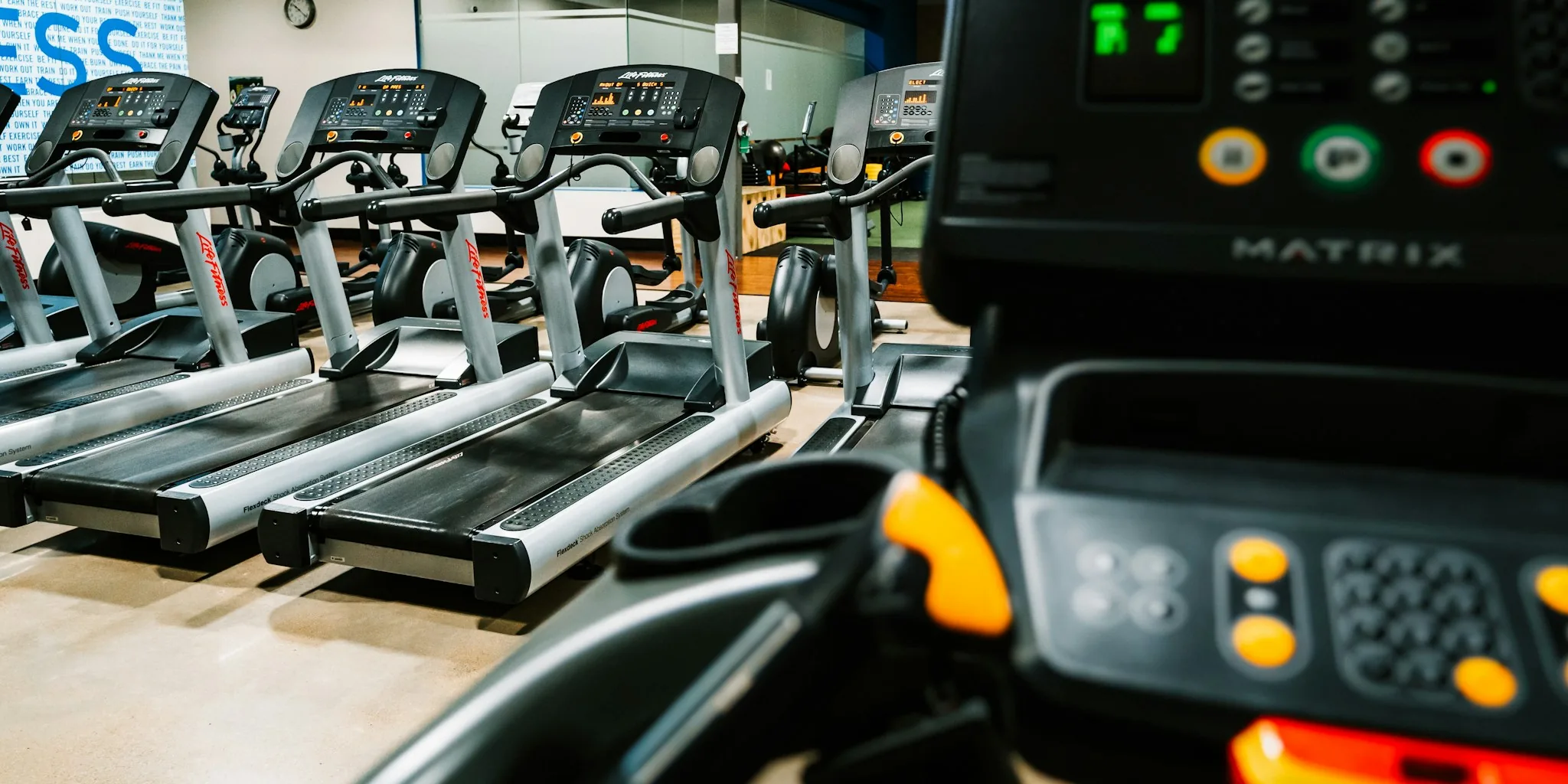

Running indoors on a treadmill often feels harder than it should be, even when it’s technically easier on your body. Your stride shortens, your muscles engage differently, and the mental monotony can drain your motivation fast. If you’ve been struggling with treadmill workouts, understand that these challenges are real and fixable. Here are seven practical strategies to help you adapt and perform better when training indoors.
1. Release Your Grip on Pace
The biggest mistake runners make is trying to match their outdoor pace indoors. Stop comparing your treadmill speed to your outdoor times. Instead, focus on time and rate of perceived exertion (RPE). Think about the spirit of the workout rather than the numbers on the display. If your outdoor run targets a certain heart rate zone, hit that zone on the treadmill even if the speed reads slower. Your body is working just as hard.
2. Add Incline Variation to Combat Boredom

A completely flat treadmill surface strips away the natural terrain changes your body craves outdoors. Every 10 minutes, bump your incline up by 1 to 4 percent for 30 seconds to a few minutes. This variation breaks the mental monotony and activates different muscles. Even this small change can keep your brain engaged and make the workout feel less repetitive.
3. Adjust Your Stride and Positioning
Most runners unconsciously stand too close to the front of the belt, limiting their stride length. Move toward the center and give yourself room to extend your legs naturally. Your form will feel more similar to outdoor running, and you’ll recruit your hamstrings and glutes more effectively instead of relying solely on your hip flexors and quads. Better form translates to a workout that feels more controlled.
4. Invest in a Longer Warm-Up
Your body needs extra time to adjust to the sensation of a moving belt beneath your feet. Plan for 10 to 15 minutes of easy running before diving into your main workout. This adjustment period allows your proprioception to settle and your nervous system to relax. You’re less likely to feel like you’re about to fall off, and your effort will feel more natural.
5. Modify Speed Work with Incline
High-speed intervals on a treadmill can feel unsafe and exhausting. Instead of cranking the speed to maximum, combine a moderate speed increase with a 1 to 4 percent incline boost. This strategy lets you reach your target heart rate zone (zone 4 or 5) while maintaining better control and form. Master treadmill interval workouts by thinking strategically about incline and speed combinations, which makes high-intensity work safer and more sustainable.
6. Break Up Long Runs Into Segments
Avoid running longer than two hours on a treadmill unless you’re very experienced, as form deterioration becomes noticeable and potentially risky. If you must complete a long run indoors, split it into two sessions: 90 minutes in the morning and 90 minutes in the afternoon. During your run, incorporate walking breaks every mile (15 to 30 seconds) to reset your form and hydrate. Add incline sections and pace variation throughout to keep your body and mind engaged.
7. Know When to Skip and When to Stay Inside

Keep your fitness sharp during winter by understanding when outdoor conditions are unsafe versus merely uncomfortable. Skip outdoor running only when safety is at risk: icy ground, dangerously hot temperatures (above 85 degrees, depending on humidity), severe weather like lightning, or poor air quality (index over 101). Cold rain and mild chill actually make you a stronger runner. However, if you’re training for a race, try to do about 80 percent of your runs outdoors so your muscles prepare for real-world terrain and conditions. Missing one speed workout to stay on the treadmill won’t derail your training.
Special Considerations by Workout Type
Easy runs require no special modifications. Hill workouts translate beautifully to the treadmill with simple incline increases of 1 to 8 percent. Tempo runs (sustained pace efforts) work better on a treadmill than short intervals because you can hold a steady effort more easily. For race training, professional runner treadmill workouts demonstrate how to build real fitness indoors by respecting effort over speed. If you’re not training for a specific event, feel free to play with any combination of incline and speed that keeps you mentally engaged and working in your target effort zone.
Treadmill running is a legitimate training tool, not a lesser alternative to outdoor running. When you understand why it feels different and make strategic adjustments, you can extract serious fitness benefits from your indoor workouts. Give these seven tips a try, and your next treadmill session might actually feel manageable.






Write Your Review
No reviews yet. Be the first to share your experience!