
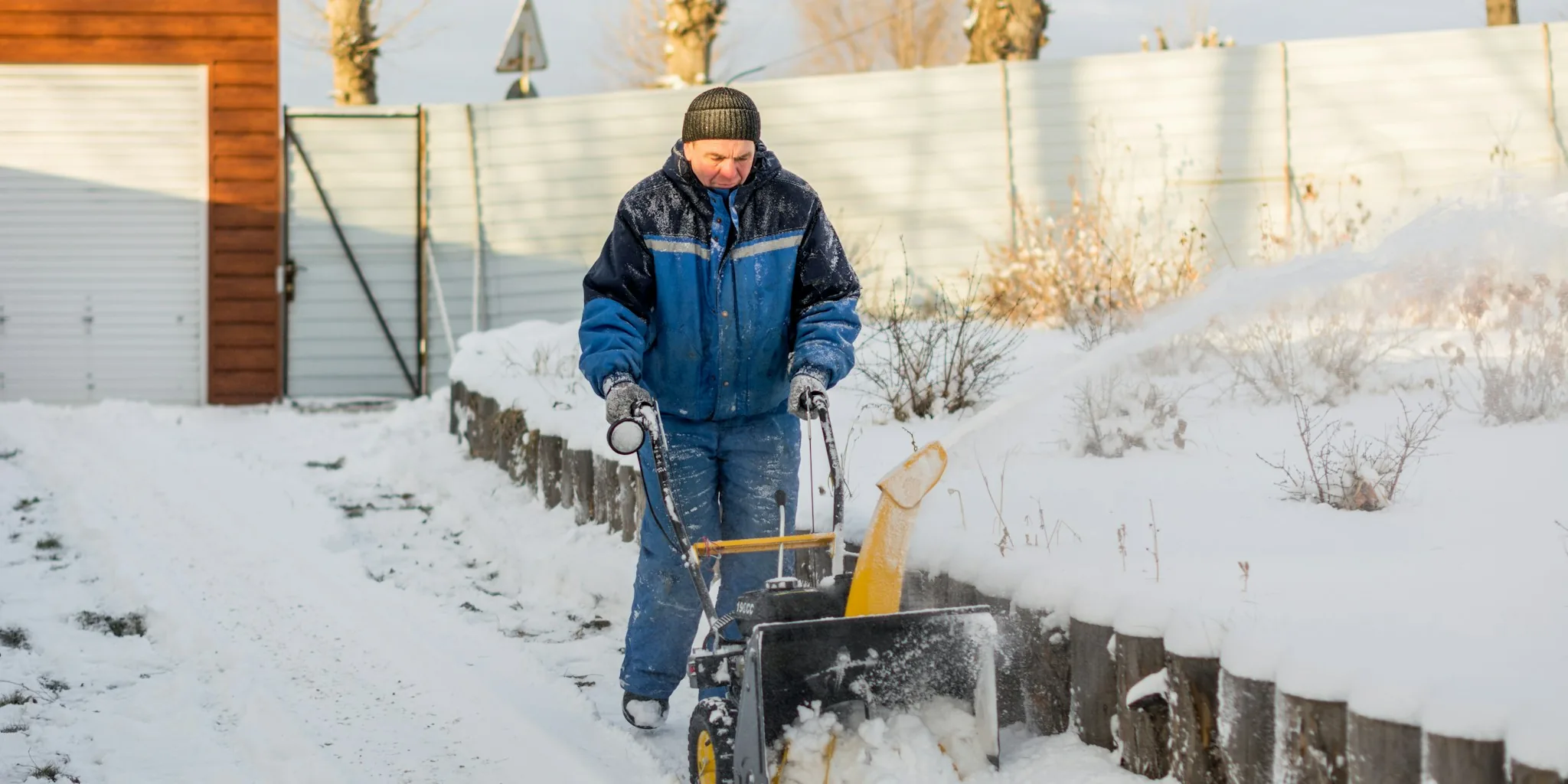

Winter snow removal is essential for safety, but aggressive shoveling can wreak havoc on your lawn, driveway, deck and other outdoor surfaces. The good news: with the right tools and technique, you can clear snow effectively while protecting your property from costly damage. Here are seven practical tips to shovel smarter this season.
Use the Right Shovel for the Job
Your shovel blade matters far more than most homeowners realize. Metal shovels can scratch, gouge and permanently damage concrete, asphalt, sealed pavers and painted surfaces. The fix is straightforward: invest in a poly-blade (plastic) or rubber-edged shovel for all surfaces except unpaved areas. Metal shovels can cause thousands of dollars in damage that only becomes visible when water seeps under the scratches, freezes and causes spalling. A plastic shovel is gentler and prevents this springtime nightmare.
Master the Technique for Gravel Areas
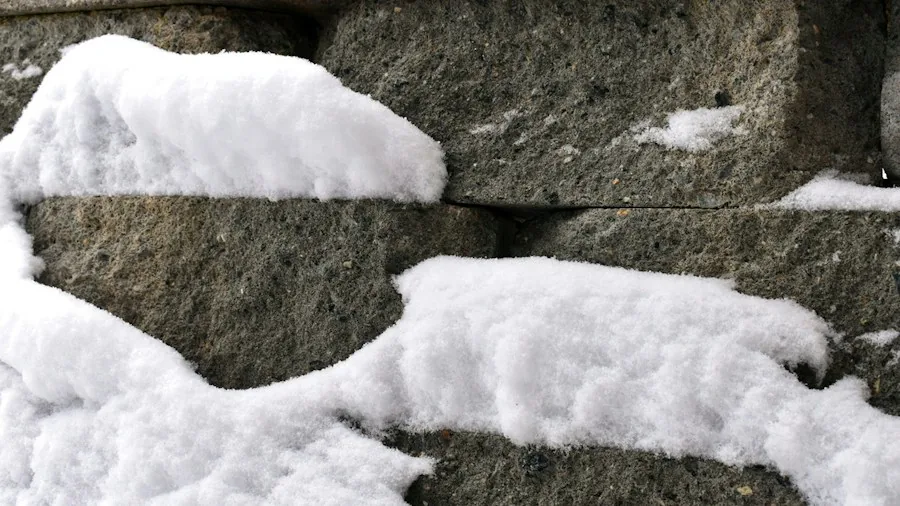
Shoveling gravel presents a unique challenge because metal blades scoop up pebbles along with snow, scattering them across your lawn. Instead, hold your plastic shovel blade about one inch above the gravel surface and work in short passes. You don’t need to expose all the gravel to clear the walkway effectively. Leaving a thin layer of snow to melt naturally saves you from cleaning displaced gravel in spring.
Protect Sealed and Coated Surfaces
Sealed concrete, asphalt and painted driveways have thin protective coatings that steel shovels can chip away like peeling fingernails. For these surfaces, use a poly-blade shovel and push with a slight upward motion rather than aggressive downward strokes. Leave a half-inch of snow behind to let the sun melt it naturally. Additionally, check that any de-icer you use is compatible with your driveway’s particular coating to avoid chemical damage.
Navigate Pavers and Textured Walkways Carefully
Pavers are easily knocked out of place or scratched by careless shoveling. Use a poly-blade shovel with shorter strokes, pushing the snow at a slight angle while slightly raising the leading edge of the blade. Avoid aggressive de-icing and don’t bang your shovel against stubborn ice. After the snow melts, inspect your pavers for any loose bricks that need resetting before spring.
Mark Walkway Edges to Protect Your Lawn
Snow camouflages the boundary between concrete walkways and grass, making it easy to damage your lawn with a misplaced shovel blade. Before winter arrives, place small flags along your walkway edges to mark the transition clearly. As you shovel, keep your blade even with the concrete instead of angling it toward the grass. Work slowly in short passes near the edges rather than forcing the shovel along, and you’ll avoid scalping your lawn. When spring arrives, your grass will thank you. For year-round lawn care, consider tools like lawn edgers for creating clean borders.
Plan Snow Placement Around Landscaping
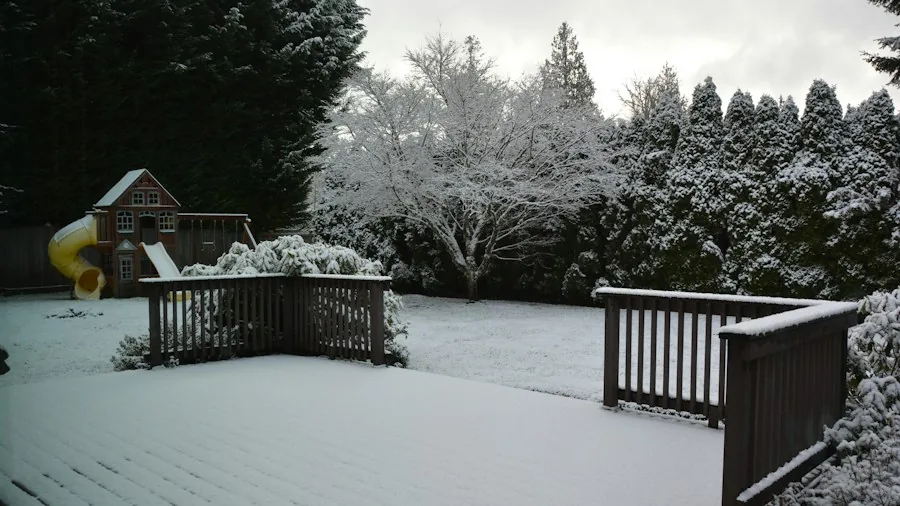
Never pile snow on shrubs and perennials, as the weight can snap branches and kill sensitive plants. Before winter, designate specific areas away from your landscaping where you’ll pile or toss snow. Using a smaller shovel gives you better control over where the snow lands, preventing it from tumbling onto delicate plants. Keep de-icer and its salty runoff away from vegetation, and avoid moving soil around plants, which exposes roots to freezing temperatures.
Shovel Stairs and Decks with Extra Caution
Stairs are particularly hazardous when covered in snow and ice, with limited visibility and confined spaces restricting your movement. Wear boots with excellent traction, ensure good lighting, and use a small shovel to clear one step at a time while maintaining stable footing. Never rush this job. For wooden decks and composite surfaces, use only poly-blade shovels and push snow in the direction of the boards. Leave a thin layer of snow rather than shoveling down to bare wood, which can cause moisture damage. If you notice sagging, creaking or structural concerns during heavy snow accumulation, stop immediately and consult a professional. For other seasonal lawn maintenance tasks, quality lawn mowers designed for various yard sizes help keep your property in top condition year-round.
Taking a methodical, careful approach to winter snow removal protects your investment in your home while keeping your family and neighbors safe all season long. The few extra minutes you invest in proper technique will save thousands in springtime repairs.




Write Your Review
No reviews yet. Be the first to share your experience!