
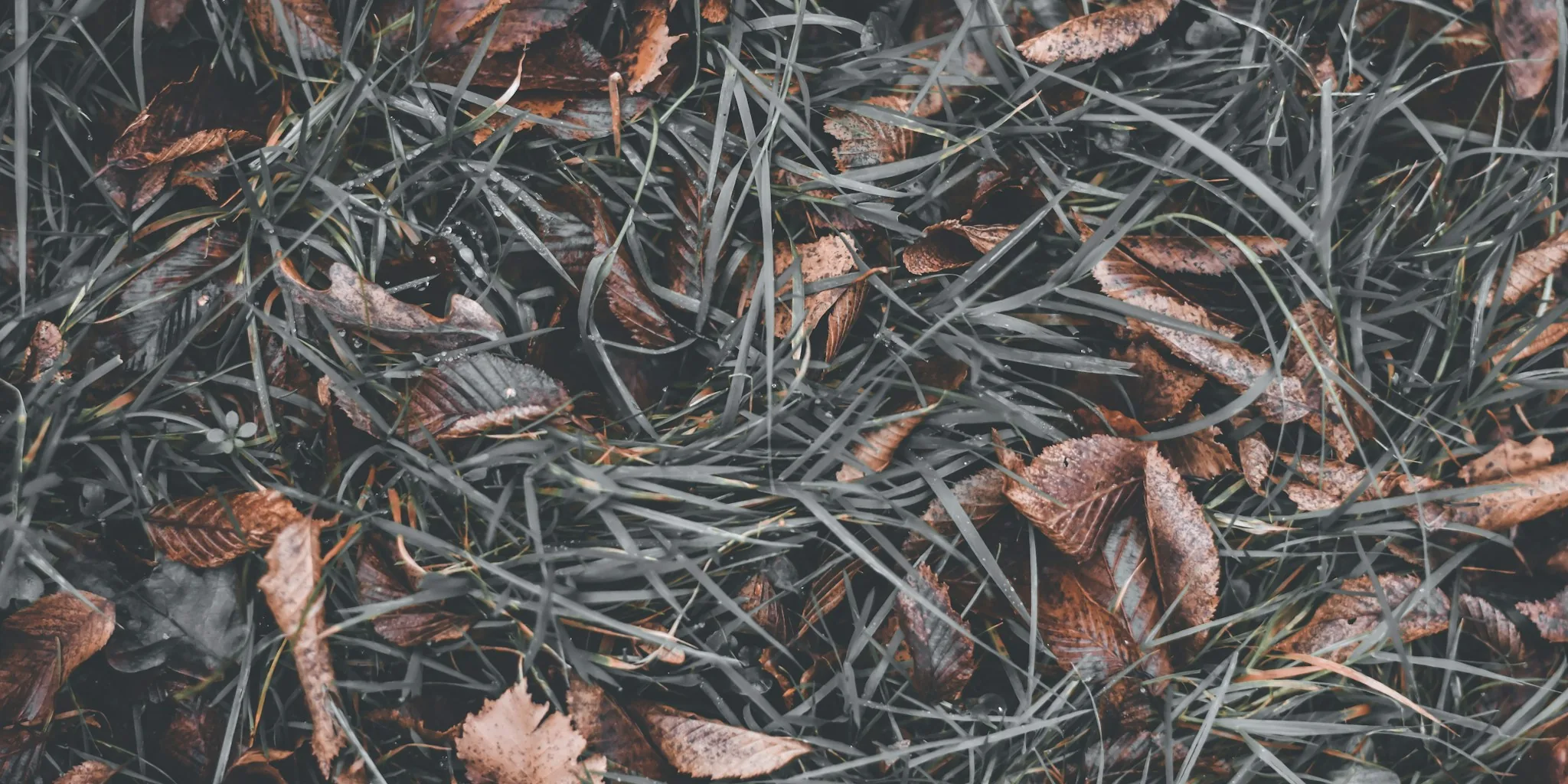

If you’ve ever scrolled through a gardening forum or attended a plant swap, you’ve probably heard the stern warning: never use pine needles as mulch unless you want to destroy your soil with excess acidity. This myth has convinced countless gardeners to rake fallen needles into the trash instead of putting them to work in their beds. The truth, however, is far more encouraging. Pine needle mulch is actually one of the most practical, budget-friendly resources available to any gardener with evergreen trees nearby, and it won’t harm your soil when used correctly.
Understanding the Pine Needle Myth
The concern stems from a kernel of fact. Fresh pine needles do measure acidic on the pH scale, typically between 3.2 and 3.8, which is roughly equivalent to grapefruit juice. This number sounds alarming when compared to the pH range most vegetables and perennials prefer (around 6 to 7). The math appears to tell a scary story, but here’s what the myth overlooks: once a needle falls to the ground and turns brown, its acidic compounds begin breaking down almost immediately. Microbes, fungi, and beneficial soil bacteria digest the organic matter and neutralize the organic acids during decomposition. Any minute acidic liquid that does leach out stops at the soil surface, where natural buffering absorbs it before it ever reaches plant roots.
Why This Myth Persists
The confusion often arises from mistaking cause and effect. Certain pine varieties thrive naturally in sandy, acidic soils found across the South and coastal regions. Landscapers routinely place pine straw under acid-loving plants like azaleas and camellias, so many gardeners assume the needles created the acidity. In reality, the acidic soil was there first. Additionally, bare ground under mature pine trees is often blamed on needle acidity, when heavy shade and aggressive root competition are the real culprits. A dense pine canopy blocks sunlight, and shallow root networks extending two to three times wider than the canopy drain moisture and nutrients from the soil.
Key Tips for Using Pine Needles Effectively
Tip 1: Apply a 2 to 3 Inch Layer
A standard 2 to 3 inch layer of pine needles won’t change your soil pH enough to register on a test. Even fresh green needles dug directly into a bed cause only slight, temporary, and harmless dips before microbial activity balances the equation. Use quality gardening gloves when gathering and spreading needles to protect your hands.
Tip 2: Leave Space Around Woody Stems
Always maintain a 2 inch gap around woody stems and tree trunks. This prevents moisture from accumulating against the bark, which can lead to rot or disease.
Tip 3: Use Pine Needles on Any Garden Bed
You can confidently use pine needle mulch on flower beds, vegetable patches, and around established shrubs. The myth that pine needles belong only under acid-loving plants is unfounded. Your tomatoes, hostas, and perennial borders are perfectly safe.
Tip 4: Harvest Fallen Needles Strategically
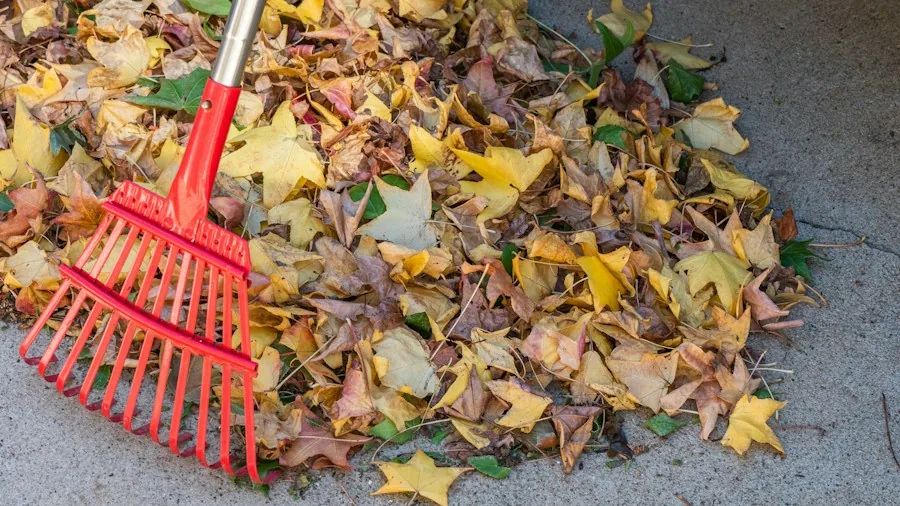
Use a narrow shrub rake to pull dry, rust brown needles from beneath low hanging evergreen branches and perennial borders. Gather needles in fall when they naturally drop, making this a zero cost mulching solution.
Tip 5: Store Extra Needles for Winter Protection
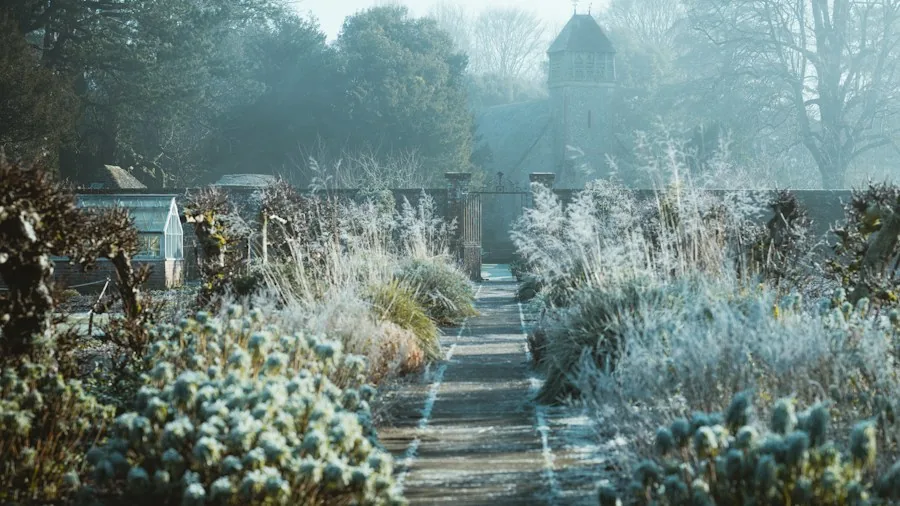
In regions with freezing winters, collect extra needles and store them in breathable yard bags off the ground. Once the top soil layer freezes solid, spread a loose blanket of needles over tender perennial crowns and garlic beds to insulate them through freeze thaw cycles. Avoid applying winter mulch too early, as warm piles can attract nesting rodents.
Tip 6: Account for Wildfire Risk
In wildfire prone regions, keep dried pine needles at least 5 feet away from home foundations and wooden structures. Dry pine straw is highly flammable and poses a genuine fire hazard in these areas.
Tip 7: Choose Pine Needles Over Other Mulches When Possible
Pine needles interlock as they settle, forming a stable blanket that stays in place even on slopes, unlike bark mulch nuggets that wash away in heavy rain. The needles stay loose and springy instead of packing into a crust, allowing rain and air to move through easily. Your beds remain protected from compaction while staying well aerated. You can also use reliable garden hoses to water through the mulch layer without displacing it.
The Real Benefits of Pine Needle Mulch
Once you set aside unfounded pH concerns, pine straw reveals itself as an excellent mulching choice. It’s free, renewable, and dropped fresh each fall. It breaks down slowly and typically lasts a full season before beds need topping up. Pine needles provide winter insulation like a cozy duvet, evening out soil temperature around roots and protecting against harsh freeze thaw cycles. For anyone with pine trees nearby, this is genuinely one of the best kept secrets in cost effective garden care. If you genuinely need to lower soil pH for true acid lovers like blueberries or hydrangeas, reach for elemental sulfur or a dedicated soil acidifier instead. Pine needles simply won’t deliver the acidity required for that purpose.
Fall needle drop is nature’s invitation to mulch your garden for free. Putting this abundant resource to work is straightforward, requires minimal effort, and delivers genuine benefits to your soil health and plant protection all year long.



Write Your Review
No reviews yet. Be the first to share your experience!