
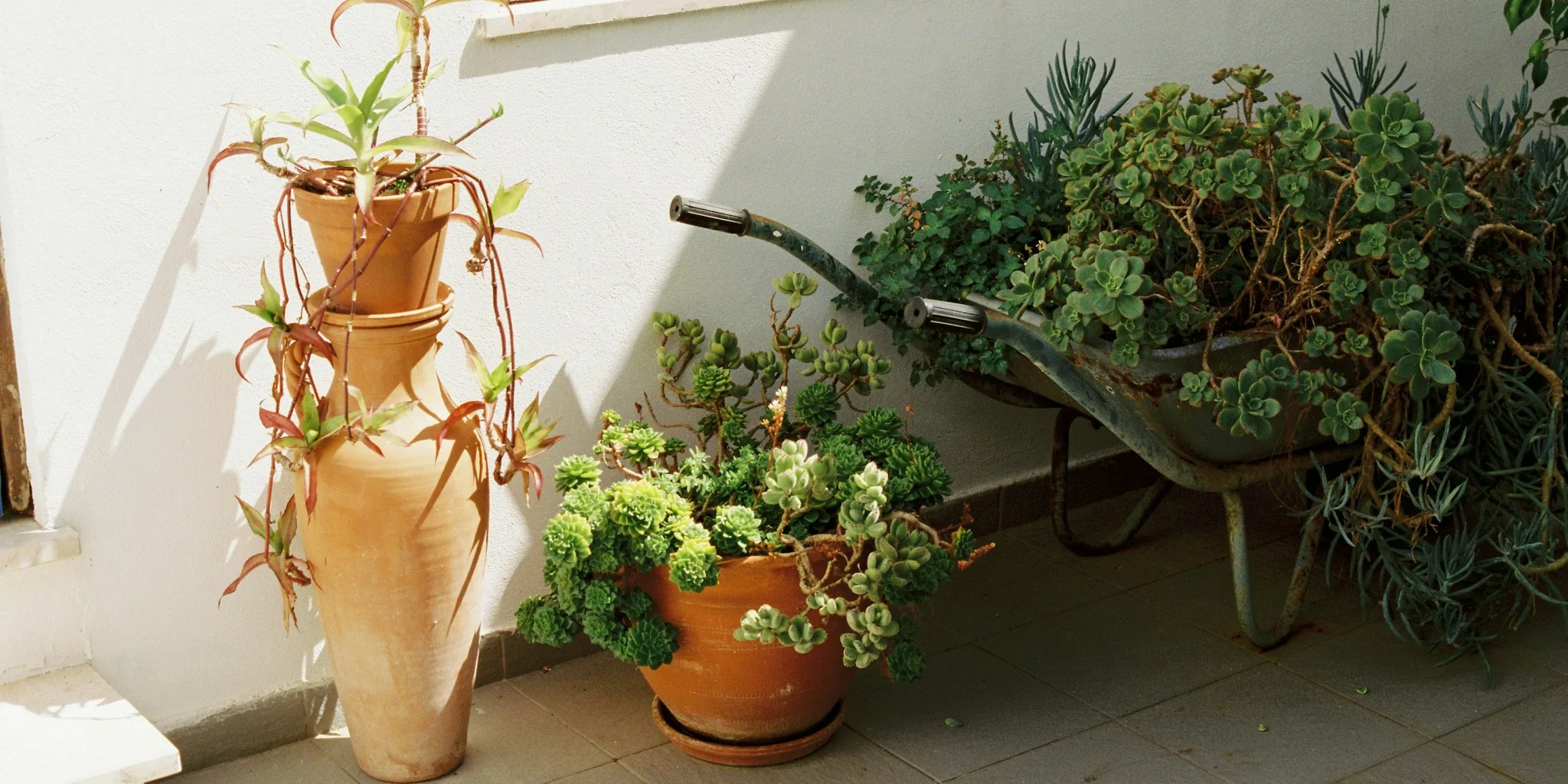

Creating a beautiful container garden is about far more than simply buying attractive pots and filling them with plants. The most successful gardens, whether a sprawling greenhouse or a compact sunny corner, rely on intentional planning and smart design choices. Here are seven practical strategies to help you build a thriving, visually stunning garden that functions well year-round.
Start by Planning Your Space, Not Your Plant List
The most common mistake gardeners make is picking plants first and layout second. Before you think about what to grow, map out your actual space like you would a room. Aim to keep approximately 60 percent of your floor area open for walking, working, and moving through comfortably. This isn’t empty wasted space; it’s what transforms a container collection into an actual garden room. The remaining 40 percent is where your pots and plantings live. This approach prevents your space from feeling overcrowded and unusable, turning what could be plant storage into a place where you actually want to spend time.
Layer Your Plants by Height, Not by Type
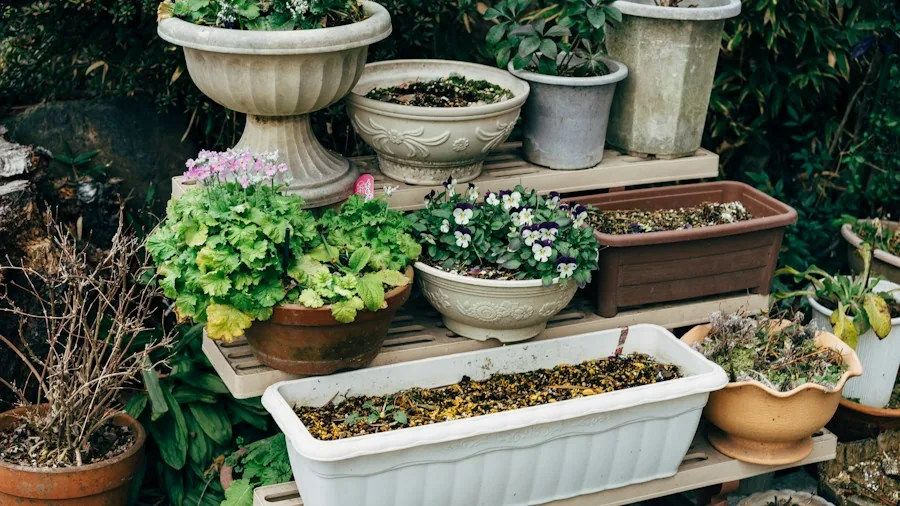
Height variation is the secret to making a small space feel abundant without cramping it. Arrange your containers at three distinct levels: floor level, mid-level (on stands or shelves), and wall-mounted. Each height tier occupies roughly the same amount of square footage, but layering them creates the visual illusion of a much fuller, more sophisticated garden. This technique works equally well whether you’re using raised garden beds or individual containers. The vertical approach also makes maintenance easier since you can access plants at comfortable heights rather than bending or reaching constantly.
Choose Your Pots Based on Plant Needs, Not Aesthetics Alone
Container material directly affects your watering schedule and plant health. Terracotta pots are porous and promote airflow to roots, which naturally prevents root rot from excess moisture and heat. This makes them ideal for drought-tolerant plants and herbs prone to rotting. Glazed ceramic pots, by contrast, retain moisture much longer than terracotta. If you’re growing herbs like basil or parsley that you harvest frequently and need consistent moisture, glazed ceramic is your better choice. Matching the right pot material to your specific plants from the start will dramatically reduce your weekly maintenance burden and prevent common problems down the line.
Practice Restraint in Your Planting
A lush garden doesn’t mean cramming every available space with plants. In fact, overcrowding is one of the three most common container gardening mistakes, alongside poor drainage and inconsistent watering. Instead, choose only the flowers and plants that truly matter to you. Repeat your favorite varieties across several containers, use pots in coordinating styles, and select plants within the same color palette. This intentional repetition creates harmony and balance far better than a chaotic mix of everything available at the nursery. An overstuffed container might look impressive initially, but plants will quickly suffer from competition for water, nutrients, and air circulation.
Don’t Overlook Light Requirements
Light is where most gardeners miscalculate, especially indoors. South and east-facing windows provide approximately six to eight hours of direct sunlight daily, which is sufficient for productive plants like tomatoes and dwarf citrus trees to flower and fruit. If your space receives less than six hours of direct light, your plant options narrow significantly to shade-tolerant varieties like ferns and begonias. Before you purchase anything, assess your actual light conditions throughout the day. This simple step prevents the disappointment of buying plants only to watch them struggle in inadequate light.
Mix Edibles With Ornamental Plants
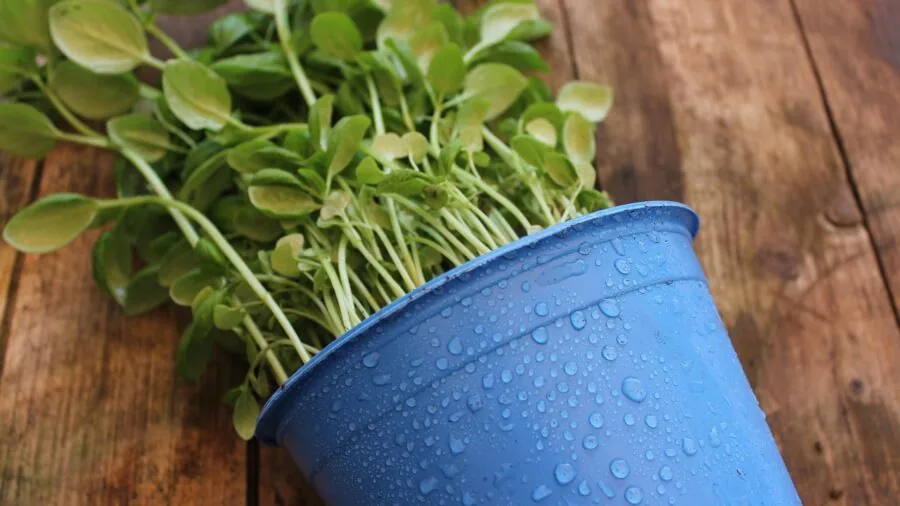
You don’t have to choose between beauty and function. Plants like rosemary, lavender, chives, and compact peppers are both visually attractive and productive. Boxwood, ornamental grasses, sedum, and dracaena provide year-round structure while remaining relatively low-maintenance. Consider using quality pruning tools to maintain the shape and health of your woody plants throughout the seasons. Mixing edibles with ornamentals creates interest and purpose, making your garden a place you visit regularly to harvest fresh herbs or produce rather than simply admiring from a distance.
Design Your Garden as a Room, Not a Shelf
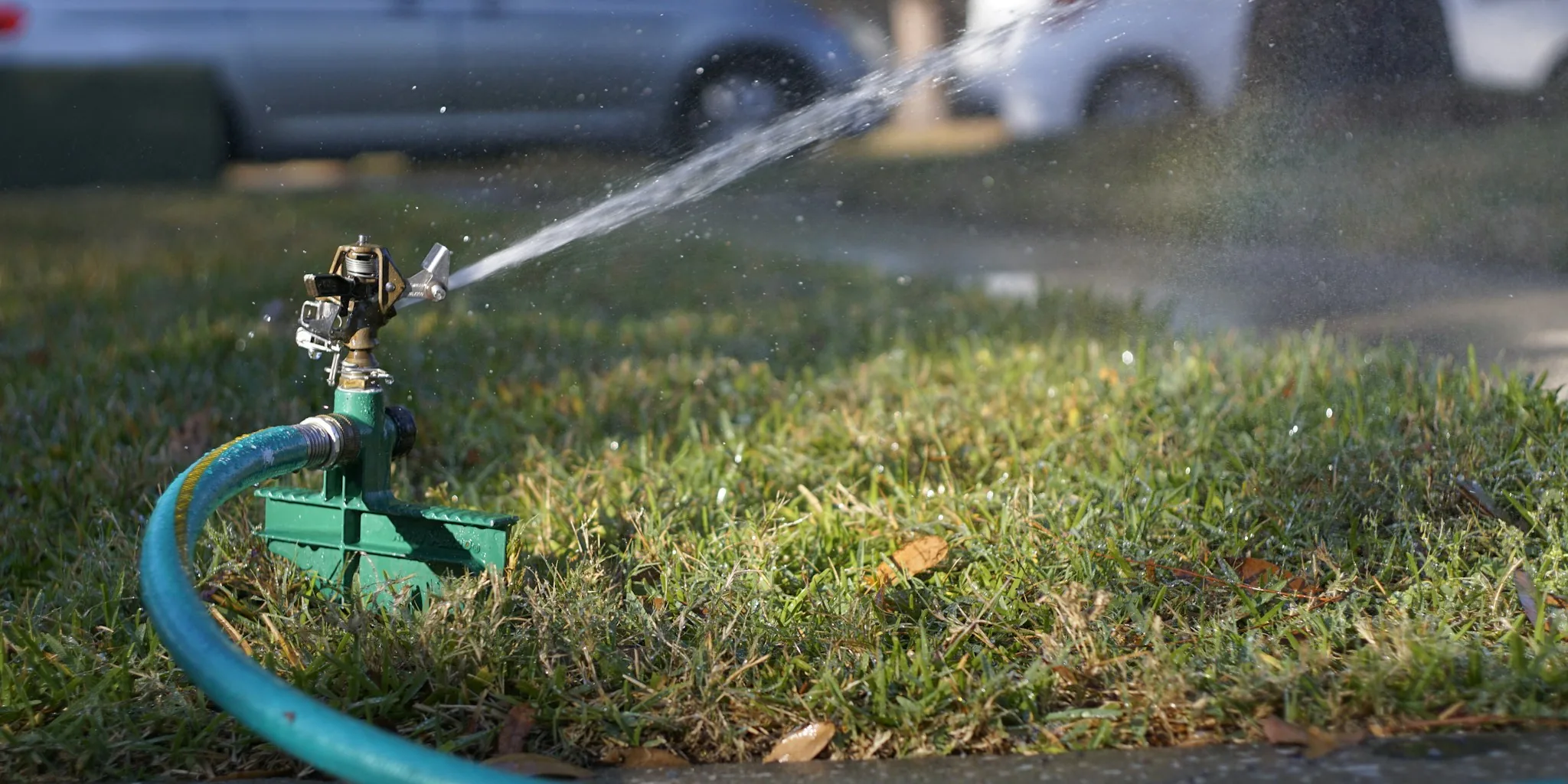
Finally, treat even a small container garden as a functional living space. Add a narrow path through the center, place a small bench where you can sit and enjoy your plantings, and create distinct zones for different activities. Incorporate soft lighting such as solar lanterns or string lights to extend usability into evening hours. Hanging planters can soften vertical surfaces and improve moisture retention compared to static containers on shelves. Consider reliable watering solutions to ensure consistent hydration without daily guesswork. These finishing touches transform your garden from a collection of pots into an inviting retreat that encourages you to spend time there regularly, making maintenance feel like leisure rather than a chore.


Write Your Review
No reviews yet. Be the first to share your experience!