
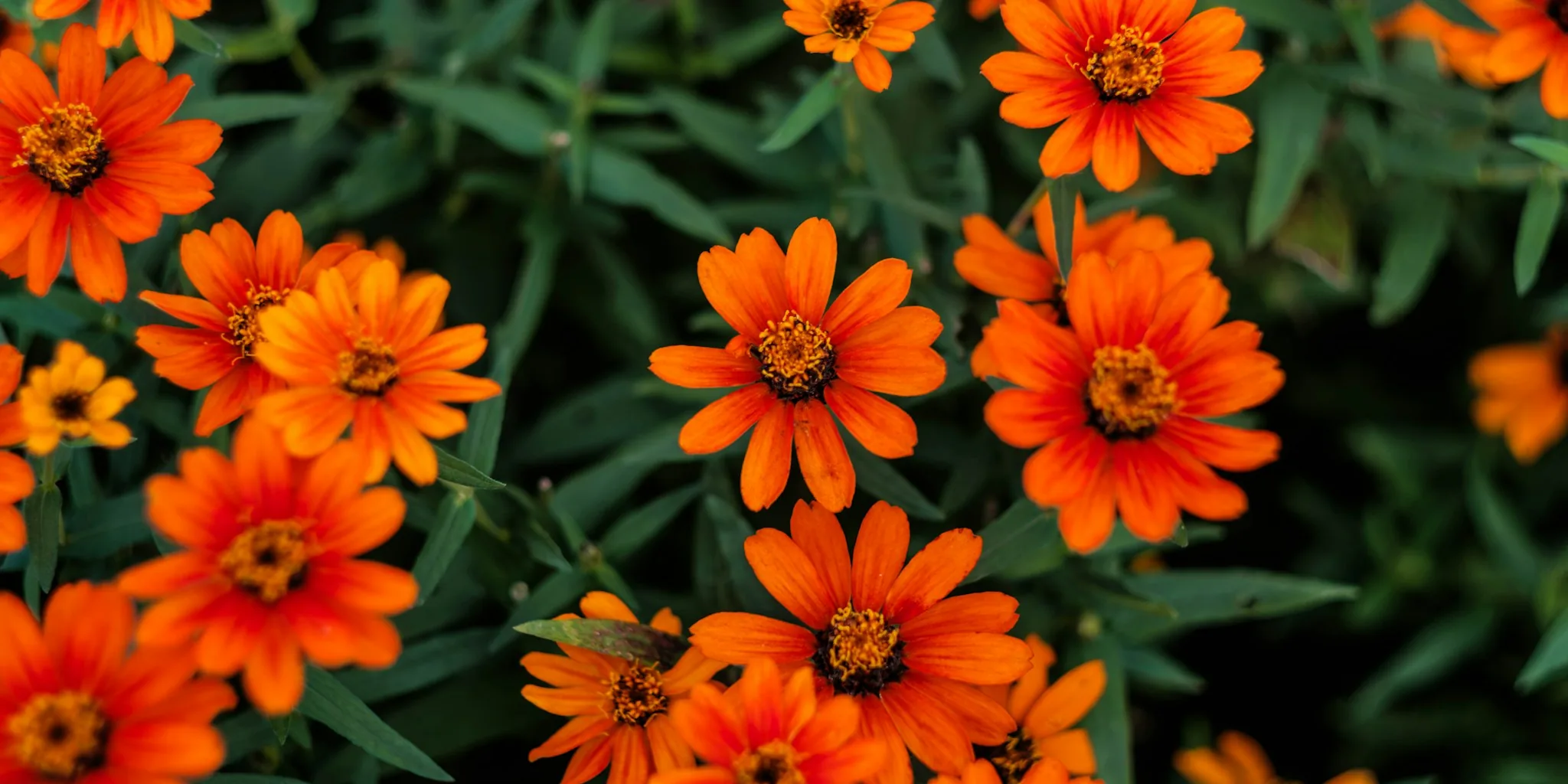

Why Zinnias Are a Gardener’s Best Friend
Zinnias stand out as one of the easiest and most rewarding flowers to grow in any garden. These vibrant annuals deliver continuous color from late spring through the first frost, making them ideal for gardeners seeking reliable, long-lasting blooms. Whether you’re a seasoned gardener or just starting out, zinnias offer straightforward growing requirements and impressive results.
1. Choose a Sunny Spot for Maximum Blooms
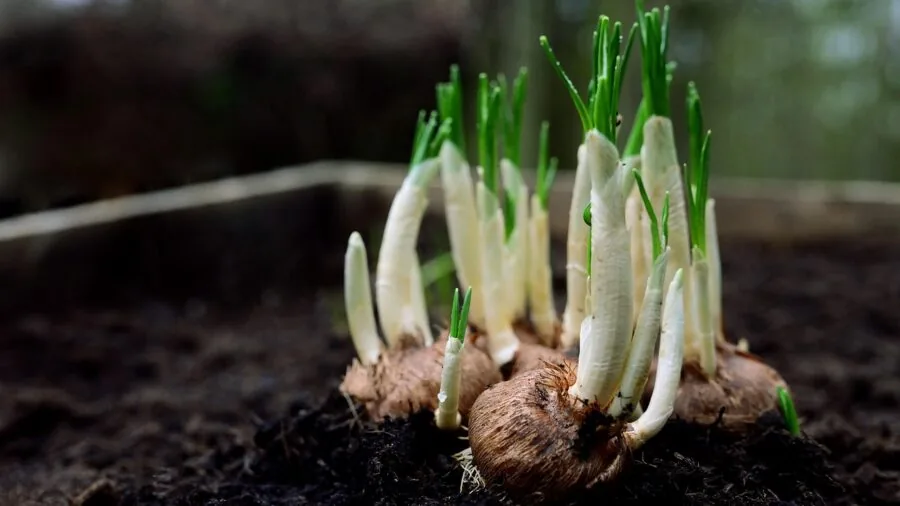
Zinnias thrive in full sun and perform best with at least 6 to 8 hours of direct sunlight daily. More sun equals stronger stems and a higher flower count. In regions where summer heat becomes intense, a bit of afternoon shade can help prevent stress, but avoid planting in predominantly shaded areas. Too much shade leads to weak, leggy stems and disappointing flower production. Position your zinnias where they’ll catch morning and midday sun for the strongest performance.
2. Start Seeds at the Right Time
Timing matters when launching your zinnia garden from seed. If starting indoors, sow seeds about 2 to 3 weeks before your last frost date. This gives seedlings time to germinate and develop without becoming overgrown before transplanting. Alternatively, direct sow seeds into prepared garden beds after frost danger has passed and soil has warmed. Direct-sown seeds typically sprout within 5 to 7 days. Water gently and consistently until germination occurs to ensure success.
3. Prepare Soil That Drains Well
Zinnias are forgiving when it comes to soil composition. They adapt to sandy, clay-heavy, neutral, slightly acidic, or even slightly alkaline soils. The single most important factor is proper drainage. Work compost or other organic amendments into planting beds before sowing. This improves both moisture retention and drainage while providing initial nutrients that carry plants through much of the growing season. Good soil preparation means healthier plants and more blooms with less ongoing maintenance.
4. Water at the Base and Keep Foliage Dry
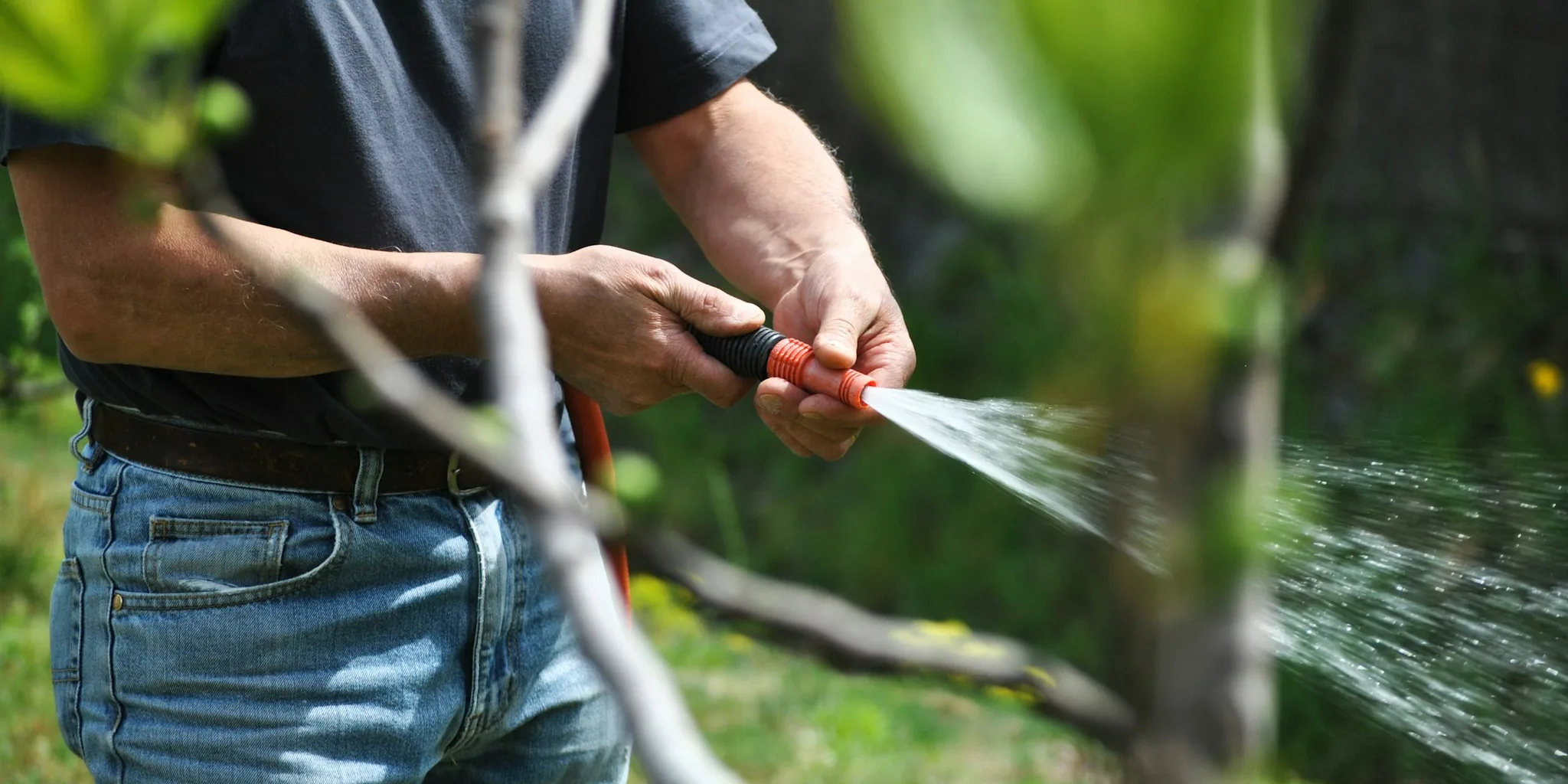
After planting, keep zinnia beds consistently moist until plants are established. Mature zinnias become fairly drought-tolerant and can handle brief dry periods. Always water at the soil level rather than overhead. A soaker hose works beautifully for this purpose, directing moisture to the roots while keeping leaves and flowers dry. Water early in the morning, allowing foliage time to dry before sunset. This reduces the risk of fungal diseases that develop in persistently wet conditions.
5. Deadhead Regularly to Encourage More Flowers
One of the best-kept secrets to extending zinnia blooms is the “cut-and-come-again” principle. The more flowers you cut or deadhead, the more your plants will produce. Remove faded blooms regularly, and you’ll trigger the plant to put energy into making new flowers rather than seeds. This practice keeps beds looking neat, maintains vigorous flower production throughout summer, and provides fresh cut flowers for bouquets. It’s a win on every level.
6. Watch Temperature and Humidity Levels
Zinnias are warm-season annuals that grow best when daytime temperatures stay between 70 and 85 degrees Fahrenheit. They tolerate heat spikes remarkably well, but they cannot survive frost or cold soil. Plant only after all danger of frost has passed in your region. While zinnias handle heat and brief humidity, prolonged moisture combined with poor air circulation invites disease. Space plants appropriately to allow air flow, and avoid overhead watering to prevent fungal issues.
7. Fertilize Strategically for Continuous Blooming
Initial soil amendments typically provide enough nutrients for a full season of blooming. If your garden soil is particularly poor, or if you want to maximize flower production, apply a balanced fertilizer at planting time. For exceptional results, feed established plants monthly with a fast-acting bloom-boosting formula. This extra nutrition encourages larger flowers and more prolific blooming. Just remember that less is often more with zinnias, as over-fertilizing can produce leafy plants with fewer flowers.
Select the Right Variety for Your Garden
Zinnia varieties range from dwarf container types to tall, dramatic forms. Raised garden beds work wonderfully for growing zinnias if you prefer organized planting. Benary’s Giant Series produces large, showy blooms perfect for cutting, while Oklahoma Series zinnias feature charming button-like double flowers that attract hummingbirds. Queeny Series offers unusual color combinations, from lime to rosy pink. Choose varieties based on your garden’s height requirements, color preferences, and whether you plan to use them for cutting or garden display.
Prevent Common Problems Before They Start
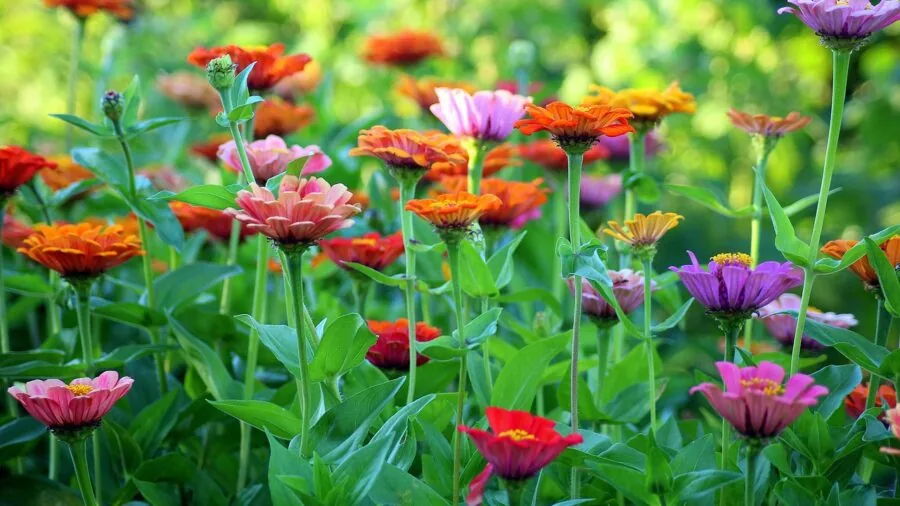
The biggest threats to zinnia health include powdery mildew, leaf spot, and fungal diseases. Prevent these by providing adequate spacing between plants, watering at soil level only, and ensuring good air circulation. Occasionally, aphids or Japanese beetles may visit, but they’re rarely serious problems. If pests appear, neem oil or insecticidal soap provide effective control. With proper spacing, careful watering, and attention to air movement, most zinnias grow disease-free throughout the season. When you wear gardening gloves, you’ll find deadheading and general maintenance much more comfortable during hot weather.
Enjoy Summer-Long Color and Abundant Blooms
Zinnias reward gardeners with prolific flowering and minimal fuss. By following these straightforward practices, you’ll create a garden bursting with vibrant color from summer through early fall. Whether you’re filling beds, creating bouquets, or attracting pollinators, zinnias deliver reliable performance and genuine gardening satisfaction.



Write Your Review
No reviews yet. Be the first to share your experience!