
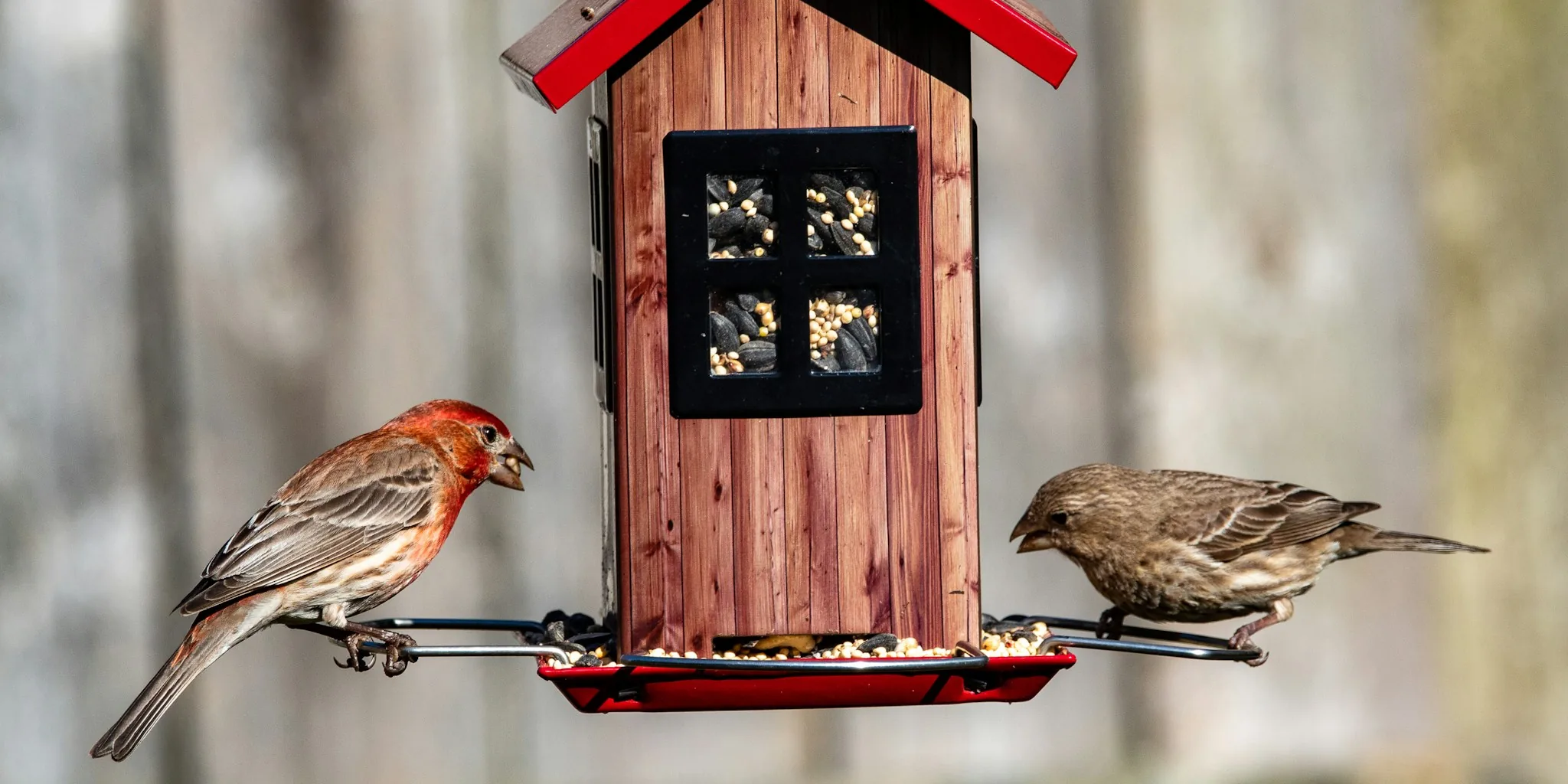

Protect Your Garden Feeders from Bullies
If you’ve spent time watching your garden feeder during fall and winter, you’ve likely noticed a pecking order that emerges quickly. Larger, more aggressive species arrive in flocks and dominate the available food, while smaller songbirds like chickadees and titmice wait nervously in nearby shrubs, grabbing quick bites between rounds. The good news is that you don’t need to shoo anyone away or take an aggressive stance. Instead, most solutions come down to thoughtful equipment choices and strategic planning that naturally exclude larger birds while welcoming the smaller species you want to attract.
1. Install a Cage Around Your Feeder
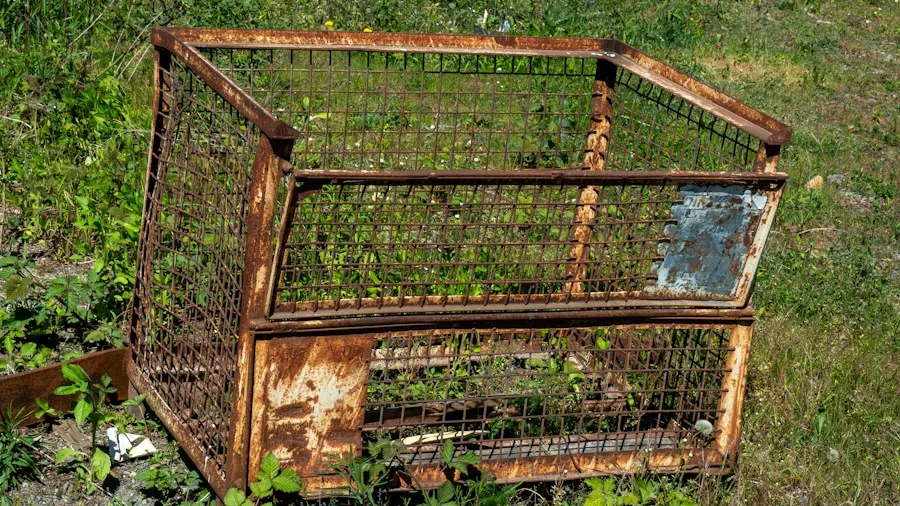
A wire cage surrounding your feeder is one of the most reliable ways to control access. Look for cages with mesh openings around 1.5 inches (4 cm) wide. These gaps are perfect for chickadees, titmice, nuthatches, and goldfinches to slip through, but too small for grackles, starlings, and jays to enter comfortably.
Diameter matters just as much as mesh size. If your cage measures under 11 inches (28 cm) across, determined grackles can still perch on the outside and stretch their necks through the bars to reach the ports. When shopping, measure the gaps yourself if product listings don’t specify exact spacing. Cages come either as add-on covers for existing feeders or built-in to the feeder itself. Choose a model where the seed container lifts out easily for cleaning, since feeders with cages can accumulate grime faster.
Always hang your cage feeder away from fence rails and low branches. Any sturdy perch a heavy bird can grip becomes a foothold that defeats the purpose entirely.
2. Switch Your Seed Selection
The type of seed you offer dramatically influences which birds visit your garden. Safflower seeds have hard shells and an awkward shape that challenge a larger bird’s heavy bill, yet cardinals and house finches crack them easily. Striped sunflower seeds work on the same principle: their thicker shells demand more effort than a starling’s softer bill can sustain.
Remove cracked corn and millet from your mix, as these attract blackbirds and house sparrows. You can also shorten the perches on tube feeders you already own; this small adjustment lets chickadees land and feed with ease while grackles struggle to maintain their grip for more than a few seconds before giving up.
For truly exclusive small-bird feeding, nyjer seed in a fine-port feeder is nearly unbeatable. Goldfinches and siskins love it, but most larger birds don’t waste energy trying to access it. Be aware that some local flocks may adapt to eating different seeds over time, so seed selection alone isn’t a permanent answer everywhere. When choosing supplies, quality products like reliable gardening tools help maintain your feeding setup properly.
3. Reposition Your Suet Feeders
Suet creates its own dynamics. Starlings will perch on top of a standard wire suet cage and methodically work through an entire cake without moving, monopolizing your feeder for extended periods. Woodpeckers, nuthatches, and chickadees, by contrast, naturally feed upside down without complaint. Flip your suet cage so birds access it from below. Starlings can technically still reach an upside-down feeder if they really commit, but they dislike hanging inverted and rarely stay long enough to cause problems.
4. Choose the Right Suet Formula
What you fill your suet cage with matters. Plain rendered suet draws far less starling attention than peanut and seed blends, since those added ingredients are what actually attract them. Switch to plain suet and you’ll notice fewer aggressive birds lingering at your feeders.
5. Optimize Feeder Location
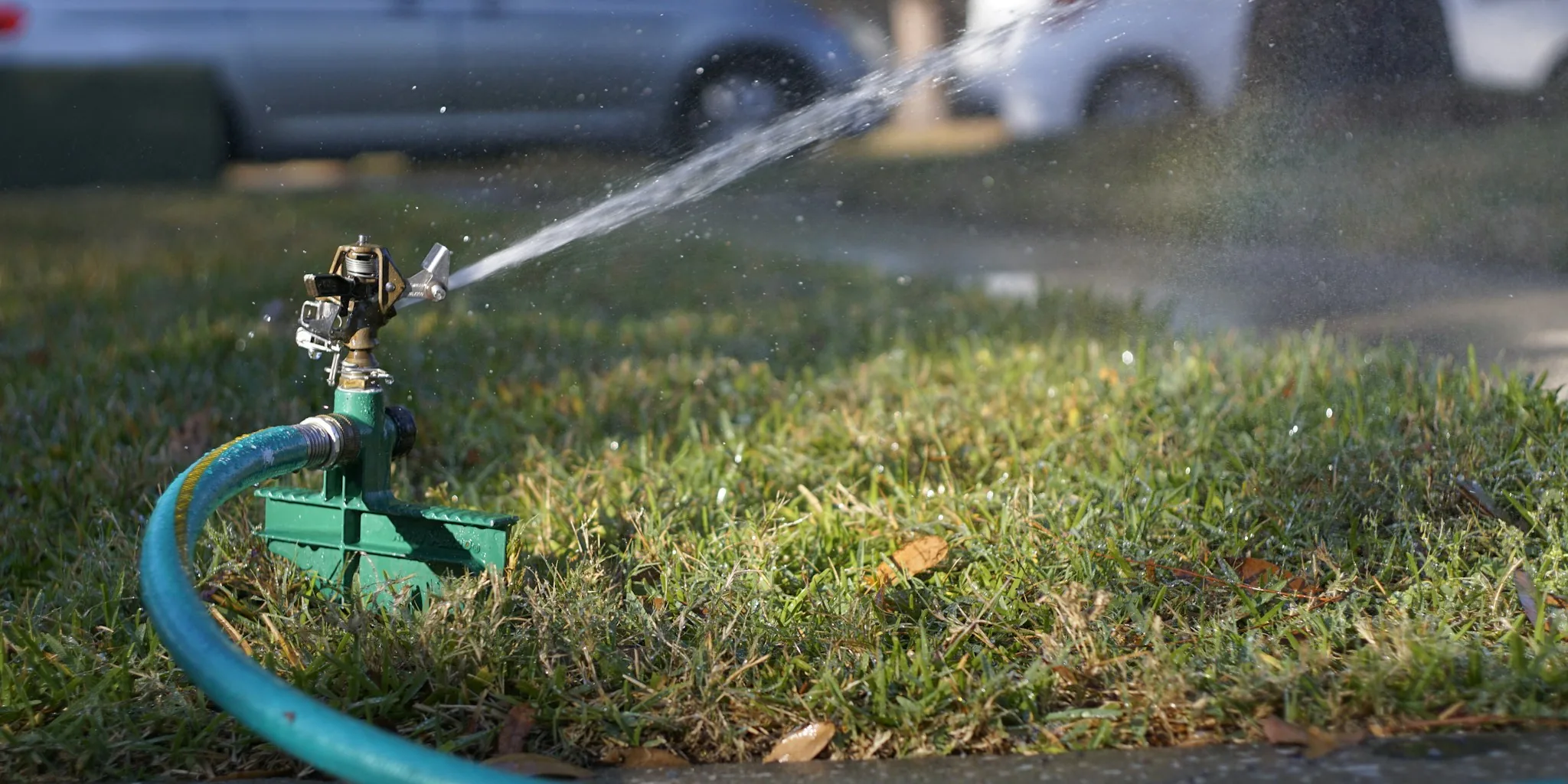
Position your bird feeders roughly 10 feet (3 m) from a hedge or shrub. This distance is close enough for smaller birds to bolt to safety if threatened, yet far enough that predators have no convenient hiding spot to wait. Smaller songbirds feed with much greater confidence when cover is near. Pole-mounting your feeder with a baffle underneath beats hanging it from a tree branch, where squirrels and heavier birds can approach from above. When setting up your garden space, proper watering systems complement your feeder setup.
6. Use Baffles and Physical Barriers
Metal or plastic baffles installed below feeders prevent larger birds and squirrels from climbing up from the ground or jumping down from branches. These simple devices are highly effective and cause no harm to any wildlife.
7. Be Patient and Give Changes Time to Work
Once you make adjustments to your setup, wait at least two weeks before assessing results. Aggressive birds that have grown accustomed to easy meals will test your new arrangement, find it not worth the effort, and move on to easier territories.
The key to peaceful bird feeding in your garden is understanding that larger birds aren’t being aggressive toward you: they’re simply following their nature. By using strategic equipment choices, thoughtful seed selection, and smart positioning, you create an environment where smaller songbirds can feed safely without conflict. These practical shifts transform your garden feeder into a welcoming space for the species you want to attract most.


Write Your Review
No reviews yet. Be the first to share your experience!