


Get the Best Deal When Trading In Your Vehicle
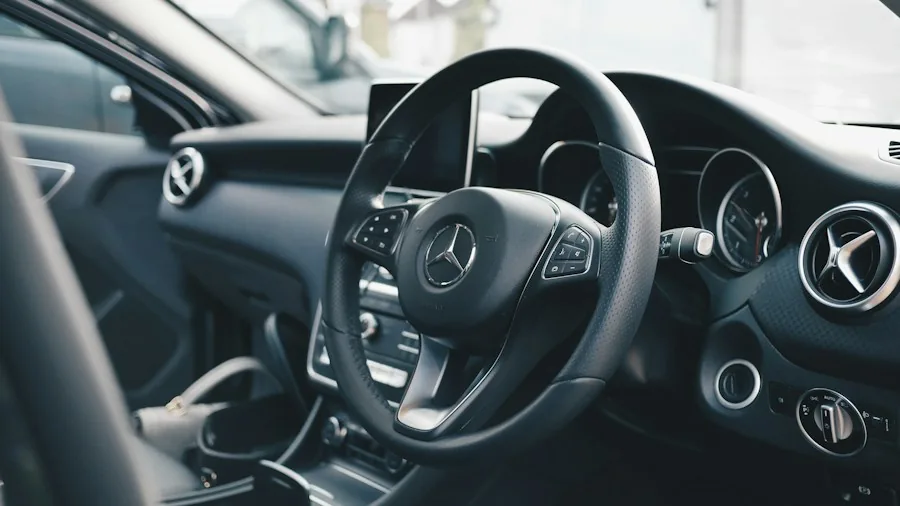
Trading in your used car at a dealership can be a convenient way to upgrade to a newer model. However, not every seller receives the same offer when the market is strong. By taking a few strategic steps before you bring your car to the lot, you can significantly increase what dealers are willing to pay for your vehicle. Here are the most effective ways to boost your trade in value.
1. Make Cleanliness Your Top Priority
The appearance of your car matters far more than most sellers realize. A thorough cleaning inside and out can have a dramatic impact on the appraisal value. Dealers notice every smudge, stain, and worn spot when evaluating your vehicle, and cosmetic condition directly affects their assessment.
Pay special attention to odors, which can be a major deal breaker. Smoke smell is particularly damaging and drastically reduces what a dealership will offer. Even subtle scents from food or other sources linger and turn away potential buyers. Before your appraisal, thoroughly air out the interior and consider using high quality car air fresheners to neutralize any remaining odors. Clean the seats, floors, windows, and trunk completely. A spotless car signals that you maintained it well.
2. Address Known Maintenance Issues and Recalls
Fix any mechanical problems and outstanding recalls before you trade in. If you have deferred maintenance, have a trusted repair shop inspect and service your vehicle. The appraiser will identify unresolved issues, and each one reduces your offer.
Maintenance records from third party services will be documented in vehicle history reports that dealers can access. Bring proof of any recent service work you completed. Floor mats do not need attention, as dealers replace those anyway, but address real problems like tire wear or suspension damage that could raise red flags during inspection.
3. Handle Tire and Mechanical Condition
If your tires are mismatched or show severe wear, replace them before trading in. Uneven tire wear also signals suspension problems that appraisers will notice and downgrade. Replace the tires and fix the underlying issue to avoid compounding losses.
However, if you have four matching tires with reasonable tread life remaining, no replacement is necessary. Minor cosmetic fixes like small paint chips and windshield cracks are worth repairing, but do not invest heavily in major renovations.
4. Be Honest About Your Car’s History
Disclose any accidents, damage, or repairs your car has experienced. Honesty builds trust with the appraiser and prevents complications later. Hiding a wreck may feel like a short term win, but it creates doubt about the overall condition and reliability of the vehicle, ultimately lowering your offer.
If you plan to trade in the future, minimize wear starting now. Avoid slamming doors and driving aggressively, as repeated harsh treatment damages internal components and creates rattles that appraisers detect.
5. Research Your Car’s Market Value First
Never walk into a dealership without knowing what your car is worth. Use online valuation tools and check current market listings to understand the realistic price range for your make, model, and condition. This knowledge prevents you from accepting a lowball offer.
Check multiple sources, including dedicated car marketplaces that show what dealers are asking for similar vehicles. If you own a popular model, some dealerships may submit photos to wholesale auction services where competing dealers bid in real time, which shows true market value. Alternatively, major used car retailers provide online quotes and in person appraisals that help you benchmark fair pricing.
6. Separate the Trade In From the New Car Deal
Get a written offer for your trade in value before negotiating the price of your next vehicle. Do not let the salesperson bundle both transactions into one package deal. Handling them separately allows you to evaluate each number independently and negotiate more effectively.
Agree on a final trade in value first, document it in writing, and then move forward with pricing your new or next used car. This approach prevents confusion and ensures you understand exactly what you are receiving for your current vehicle.
7. Maintain Your Car Throughout Ownership
The best way to maximize trade in value is consistent, preventive maintenance and regular cleaning. Keep up with oil changes, inspections, and manufacturer recommended service. Consider investing in protective car covers if your vehicle sits outside to reduce weathering and fading. When appraisal time comes, a well maintained car in clean condition earns significantly more than one that was neglected.
Trading in your car does not require secret strategies or complex negotiations. By keeping your vehicle mechanically sound, cosmetically appealing, and honestly presented, you position yourself to receive top dollar when the time comes to move on to your next vehicle.





Write Your Review
No reviews yet. Be the first to share your experience!