
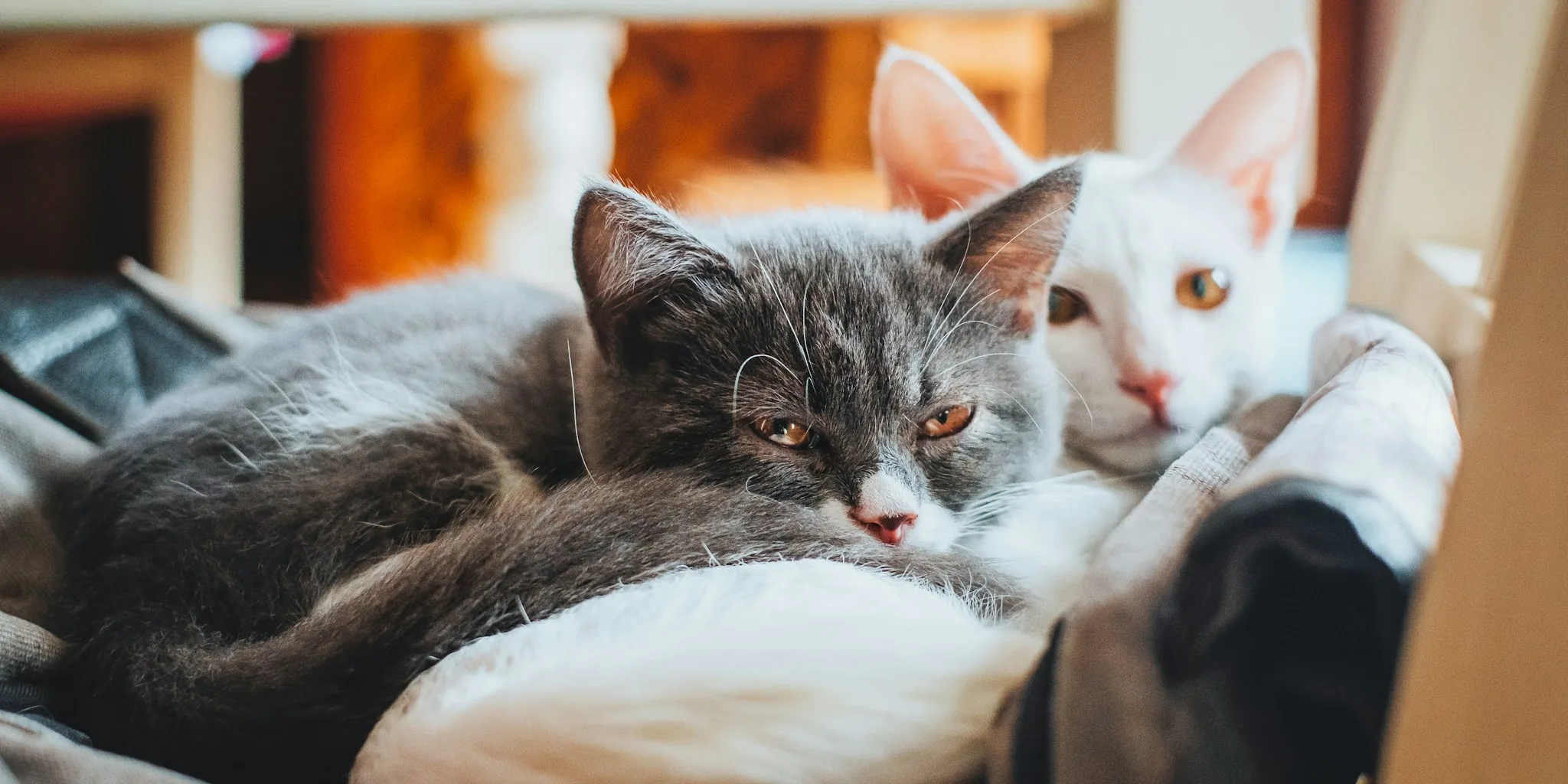

Cats are often stereotyped as solitary creatures that prefer living alone. While it is true that felines tend to be more independent than dogs, the reality is more nuanced. Cats can form meaningful social bonds with other cats, and some individuals thrive on companionship. When a cat lacks social interaction, it may experience loneliness, boredom, and stress that manifests in unexpected behavioral changes. As a responsible cat owner, learning to recognize these signals is essential for your pet’s emotional and physical well-being.
1. Watch for Changes in Sleep Patterns and Energy Levels
A healthy cat sleeps frequently throughout the day, but there is a significant difference between restful sleep and a cat that has become unusually withdrawn and unresponsive. If your cat seems flatter than normal, barely reacting to stimuli that would typically capture its attention, loneliness may be the culprit. On the flip side, some lonely cats display the opposite behavior, suddenly racing around your home at odd hours with an almost frantic energy. Both extremes, excessive withdrawal and unexplained restlessness, warrant attention. A companion animal may provide the right balance of stimulation and gentle company to restore your cat to its normal self.
2. Monitor Eating Habits for Emotional Changes
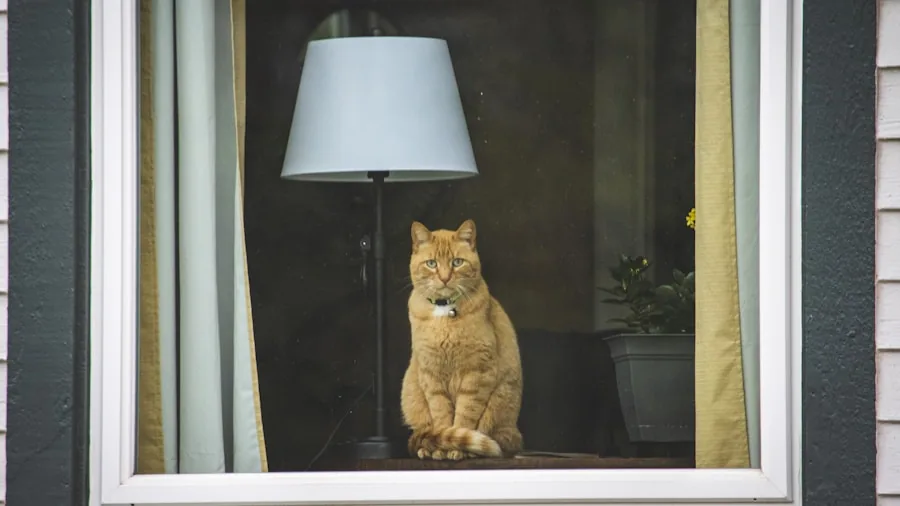
Cats can engage in emotional eating more frequently than many owners realize. Some cats overeat when bored, using food as a form of stimulation or substitute for companionship. Others lose their appetite entirely when feeling low or isolated. Both patterns carry health risks beyond the emotional aspect. Obesity in cats leads to serious medical complications, while prolonged undereating can cause nutritional deficiencies and other issues. If your veterinarian rules out physical causes for appetite changes, an emotional need for social connection may be the answer.
3. Examine Grooming Behavior
A cat that neglects grooming will quickly develop a matted, dull coat, while one that grooms obsessively, targeting the same spot repeatedly or pulling out fur, is exhibiting classic stress responses. Loneliness is a genuine stressor for cats, and both extremes in grooming behavior can trace back to insufficient stimulation and social connection. Any noticeable shift from your cat’s normal grooming routine deserves your attention, as it often signals an underlying emotional or physical concern.
4. Note Litter Box Issues and Inappropriate Elimination
Stress is one of the most common triggers for inappropriate elimination, making this one of the most frequent behavioral complaints veterinarians hear from cat owners. Before jumping to conclusions, examine the obvious factors: litter box cleanliness, litter type, and placement. However, if these environmental factors check out, underlying anxiety may be at play. Loneliness, particularly in cats that previously lived with other animals, can quietly contribute to the tension that leads to litter box avoidance. Ensure you have enough quality litter box options available, as multiple boxes reduce stress and provide security.
5. Identify Destructive and Attention-Seeking Behaviors
All cats scratch and interact with their environment, which is entirely normal. However, a cat that suddenly begins destroying furniture, knocking objects off shelves with suspicious enthusiasm, or chewing on items it previously ignored is likely manufacturing entertainment due to boredom. This behavior typically escalates when a cat is under-stimulated. Similarly, a cat that shadows you from room to room, meows persistently, or dramatically increases attention-seeking beyond its usual baseline is communicating a clear need for more social connection. This is especially notable in cats that are normally reserved. These behaviors are not manipulation but genuine attempts to signal an unmet need.
6. Rule Out Medical Issues First
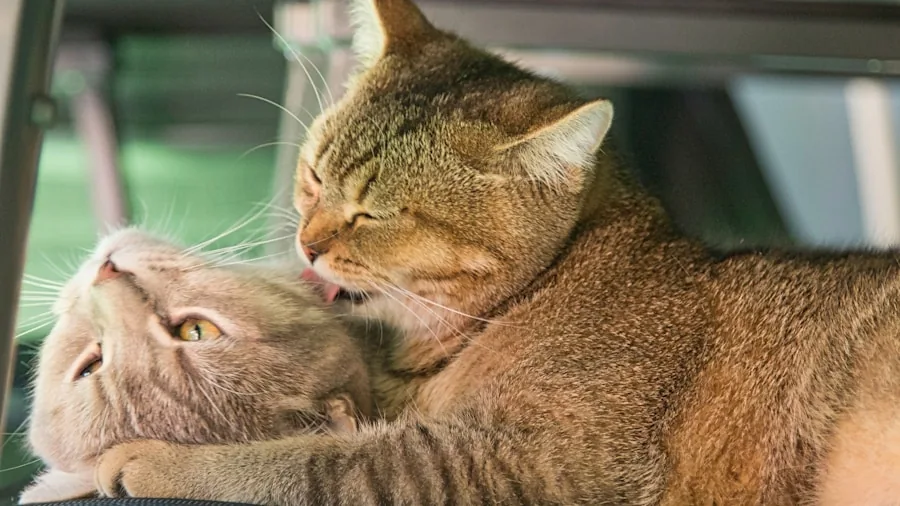
Before making any changes, schedule a veterinary appointment. Many signs of loneliness overlap with symptoms of illness or pain, so a thorough health assessment is non-negotiable. Your veterinarian can review your cat’s lifestyle, diet, and run appropriate tests to confirm your cat is in good physical health. Only after receiving a clean bill of health should you consider behavioral changes as evidence of loneliness requiring social solutions.
3. Introduce a Second Cat Thoughtfully
If your vet confirms your cat is healthy and behavioral changes suggest loneliness, a second cat may help. However, this is not an automatic solution. A cat lacking attention from its owner will not automatically improve with a second cat, since two cats still require time and engagement from their human family. Matching energy levels is crucial: pairing an older, quiet cat with a rambunctious kitten typically fails. Instead, consider a companion with similar energy and temperament to give the arrangement the best chance of success.
When introducing cats, prepare your home with multiple climbing areas, hiding spots, and comfortable resting places. Use pheromone diffusers and calming sprays to create a relaxed atmosphere. Swap bedding between cats to familiarize them with each other’s scent. Expect some hissing and posturing, as cats need to establish their dynamic. Allow them to work through these interactions without interruption, provided no serious injuries occur. Be present but calm; your anxiety will transfer to your cats. Introduce them gradually but not so slowly that tension builds. With patience and preparation, most cats eventually achieve peaceful cohabitation.
Recognizing signs of feline loneliness and responding appropriately demonstrates genuine care for your pet’s emotional health. Whether the solution involves more interactive play, environmental enrichment, or introducing a companion, taking action based on these seven indicators will help ensure your cat lives a fulfilled, balanced life.






Write Your Review
No reviews yet. Be the first to share your experience!