


A 70-year-old fitness coach is challenging everything we think we know about aging. Instead of accepting weakness and decline, she’s living proof that intentional habits starting in your 30s and 40s can set you up for a vibrant, capable future. Her message is clear: the time to invest in your long-term health is now, and the results speak for themselves.
Strength Training Matters More Than the Scale
Most people focus on what they weigh, but this coach emphasizes a shift in mindset. The goal should be building strength, not fitting into smaller clothing sizes. Research backs this up. A 2022 review of studies involving adults aged 65 and over found that progressive resistance training significantly improved muscle strength and bone density. When you prioritize lifting over cardio alone, you’re investing in your future mobility and independence.
Bone density, balance, and confidence are all trainable at any age. Rather than chasing a number on the scale, celebrate what your body can do. Can you carry your groceries? Move heavy furniture? Get up off the floor easily? These real-world capabilities matter far more in your 70s than fitting into a dress from two decades ago.
Build Muscle as Your Insurance Policy
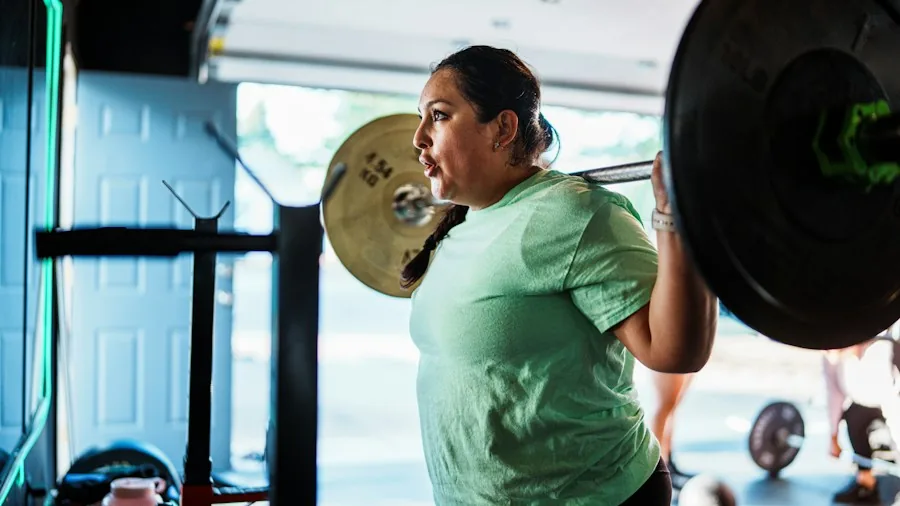
Think of muscle as insurance for aging. Every strength training session deposits value into your future self. This isn’t about vanity or looking a certain way. It’s about maintaining the ability to do the things you love.
Consider what strength actually enables: you can play with grandchildren on the floor and stand up without assistance, carry your own luggage through an airport, say yes to hiking trips, and move through life independently. A study involving mobility-limited adults with an average age of 85 found that just 10 weeks of strength training increased leg muscle mass and improved functional performance by 7 to 11 percent. Small, consistent deposits of effort compound over decades.
As many fitness advocates now emphasize, building muscle throughout your middle years is one of the most powerful things you can do for your quality of life later.
Cardio Has a Role, But Strength Comes First
This coach includes cardio in her routine, but it’s not the foundation. If you’re starting with more body fat and limited muscle, lifting is what creates real change. You don’t need to run for an hour daily. You need to pick up something heavy and do it consistently.
That said, cardio remains valuable. A systematic review involving more than 2,000 adults aged over 70 found aerobic exercise improved cardiovascular fitness, metabolic health, physical function, cognitive performance, and quality of life. The combination matters. Strength creates the structure; cardio supports the system.
Reject Age Based Limitations
Much of what we think of as inevitable aging is actually self imposed. Society has decided what 70 is supposed to look like, and many people simply accept those limits. This coach rejects that entirely. If you want to wear something, wear it. If you want to try something, try it. You don’t need permission to live fully at any age.
Research supports this approach. Studies have linked authentic self expression with greater wellbeing. When you stop performing the role society expects and start living according to your own values, your overall satisfaction increases. Whether it’s through active pursuits or other lifestyle choices, alignment between your actions and your values matters deeply.
Nourish Your Mind as Well as Your Body

Healthy aging extends beyond exercise and nutrition. The people you surround yourself with, the thoughts you repeat, and the information you consume all shape your life trajectory. Research from 2024 found that people exposed to positive news experienced more positive emotions, while negative news consumption had the opposite effect.
This matters for shoppers considering fitness investments. The right equipment and resources can support your mental engagement with fitness, making it easier to stick with habits long term. Choose tools that make you feel capable and motivated, not discouraged.
What This Means for You Now
The overarching message is that it’s never too early to start building these habits. Your 30s, 40s, and 50s are the ideal time to establish strength training consistency, reject limiting beliefs about aging, and surround yourself with positive influences. The payoff arrives decades later when you’re living with the strength, mobility, and independence you’ve been building all along.
Aging doesn’t have to mean decline. It’s a direct result of the small decisions you make today.




Write Your Review
No reviews yet. Be the first to share your experience!