

Selling a used car to a dealer may feel convenient, but you’ll likely leave substantial money on the table. Dealerships must mark up purchases significantly to maintain their business model, which means their offers typically fall thousands of dollars short of what you could earn through a private sale. If you’re willing to invest some time and effort, a private transaction can reward you with a much higher final payout.
1. Determine Your Car’s Actual Market Value
Before listing your vehicle, establish what it’s genuinely worth using a reputable valuation tool. These services aggregate real transaction data to calculate accurate estimates based on your specific vehicle’s mileage, condition, location, and features. The results typically show two important figures: trade-in value (what dealers offer) and private-party value (what you can realistically earn selling directly to a buyer). You’ll notice the private-party price is substantially higher, and the gap widens for vehicles in excellent condition. Understanding these numbers helps you set a competitive asking price and determine whether a private sale justifies the extra effort involved.
2. Organize All Important Documents Before Listing
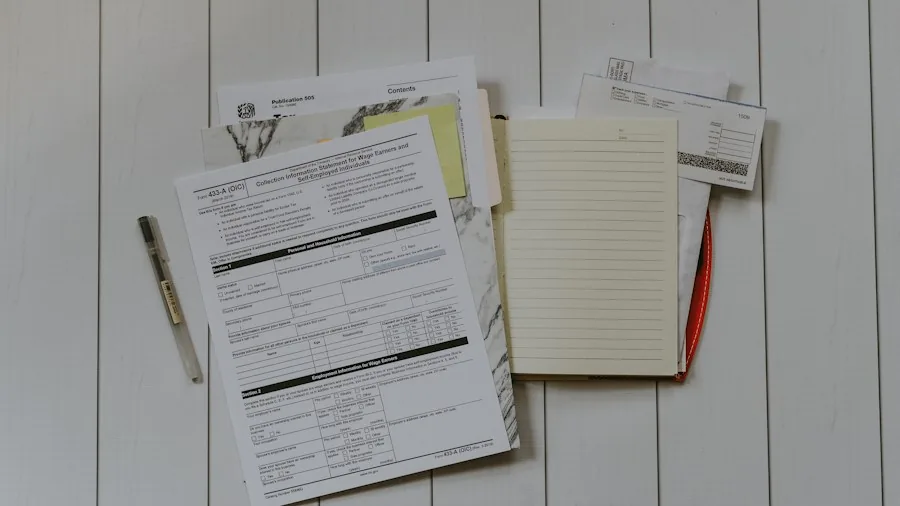
Locate your car’s title immediately, as misplacing this essential document can delay or derail a sale. If the title is genuinely lost, obtaining a replacement takes time you don’t want to waste after a serious buyer appears. Gather maintenance records that demonstrate the vehicle received proper care, as these reassure potential buyers about the car’s reliability. Obtain a vehicle history report showing the number of previous owners and any reported accidents. If you financed the car with a loan, secure written confirmation from your lender that the loan is paid off. Having all paperwork organized accelerates the sale process and builds buyer confidence.
3. Clean Thoroughly Inside and Out
A dirty, neglected-looking car signals poor maintenance and turns away qualified buyers immediately. Invest time or money in a comprehensive cleaning that addresses both the exterior and interior thoroughly. Remove all personal items from storage compartments and glove boxes, including expired registration documents. For vehicles with lingering smoke odors or other unpleasant smells, hiring professional upholstery cleaning is money well spent, as odors often become deal-breakers for otherwise interested buyers.
4. Photograph Your Car Strategically
Quality photos dramatically influence whether potential buyers contact you. Use a decent camera or smartphone to capture clear, well-lit images that show your vehicle authentically. Include photos of any visible imperfections, rust spots, or blemishes, the current odometer reading, multiple exterior angles, enough interior shots to convey condition, and any accessories included with the sale like roof racks or extra wheel sets. Professional-looking photos attract serious buyers and reduce time-wasting inquiries from people surprised by the actual condition.
5. Price Competitively with Built-in Negotiation Room
Use your valuation research to set an asking price slightly above your minimum acceptable amount. This cushion gives you negotiating flexibility when buyers inevitably propose lower offers. Slightly underpricing similar vehicles in your area accelerates sales, but avoid drastically underpricing and leaving money on the table. A strategic price point positions you as reasonable while protecting your bottom-line profit.
6. Write an Honest, Detailed Description
Include information you’d want to see if you were the buyer. Mention the last service date, oil change frequency and type, recent preventative maintenance, and any upgrades performed. An honest, comprehensive description attracts serious buyers and establishes credibility. Buyers appreciate transparency about condition, history, and mechanical details far more than vague marketing language.
7. Filter Out Scams and Bots
After posting your listing, expect messages from automated bots, low-ball offers, and unserious inquiries alongside genuine buyer interest. Many automated responses appear seconds after listing or contain generic messages unrelated to your specific vehicle. Include a simple verification phrase in your listing, requiring interested parties to include it in their initial message. This weeds out bot-generated inquiries quickly. Serious buyers won’t mind this minor requirement and will happily follow your instructions.
8. Manage Test Drives Safely and Professionally
Always accompany test drivers in your vehicle, or ask them to leave identification or car keys as collateral. Ensure your car is clean, fueled, and ready before anyone arrives to view it. These preparations demonstrate that you take your sale seriously and respect potential buyers’ time. During negotiations, stand firm on your minimum acceptable price, even if it means walking away from deals that undervalue your vehicle.
9. Document the Sale Completely
Before celebrating your profit, create a bill of sale and ensure both you and the buyer sign the title and bill of sale. Photograph or photocopy the signed title, bill of sale, and the buyer’s identification for your records. This documentation protects you against future complications with title transfers and proves you’re no longer responsible for the vehicle. Cancel your insurance policy immediately after the sale closes, and notify your state’s registration authority if required. If your state doesn’t transfer license plates to the new owner, remove them before they drive away. These final steps complete the transaction professionally and protect your legal interests. For those keeping their current vehicle longer, consider upgrading accessories like phone mounts for easier navigation during showings, or ensure your car’s battery is in top condition to impress potential buyers during test drives.




Write Your Review
No reviews yet. Be the first to share your experience!