
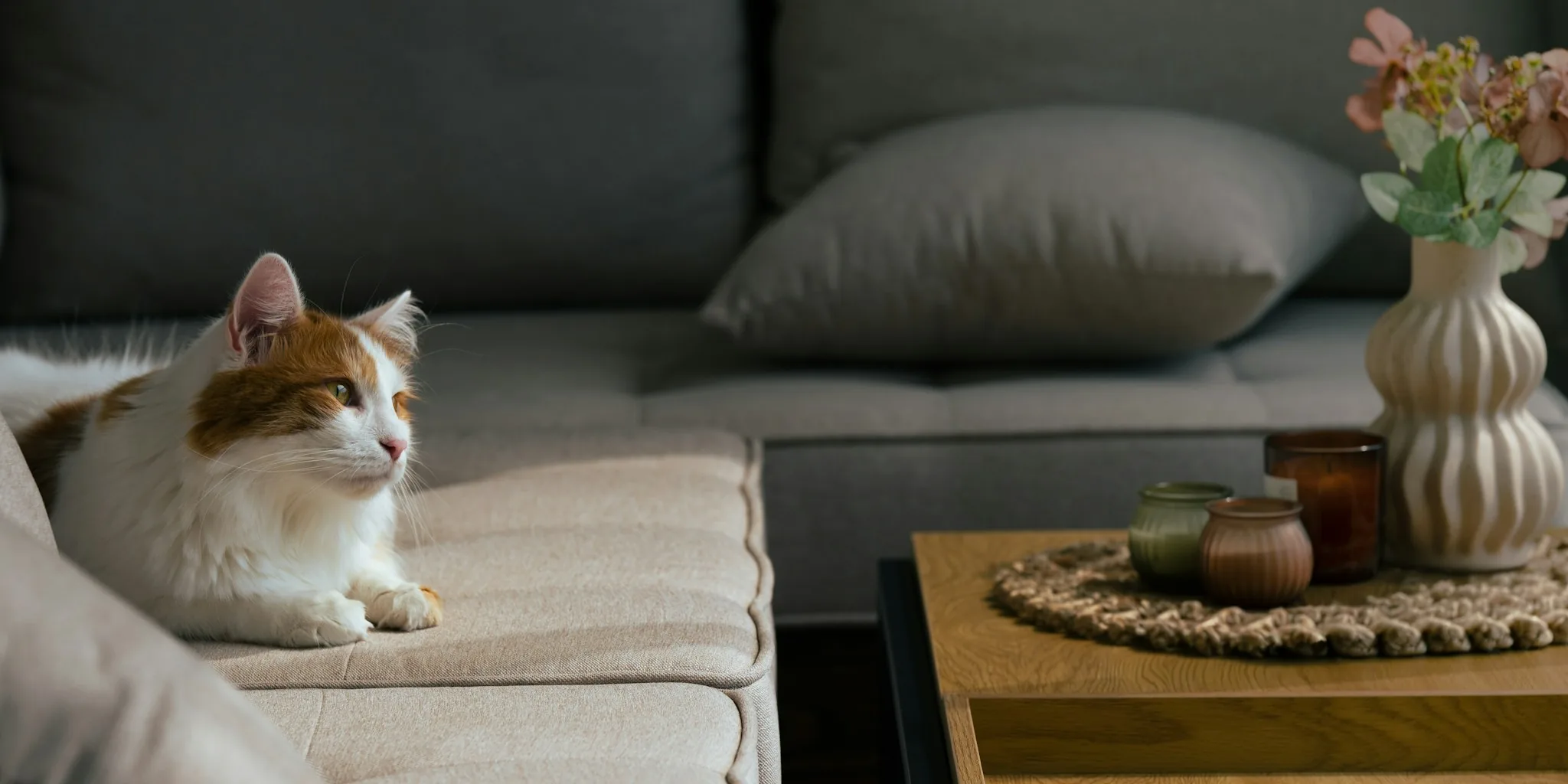

Researchers Introduce Scientific Method to Evaluate Your Cat’s Wellbeing

A groundbreaking assessment tool called the Feline Quality of Life questionnaire, or FelQoL, is changing how veterinarians and pet owners evaluate whether their cat is truly thriving. Unlike traditional examinations that focus on disease diagnosis, this new approach captures the everyday observations that only you can make about your feline companion’s behavior, comfort, and emotional state.
Why a New Assessment Tool Matters for Cat Owners
Cats are masters at hiding signs of discomfort and illness, a survival trait they evolved as both predators and prey. This means subtle changes in your cat’s daily behavior often go unnoticed until a problem becomes serious. Additionally, cats frequently behave differently at the veterinary clinic due to stress from travel, unfamiliar surroundings, and handling, so your vet may only see a snapshot that does not reflect how your cat actually lives at home.
The FelQoL questionnaire takes about four minutes to complete and was scientifically validated with responses from over 1,300 cat owners in the United States and the United Kingdom. It evaluates seven distinct dimensions of feline wellbeing: activity level, playfulness, mobility and comfort, appetite, interactions with people, vocal communication, and signs of relaxation and confidence.
What the Tool Reveals About Your Cat
The questionnaire goes far beyond physical health markers. A cat can be medically healthy but experience poor wellbeing if living with chronic stress or in an environment that does not meet their behavioral needs. Conversely, a cat managing a chronic health condition may enjoy an excellent quality of life with proper support.
Research using this tool revealed important insights. Older cats generally showed lower scores in activity, mobility, and social interaction, which helps veterinarians distinguish between normal aging and changes that warrant investigation. Cats with access to elevated resting places like shelves or cat trees demonstrated higher activity levels, emphasizing the importance of environmental enrichment. When selecting products for your home, consider investing in quality cat beds for every budget and style that encourage your cat to rest comfortably and feel secure.
How to Use This Tool for Better Pet Care
The questionnaire encourages you to notice the little changes in your cat’s daily life. Has your cat stopped jumping onto their favorite windowsill? Are they playing less than usual? Do they seem withdrawn or less interested in family interaction? These individual observations may seem insignificant on their own, but together they paint a meaningful picture of your cat’s overall wellbeing.
By monitoring these changes over time with your veterinarian, you may identify concerns earlier and evaluate how well treatments are working. This represents a shift toward preventive healthcare, where quality of life becomes an important consideration throughout your cat’s life, not just when they become seriously ill. When concerns arise, proper nutrition plays a key role, so exploring the best cat foods for picky eaters can help address appetite-related quality of life issues.
Practical Benefits for Your Household
The FelQoL tool does not replace veterinary examinations or diagnostic testing but complements them by organizing everyday observations into meaningful information your veterinarian can use alongside clinical findings. This collaborative approach recognizes that you know your cat better than anyone else and that your observations have genuine diagnostic value.
Researchers ensured the questionnaire remained practical for routine use. More than half of participants completed the full survey, including demographic questions, in under nine minutes. The preliminary reference values developed for different life stages give veterinarians helpful benchmarks for understanding what quality of life scores might look like in healthy kittens, adults, and senior cats.
Additionally, maintaining a clean, comfortable home environment supports your cat’s wellbeing. Proper litter box management is essential for behavioral health and indoor air quality, so selecting the best cat litter boxes for your budget is an investment in both cleanliness and your cat’s comfort.
What This Means When You Visit the Veterinarian
Your veterinarian may now ask you to complete the FelQoL questionnaire as part of routine care. Come prepared to discuss specific observations about your cat’s behavior, including changes in eating habits, activity level, mobility, and social interactions. Bring notes about any subtle shifts you have noticed, even if they seem minor. These details help your veterinarian gain a complete picture of your cat’s health beyond what can be observed during an examination.
This new tool represents recognition that paying attention to how your cat moves, plays, eats, rests, and interacts with your family tells an important story about their wellbeing. By combining your daily observations with clinical findings, you and your veterinarian can work together to help your cat live not only longer but also healthier, more comfortable, and more fulfilling lives.






Write Your Review
No reviews yet. Be the first to share your experience!