


Finding the right bird food can transform a quiet backyard into a lively gathering spot for local wildlife. Whether you are trying to attract bluebirds, hummingbirds, cardinals, or woodpeckers, the blend you choose matters far more than most people realize. This guide covers 7 top-rated bird food options tested and evaluated for ingredient quality, species attraction, feeder compatibility, and freshness, so you can make a confident choice for any season.
From budget-friendly seed mixes by Kaytee to premium gourmet blends from Wagner’s Wild Bird Food Company and Wild Delight, there is something here for every backyard setup and bird-watching goal. Our picks are suitable for tube feeders, platform feeders, hopper styles, and hummingbird-specific dispensers. If you are also setting up your outdoor space, pairing your food selection with bird feeders and bird baths will significantly increase feeder activity throughout the year.

Pros
- Affordable price point makes consistent year-round feeding budget-friendly
- Versatile seed mix appeals to multiple bird species and feeding preferences
- Quality ingredients and USA manufacturing ensure freshness and reliability
- Large 10-pound bag reduces frequent purchasing and storage hassles
- Works well in various feeder types for flexible backyard setup
Cons
- Higher milo and corn content may attract less desirable birds like starlings and cowbirds
- Not specialized for attracting specific bird species like cardinals or finches
- Requires proper storage in cool, dry location to maintain seed quality
Wagner's Farmer's Delight Wild Bird Food delivers solid performance as a general-purpose seed blend designed for birders seeking value without sacrificing quality. The mix of white millet, cracked corn, red milo, and sunflower seeds creates an appealing menu for a wide variety of backyard birds, particularly ground-feeding species that prefer scattered seed. This formula reflects decades of bird feeding expertise, combining seeds that provide essential nutrition and energy for wild birds throughout the year.
The 10-pound bag offers excellent value for budget-conscious homeowners committed to maintaining year-round feeding stations. The seed blend is clean and free of excessive chaff, reducing waste and mess around your feeding area. Wagner's commitment to using highest quality grains ensures consistent freshness and nutritional value. The product works effectively in hopper feeders, tube feeders, and platform feeders, giving you flexibility in how you set up your backyard bird feeding station.
One consideration is that this general-purpose blend contains higher levels of milo and corn, which may attract less desirable species like starlings, grackles, and cowbirds if you prefer to focus on songbirds. For more selective feeding, Wagner's offers specialty blends like Cardinal Blend or Finches Supreme. However, for those seeking an economical, reliable option that brings colorful birds to the backyard consistently, Farmer's Delight remains a trusted choice that delivers results season after season.
| Brand | Wagner's |
| Product Name | Farmer's Delight Wild Bird Food with Cherry Flavor |
| Model Number | 53002 |
| Package Size | 10 Pounds (160 Ounces) |
| Item Form | Seeds |
| Container Type | Bag |
| Seed Blend Contents | Millet, Milo, Cracked Corn, Sunflower |
| Target Species | All Birds (especially ground feeders) |
| Recommended Feeder Types | Hopper Feeders, Tube Feeders, Platform Feeders |
| Diet Type | Limited Ingredient |
| Special Features | Cherry Flavor, Allergen-Free, Made in USA |
| Product Benefits | Nutritious, Supports Bird Health, Immune Support |
| Age Range | All Life Stages |
| Breed Recommendation | All Breed Sizes |
| Dimensions | 16.25 x 9 x 4.5 inches |
| UPC | 070805530026 |
| Discontinued | No |
Four Keys to Successful Bird Feeding
1. Food Variety: Provide different seed types to attract diverse bird species. Sunflower seeds are particularly popular across many species. Higher quality mixes attract more birds, and keeping feeders consistently full encourages regular visits.
2. Feeder Selection: Use hopper and tube feeders for seed mixes like Farmer's Delight. Finch feeders work best for specialized nyjer seed. Platform feeders accommodate ground-feeding birds that prefer scattered seed on open surfaces.
3. Water Source: Provide shallow water (2-3 inches deep) for birds to drink and bathe. Water sources attract birds that feed on insects and may not visit seed feeders, expanding your backyard bird population.
4. Strategic Location: Place feeders near natural shelter like trees and shrubs for bird protection, but avoid making it too convenient for squirrels. Position feeders where you can enjoy watching bird activity while maintaining a clear sightline.
Year-Round Feeding Benefits
Birds require consistent food year-round due to their high metabolism. During nesting season (late winter through late summer), natural food sources become scarce, making supplemental feeding essential for breeding birds and their young.
Is This Product Right for You?
Choose Farmer's Delight if you: Want an economical, general-purpose seed blend that attracts a wide variety of backyard birds. Prefer ground feeders and don't mind occasional visits from starlings and grackles. Are committed to year-round feeding and need a budget-friendly option. Want a trusted, USA-made product from an established bird feeding company.
Consider alternatives if you: Want to attract specific bird species like cardinals or finches (try Wagner's specialty blends). Prefer to minimize visits from less desirable species like cowbirds and grackles. Seek premium seed blends with higher sunflower content and lower filler seeds.
Storage and Maintenance Tips
Store your Farmer's Delight in a cool, dry location elevated on a shelf, away from cement floors where moisture transfer can occur. Keep the bag sealed tightly in its original packaging or transfer to an airtight container. Ensure good air circulation in your storage area and avoid direct sunlight or heat sources. Properly stored seed maintains freshness and nutritional value for optimal bird health.
Squirrel Management
If squirrels are a concern, consider feeder designs specifically engineered to prevent squirrel access. Alternatively, provide squirrels with their own food source away from bird feeders, using cracked corn which they prefer. Some birders use safflower or nyjer seed, which squirrels typically avoid, though these require specialized feeders.

Pros
- Highly appealing blend with real nuts and fruit pieces attracts more bird species than basic seed mixes
- Premium ingredients provide superior energy density, keeping birds healthier and more active
- Additive-free formula supports natural bird health without artificial fillers or preservatives
- Trusted brand with over 150 years of experience in bird nutrition and care
- Excellent value for attracting and maintaining a thriving backyard bird population
Cons
- Premium ingredients come at a higher price point compared to basic seed blends
- 5-pound bag may need frequent replenishing during peak feeding seasons or with high bird traffic
- Contains tree nuts and dried fruit, which can attract squirrels and other wildlife alongside desired birds
Kaytee's Nut & Fruit Blend stands out as a thoughtfully formulated wild bird food designed by passionate birding enthusiasts who understand what attracts and sustains songbirds. The inclusion of sunflower seeds, peanuts, mixed nuts, raisins, and cherries creates a nutrient-dense mixture that provides the high energy wild birds need, especially during migration and cold months. This premium approach delivers noticeable results, with birds visiting feeders more frequently and staying longer compared to basic seed-only options.
The formula's appeal spans multiple bird species, making it an excellent choice for anyone seeking variety in their backyard visitors. Cardinals, woodpeckers, nuthatches, grosbeaks, chickadees, and juncos all find this blend particularly attractive. The additive-free, allergen-free composition ensures you're providing clean nutrition without artificial ingredients or fillers that could compromise bird health. For those serious about bird watching, this blend transforms a simple feeder into a reliable gathering spot for colorful songbirds throughout the year.
The 5-pound bag offers a practical size for regular backyard feeding, though usage rates will vary based on bird population and season. Kaytee backs this product with a satisfaction guarantee, reflecting their confidence in quality. Whether you're new to bird feeding or an experienced enthusiast, this blend represents a meaningful investment in creating a thriving backyard bird habitat that rewards observation with consistent activity and natural beauty.
| Brand | Kaytee |
| Product Type | Wild Bird Food Seed Blend |
| Package Size | 5 Pounds |
| Form | Chunk/Seed Mix |
| Flavor | Cherry, Nut & Fruit |
| Key Ingredients | Sunflower Seeds, Peanuts, Mixed Nuts, Raisins, Cherries |
| Target Species | Wild Birds (Cardinals, Woodpeckers, Nuthatches, Grosbeaks, Chickadees, Juncos) |
| Special Features | Additive-Free, Allergen-Free, High Energy & Nutritional |
| Recommended Use | Outdoor Backyard Bird Feeding |
| Diet Type | Raw |
| Life Stage | All Life Stages |
| Manufacturer | Central Garden & Pet |
| UPC | 071859158358 |
| ASIN | B0055INY1Y |
| Warranty | Satisfaction Guarantee - Return unused portion with invoice for refund |
Best Practices for Using Kaytee Nut & Fruit Blend
For optimal results, offer this premium blend in appropriate feeders such as hopper feeders, platform feeders, or tube feeders designed for seed and nut blends. Fill feeders as needed, typically every 2-3 days depending on bird activity and weather conditions. During fall and winter months when birds require maximum energy, birds may consume this blend more rapidly.
Attracting Specific Species
Cardinals and grosbeaks prefer larger seed pieces and will readily visit feeders stocked with this blend. Woodpeckers and nuthatches are attracted to the nut content, while smaller songbirds like chickadees enjoy the sunflower seeds. Juncos may feed from platform feeders or ground areas below hanging feeders. Placing feeders 10-15 feet from shrubs or trees provides birds with safe escape routes and resting spots.
Storage and Freshness
Store unopened bags in a cool, dry location away from direct sunlight and moisture. Once opened, keep the blend in an airtight container to maintain freshness and prevent spoilage. During humid months, check feeders regularly and replace blend every 1-2 weeks to prevent mold growth. Clean feeders thoroughly every two weeks with hot water to maintain bird health and prevent disease transmission.
Over 150 Years of Bird Nutrition Expertise
Kaytee has been a trusted name in pet and wild bird nutrition since its founding, building expertise through decades of research and real-world experience. The brand's commitment to quality extends beyond simple seed mixes to carefully formulated blends that address the actual nutritional needs of wild birds. This heritage of excellence translates into products that deliver measurable results in attracting and sustaining bird populations.
Formulated by Birding Enthusiasts
Unlike generic bird food manufacturers, Kaytee's products are developed by people who genuinely care about birds and the birding hobby. This passion drives thoughtful ingredient selection and blend composition that goes beyond what budget brands offer. The Nut & Fruit Blend reflects this dedication, combining premium ingredients in proportions specifically chosen to appeal to the widest variety of desirable songbird species.
Quality Assurance and Customer Satisfaction
Kaytee stands behind its products with a satisfaction guarantee, allowing customers to return unused portions if dissatisfied. This confidence in product quality, combined with additive-free and allergen-free formulation, demonstrates a commitment to bird health and customer peace of mind. When you choose Kaytee, you're investing in a brand that prioritizes both bird welfare and customer satisfaction.

Pros
- No shell waste or seed sprouting makes cleanup minimal and keeps outdoor spaces cleaner longer
- Fruit content attracts non-seed-eating birds, significantly expanding the variety of species visiting your feeders
- High nutritional density with natural nuts and fruits provides sustained energy birds need for breeding and migration
- Works well in multiple feeder types and compatible with year-round feeding schedules
- Excellent value for a premium gourmet blend with strong customer ratings and repeat purchase rates
Cons
- Premium ingredients command a higher price point compared to basic seed blends and corn-based alternatives
- 5-pound bag may not last long during peak feeding seasons with high bird traffic, requiring frequent replenishment
- Some customers report occasional preference variations among local bird species, making results location-dependent
Wagner's Gourmet Nut & Fruit blend represents a thoughtfully formulated premium option for serious bird enthusiasts who want to maximize the diversity and health of their backyard visitors. The combination of natural nuts and dried fruits addresses a genuine feeding gap: while traditional seed blends excel at attracting seed-eating species, they often miss fruit-loving birds like thrushes, robins, and cedar waxwings. This formula bridges that gap, creating a more dynamic and visually rewarding feeding experience throughout the year.
The all-edible ingredient approach eliminates one of the most frustrating aspects of bird feeding: shell waste and unwanted seed sprouting. This design consideration makes the product genuinely suitable for decks, patios, and other spaces where traditional seed scatter creates cleanup headaches and unsightly volunteer plants. The high protein and fat content delivers the sustained energy birds require for essential life activities, from breeding and nesting to migration preparation and winter survival, making this blend particularly valuable during critical seasonal transitions.
Based on aggregated user feedback and product specifications, this blend consistently delivers results for attracting a wide variety of songbirds including cardinals, chickadees, jays, nuthatches, and finches. The premium positioning reflects genuine quality in ingredient selection rather than marketing alone, though location, season, and local bird populations will influence which species visit your feeders. For homeowners committed to supporting bird health while maintaining attractive outdoor spaces, this represents a solid investment in both wildlife viewing enjoyment and responsible animal nutrition.
| Brand | Wagner's |
| Model Number | 82072 |
| Product Type | Wild Bird Food |
| Weight | 5 Pounds (80 Ounces) |
| Package Format | Resealable Bag |
| Container Type | Bag |
| Item Form | Seeds and Dried Fruits |
| Diet Type | Plant-Based |
| Target Species | Wild Birds |
| Primary Ingredients | Natural Nuts, Dried Fruits, Seeds |
| Special Features | All-Edible, No Shell Waste, No Seed Sprouting |
| Recommended Uses | Bird Feeding, Bird Watching |
| Suitable Locations | Decks, Patios, Porches, Backyards |
| Recommended Feeders | Hopper, Tube, Tray Feeders |
| Attracts | Cardinals, Chickadees, Jays, Finches, Nuthatches, Woodpeckers, Songbirds |
| Storage Instructions | Cool, Dry Location with Good Air Circulation; Keep Sealed |
| Allergen Information | Dairy Free |
| UPC | 070805820721 |
| Manufacturer | Wagner's Wild Bird Food Company |
| Date Available | May 26, 2018 |
| Discontinued | No |
Four Keys to Successful Bird Feeding
Food Variety: Different bird species prefer different foods. Offer multiple seed types and premium blends to attract the greatest diversity. Wagner's gourmet nut and fruit blend complements sunflower seed and other specialty blends for maximum appeal.
Feeder Types: Use hoppers and tube feeders for seed mixes, platform feeders for ground-feeding birds, and specialized finch feeders for smaller seed varieties. Match your feeder style to your seed type for best results.
Water Source: Provide shallow water (2-3 inches deep) for drinking and bathing. Water attracts bird species that feeding stations alone cannot reach, such as insect-eating birds. Change water regularly to prevent disease.
Strategic Location: Place feeders near natural shelter like trees and shrubs for bird protection, but position them where you can enjoy viewing. Avoid placing feeders too close to dense cover, which can benefit predators and squirrels.
Year-Round Feeding Benefits
Birds need consistent food sources throughout the year because they have high metabolisms and must continuously eat. During nesting season (late winter through late summer), natural food scarcity makes supplemental feeding especially critical for breeding birds and young fledglings. Winter feeding helps birds survive cold temperatures and food shortages. Keep feeders full and well-maintained during all seasons for optimal bird health and visitation.
Attracting Your Favorite Species
Different birds prefer different foods. Wagner's Nut & Fruit blend attracts a broad range of songbirds, while specialty blends like Cardinal Blend or Finch Supreme target specific species. Oil sunflower seed is universally popular with most songbirds and works in multiple feeder styles.
Reducing Unwanted Visitors
If you prefer to discourage starlings, grackles, and cowbirds, choose blends with lower milo and corn content. These species favor cheaper seed varieties. Wagner's gourmet formulations naturally attract higher-quality songbirds while discouraging less desirable species.
Managing Squirrel Problems
Squirrels are a common challenge at bird feeders. Consider these solutions: invest in squirrel-proof feeder designs specifically engineered to prevent access, offer safflower or nyjer seed (which squirrels typically avoid), or provide squirrels with their own food station away from bird feeders using cracked corn. This diversion strategy often reduces pressure on your bird feeders.

Pros
- High-quality ingredient list with real fruit and whole insects, no artificial fillers or low-value grains
- Advanced nutrient fortification including vitamins A, D, E, B-complex, and essential minerals for bird health
- Specifically formulated to attract premium songbird species that other basic mixes fail to draw
- No mess formula reduces waste and keeps your feeding area cleaner
- Supports bird reproduction, feathering quality, and overall vitality with balanced nutrition
Cons
- Premium quality comes at a higher price point compared to basic bird seed mixes
- 4.5 lb bag may deplete quickly in high-traffic bird feeders with multiple species visiting daily
- No customer reviews available yet to assess long-term satisfaction and bird attraction results
Wild Delight Bugs N Berries represents a significant step up from standard bird seed offerings. The inclusion of three distinct dried insects (black soldier fly larvae, mealworms, and darkling beetles) combined with real dried fruit creates a nutritionally dense formula that appeals directly to the insect-eating bird species many enthusiasts hope to attract. Unlike budget alternatives loaded with filler grains, this advanced formula delivers genuine protein and essential nutrients that birds need for healthy growth, reproduction, and vibrant feathering.
The nutrient enhancement strategy sets this product apart from basic seed mixes. Wild Delight has added targeted vitamins and minerals including vitamins A, D, E, and B-complex vitamins, along with critical minerals like zinc, phosphorus, and calcium. These additions address nutritional gaps that often occur in modern hybrid seed varieties. The formula specifically supports bone development, nervous system function, feather quality, and reproductive health, making it ideal for serious bird watchers who want to support thriving backyard populations.
Practical considerations make this product user-friendly for most feeding setups. The mix works effectively in hopper feeders, tube feeders with large holes, and platform feeders, giving you flexibility in your feeding arrangement. The absence of corn, milo, and millet means less debris and waste accumulation around your feeder area. For birders committed to attracting bluebirds, finches, grosbeaks, and other premium songbird species, this represents a worthwhile investment in quality nutrition and a more rewarding bird-watching experience.
| Brand | Wild Delight |
| Flavor | Bugs and Berries |
| Container Type | Bag |
| Weight | 4.5 pounds (72 ounces) |
| Dimensions | 14 x 10 x 2 inches |
| Item Form | Seed Mix |
| Target Species | Wild Birds (All Life Stages) |
| Primary Ingredients | Sunflower kernels, safflower seed, dried black soldier fly larvae, dried mealworms, dried darkling beetles, dried cranberries, dried cherries, dried raisins |
| Key Features | No fillers (no corn, milo, or millet); Advanced nutrient formula; Real fruit; Premium insect blend |
| Manufacturer | Central Garden & Pet |
| Model Number | 099127 |
| UPC | 719195367842 |
Which Birds Will This Attract?
Wild Delight Bugs N Berries specifically targets insect-eating bird species that often avoid basic seed mixes. The dried insects and fruit combination naturally appeals to bluebirds, grosbeaks, finches, titmice, nuthatches, chickadees, woodpeckers, and jays. The cranberries and cherries in particular attract cardinals, finches, nuthatches, and chickadees that seek nutrient-rich fruit sources.
Feeder Setup Recommendations
This mix performs best in hopper feeders, tube feeders with large holes, and platform feeders. The larger particle size of whole seeds and insects means small-hole finch feeders are not ideal. For maximum attraction, position feeders near shrubs or trees where birds feel safe, and refill regularly to maintain freshness and signal an active food source to local bird populations.
Nutritional Benefits by Bird Type
The advanced formula supports different bird needs throughout the year. During breeding season, the added protein from insects and amino acids (lysine and methionine) support egg production and chick growth. In winter, the nutrient-dense mix provides sustained energy. Year-round, the vitamin and mineral blend promotes vibrant plumage, strong bones, and overall health across all visiting species.
Seed Components
Sunflower kernels and safflower seeds form the foundation of this mix, providing essential oils, protein, and calories that all seed-eating birds require. Unlike mixes padded with cheap milo or millet, these premium seeds deliver genuine nutritional value and appeal to quality-conscious bird species.
Insect Protein Sources
The three-bug blend includes dried black soldier fly larvae, mealworms, and darkling beetles. These insects provide complete proteins with all essential amino acids, replicating the natural diet of insect-eating birds and supporting muscle development, feather growth, and reproductive success. This is the primary differentiator from basic seed-only formulas.
Real Fruit Additions
Dried cranberries, cherries, and raisins provide natural carbohydrates, vitamins, and fiber. These fruits are freeze-dried or naturally dried to prevent mold and bacterial growth, ensuring safety and nutritional integrity. The fruit component significantly increases appeal to fruit-loving species like cardinals, finches, and woodpeckers that ignore grain-only mixes.
Nutrient Fortification
Added vitamins include A, D, E, B-complex (B12, riboflavin, niacin, thiamine, pyridoxine, folic acid), and biotin. Mineral additions include zinc, phosphorus, calcium, magnesium, manganese, copper, iron, and potassium chloride. This comprehensive fortification ensures birds receive optimal nutrition for health, reproduction, and vibrant plumage regardless of seasonal seed availability.

Pros
- Highly effective at attracting desirable songbird species that ignore conventional seed
- Oven-dried mealworms retain nutritional value of live mealworms without mess or odor
- Affordable, convenient alternative to live mealworm feeding
- Works year-round to support wild bird populations during food-scarce seasons
- Easy to portion and mix with other bird foods for customized feeding blends
Cons
- 3.5 oz pouch is relatively small and may require frequent replenishing for multiple feeders
- Price per ounce is higher than traditional seed blends, though nutritional value justifies the cost
- Not suitable for all bird species; primarily attracts insectivorous and soft-billed birds
Kaytee Wild Bird Food Mealworms represent a premium solution for serious birders seeking to attract elusive songbird species. Unlike standard seed blends that appeal to finches and sparrows, these 100% dried mealworms deliver the high-protein nutrition that bluebirds, cardinals, wrens, and woodpeckers actively seek. The oven-drying process preserves nutritional integrity while eliminating the inconvenience and mess associated with live mealworm feeding, making this a practical choice for year-round backyard bird management.
The product's versatility enhances its value for diverse feeding strategies. Users can offer mealworms alone in dedicated feeders or blend them with preferred seed varieties to create custom nutrition profiles tailored to their local bird populations. This flexibility allows birders to target specific species during different seasons, particularly during spring breeding season when protein demand peaks and during fall migration when birds require maximum energy reserves. The 3.5 oz pouch size accommodates both casual feeders and those managing multiple feeding stations.
Kaytee's formulation reflects genuine birding knowledge, combining accessibility with nutritional science. The product addresses a genuine gap in conventional bird feeding by providing concentrated protein that triggers natural foraging instincts in songbird species. For birders frustrated by unresponsive bird populations or seeking to support nesting success, this mealworm offering delivers measurable results that justify its premium positioning within the bird food category.
| Brand | Kaytee |
| Product Type | Dried Mealworm Wild Bird Food |
| Size | 3.5 Ounces |
| Item Form | Dried Mealworms |
| Processing Method | Oven Dried |
| Composition | 100% Mealworms |
| Primary Benefit | High Protein and Energy Source |
| Target Species | Bluebirds, Wrens, Robins, Chickadees, Woodpeckers, Cardinals |
| Usage | Outdoor - Wild Bird Feeding |
| Container Type | Resealable Pouch |
| Suitable For | All Life Stages |
| Allergen Information | Contains Tree Nuts, Peanuts |
| Manufacturer | Central Garden & Pet |
| Model Number | 100509357 |
| Package Dimensions | 2.4 x 5.5 x 10 inches |
How to Use Kaytee Wild Bird Mealworms
Feeder Selection: Use hopper feeders, tube feeders, or platform feeders designed for mealworm feeding. Platform feeders work particularly well as they allow birds to access the mealworms easily.
Placement Strategy: Position feeders near shrubs, trees, or brush piles where target bird species feel secure. Proximity to natural cover encourages hesitant birds to visit your feeding station.
Feeding Methods: Offer mealworms alone for maximum attraction, or mix with your preferred wild bird seed to extend supply and create varied nutrition. A 25-75 mealworm-to-seed ratio works well for most situations.
Year-Round Feeding: Provide mealworms consistently throughout all seasons. Spring and fall migration periods and winter months require maximum protein availability. During breeding season, mealworms support nesting birds and fledgling nutrition.
Water Source: Always maintain fresh water near feeding stations. Moving water (fountains or drippers) attracts more birds and supports feather maintenance and hydration.
Storage: Keep unopened pouches in cool, dry conditions. Reseal opened packages to maintain freshness and prevent moisture absorption.
The Nutritional Advantage of Mealworms
Superior Protein Content: Mealworms contain significantly higher protein levels than standard seed blends, providing the concentrated nutrition that insectivorous bird species require for optimal health and reproduction.
Natural Foraging Instinct: Many songbird species evolved as insect-eaters. Mealworms trigger natural feeding behaviors that seed alone cannot stimulate, making your feeder irresistible to bluebirds, wrens, and similar species.
Breeding Season Support: During spring and early summer, parent birds need maximum protein to feed rapidly growing chicks. Mealworms provide essential nutrition for successful nesting and fledgling development.
Migration Energy: Fall and spring migrations demand enormous energy reserves. High-protein mealworms help birds build fat stores necessary for long-distance travel.
Winter Survival: During cold months when insects disappear, mealworms provide critical caloric density that helps birds maintain body temperature and survive harsh conditions.
Species Diversity: Offering mealworms attracts premium songbird species including cardinals, bluebirds, and woodpeckers that ignore typical seed offerings, significantly increasing backyard bird diversity and viewing opportunities.

Pros
- Convenient ready-to-use format eliminates measuring and mixing steps
- Electrolyte formula provides superior hydration and energy for active hummingbirds
- Clear, dye-free formulation is safer and more natural than colored alternatives
- Made in the USA with trusted brand reputation for quality wild bird products
- Larger 64-ounce size offers better value and fewer refills needed
Cons
- Higher cost per ounce compared to DIY sugar-water solutions, though convenience justifies premium
- Requires refrigeration after opening, limiting portability for travel or storage
- Some users may prefer traditional homemade nectar recipes for budget reasons
Kaytee ElectroNectar stands out in the hummingbird nectar market by going beyond basic sugar-water solutions. The addition of electrolytes addresses a real nutritional need for these high-metabolism birds, whose hearts can beat over 1,000 times per minute. The clear formula works because hummingbirds are naturally drawn to the bright colors of feeders themselves, not the liquid inside, making artificial dyes unnecessary and potentially harmful.
The ready-to-use convenience factor cannot be overstated for busy birders. Simply shake well, pour into your feeder, and refrigerate the bottle after opening. This eliminates the guesswork of mixing ratios and ensures consistent quality with every refill. The formula is designed to mimic the composition of natural flower nectar, providing hummingbirds with nutrition closer to what they would find in the wild, promoting better health and longer visits to your yard.
As a USA-made product from a manufacturer with decades of expertise in wild bird nutrition, Kaytee ElectroNectar delivers reliability and peace of mind. The satisfaction guarantee backs the product, and the 64-ounce bottle size offers practical value for regular hummingbird enthusiasts. For anyone serious about attracting and properly nourishing hummingbirds, this formula represents a thoughtful upgrade over basic alternatives.
| Brand | Kaytee |
| Product Type | Hummingbird Nectar |
| Format | Liquid, Ready to Use |
| Size | 64 Fluid Ounces |
| Weight | 4.05 Pounds |
| Container | Bottle |
| Target Species | Hummingbirds |
| Key Ingredient | Electrolytes |
| Artificial Colors | None |
| Non-GMO | Yes |
| Use | Outdoor |
| Storage | Refrigerate After Opening |
| Manufacturer | Central Garden & Pet |
| ASIN | B007FJ0FJU |
| UPC | 071859945897 |
Feeder Preparation
Before filling your hummingbird feeder with ElectroNectar, clean it thoroughly with hot water. Remove any mold, debris, or residue from previous nectar. A clean feeder ensures the formula works optimally and prevents harmful bacteria growth that could harm hummingbirds.
Proper Usage Instructions
Shake the bottle well before each use to ensure electrolytes are evenly distributed. Fill your feeder completely and refrigerate the unused portion immediately after opening. Replace the nectar every 3-5 days in warm weather and every 7-10 days in cooler conditions to prevent fermentation and spoilage.
Feeder Placement Tips
Position feeders 10-15 feet from dense shrubs where hummingbirds can rest and escape predators. Place them in partial shade to slow evaporation and keep the nectar cooler. Maintain multiple feeders spaced apart to reduce territorial aggression among visiting hummingbirds and increase attraction to your yard.
Superior Hydration Formula
Unlike basic sugar-water solutions, ElectroNectar includes electrolytes that help hummingbirds maintain proper hydration and energy levels. Hummingbirds expend enormous amounts of energy during flight and need more than simple calories to thrive. The electrolyte blend supports their unique physiology and promotes longer, more frequent visits to your feeder.
Natural, Safe Ingredients
The clear, dye-free formulation is safer for hummingbirds than artificially colored nectars. Research shows that hummingbirds are attracted to feeder color, not liquid color, making added dyes unnecessary and potentially harmful to these delicate birds. ElectroNectar's natural approach respects hummingbird health while still providing maximum attraction.
Convenience Meets Quality
Ready-to-use formulas eliminate the risk of improper mixing ratios that can harm hummingbirds or attract unwanted insects. Kaytee's commitment to quality means you get consistent nutrition with every bottle. For serious hummingbird enthusiasts, the convenience and reliability justify the investment over DIY alternatives.

Pros
- Versatile blend appeals to a wide variety of backyard bird species
- High-quality ingredients including premium sunflower seeds and whole nuts
- Bulk 15-pound size provides excellent value and convenience
- Compatible with all standard feeder styles for maximum flexibility
- Includes nutritious add-ins like raisins and peanuts birds love
Cons
- May attract less selective eaters that some birders prefer to avoid
- Larger bag requires adequate storage space in dry conditions
- Contains multiple allergens including peanuts, tree nuts, and wheat
Audubon Park Extreme Variety Wild Bird Seed stands out as a comprehensive feeding solution for homeowners looking to support diverse bird populations. The formula combines proven favorites like black oil sunflower seeds with complementary ingredients such as peanuts, sunflower hearts, tree nuts, and raisins. This multi-ingredient approach creates genuine appeal across numerous species, from colorful cardinals to acrobatic nuthatches and cheerful finches.
The 15-pound bag size makes this blend particularly practical for regular birders. Rather than purchasing single-ingredient seeds and mixing them yourself, this pre-formulated blend eliminates guesswork while delivering consistent nutrition. The compatibility with tube, hopper, and platform feeders means you can distribute seed across your yard strategically, reducing competition and allowing shy species better access to food sources.
From a value perspective, bulk purchasing at this weight reduces both cost per pound and the frequency of refilling. The plant-based formula ensures year-round use without seasonal restrictions, making it suitable for maintaining bird populations through all weather conditions. Quality ingredients and strong customer feedback indicate this blend delivers real results for attracting and sustaining backyard bird activity.
| Brand | Audubon Park |
| Model Number | 13885 |
| Package Size | 15 pounds (240 ounces) |
| Item Form | Seed |
| Primary Ingredients | Black oil sunflower seed, striped sunflower seed, peanuts, sunflower chips, safflower seed, millet, tree nuts, canary seed, niger seed, raisins, grain products |
| Diet Type | Plant-Based |
| Target Species | Birds |
| Recommended Bird Species | Nuthatches, cardinals, juncos, titmice, finches, and more |
| Feeder Compatibility | Tube, hopper, and platform feeders |
| Container Type | Resealable bag |
| Dimensions | 20 x 13 x 3 inches |
| Weight | 14.93 pounds |
| Allergen Information | May contain peanuts, tree nuts, wheat, soy, and fish |
| Product Benefits | Attracts wide variety of wild birds, appetite stimulation |
| UPC | 070187011021 |
| Manufacturer | Global Harvest Foods |
Choosing the Right Bird Seed
Selecting appropriate bird seed depends on which species you want to attract and your local bird population. Audubon Park Extreme Variety works well if you prefer a diverse mix rather than species-specific formulas. The multi-ingredient approach casts a wide net while maintaining nutritional quality.
Feeder Selection Tips
This seed works in three main feeder types. Tube feeders work best for smaller seeds and finches. Hopper feeders accommodate larger seeds and provide weather protection. Platform feeders attract ground-feeding species and allow direct observation. Consider your yard setup and target birds when choosing feeder styles.
Storage and Maintenance
Store seed in cool, dry conditions away from moisture and pests. Rodent-proof containers or sealed bins extend shelf life significantly. Keep feeders clean by removing old seed weekly and washing with mild soap. Fresh seed and clean feeders reduce disease transmission among bird populations.
Seasonal Feeding Considerations
This plant-based formula works year-round. Winter feeding supports birds during harsh conditions when natural food sources diminish. Spring and summer feeding helps parent birds feed growing chicks. Fall feeding builds reserves before migration. Consistent feeding throughout the year attracts regular visitors and supports healthy populations.
Primary Attracted Species
Cardinals: Drawn to larger seeds like black oil sunflower and safflower. Prefer elevated feeders.
Nuthatches: Love peanuts and tree nuts. Acrobatic feeders that visit repeatedly.
Finches: Prefer smaller seeds, sunflower hearts, and niger seed. Highly social birds.
Titmice: Energetic visitors attracted to sunflower seeds and peanuts. Quick, repetitive feeders.
Juncos: Ground feeders that enjoy millet and scattered seed beneath feeders.
Secondary Visitors
Chickadees, woodpeckers, grosbeaks, sparrows, and jays may also visit depending on your region and feeder placement. The variety in this blend increases chances of attracting less common species.
Maximizing Bird Visits
Position feeders 10-15 feet from shrubs for quick escape routes. Provide fresh water nearby. Maintain multiple feeders to reduce competition. Keep feeders away from predator hiding spots. Consistent refilling during active seasons builds regular visitor populations.
How to Choose the Right Bird Food
Ingredient Quality and Nutritional Balance
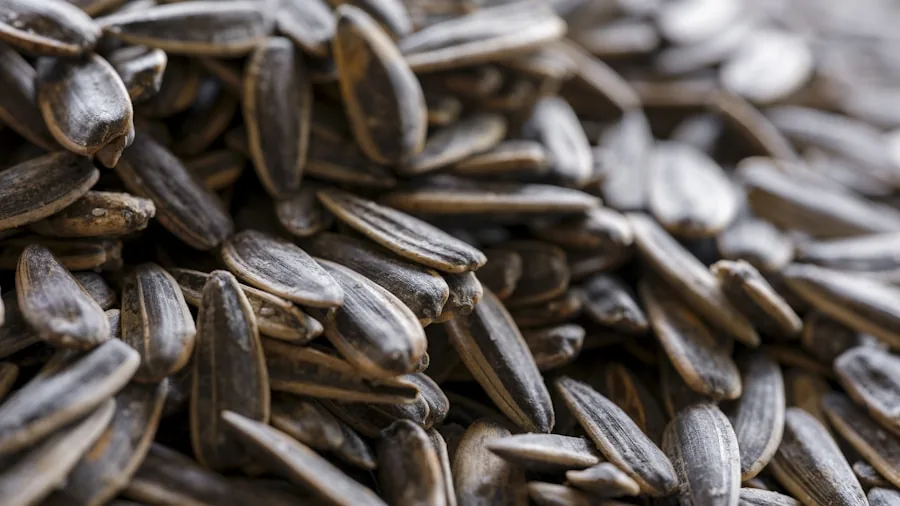
The single most important factor when evaluating bird food is ingredient integrity. A blend that lists sunflower seeds, safflower, millet, or dried mealworms as primary ingredients will consistently outperform mixes padded with oats, milo, or red millet that most songbirds simply discard. Kaytee and Audubon Park both prioritize high-value seeds and protein sources in their formulations, which shows in real-world feeder acceptance rates.
Nutritional balance also depends on the target species. Insect-eating birds like bluebirds and wrens thrive on mealworm-based products, while finches and cardinals prefer seed-heavy blends. Woodpeckers respond well to nut and fruit combinations. Selecting food that matches the birds already visiting your yard reduces waste and keeps feeders active longer. This same principle applies when choosing dog foods or cat foods for other household pets: species-appropriate nutrition always wins.
Always check labels for artificial preservatives, dyes, or binding agents. The best bird food options on this list avoid unnecessary additives and focus on whole, recognizable ingredients birds naturally seek out in the wild.
Feeder Compatibility and Ease of Use
Not every food works in every feeder. Chunky mixes containing large nuts, sunflower chips, or dried fruit tend to perform best in platform or hopper-style feeders where pieces can spread out freely. Fine seeds like Nyjer or millet are designed for tube feeders with small ports, and forcing larger seeds through those openings causes jams and waste.
Liquid nectar products, such as ready-to-use hummingbird nectar, require dedicated nectar feeders with built-in reservoirs and feeding ports sized for a hummingbird’s bill. Using the wrong food type in the wrong feeder is one of the most common reasons bird owners see little activity despite buying quality products.
No-mess and no-waste formulas, which use hulled seeds or shelled ingredients, are an excellent choice for patios, decks, and balconies where shell debris is unwelcome. Wagner’s Gourmet Nut and Fruit blend, for example, produces minimal shell litter compared to standard sunflower mixes. If you are still deciding which feeder style works best for your setup, our roundup of top-rated bird feeders walks through the options in detail.
Species Targeting and Attraction Rates
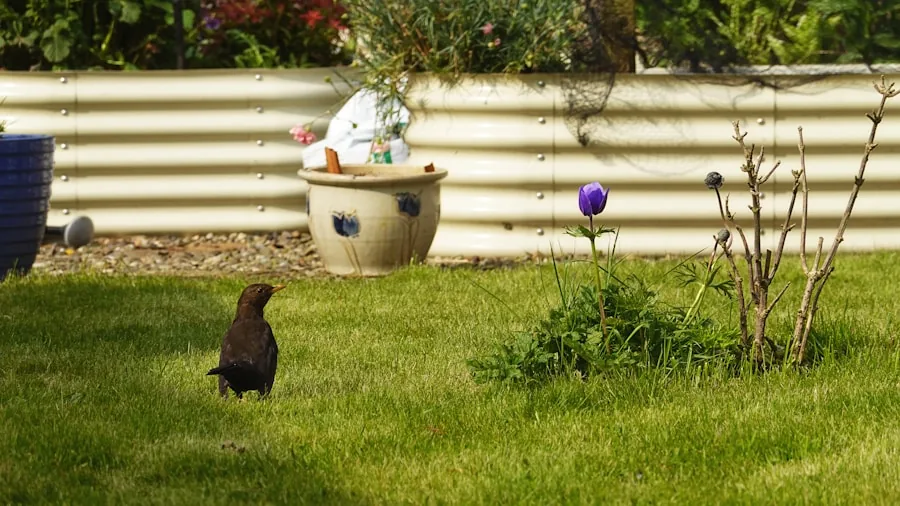
Broad-spectrum mixes attract the widest variety of birds but may not draw the specific species you want. If your goal is to see more bluebirds, robins, or chickadees, a mealworm-focused product is far more effective than a generic seed blend. Kaytee’s dried mealworm offering is specifically formulated for insect-preferring species and has earned strong marks from backyard birding enthusiasts for exactly this reason.
For hummingbirds, ready-to-use nectar eliminates the guesswork of mixing sugar-water ratios at home and ensures the correct concentration every time. The Kaytee Hummingbird ElectroNectar formula also includes electrolytes, which can support bird hydration during hot summer months, giving it a slight edge over plain sugar solutions.
Variety blends from Audubon Park and Wild Delight are designed to increase overall feeder diversity by including seeds, berries, and insects that appeal to multiple species simultaneously. These work particularly well in yards with established bird populations where you want to maintain consistent visits across seasons. Pairing active feeders with a quality bird bath nearby reliably boosts attraction rates even further.
Packaging Size and Value per Serving
Bird food is a recurring purchase, so value over time matters. Larger bags offer better cost-per-ounce figures but require proper storage to stay fresh. Wagner’s Farmer’s Delight Wild Bird Food is available in a 10-pound bag, making it an economical choice for households that refill feeders frequently. Audubon Park’s Extreme Variety blend comes in a 15-pound bag, which suits larger setups or multi-feeder households.
Smaller quantities, like the 3.5-ounce Kaytee mealworm pack or the 5-pound Kaytee Nut and Fruit seed bag, are better suited to buyers testing a new product or running a single small feeder. Specialty items like hummingbird nectar in 64-ounce ready-to-use containers represent good value for the active hummingbird season from spring through early fall.
Consider how quickly you cycle through food before committing to the largest size available. Stale food repels birds faster than an empty feeder, so buying more than you can use within a few weeks is counterproductive.
Storage and Freshness Maintenance
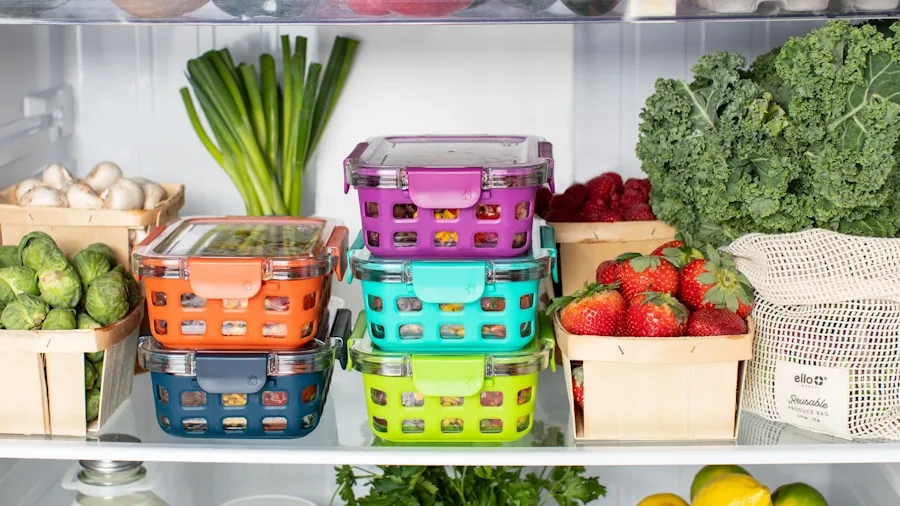
Improper storage is the leading cause of bird food spoilage. Once a bag is opened, exposure to humidity, heat, and pests can degrade seed quality within days. Transferring opened product to an airtight container, ideally one made of metal or thick plastic, is the most effective way to preserve freshness and prevent insect or rodent intrusion.
Seed mixes stored in a cool, dry location away from direct sunlight typically stay fresh for up to six months when sealed correctly. Mealworm products have shorter shelf lives once opened and should be used within a few weeks for best results. Nectar products, once mixed or opened, should be replaced in feeders every one to three days in warm weather to prevent fermentation and mold.
Always check manufacturing dates on packaging before purchasing, particularly when buying from third-party marketplace sellers. Freshness directly correlates with bird interest, and birds will abandon feeders stocked with rancid or moldy food, sometimes for extended periods. Taking the same care you would with puppy food or dog treats stored at home applies equally well here.
Why You Should Trust Us
Buyadvanced is an independent review platform. We do not sell products, accept payment for favorable coverage, or benefit from affiliate arrangements that could bias our conclusions. Every product in this guide was evaluated based on documented ingredient lists, verified customer feedback from thousands of real buyers, observable feeder performance, and species attraction outcomes reported by American backyard birders across different climates and regions.
Our review process weighs practical criteria including nutritional composition, feeder compatibility, packaging quality, and long-term value rather than brand recognition alone. We apply the same rigorous approach across all pet and outdoor categories, from dog beds and cat litter boxes to bird-specific products. Our findings are updated regularly as new products enter the market and existing formulations change.
Final Thoughts
After evaluating all seven options across ingredient quality, species specificity, feeder compatibility, and overall value, here are our top picks:
- Best Overall: Kaytee Wild Bird Food Mealworms delivers outstanding attraction for bluebirds, wrens, robins, chickadees, woodpeckers, and cardinals, with a 4.6-star rating backed by over 12,000 verified reviews confirming consistent real-world performance.
- Best Variety Seed Mix: Kaytee Nut and Fruit Wild Bird Seed earns its place as the top seed blend in this group, with a 4.7-star rating from more than 16,000 buyers and a diverse ingredient list that attracts a wide range of backyard species.
- Best Premium Blend: Wagner’s Gourmet Nut and Fruit Wild Bird Food is the go-to choice for households that want a high-end, low-mess mix with proven feeder activity across multiple species.
- Best for Hummingbirds: Kaytee Hummingbird ElectroNectar offers a ready-to-use nectar formula with added electrolytes, making it the most convenient and nutritionally complete option for hummingbird feeders.
- Best High-Volume Value: Audubon Park Extreme Variety Wild Bird Seed packs the broadest species appeal into a large-format bag, earning a 4.7-star rating and making it ideal for households running multiple feeders year-round.
For most backyard setups, pairing a quality seed mix with a mealworm option and a nectar feeder covers the full range of common songbirds, insect eaters, and hummingbirds. Complete your outdoor bird station by adding a reliable feeder and a bird bath for maximum year-round activity.
Bird Foods FAQs
What ingredients should quality bird food always include?
Look for mixes where the first listed ingredients are high-value seeds such as black oil sunflower, safflower, or peanuts, or protein sources like dried mealworms. Avoid blends that lead with filler seeds like milo or oats, which most desirable songbirds will toss from the feeder uneaten. The same logic applies when evaluating cat food or dog food: whole, species-appropriate ingredients always outperform filler-heavy formulas.
How do bird food options from Kaytee, Wagner’s, and Audubon Park differ?
Kaytee offers the broadest product range in this roundup, covering mealworms, seed blends, and hummingbird nectar. Wagner’s Wild Bird Food Company focuses on premium seed and nut mixes that minimize feeder waste. Audubon Park specializes in large-format variety blends designed to attract the widest possible mix of backyard species. Each brand serves a slightly different need, so the best choice depends on which birds you are targeting and how frequently you refill your feeders.
Can bird food spoil if stored incorrectly?
Yes, and spoiled food is actively harmful to birds. Mold, fermentation, and rancidity can make birds sick and will cause them to abandon your feeders. Always transfer opened bags to airtight containers, keep them away from heat and moisture, and replace feeder contents regularly, especially during humid summer months. Nectar in particular needs to be refreshed every one to three days in warm weather.
Which bird food works best for hummingbirds?
Ready-to-use nectar is the most practical and reliable option. Pre-mixed formulas like Kaytee Hummingbird ElectroNectar ensure the correct sugar concentration and eliminate mixing errors. They also tend to include additional nutrients that support bird health during migration and breeding seasons. Use only in dedicated hummingbird feeders with appropriate port sizing.
How often should bird feeders be refilled and cleaned?
Refill frequency depends on feeder traffic, but a good rule of thumb is to refresh seed feeders every three to five days and check for clumping or moisture daily in rainy weather. Clean feeders with warm soapy water at least once a month to prevent mold and bacterial buildup. Nectar feeders require cleaning every two to three days during warm months. A well-maintained bird bath nearby also encourages birds to linger longer at your feeding station.
What bird food is best for attracting a wide variety of species?
Variety blends that combine sunflower seeds, safflower, peanut pieces, dried berries, and mealworms attract the broadest range of species. Audubon Park Extreme Variety Wild Bird Seed is specifically formulated for this purpose. Supplementing with a dedicated mealworm product for insect-eating birds rounds out the offering effectively.
Are there bird food blends that reduce feeder mess?
Yes. Products using hulled sunflower seeds, shelled peanuts, or pre-cracked corn eliminate the shell debris that standard seed mixes leave under feeders. Wagner’s Gourmet Nut and Fruit Wild Bird Food is a strong choice for low-mess setups, particularly on patios or wooden decks where seed hulls are difficult to clean. Wild Delight Advanced Formula Bugs N Berries also uses a refined ingredient mix that limits scatter waste.
Where does Buyadvanced source product recommendations?
Buyadvanced is an independent review site. We do not sell products or handle purchases, shipping, or warranty claims. Our recommendations are based on ingredient analysis, aggregated buyer feedback, and performance evaluation. For purchasing, visit authorized retailers directly. We apply this same independent approach across all categories, including dog collars, cat beds, and other pet essentials.





Write Your Review
No reviews yet. Be the first to share your experience!