
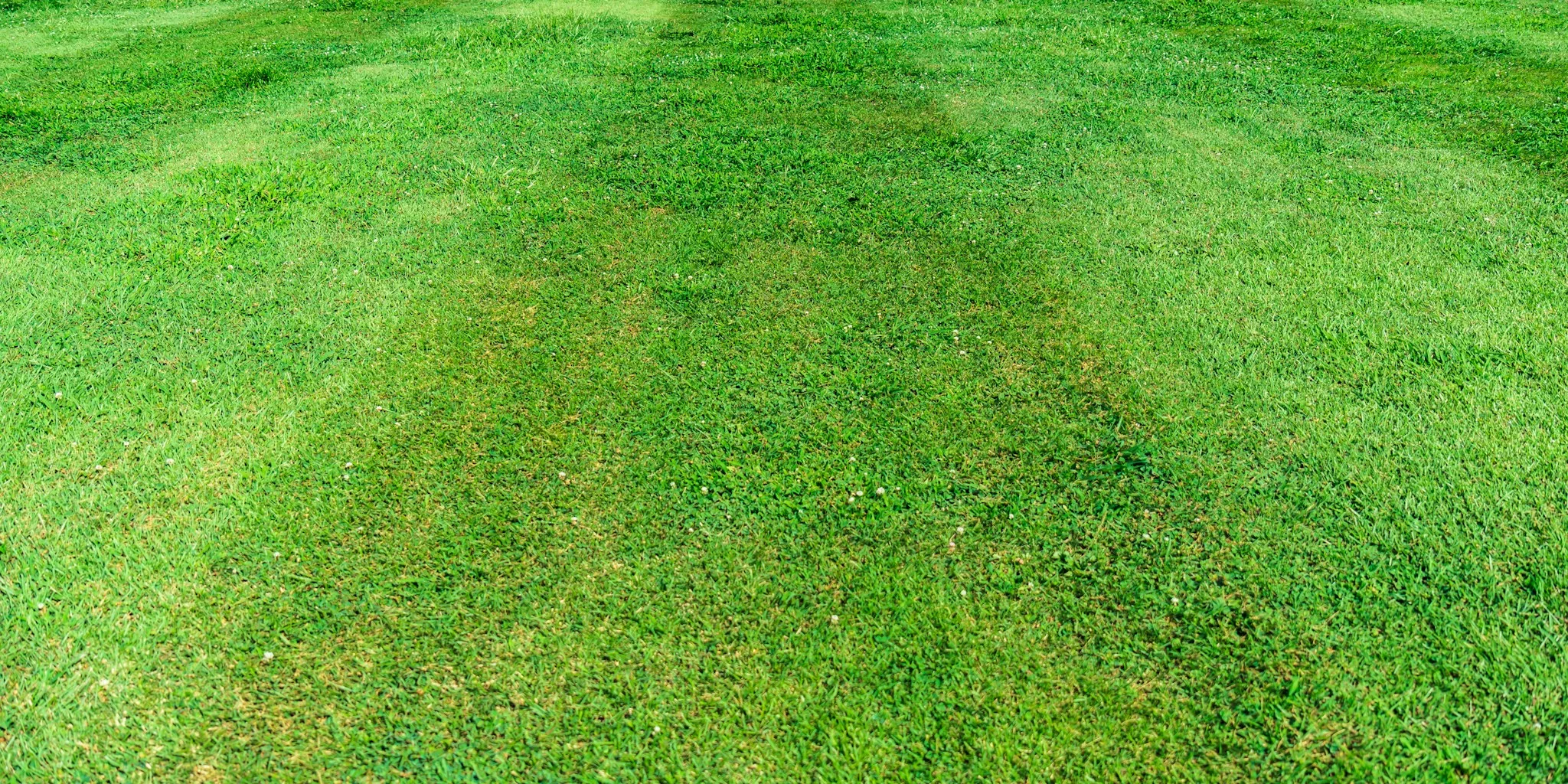

Mowing your lawn is one of those regular yard tasks that can feel like a chore. But done correctly, it keeps your grass healthy, attractive, and resilient. The challenge is that there’s no one-size-fits-all answer to how often you should mow. Your lawn’s needs depend on growth rate, season, climate, and how you cut. Here are seven practical tips to help you mow smarter and keep your lawn in top shape.
1. Follow Grass Growth Rate, Not the Calendar
The most important thing to understand is that your mowing schedule should depend on how fast your grass is actually growing, not on a fixed day of the week. During peak growing season, most homeowners need to mow about once per week. When growth slows in cooler months or dry spells, you might shift to every two weeks. Pay attention to your lawn’s performance and adjust your schedule accordingly. If your grass grows slowly by nature, there’s no reason to stick to a weekly routine.
2. Apply the One-Third Rule Every Time
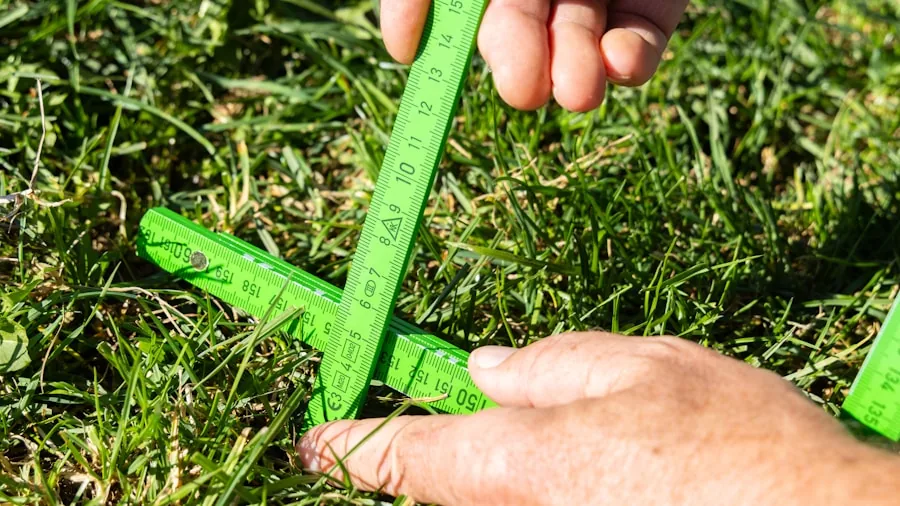
Landscape professionals recommend following the one-third rule: never cut more than one-third of the grass blade length in a single mowing session. This protects your lawn from stress and damage. If your lawn has grown taller than expected, resist the urge to cut it very short all at once. Instead, mow it down gradually over the next week or two, removing only one-third of the blade height each time. This keeps your grass healthier and prevents the shock that comes with aggressive cutting.
3. Invest in a Grass Gauge for Accurate Measurements
Eyeballing your lawn’s height is tempting, but a simple grass gauge gives you the precision you need. These handy tools insert into your soil and let you see exactly how tall your grass is at a glance. This removes guesswork and helps you stay consistent with the one-third rule. You’ll know right away whether your lawn needs mowing or if it can wait another few days.
4. Avoid Cutting Too Frequently
Mowing too often, especially when grass is already short, causes real problems. Frequent short mowing encourages shallow root systems because the grass keeps its energy near the surface instead of pushing roots deeper into the soil. Shallow-rooted turf dries out quickly in heat and struggles to recover from drought. Plus, a lawn that’s constantly being cut requires more water and care and may grow more slowly because all its energy goes into healing rather than thriving. You’re essentially working against your lawn every time you mow it prematurely.
5. Be Careful Not to Mow Too Infrequently
On the flip side, letting your grass grow too long before mowing also causes damage. When you suddenly cut tall grass, the blades get tugged out by the root instead of being cleanly sliced. This shocks the lawn and can pull up entire plants. Long grass before mowing also puts extra strain on your equipment. The key is finding that sweet spot where your lawn has grown enough to cut one-third off without going too long between sessions.
6. Adjust Cutting Height by Season

Your cutting height should change with the seasons. During hot weather, raise your mower deck slightly to leave grass a bit taller. Taller grass shades the soil, reduces water loss, and helps your lawn stay cooler. In spring and fall when growth is vigorous, you can cut a bit shorter. This seasonal flexibility helps you maintain a healthy lawn year-round without overthinking every mow.
7. Manage High-Traffic Areas Strategically
Heavy foot traffic and garden furniture placement affect how your grass grows in different zones. High-traffic areas may not grow uniformly with the rest of your yard, making it harder to know when to mow them. Consider rotating where you host gatherings and foot traffic, or aerate your lawn to improve soil health in stressed zones. You can also install a simple foot path in areas you frequently walk through. By managing traffic patterns, you reduce uneven growth and make your lawn easier to maintain. If you want to automate the process, robot lawn mowers can handle regular cutting consistently without your input, perfect for homeowners who want to reduce the guesswork.
Getting your mowing frequency right takes observation and minor adjustments, but it pays off with a greener, healthier lawn. Start by measuring your grass height, follow the one-third rule, and adjust based on the season. Your lawn will respond with deeper roots, better drought resistance, and a more attractive appearance. For the equipment you need, quality lawn mowers and lawn edgers make the job cleaner and faster, so you spend less time on yard work and more time enjoying your outdoor space.






Write Your Review
No reviews yet. Be the first to share your experience!