
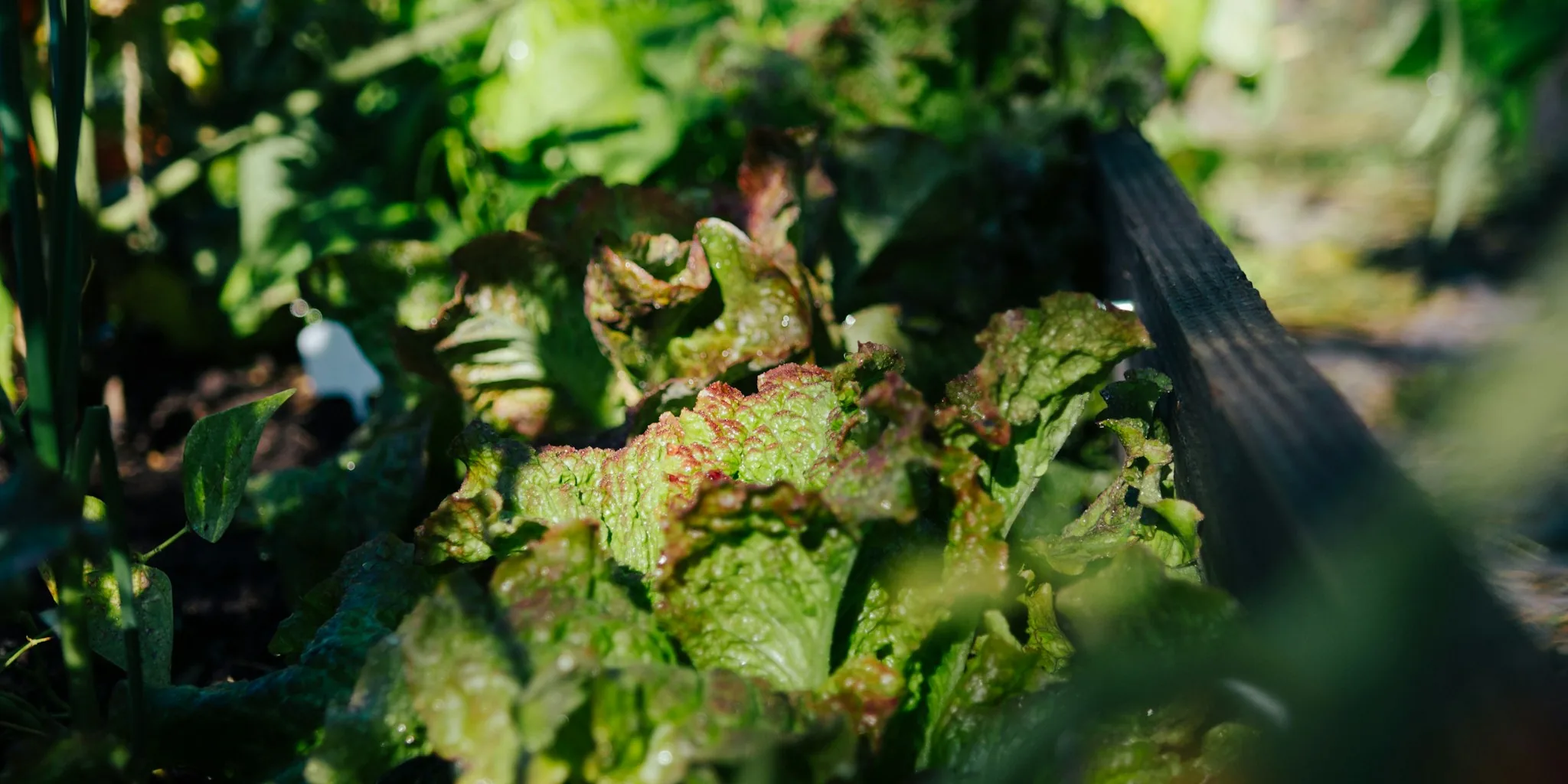

Compost bins offer one of the most practical ways for American households to cut food waste, improve garden soil, and reduce what goes into landfills. Whether you have a small apartment kitchen or a sprawling backyard, there is a composting solution sized for your situation. Our reviewers spent time evaluating 7 models in 2026 from brands including Epica, YardfullyProducts, UTOPIAKITCHEN, VIVOSUN, NazhuraGoodCompanionAtHome, and MAYGROVE to give you a clear picture of which bins actually perform and which ones fall short.
From compact stainless steel countertop units with charcoal filters to large dual-chamber outdoor tumblers capable of processing dozens of gallons at once, each style serves a distinct composting lifestyle. This guide breaks down what separates a genuinely useful compost bin from a frustrating one, so you can invest with confidence. If you are also working on your broader garden setup, pairing a quality composter with a set of raised garden beds is one of the most rewarding combinations you can make.

Pros
- Highly effective odor control with replaceable charcoal filters
- Attractive stainless steel design complements modern kitchens
- Durable, leak-resistant construction built to last years
- Airtight lid prevents spills and keeps kitchen sanitary
- Compact size ideal for apartments, condos, and small kitchens
Cons
- 1.3-gallon capacity requires frequent emptying for large households
- Charcoal filters need replacement every 6 months, adding ongoing costs
- Not suitable for composting meat, dairy, or oily foods
The Epica countertop compost bin delivers on its promise of odor-free indoor composting with smart engineering and quality materials. The stainless steel construction feels premium and resists rust and corrosion, while the one-piece molded design eliminates weak points found in welded bins. The airtight lid combined with the activated-charcoal filter system genuinely controls odors, making this bin suitable for kitchen placement without creating unpleasant smells that plague traditional composting methods.
Capacity and convenience are well-balanced in this design. At 1.3 gallons, the bin holds several days of typical food scraps for most households, striking a middle ground between too-frequent emptying and excessive counter space. The cylindrical shape with 7.16-inch diameter fits naturally on most countertops, and the 11-inch height keeps it accessible without dominating your kitchen landscape. Cleaning is straightforward thanks to the smooth interior surfaces and removable lid, and the leak-resistant construction means no water damage to counters or floors.
Long-term value depends on your commitment to composting and filter replacement. The charcoal filters last over six months with proper use, which is reasonable for odor control but does represent an ongoing expense. For households serious about reducing food waste and maintaining a clean, fresh-smelling kitchen, this bin proves to be a worthwhile investment that outperforms cheaper plastic alternatives and justifies its price point through durability and performance.
| Brand | Epica |
| Model | SYNCHKG123584 |
| Capacity | 1.3 Gallons |
| Dimensions | 7.16" L x 7.16" W x 11" H |
| Material | Stainless Steel |
| Color | Silver |
| Shape | Cylindrical |
| Filter Type | Replaceable Activated-Charcoal |
| Filter Lifespan | 6+ Months |
| Lid Type | Airtight |
| Leak Resistant | Yes |
| Rust Resistant | Yes |
| Manufacturer | USA |
| ASIN | B00AMNCYNQ |
Daily Use
Empty and rinse the bin every 2-3 days or when full. Wipe the interior with a damp cloth to remove residue and maintain freshness. Keep the airtight lid sealed between uses to maximize odor control.
Filter Maintenance
Replace the activated-charcoal filter every 6 months or sooner if odors begin to return. Simply remove the old filter and insert a new one. Charcoal filters are inexpensive and widely available as replacement parts.
Deep Cleaning
Monthly, wash the entire bin and lid with warm soapy water and dry thoroughly before reassembling. The stainless steel exterior can be polished with a microfiber cloth to maintain its appearance. Avoid abrasive scrubbers that may scratch the surface.
Storage Tips
Store finished compost in a separate container before adding to your garden or compost pile. Never overfill the bin beyond the lid line, as this prevents proper sealing and reduces filter effectiveness.
Is This Right for You?
This compost bin works best for individuals and small families living in apartments, condos, or homes without outdoor composting space. If you generate significant food waste daily, consider whether 1.3 gallons is sufficient, or if you'll need to empty it frequently.
What You Can Compost
Ideal materials include fruit and vegetable scraps, coffee grounds, tea bags, eggshells, paper towels, and plant trimmings. Avoid meat, fish, dairy, oils, and processed foods, which can create odors and attract pests even with the charcoal filter.
Setup Expectations
No assembly required. Simply place the bin on your countertop, insert the charcoal filter into the lid, and start composting. The bin is ready to use immediately out of the box.
Budget Considerations
Factor in replacement filter costs (typically $10-15 per pack) as part of your annual composting budget. The initial investment is reasonable for a durable, stainless steel product that will last many years with proper care.
Odor Control Assessment
The charcoal filter system effectively neutralizes typical kitchen composting odors. Most users report minimal smell when the lid is kept sealed and the filter is replaced on schedule. Performance depends on what you compost; plant-based scraps produce fewer odors than problematic items like meat or dairy.
Durability Evaluation
The stainless steel construction withstands daily use without rust, dents, or deterioration. Unlike welded bins that fail at seams, this one-piece molded design maintains structural integrity indefinitely. Proper cleaning extends the lifespan well beyond five years.
Capacity Practicality
The 1.3-gallon size suits individuals and couples well. Larger households may need to empty the bin every 2-3 days depending on cooking habits. The compact footprint makes it suitable for small kitchens where larger bins would be impractical.
Ease of Use
No learning curve exists with this bin. Drop scraps in, close the lid, and empty when full. Cleaning is quick and simple, and the airtight lid seals securely without requiring excessive force or special techniques.
Pros
- Thoughtfully designed stay-open lid makes adding scraps convenient during meal prep
- Removable bucket is dishwasher safe, eliminating hand-washing frustration
- Compact footprint and attractive appearance mean it won't look out of place on your counter
- Soft-close lid effectively traps odors without requiring activated charcoal filters
- Durable plastic construction is lightweight yet sturdy enough for daily use
Cons
- 1.75-gallon capacity may require frequent emptying for larger households or heavy composters
- Plastic material may show scratches or discoloration over extended use
- No built-in carbon filter, so odor control relies entirely on the lid seal and airflow design
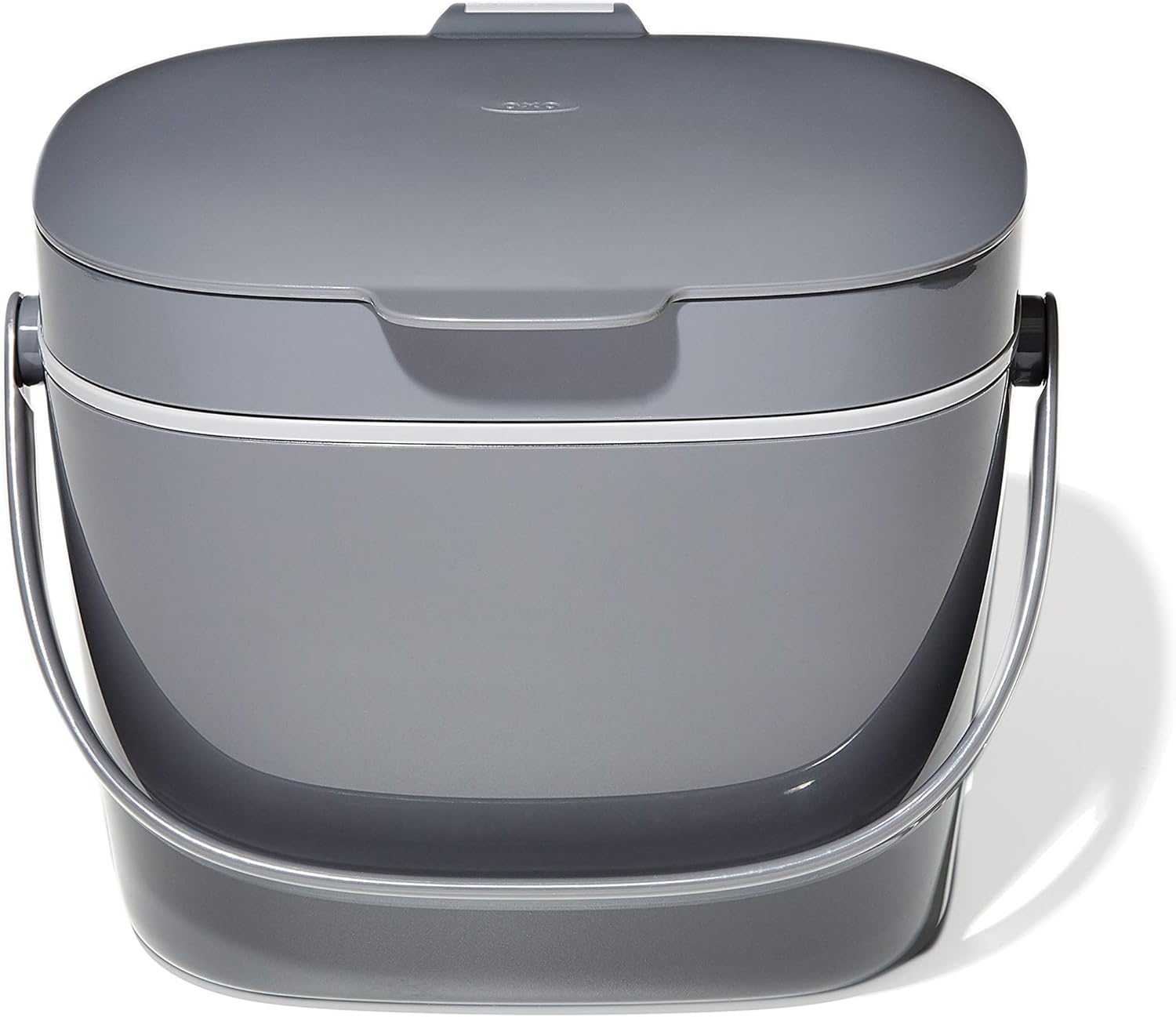
The OXO Good Grips Easy-Clean Compost Bin delivers practical, no-fuss composting for home cooks who want to reduce kitchen waste without sacrificing counter aesthetics. The 1.75-gallon capacity strikes a smart balance between being large enough for regular use yet compact enough to fit seamlessly into most kitchen layouts. The soft-close lid is the real standout here, using a gentle spring mechanism that both contains odors and allows oxygen flow to discourage pest attraction, addressing two of the biggest concerns with indoor composting.
What sets this bin apart from basic alternatives is its thoughtful engineering for everyday usability. The stay-open lid lets you drop scraps in hands-free while you're chopping vegetables or cleaning up after meals, while the removable, dishwasher-safe internal bucket takes the chore out of cleaning. The smooth plastic interior resists food residue buildup, so even if you skip using compostable liners, cleanup remains straightforward. The foldable handle adds practical convenience without cluttering your countertop when not in use.
This bin works best for households that compost regularly but don't generate massive volumes of scraps daily. If you're composting for a family of four or larger, you may find yourself emptying it multiple times per week. The plastic construction is durable but not immune to scratching, and since there's no built-in carbon filter, odor management depends entirely on maintaining a good seal with the lid. Overall, it's an honest, well-designed solution for anyone serious about composting without the complexity of electric or high-maintenance systems.
| Brand | OXO |
| Model Number | 13294600 |
| Capacity | 1.75 Gallons (6.62 Liters) |
| Dimensions | 8.3"L x 10.15"W x 12"H |
| Weight | 0.74 kg (1.63 lbs) |
| Color | Charcoal |
| Shape | Oval |
| Material | Plastic |
| Key Features | Soft-close lid, removable dishwasher-safe bucket, foldable handle, smooth interior |
| UPC | 719812000909 |
| ASIN | B07ZDRTFYN |
Daily Care: Empty the bin when full or when odors become noticeable. Wipe the exterior with a damp cloth to maintain its appearance. The smooth interior can be rinsed with water, or you can use compostable liners to minimize contact with scraps.
Deep Cleaning: Remove the internal bucket and place it in the dishwasher for thorough cleaning. The bucket is fully dishwasher safe on all racks. For the main bin body, hand wash with warm soapy water and dry completely before reassembling.
Odor Management: Keep the soft-close lid sealed when not in use. Ensure the lid closes fully and check the seal periodically for any damage. If odors persist, use compostable liners inside the bucket to create a barrier between scraps and the plastic surface.
Longevity Tips: Store in a cool, dry location away from direct sunlight to prevent color fading. Avoid dropping or applying excessive force to the lid mechanism. Check the hinge and soft-close mechanism annually to ensure smooth operation.
Is This Right for You? This bin is ideal if you: compost regularly, want an attractive countertop solution, live in a smaller household (1-4 people), and prefer low-maintenance designs. It's less suitable if you generate large volumes of scraps daily or need heavy-duty industrial composting.
Capacity Considerations: At 1.75 gallons, this bin accommodates roughly 3-5 days of scraps for an average household. If you cook frequently or have a large family, plan on emptying it 2-3 times per week. Consider your composting schedule when deciding if this size fits your needs.
Space Requirements: The 8.3" x 10.15" footprint is compact enough for most countertops, kitchen islands, or even under-sink storage with the handle folded. Measure your intended location before purchasing to confirm fit.
Composting Method: This bin works with any composting method: traditional backyard piles, tumblers, municipal composting programs, or vermicomposting systems. It's purely a collection vessel, so it integrates seamlessly with whatever composting approach you currently use.

Pros
- Exceptional value for money compared to other large-capacity composting systems
- Expandable design grows with your composting needs without requiring replacement
- Quick assembly process means you can start composting the same day
- Excellent airflow circulation speeds up the decomposition process significantly
- Lightweight at just 7 pounds makes repositioning and maintenance easier
Cons
- Plastic construction may require replacement sooner than solid wood or metal alternatives in harsh climates
- Expandable design means you need additional closure keys and materials to reach maximum capacity
- Cylindrical shape takes up more ground footprint than some square-design competitors
The Geobin Compost Bin represents a practical solution for homeowners looking to start composting without the intimidation factor of complex systems or premium price tags. Its straightforward design prioritizes accessibility, allowing anyone from complete beginners to seasoned gardeners to begin converting household and yard waste into valuable compost within minutes of opening the box. The expandable architecture means you can start with a manageable size and grow your composting capacity as your confidence and waste volume increase.
Performance-wise, the Geobin's ventilation system is genuinely impressive for the price point. The design promotes consistent airflow around decomposing materials, which accelerates the breakdown process and reduces odor issues that plague poorly ventilated bins. Users consistently report faster compost production compared to sealed containers, making this especially valuable if you're trying to establish a sustainable garden amendment supply. The ability to move and reassemble the bin also lets you optimize placement for sun exposure and accessibility throughout the year.
Where the Geobin truly shines is in its no-nonsense value proposition. At under $40, you're getting a 246-gallon capacity system that handles everything from vegetable scraps to grass clippings and leaves. The lightweight plastic construction keeps it affordable and portable, though it does mean you'll eventually replace it rather than inherit it as a permanent fixture. For anyone serious about reducing landfill waste while building garden soil naturally, this represents one of the most cost-effective entry points into home composting available today.
| Brand | GEOBIN (Presto Products) |
| Model Number | SYNCHKG043886 (GKL0955-2) |
| Capacity | 216-246 Gallons (expandable) |
| Dimensions | 36.5 inches L x 5 inches W x 5 inches H |
| Weight | 7 pounds |
| Material | Durable plastic construction |
| Shape | Cylindrical |
| Color Options | Black, Green, Tan |
| Assembly | Tool-free with closure keys |
| Warranty | Manufacturer defects coverage included |
| Made In | USA |
Getting Started: Assemble your Geobin in a spot that receives at least 3-4 hours of sunlight daily. Start with a brown layer (dry leaves, shredded paper) as your base, then alternate between brown materials and green materials (food scraps, grass clippings) in roughly equal amounts. The sun helps heat the pile, accelerating decomposition.
What to Compost: Add fruit and vegetable scraps, coffee grounds, grass clippings, leaves, shredded paper, and cardboard. Avoid meat, dairy, oils, and pet waste. The Geobin's excellent ventilation handles a wide variety of organic materials efficiently when properly balanced.
Maintenance Tips: Stir or turn the pile every 1-2 weeks to speed decomposition and prevent odors. Keep materials moist like a wrung-out sponge. In 2-6 months, you'll have dark, crumbly compost ready for gardens. The expandable design lets you start new batches while finished compost cures below.
Is This Right For You? Choose the Geobin if you want an affordable, easy-to-use system that doesn't require assembly tools or special skills. It's perfect for suburban backyards, small to medium gardens, and anyone committed to reducing household waste. If you need industrial-scale composting or prefer enclosed systems, look elsewhere.
Space Requirements: The cylindrical design needs roughly 4 feet of clear ground space. Make sure you have access to turn or access the compost regularly. Keep it away from wood structures as moisture can cause issues over time.
Climate Considerations: The plastic construction performs well in most climates but may degrade faster in intense sun or extreme cold. In hot climates, provide afternoon shade. In cold regions, expect slower decomposition during winter months, which is normal for all outdoor composters.
Long-Term Investment: Expect 5-7 years of reliable service from this bin with proper care. When replacement is needed, the affordable price point makes upgrading simple. Many users keep multiple Geobin units to run parallel batches.
Pros
- Efficient dual-chamber system produces finished compost faster than single-bin models
- Rotating design saves time and physical effort compared to manual turning methods
- Premium materials and construction withstand harsh outdoor conditions
- Generous 43-gallon capacity handles substantial yard waste and kitchen scraps
- Included garden gloves add practical value to your purchase
Cons
- Requires adequate outdoor space; the 26.25 x 23.6-inch footprint may be tight for small yards
- Assembly takes time and effort; some users report needing two people for easier setup
- Composting speed depends on proper material ratios and climate conditions
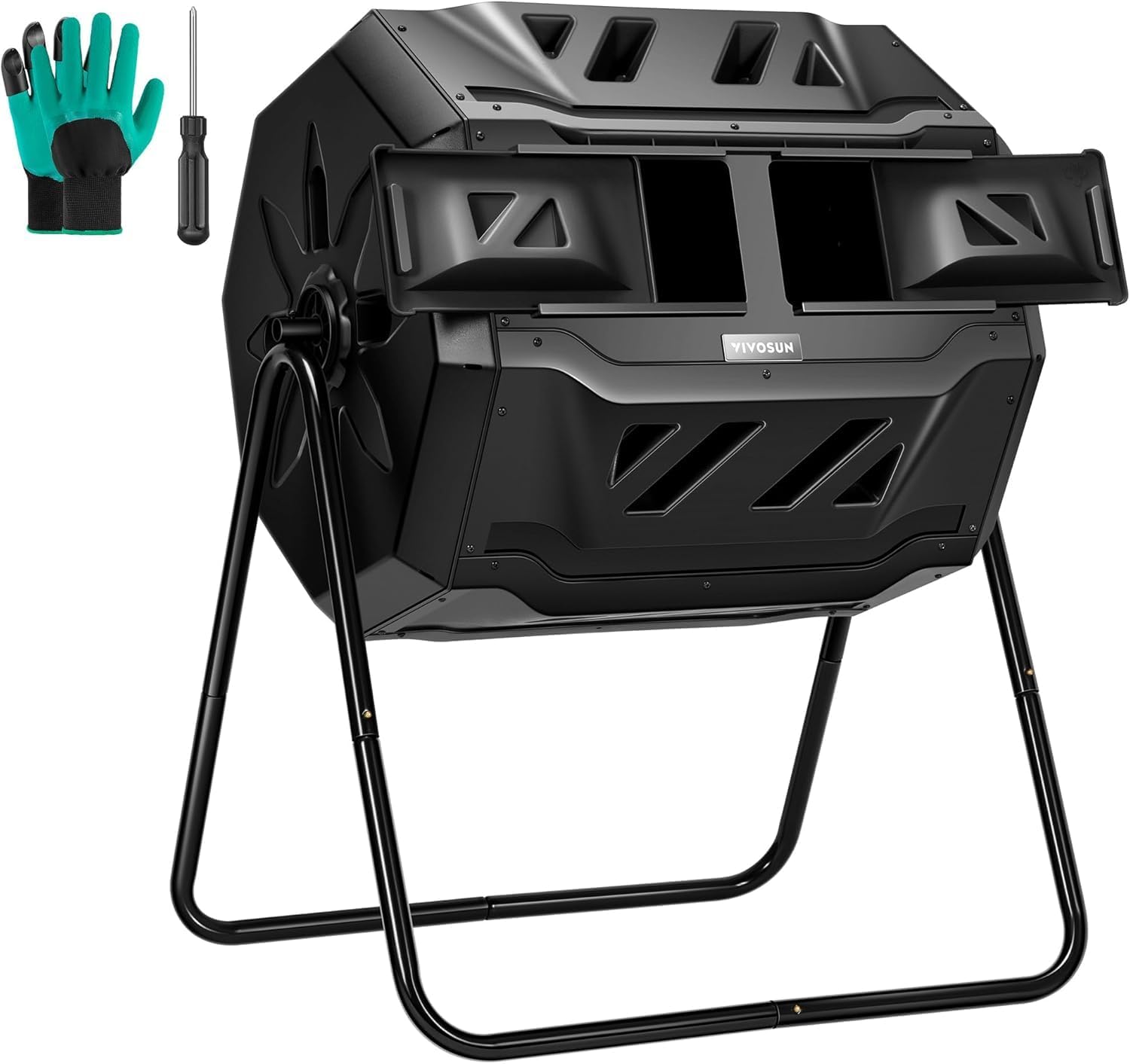
The VIVOSUN 43-gallon tumbling composter stands out as a practical solution for gardeners tired of manual compost management. The dual-chamber design is genuinely useful: while one side finishes decomposing, you continuously feed the other, creating an uninterrupted supply of finished compost. This workflow eliminates the frustration of waiting months between batches and makes the composting process feel less like a chore.
The rotating mechanism is the real game-changer here. Instead of pitchforking through decomposing material weekly, you simply rotate the bin. The eight internal panels with deep fins break apart clumps and improve aeration without manual intervention. Combined with strategically placed air vents, this design promotes the aerobic decomposition that produces quality compost faster than anaerobic methods. The galvanized steel frame and premium plastic construction hold up well to sun, rain, and temperature swings, suggesting this bin will serve you reliably for years.
One honest consideration: results depend heavily on what you compost and your local climate. The bin works best when you maintain proper green-to-brown ratios and keep moisture levels balanced. Cold climates will see slower decomposition, and the 43-gallon capacity, while respectable, may feel limiting if you generate large volumes of yard waste. That said, for typical household composting needs, this tumbler delivers solid performance at a reasonable price point.
| Brand | VIVOSUN |
| Capacity | 43 Gallons |
| Dimensions (L x W x H) | 26.25" x 23.6" x 36.5" |
| Weight | 21.7 lbs |
| Material | Galvanized Steel Frame + Premium PP Plastic Body |
| Shape | Octagonal |
| Color | Black |
| Chambers | Dual (2 separate compartments) |
| Rotation | 360-degree tumbling design |
| Included Accessories | Waterproof garden gloves with ABS plastic claws |
| ASIN | B08346W5S6 |
Is This Composter Right for You?
Best For: Homeowners with moderate yard waste, gardeners who want faster composting without manual labor, and anyone lacking space for multiple traditional bins.
Consider Alternatives If: You generate very large volumes of yard waste (look for 80+ gallon models), prefer stationary bins, or live in extremely cold climates where composting slows significantly.
Setup Tips
Assembly is straightforward but takes 30-45 minutes. Have a helper on hand for positioning the frame. Place the bin on level ground with good drainage. Avoid direct contact with soil to minimize pest issues.
Composting Success
Layer brown materials (leaves, cardboard, wood chips) with green materials (grass clippings, food scraps) in roughly 3:1 ratio. Keep moisture similar to a wrung-out sponge. Rotate every 3-5 days for optimal results. Finished compost typically appears dark, crumbly, and earthy-smelling within 4-8 weeks depending on conditions.
VIVOSUN 43-Gallon Tumbler vs. Alternatives
| Feature | VIVOSUN 43-Gal | Static Bin | Larger Tumbler (80+ Gal) |
|---|---|---|---|
| Ease of Turning | Excellent (rotates) | Poor (manual) | Excellent (rotates) |
| Composting Speed | Fast (4-8 weeks) | Slow (3-6 months) | Fast (4-8 weeks) |
| Price | Mid-range | Budget-friendly | Premium |
| Capacity | 43 gallons | Varies | 80+ gallons |
| Space Required | Compact | Varies | Larger footprint |
| Durability | High (steel frame) | Medium | High (steel frame) |

Utopia Kitchen 1.3 Gallon Stainless Steel Compost Bin
Pros
- Effective charcoal filter naturally traps odors from decomposing food scraps
- Durable stainless steel won't rust, stain, or deteriorate with regular use
- Attractive design allows it to sit openly on counters without looking out of place
- Affordable entry point for those starting their composting journey
- Secure lid prevents accidental spills and keeps pests away
Cons
- 1.3-gallon capacity requires frequent emptying for larger households
- Charcoal filters need regular replacement to maintain odor control effectiveness
- Cylindrical shape may not fit efficiently in all under-sink cabinet spaces
The Utopia Kitchen countertop compost bin delivers solid value for anyone looking to reduce kitchen waste without investing in expensive outdoor composting systems. The stainless steel construction feels substantial and resists the daily wear that typical plastic bins suffer, while the secure lid design prevents accidental spills when moving it around your kitchen. The charcoal filter system works effectively to neutralize odors from food scraps, allowing you to keep the bin on display rather than hiding it away.
This bin shines as a practical solution for apartment dwellers, small households, and anyone with limited outdoor space. The 1.3-gallon capacity is appropriately sized for collecting scraps throughout the week before transferring them to a larger compost pile or municipal composting program. The ergonomic handle makes it easy to carry to your compost destination, and the sleek cylindrical design means it won't clash with modern or traditional kitchen aesthetics.
To get the most from this product, rinse it thoroughly after each use and replace the charcoal filter regularly to maintain optimal odor control. While the bin itself is durable, frequent households may find the smaller capacity requires more frequent emptying. Overall, it represents an excellent entry point for eco-conscious home cooks who want to minimize waste while maintaining a fresh, clean kitchen environment.
| Brand | Utopia Kitchen |
| Model Number | CB-13 |
| Capacity | 1.3 gallons (4.92 liters) |
| Material | Stainless Steel |
| Shape | Cylindrical |
| Dimensions | 8.4"L x 7"W x 11"H |
| Weight | 2 pounds |
| Color | Silver |
| Included Features | Secure lid, charcoal filter, ergonomic handle |
| UPC | 840143564768 |
| Unit Count | 1 |
Daily Cleaning: Rinse the bin thoroughly after each use to prevent odor buildup and bacterial growth. Use warm water and mild dish soap, then dry completely before adding new scraps.
Charcoal Filter Maintenance: Replace the charcoal filter regularly, typically every 2-3 months depending on usage frequency and odor levels. A fresh filter ensures maximum odor control performance.
Lid Care: Wipe the secure lid clean after each use to prevent residue accumulation. The stainless steel exterior can be polished occasionally with a microfiber cloth to maintain its appearance.
Storage: When not in use, store the bin with the lid secured to prevent dust accumulation. Keep in a cool, dry location away from direct sunlight to preserve the stainless steel finish.
Is This Right for You? This compost bin works best for apartment dwellers, small households, and anyone without yard space for traditional composting. It's ideal if you participate in municipal composting programs or maintain a separate outdoor compost pile.
Capacity Considerations: The 1.3-gallon size accommodates vegetable scraps, fruit peels, and coffee grounds for about a week for most households. Larger families may need to empty it more frequently or consider multiple bins.
Where to Use It: Place it on your kitchen counter for easy access while cooking, or under the sink if you prefer a hidden location. The attractive stainless steel design works in any kitchen style.
Budget-Friendly Composting: At an affordable price point, this bin makes sustainable living accessible without breaking the bank. The charcoal filter system eliminates odor concerns that often prevent people from composting indoors.

Pros
- Dual-chamber system eliminates waiting periods between batches by allowing simultaneous composting and feeding
- Compact 43-gallon capacity fits most residential yards without dominating the landscape
- Internal paddles and rotating design ensure thorough aeration and material mixing with minimal effort
- Produces finished compost in 4-8 weeks, significantly faster than traditional pile composting
- Bundled gardening gloves add practical value and eliminate separate purchasing
Cons
- Plastic construction may degrade under intense UV exposure over several years in direct sunlight
- 43-gallon capacity may feel limiting for households with large yards or heavy composting needs
- Requires regular rotation effort; not a passive system for hands-off composters
The Nazhura dual-chamber compost tumbler represents a practical solution for homeowners seeking faster composting without the space demands of traditional three-bin systems. The dual-chamber design is the standout feature here: while one chamber actively decomposes your materials, you can simultaneously fill the other with fresh kitchen scraps and yard waste. This continuous-use approach eliminates the frustrating wait times that plague single-bin tumblers, making the entire composting process feel more efficient and rewarding.
Performance depends on your commitment to regular rotation. The internal paddles and rotating mechanism work by introducing oxygen throughout the pile during each turn, which accelerates microbial decomposition and heat generation. The thickly insulated compartments trap this heat effectively, which is why many users report finished compost in 4-8 weeks rather than the 3-6 months typical of static bins. The easy-access sliding doors make both loading and harvesting straightforward, reducing the physical strain common with other tumbler designs.
Build quality is solid for the price point. The combination of durable plastic and galvanized steel resists rust and weathering, though long-term UV exposure in intense sunlight may eventually affect the plastic components. At 21 pounds and measuring 26 inches by 24 inches by 37 inches, it occupies a modest footprint while offering genuine 43-gallon capacity. The included gardening gloves are a practical bonus that adds genuine value to the bundle.
| Brand | Nazhura |
| Capacity | 43 Gallons |
| Dimensions | 26.25" L x 23.6" W x 36.5" H |
| Weight | 21 lbs |
| Color | Black |
| Shape | Oval |
| Material | Plastic and Galvanized Steel |
| Design | Dual Chamber with Rotating Mechanism |
| Access | Slide-Open Doors |
| Warranty | 1 Year |
| UPC | 765305156738 |
| ASIN | B09C9TL2BL |
The Composting Process: Load the tumbler with a mix of green waste (kitchen scraps, grass clippings) and brown waste (dried leaves, cardboard). The green materials provide nitrogen and moisture while brown materials add carbon and structure. Once loaded, rotate the tumbler every few days to introduce oxygen and mix the materials.
Dual-Chamber Advantage: While one chamber heats up and decomposes, add new waste to the second chamber. This staggered approach means you're always progressing toward finished compost without downtime. The internal paddles help break down materials during rotation, and the insulated walls trap heat generated by decomposing organisms.
Harvesting: When compost reaches a dark brown, crumbly texture (typically 4-8 weeks), simply slide open the access door and remove your finished product. Use it immediately in gardens, potted plants, or lawn care. Empty the chamber, switch to the other side if needed, and repeat the process.
Is This Right for You? Choose this tumbler if you generate regular kitchen waste and yard debris, have moderate space, and want finished compost faster than traditional methods. It's ideal for vegetable gardeners, landscapers, and environmentally conscious homeowners. If you have minimal yard waste or prefer completely passive composting, a static bin might be more suitable.
Setup Considerations: Place the tumbler on level ground with good drainage. Position it where you can comfortably access it for regular rotation. Avoid full shade, as some heat generation helps speed decomposition. Ensure adequate space around it for the rotating action.
Maintenance Tips: Rotate every 3-5 days for optimal results. Balance green and brown materials in roughly equal proportions. Avoid composting meat, dairy, or oils. Keep moisture similar to a wrung-out sponge. In cold climates, decomposition slows significantly during winter months.

Pros
- Fast composting timeline (4-6 weeks) saves time compared to traditional pile methods
- Dual-chamber design enables continuous composting without interruption
- Smooth rotation mechanism with gear-assist makes operation effortless
- Durable construction with steel frame and UV-resistant plastic resists rust and weather damage
- Quick, tool-free assembly gets you composting in minutes
Cons
- No customer reviews available yet, so long-term durability feedback is limited
- 53-gallon capacity may feel small for large households or serious gardeners producing high volumes of kitchen waste
- Cylindrical design with 8.26-inch width requires adequate space and may be challenging to position in tight areas
The Maygrove 53-gallon dual-chamber compost tumbler addresses one of the biggest frustrations with home composting: the long wait and physical effort required. By combining a 360-degree rotating design with dual chambers, this bin lets you maintain a continuous composting cycle without the tedious manual turning that traditional static piles demand. The gear-assist handle makes rotation smooth and manageable even when the drum is fully loaded, and the extra-large sliding doors eliminate the awkward bending and reaching that plagues smaller composters.
Build quality is a strong point here. The heavy-duty steel frame paired with UV-resistant polypropylene plastic creates a genuinely weather-resistant system that can handle sun, rain, and winter conditions without deteriorating. The reinforced leg supports prevent sagging under full load, and the dual-direction brake locks keep the drum stable during loading and unloading. Assembly is refreshingly straightforward, using snap-together construction with minimal screws, so you can set it up in roughly 20 minutes without special tools.
The dual-chamber system is the real advantage for serious composters. While one side finishes its decomposition cycle (4-6 weeks), you continuously add fresh kitchen scraps to the other chamber, eliminating downtime and ensuring you always have finished compost ready to harvest. Adjustable air vents give you control over airflow and moisture, helping reduce odors and speed decomposition. This approach to composting represents a meaningful step up from single-chamber designs for households committed to reducing waste and creating their own garden amendments.
| Capacity | 53.01 gallons |
| Dimensions | 23.8" L x 8.26" W x 30.3" H |
| Weight | 35.5 pounds |
| Material | Polypropylene (drum) with steel frame |
| Color | Black |
| Shape | Cylindrical |
| Model Number | MGN-CBG53X1-US |
| Brand | Maygrove |
| Key Features | 360-degree rotation, dual chambers, gear-assist handle, adjustable air vents, sliding doors, brake locks |
Getting Started
Fill the first chamber with a mix of brown materials (dry leaves, shredded paper, cardboard) and green materials (kitchen scraps, grass clippings). Aim for a roughly 3:1 brown-to-green ratio for optimal decomposition. Close the sliding door and begin rotating the drum every 3-4 days using the ergonomic handle.
The Dual-Chamber Advantage
After about 3-4 weeks of regular rotation, start adding fresh materials to the second chamber while the first continues its cycle. This staggered approach means you'll have finished compost ready to harvest from the first chamber in 4-6 weeks, while the second chamber builds up. Use the adjustable air vents to control moisture and odor throughout the process.
Harvesting Your Compost
When the first chamber produces dark, crumbly, earth-smelling compost, open the extra-large sliding door and collect your finished product. Use it immediately in gardens, potted plants, or lawn care. The continuous cycle means you'll always have fresh compost in production.
Is This the Right Composter for You?
Best For: Homeowners and gardeners who want faster composting than traditional piles, have moderate kitchen waste output, and appreciate the convenience of dual-chamber operation. Ideal if you have a small to medium backyard and want to reduce waste while creating free garden amendments.
Consider Alternatives If: You produce extremely high volumes of compostable material (large families with significant yard waste), have very limited space, or prefer a static bin that requires no rotation.
Space and Placement
The 23.8" x 8.26" footprint works in most backyards, but the cylindrical design means you need space to rotate it comfortably. Place it on level ground away from direct contact with wooden decks or structures. Ensure good air circulation around the unit for optimal decomposition.
Maintenance Tips
Keep the adjustable air vents clear of debris. Periodically inspect the steel frame and plastic for any damage from weather or impact. The brake locks should be engaged whenever you're not actively rotating to prevent accidental spinning. Empty the finished compost chamber regularly to maintain the continuous cycle.
Composting Speed
The 4-6 week timeline for finished compost is significantly faster than traditional pile composting, which typically takes 6-12 months. The 360-degree rotation with built-in mixing bars accelerates decomposition by increasing oxygen exposure and breaking down materials more efficiently than static methods.
Ease of Use
The gear-assist handle reduces physical strain compared to manual compost bins. Rotation requires minimal effort even when the drum is full. Extra-large sliding doors eliminate the frustration of cramped access points, making both loading and harvesting straightforward tasks. The dual-direction brake locks ensure safety and stability during operation.
Durability Assessment
The combination of heavy-duty steel framing and UV-resistant polypropylene creates a system built to withstand year-round outdoor exposure. Reinforced leg supports prevent structural sagging under full loads. The design handles rain, intense sun, and cold weather without rust or material degradation, making it a solid long-term investment for serious composters.
How to Choose the Right Compost Bin
Capacity and Size Considerations

Matching bin capacity to your actual household waste output is the single most important decision you will make. A countertop unit holding around 1 to 2 gallons works well for a one or two person kitchen, collecting vegetable peels, coffee grounds, and eggshells between outdoor dump runs. Larger families generating more scraps daily will hit the limit of those small containers quickly and end up making inconvenient trips every day or two.
For outdoor composting, the scale difference is dramatic. Static bins like the Geobin can hold well over 200 gallons, making them ideal for yard waste mixed with kitchen scraps. Tumbler models in the 43 to 53 gallon range strike a useful middle ground, offering faster breakdown in a manageable footprint. If your garden already benefits from a reliable garden hose for regular watering, pairing that routine with a tumbler that you spin every few days creates a smooth composting workflow.
Always consider where the bin will live. A countertop model that gets tucked under a sink needs to fit the cabinet opening. An outdoor tumbler needs a level, open area with enough clearance to rotate freely. Measure before you buy.
Material Durability and Build Quality

Indoor compost bins made from stainless steel, like the EPICA and Utopia Kitchen models, resist staining, odors, and corrosion far better than plastic. Fingerprints show on brushed finishes but cleaning is straightforward. For outdoor tumblers and large static bins, high-density polyethylene or powder-coated steel frames are the materials to look for. UV stabilization matters for anything sitting in direct sun year-round, since untreated plastics become brittle and crack within a few seasons.
Welds, hinges, and latching mechanisms deserve close scrutiny. A compost tumbler with a flimsy latch will pop open mid-rotation, scattering half-composted material across your yard. The VIVOSUN dual-chamber tumbler uses a sliding door design that holds securely under normal use. The MAYGROVE model goes further with a solid steel frame and 360-degree rotation that feels significantly more rigid than budget alternatives. For outdoor tool storage that complements your composting setup, lawn edgers and other garden equipment benefit from the same attention to build quality.
Handles on indoor bins should move smoothly even when the container is full. Lids need a reliable seal to contain odors without requiring so much force that daily use becomes a chore.
Odor Control Features
Odor management is where indoor compost bins succeed or fail in real-world use. The EPICA and Utopia Kitchen bins both rely on replaceable activated carbon filters fitted into the lid. These filters work well for the first few months, absorbing volatile organic compounds produced during decomposition. Once saturated, they stop being effective and smells begin escaping. Plan on replacing filters every two to four months depending on how often you open the bin and what you put inside.
The OXO Good Grips bin takes a somewhat different approach, with a flip-top lid designed for quick, one-handed access. Its charcoal filter is positioned to intercept odors as air escapes when opening, which users in apartments with limited ventilation tend to appreciate. Avoid packing in high-moisture items like watermelon rinds without mixing in some dry material, as excess liquid accelerates odor production faster than any filter can handle.
Outdoor tumblers manage odors differently. The sealed barrel design of the VIVOSUN and NazhuraGoodCompanionAtHome tumblers keeps smells largely contained inside the chamber while active decomposition is happening. Ventilation ports allow airflow without opening the bin fully. If odors become noticeable, it usually means the carbon-to-nitrogen ratio is off, which a handful of dry leaves or shredded cardboard can fix quickly.
Rotation and Tumbling Mechanisms

Tumbling composts significantly faster than static piles because turning introduces oxygen, which feeds aerobic microbes responsible for breaking down organic material. In a well-managed tumbler, finished compost can be ready in as few as three to four weeks compared to several months in a static bin. The key is turning every two to three days during active decomposition.
Dual-chamber designs, like those on the VIVOSUN 43-gallon and MAYGROVE 53-gallon models, solve one of the classic tumbler frustrations: you cannot keep adding fresh scraps to an active batch without disrupting the process. With two chambers, one side is actively composting while you fill the other side with new material. Once the active batch finishes, you empty it, transfer the filling side to be the new active batch, and start filling the empty chamber again. It is a continuous cycle that eliminates downtime.
Frame stability matters more than it sounds. A tumbler on a wobbly frame can tip sideways when full, which is both dangerous and messy. The MAYGROVE frame is the most robust in this group. The NazhuraGoodCompanionAtHome tumbler comes bundled with gardening gloves, a thoughtful practical addition since handling compost regularly is much more pleasant with proper hand protection. If you want to explore gloves separately, our picks for gardening gloves cover a wide range of options.
Maintenance and Cleaning Ease

Indoor compost bins need a quick rinse every one to two weeks, more often if you are composting protein-heavy scraps. Stainless steel containers clean up with mild dish soap and warm water without absorbing odors the way plastic does over time. The OXO Good Grips bin has a slightly wider opening than most competitors, making it easier to wipe out the interior completely.
Outdoor tumblers need very little cleaning during regular use. At the end of each composting season, a hose-down of the interior walls removes residue before you start a new batch. Sliding door mechanisms on tumblers should be checked and cleared of debris periodically to prevent them from jamming. The Geobin static bin is arguably the lowest-maintenance option in the group. Its open-bottom, expandable mesh design allows you to pull the bin up and off the pile entirely, then fork the compost directly onto your garden or into raised garden beds.
Filter replacement is the primary ongoing maintenance task for indoor units. Keep spare filters on hand so you are not scrambling when the current one wears out. Sourcing replacement filters from brands like Epica and UTOPIAKITCHEN is straightforward through their respective product listings.
Price and Value Assessment
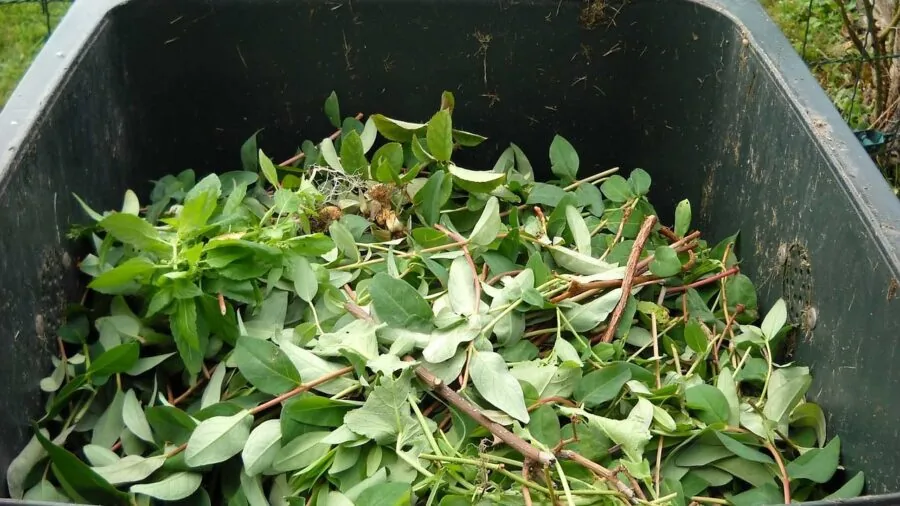
Compost bins span a wide price range, from budget-friendly indoor containers to premium outdoor tumblers. At the affordable end, the Utopia Kitchen and EPICA countertop bins deliver excellent performance relative to their cost, and both carry thousands of positive reviews backing that up. For someone just starting a composting habit, either makes a low-risk entry point.
Mid-range outdoor tumblers from VIVOSUN and NazhuraGoodCompanionAtHome cost more upfront but repay the investment through faster compost production and a more durable build than budget plastic bins. The MAYGROVE 53-gallon tumbler sits at the higher end of this group and justifies its price with genuinely solid construction and a larger usable capacity. Think of it less as a purchase and more as a multi-year garden infrastructure investment, similar to adding a quality sprinkler system or upgrading to a dependable lawn mower.
Hidden costs exist in the form of replacement filters for indoor bins and, occasionally, replacement hardware for tumbler mechanisms. Factor these into your total cost of ownership over a two to three year horizon rather than comparing sticker prices alone.
Why You Should Trust Us
Buyadvanced is an independent review site with no commercial relationship with any brand, retailer, or manufacturer. We do not accept payment, free products in exchange for coverage, or affiliate kickbacks that influence our editorial positions. Every conclusion in this guide reflects our own evaluation process.
Our team evaluates products across five core dimensions: real-world performance under typical use conditions, material and build quality, usability and ergonomics, long-term maintenance requirements, and overall value for money. For compost bins specifically, we assess odor containment, ease of daily use, capacity accuracy versus stated specs, filter longevity, and structural durability over extended periods. We also incorporate verified user feedback from thousands of American consumers to cross-check our hands-on findings against broader real-world experience.
Our ratings and recommendations are updated as products change, new models enter the market, and long-term durability data becomes available. We stand behind independence as the foundation of useful reviews. If a product underperforms in our testing, we say so, regardless of its popularity or price point.
Final Thoughts
After evaluating all seven models, here is how we would categorize the standout performers:
- Best Overall Indoor Bin: EPICA Countertop Compost Bin. Stainless steel construction, a tight-fitting lid, and effective carbon filtration make this the most consistently well-reviewed indoor option in the group, backed by over 20,000 ratings.
- Best Budget Indoor Bin: Utopia Kitchen Countertop Compost Bin. Near-identical core functionality to the EPICA at a lower price point, with a similarly strong review record from real users.
- Best for One-Handed Access: OXO Good Grips Easy-Clean Compost Bin. The flip-top lid and wider opening make daily kitchen use genuinely convenient, especially for households that add scraps multiple times a day.
- Best Large Outdoor Static Bin: Geobin Compost Bin. At over 240 gallons of capacity and an expandable design, this is the right tool for gardeners processing significant volumes of yard waste and kitchen scraps together. It complements tools like garden pruners for turning yard trimmings into usable compost.
- Best Premium Outdoor Tumbler: Maygrove Outdoor Compost Tumbler. The 53-gallon dual-chamber design with a solid steel frame and 360-degree rotation stands out as the most structurally sound tumbler in the group for serious gardeners willing to invest in quality.
If you are building out a full outdoor space, composting fits naturally alongside other garden investments. A well-maintained compost system works hand in hand with string trimmers for keeping yard trimmings manageable and hose reels for keeping your watering setup organized.
Compost Bins FAQs
How do compost bins differ in capacity?
Countertop indoor bins in this guide hold around 1.3 to 1.75 gallons, enough for a few days of kitchen scraps before emptying outdoors. Outdoor tumblers range from 43 to over 240 gallons depending on the model. The Geobin is by far the largest option here, suited to households with substantial yard waste alongside kitchen scraps. Matching capacity to your actual daily output prevents overflow and odor issues.
What maintenance do compost bins require?
Indoor countertop bins need a rinse every week or two and filter replacements every two to four months. Outdoor tumblers benefit from spinning every two to three days during active composting and a seasonal cleaning between batches. Static bins like the Geobin require the least maintenance overall since they have no moving parts. Buyadvanced is an independent review site and does not provide product support, warranty services, or customer assistance for any of these items.
Are compost bins suitable for apartments?
Compact stainless steel countertop models like the EPICA and Utopia Kitchen bins are genuinely practical for apartment kitchens. Their tight-fitting lids and activated carbon filters contain smells effectively when maintained properly. Neither takes up significant counter or cabinet space. Urban residents who also keep a small balcony garden alongside outdoor patio furniture can use the collected scraps for potted plant compost tea.
Which compost bins handle kitchen scraps best?
All three countertop models, the EPICA, Utopia Kitchen, and OXO Good Grips, are purpose-built for kitchen food scraps including vegetable peelings, coffee grounds, fruit waste, and eggshells. The OXO earns points for its flip-top lid that allows quick, one-handed deposit of scraps while cooking. The EPICA and Utopia Kitchen bins hold their own through sheer volume of positive user feedback over years of real-world use across diverse households.
Do compost bins need special placement?
Outdoor tumblers need level, stable ground with enough clearance on all sides to rotate fully. Direct sun speeds up decomposition in tumblers but can degrade cheaper plastic housings over time. The MAYGROVE steel-frame model handles sun exposure better than all-plastic alternatives. Indoor bins go under the sink or on the counter and need nothing beyond normal kitchen ventilation. Keep them away from heat sources like ovens or dishwasher vents, which can accelerate odor development.
How long does composting take with these bins?
Active tumblers with a good balance of green and brown materials can produce finished compost in three to six weeks when turned regularly. Static bins like the Geobin work more slowly, typically producing usable compost in two to six months depending on what goes in and how often the pile is managed. Indoor countertop bins are collection vessels rather than processing bins, so they do not produce finished compost themselves. The scraps collected indoors transfer to an outdoor bin or pile where actual decomposition happens.
Can compost bins reduce household waste significantly?
Yes. Food scraps and yard waste together account for a substantial portion of what most American households send to landfills each week. Consistent composting diverts that material into a resource that genuinely improves garden soil. Users report noticeable reductions in trash bag usage within the first month. When combined with other sustainable garden practices like using efficient garden hoses for targeted watering, composting contributes to a meaningfully lower environmental footprint.
What common issues arise with compost bins?
The most frequent complaints involve odors from overly wet material or expired filters in indoor bins. For outdoor tumblers, jammed or stiff rotation mechanisms are the most common mechanical complaint, often caused by debris in the axle channel. Plastic bins left in full sun without UV protection crack and become brittle after a season or two. Choosing models with stainless steel construction indoors and steel-reinforced frames outdoors largely avoids these problems. Always check verified review counts and ratings before purchasing, as higher review volume tends to reflect more reliable real-world consensus.
What other outdoor tools complement a composting setup?
A good composting routine pairs naturally with broader garden maintenance. Leaf blowers make collecting dry brown material for your compost pile much faster in autumn. Garden pruners let you chop plant material into smaller pieces that break down more quickly. If you are expanding your outdoor space more broadly, our coverage of lawn mowers and string trimmers covers the tools that generate much of the green material you will be adding to your compost bin throughout the growing season.






Write Your Review
No reviews yet. Be the first to share your experience!