
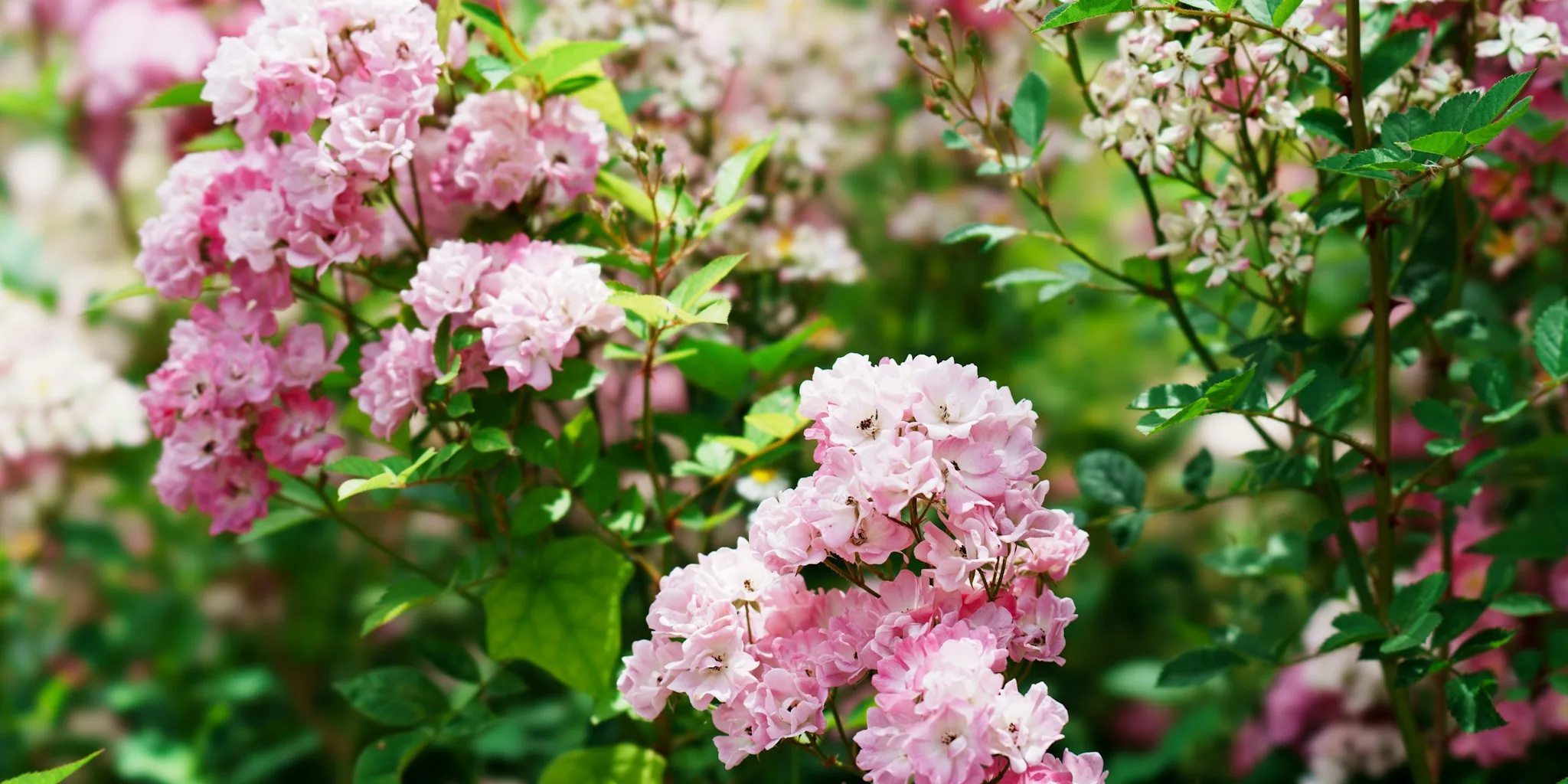

If you’re tempted to fill your garden with eye catching shrubs during peak summer bloom season, pump the brakes. July is actually one of the worst times to transplant many popular varieties, and buyers who ignore this timing risk watching their new purchases wilt, drop leaves, and fail to establish. Understanding which shrubs struggle in midsummer heat and which thrive can save you money, frustration, and plant loss.
Why July Planting Fails for Heat Sensitive Shrubs
Summer temperatures and dry soil create extreme transplant shock for certain shrub species. When you move a heat sensitive plant into baking midsummer earth, it enters survival mode, shedding foliage and aborting flower buds just to stay alive. Shrubs with thin, delicate leaves evaporate moisture far too quickly in intense heat. Shallow root systems cannot establish in hot, dry soil. The good news: plenty of tough, beautiful alternatives will thrive when planted in July and establish with minimal fuss.
Bigleaf Hydrangea vs. Panicle Hydrangea
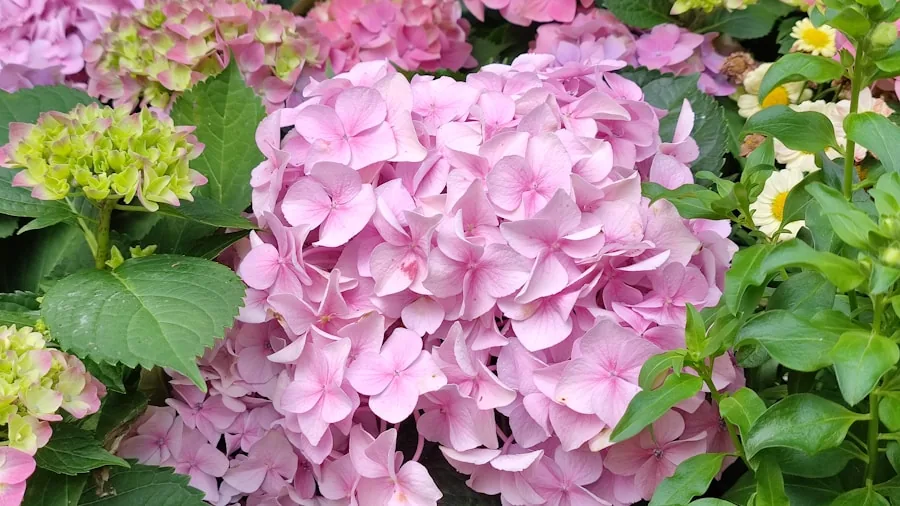
Bigleaf hydrangeas (H. macrophylla) are garden classics, prized for their enormous flower clusters in shades from hot pink to periwinkle blue. Their massive, thin leaves are their downfall in July, however. These leaves evaporate moisture rapidly in summer heat, and even established plants wilt and struggle during midsummer stress. Instead, choose panicle hydrangea varieties (H. paniculata), which tolerate heat, drought, and full sun far better than bigleafs. Panicle hydrangeas produce distinctive cone shaped flower heads that transition from green to white to pink to rust over the season, adding structural interest through fall and winter. Compact varieties like Little Lime burst into giant conical blooms in mid to late summer, thriving in zones 3 through 9.
Rhododendron vs. Mountain Laurel
Rhododendrons demand cool, shady, moist conditions and cannot handle midsummer heat. Planting one in July sets it up for hydration struggles and poor establishment. Mountain laurel (Kalmia latifolia) offers similar ornamental appeal with superior heat tolerance. This native evergreen features attractive leathery leaves and delicate star burst blooms in spring, thriving in partial shade across zones 4 through 9. Mountain laurel prefers acidic, organic rich soil, so amend your planting hole accordingly for best results.
Japanese Maple vs. Ninebark
Japanese maples enchant gardeners with their delicate, feathery foliage and brilliant fall color, but their fine leaves scorch easily in intense heat, and shallow roots struggle to develop in hot, dry soil. Ninebark (Physocarpus opulifolius) is a native shrub that offers similar ornamental value without the heat sensitivity. Ninebark displays peeling bark for winter interest, rich fall color, and seed pods that birds love. This shrub thrives in zones 3 through 8, tolerates drought and summer heat exceptionally well, and adapts to poor, rocky soils where other plants fail. As you explore heat tolerant perennials to plant in July, consider pairing them with heat loving shrubs like ninebark for a cohesive summer planting scheme.
Boxwood vs. Inkberry Holly
Boxwood is beloved for its dense evergreen growth that clips into hedges and topiaries, but its shallow root system makes transplanted boxwood extremely vulnerable to midsummer heat and drought stress. July planting also invites boxwood blight and spider mite infestations. Inkberry holly (Ilex glabra) provides similar dense evergreen growth and smooth texture for hedging and containers while offering superior heat and humidity tolerance across zones 5 through 9. Compact varieties stay tight and mounded, thriving in sun and partial shade while preferring slightly acidic soil with consistent moisture.
Japanese Pieris vs. Summersweet
Japanese pieris is an attractive evergreen with glossy, sometimes bi colored leaves and cascading spring flowers, but its shallow roots and heat sensitive foliage make it vulnerable to scorch and lace bug attacks when planted in July. Summersweet (Clethra alnifolia) is a native deciduous alternative that blooms reliably from July through August, even in shade. This hardy shrub (zones 3 through 9) produces vertical flower spikes filled with fragrance and attracts pollinators effortlessly. Wine toned cultivars like Ruby Spice offer dramatic color that summersweet fans adore.
Preparing Your Soil for July Success
Regardless of which heat tolerant shrub you select, proper soil preparation dramatically improves establishment rates. Before planting, check ground temperature and moisture levels, then blend organic matter into heavy clay or sandy soils to improve drainage, moisture retention, and oxygen flow. After planting, apply 2 to 3 inches of organic mulch around the base to conserve water and lower soil temperature. As you handle summer plant care tasks in July, water deeply and regularly through dry spells to help roots establish quickly. Planting during early morning or cloudy evenings further reduces transplant stress. With proper timing, soil prep, and shrub selection, your summer garden can burst with color and vitality without the drama.



Write Your Review
No reviews yet. Be the first to share your experience!