


Spider plants are among the easiest houseplants to grow, but July brings conditions that demand a shift in your care routine. When summer heat and bright light combine, your spider plant enters peak growing season, producing new leaves and the distinctive arching stems that develop into baby plantlets. The right attention during these warm weeks sets up your plant for a full, lush appearance by late summer, plus plenty of propagation opportunities.
Here are the six most important tasks to keep your spider plant thriving through July and beyond.
Water More Frequently
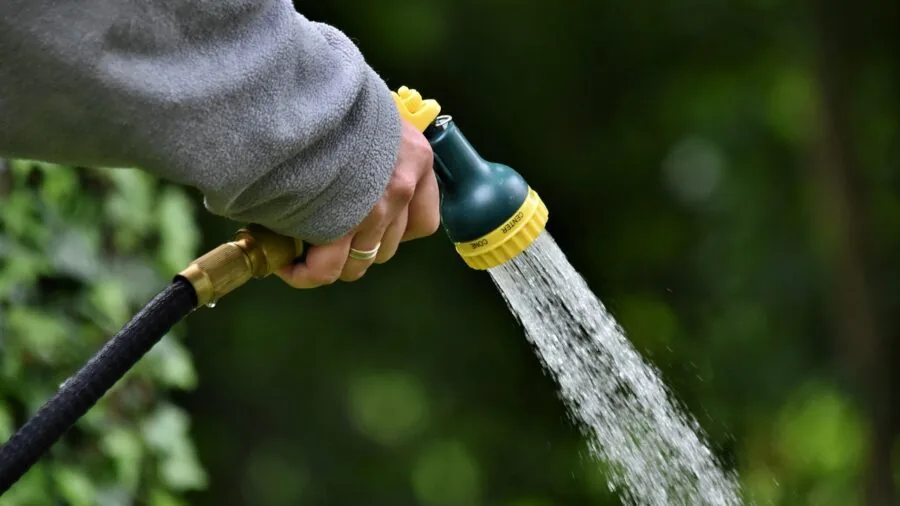
Soil that stayed moist for a week in spring may dry out in just a few days once July temperatures rise. Check your plant’s soil condition more often by inserting your finger into the top inch of potting mix. Water when the soil reaches the right dryness level, aiming for soil that stays evenly moist without becoming waterlogged or bone-dry.
Water quality matters significantly for spider plants. Fluoride and chlorine found in tap water accumulate over time, causing crispy brown leaf tips. Rainwater, distilled water, or tap water left out overnight avoids this issue. Making this simple switch prevents damage and keeps foliage looking healthy all season long.
Feed at Half Strength
Active summer growth requires nutrients, but spider plants are light feeders that suffer from overfeeding. Apply a half-strength liquid houseplant fertilizer every two to four weeks during the growing season. Excess nutrients leave salt deposits in the soil that burn leaf tips, drain the plant’s energy, and reduce spiderette production.
If you’ve already over-fertilized, flush the pot with plain water for about a minute to remove mineral buildup, then reduce feeding frequency. Your plant will recover better with gentle, consistent nutrition than heavy doses.
Ensure Bright, Indirect Light
Light is the primary factor determining whether your spider plant produces those distinctive babies. A plant in a dim corner survives but rarely produces spiderettes. Position your spider plant where it receives plenty of bright, indirect light, either a little away from a sunny window or right against a north or east-facing window.
Avoid direct midday sun, which can scorch foliage and cause pale, bleached patches, especially on variegated varieties. If leaves appear washed out, move the pot back slightly from the glass. Rotating the pot a quarter turn each week promotes even growth instead of the plant leaning toward the light source.
Increase Humidity Levels
Air conditioning systems dry out indoor air significantly, and spider plants respond to low humidity by developing brown tips and becoming vulnerable to spider mites. Clustering multiple plants together or setting pots on trays filled with pebbles and water raises moisture around the foliage. Quick morning misting sessions help too, but avoid leaving foliage wet overnight since moisture invites fungal spots.
Propagate New Plants from Spiderettes
One of the main reasons gardeners love spider plants is their abundance of plantlets. Once a baby develops a few small roots of its own, it’s ready to propagate. The most reliable method involves setting 4-inch nursery pots filled with damp potting mix next to the parent plant and pegging the still-attached spiderette into the soil. After a couple weeks, when the baby is established, cut the runner connecting it to the parent. This propagation success pairs well with upgrading your overall watering system if you’re managing multiple plants.
You can also root spiderettes in water glasses if you prefer, though soil rooting tends to produce stronger plants. Your potted propagations fill in sparse areas and make wonderful gifts for friends and family.
Hold Off on Repotting Unless Necessary
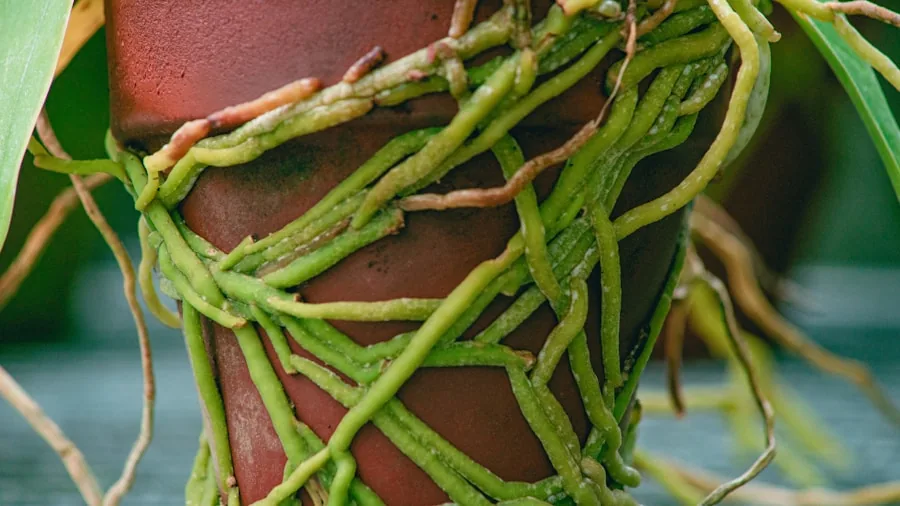
Spider plants flower and produce plantlets best when slightly root-bound, so resist the urge to repot in July unless truly needed. Only repot when you see thick white roots pushing above the soil line or coiling through drainage holes, or when the pot dries within a day after watering. Understanding when plants actually need new containers prevents common mistakes that slow growth.
When repotting becomes necessary, move up just one pot size and use fresh, well-draining potting mix. Jumping to a much larger container invites root rot and stalls growth while the plant struggles to fill empty space. July’s vigorous growth means spider plants bounce back quickly from repotting if done properly.
By tackling these six tasks during July’s warmest weeks, you’ll reward your spider plant with the conditions it needs to thrive. The combination of consistent watering, gentle feeding, bright light, and higher humidity creates the ideal environment for lush foliage and abundant spiderettes that extend your plant collection or provide meaningful gifts to fellow gardeners.






Write Your Review
No reviews yet. Be the first to share your experience!