

A foster-based cat rescue recently welcomed an exceptional kitten that has sparked important conversations about special needs pets and what prospective adopters should understand. Lala, a nine-week-old kitten, experiences a significant head sway and spinning motions caused by a vestibular or cochlear issue, a birth defect affecting the inner ear structures responsible for balance and coordination.
Unlike cerebral hypoplasia, which is more commonly discussed in wobbly kittens, Lala’s condition presents a unique medical picture. Veterinary neurologists determined that the inner ear defects are too small to visualize clearly on imaging at his current age, and surgical intervention would likely offer no benefit. Despite this diagnosis, Lala functions normally in most daily activities, eating, drinking, and using the litter box independently, though his care requires thoughtful adaptations.
What This Means for Kitten Buyers and Adopters
For consumers considering kitten adoption, Lala’s case illustrates an important reality: special needs pets require informed decision-making. Foster-based rescue organizations like the one caring for Lala provide invaluable insight into a kitten’s true personality and needs before adoption takes place. This transparency helps match kittens with suitable households that can accommodate their specific requirements.
Prospective adopters should understand that kittens with balance or neurological challenges may need specialized feeding solutions, such as elevated bowls or floor-level options, along with patience during mealtimes. Lala’s caregivers discovered through trial and error that he prefers food placed directly on the floor in a soft, mushy consistency, demonstrating that what works for typical kittens may not suit a special needs pet.
Housing and Environment Considerations
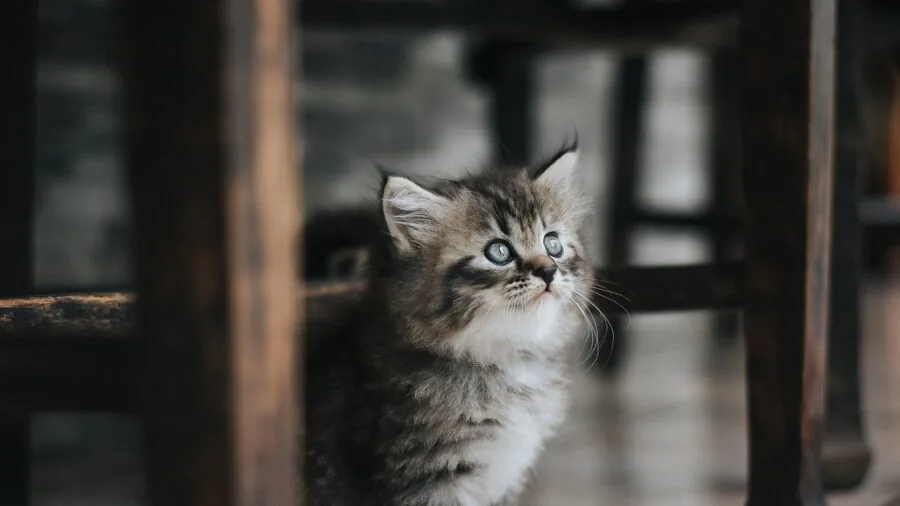
When adopting a kitten with balance difficulties, home environment matters significantly. Safety features become essential, as these kittens cannot quickly escape danger or move with the agility expected of typical cats. Lala can navigate low cat trees and beds, but his movements are slower and require careful evaluation of climbing heights and escape routes.
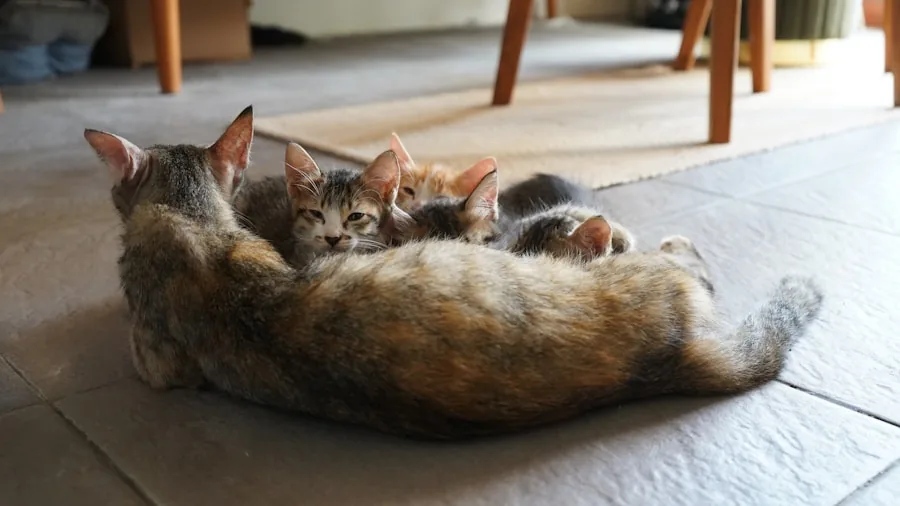
Adopting agencies strongly recommend that kittens like Lala be placed with at least one sibling or a compatible resident cat. Lala relies on his littermates for physical support during eating, leaning against them to stabilize his head movements. A multi-cat household provides the social anchoring and companionship that helps balance-challenged kittens thrive. However, households with high-prey-drive dogs may pose safety risks, since Lala’s movements could trigger predatory responses that a typical kitten could outrun or avoid.
The Foster System Advantage for Consumers
One of the most valuable aspects of foster-based rescue organizations is the detailed assessment period. Foster parents spend weeks or months with kittens, documenting behavior, medical needs, and personality traits that inform adoption decisions. When you adopt through a foster program, you gain access to firsthand knowledge about your potential pet’s temperament and specific care needs.
Additionally, foster-based rescues typically provide lifetime support. If unforeseen circumstances prevent an adopter from keeping a kitten, the rescue commits to taking the animal back or assisting with rehoming. This safety net offers peace of mind that pure purchase transactions cannot provide.
Medical Care and Nutrition Matter
Lala’s story underscores why medical care and proper nutrition rank among the most critical factors in kitten development. Young kittens orphaned or separated from mothers at four and a half weeks old face particular vulnerability. Quality care, including vaccination, spaying or neutering, and nutritionally complete food, directly impacts growth and neurological stability. When selecting litter boxes and other supplies, adopters of kittens with special needs should prioritize accessibility and ease of entry.
What Every Kitten Owner Should Know
Beyond special needs cases, Lala’s rescue situation highlights a broader issue: spaying and neutering prevents unwanted litters. The kitten’s mother was unspayed, resulting in seven kittens born to a household unprepared for their care. This preventable scenario strains rescue resources and shelters nationwide.
Pet owners can support rescue organizations through adoption, fostering, volunteering, or donations. Shelters and rescue groups consistently operate at maximum capacity, making community support essential. Whether adopting a typical or special needs kitten, choosing a rescue-based organization rather than purchasing from breeders helps address pet overpopulation while often gaining a more thoroughly assessed companion.





Write Your Review
No reviews yet. Be the first to share your experience!