

Honda is exploring the possibility of adding a new lifted SUV variant to its lineup, according to internal company planning documents. The vehicle, referred to internally as the Accord SUV, would launch in mid-2029 and represent a fresh take on a concept the automaker abandoned over a decade ago. This move signals Honda’s recognition of shifting consumer preferences and could reshape the competitive landscape for buyers seeking alternatives in the SUV segment.
The Return of a Familiar Idea
The proposed vehicle would resurrect the DNA of the Accord Crosstour, which Honda discontinued in 2015 after struggling with sales. That earlier model blended sedan comfort with elevated ride height and extra cargo space, positioned somewhere between a traditional hatchback and a lifted station wagon. The Crosstour never found its audience, but market conditions have changed dramatically. Today, SUVs and crossovers dominate showroom preferences, and shoppers increasingly seek vehicles that bridge the gap between sedan practicality and SUV versatility.
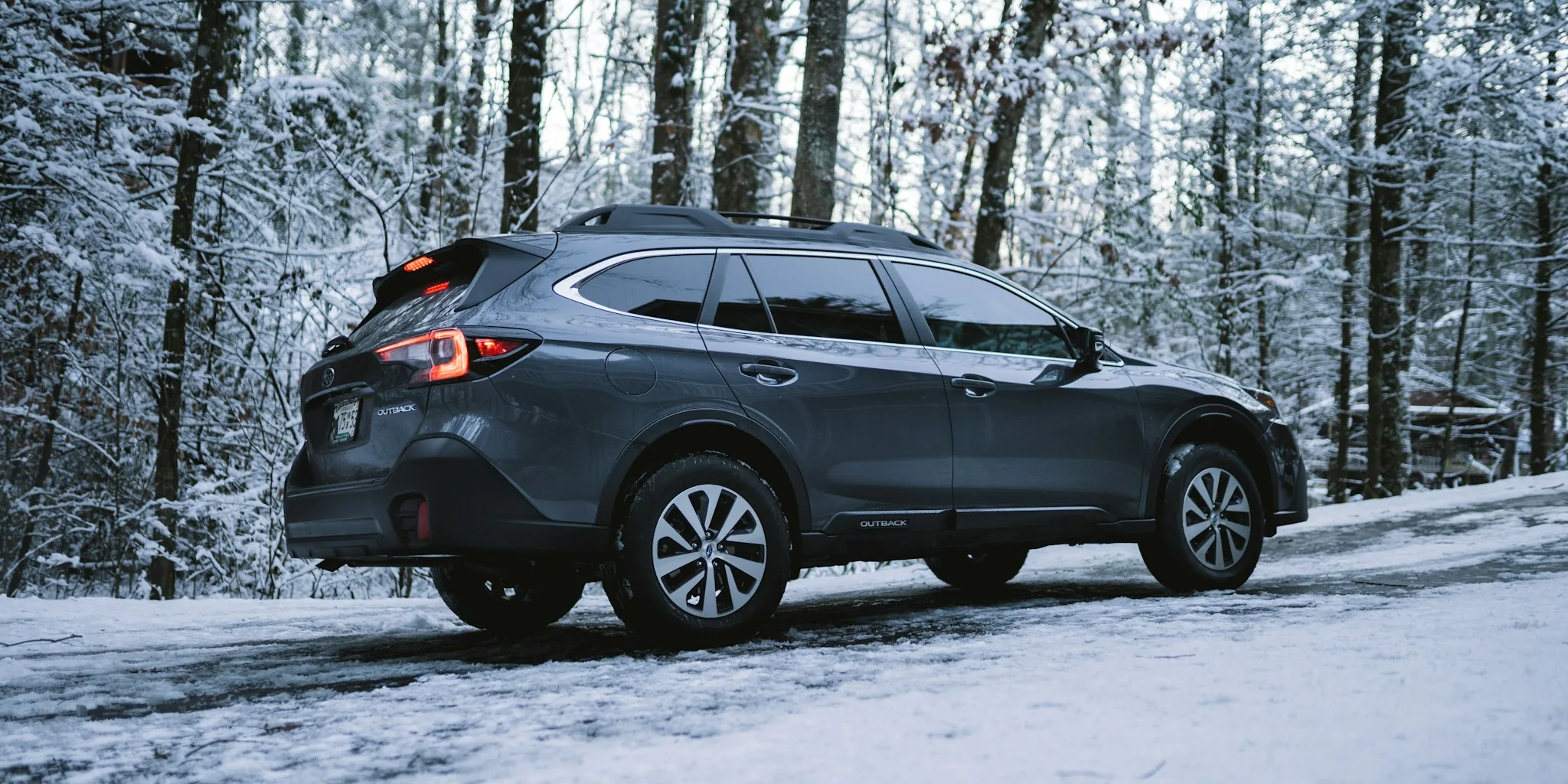
Honda’s new approach would target buyers who feel abandoned by competitors. Subaru, for instance, transformed its Outback from a true station wagon into a lifted crossover, leaving some customers searching for a middle-ground option. A modern Accord SUV could capture shoppers who want sedan-based comfort but prefer the commanding visibility and extra ground clearance that SUVs provide.
Production Timeline and Powertrain Details
If approved, the Accord SUV would likely be assembled at Honda’s Marysville, Ohio facility, which already produces the standard Accord sedan. The timing aligns with Honda’s broader product refresh cycle: the next-generation Accord sedan is scheduled to debut in 2030, and both vehicles would share new hybrid technology developed specifically for the updated lineup.
The hybrid system represents a significant engineering leap, featuring a newly designed direct-drive motor, an updated generator motor, and a fresh battery pack. This powertrain architecture would provide buyers with improved fuel efficiency and performance compared to older hybrid offerings. For consumers concerned about fuel costs and environmental impact, this development matters considerably as fuel prices remain volatile. The Accord sedan’s arrival in 2030 means new SUV and crossover designs from other manufacturers are also coming to market around the same time, intensifying competition in this segment.
What This Means for Buyers Today
At this stage, Honda has not officially committed to building the lifted Accord. The company stated that these plans remain under consideration and no final decision has been made. This uncertainty means shoppers should not plan purchases around an unconfirmed product. However, the existence of detailed planning documents suggests serious internal discussion within Honda’s development teams.
For buyers currently torn between sedans and SUVs, this news offers perspective on where the market is heading. Manufacturers are increasingly willing to blur traditional category lines, recognizing that many customers want sedan efficiency and handling without sacrificing the visibility and space that SUVs deliver. If competing brands continue moving toward crossover designs, new electric and hybrid SUV options are expanding the landscape of choices available to consumers.
Broader Market Context
Honda’s exploration of this vehicle type reflects a larger industry trend. Crossovers and SUVs account for the vast majority of new vehicle sales in the United States, and this dominance shows no signs of reversing. Sedan sales have declined steadily as consumers vote with their wallets. By developing a lifted Accord variant, Honda would position itself to capture share from buyers who might otherwise purchase a traditional crossover from competitors.
The 2029 timeline also aligns with broader delays across Honda’s product portfolio. Supply chain challenges and the complexity of developing next-generation hybrid systems have pushed several models back by one to two years. This revised schedule affects not just the Accord family but Honda’s entire near-term lineup.
Bottom Line for Shoppers
While the lifted Accord SUV remains speculative, its potential arrival underscores an important reality: manufacturers are listening to consumer feedback and adjusting their offerings accordingly. The crossover format has won, but manufacturers recognize opportunities to differentiate within that category by drawing inspiration from sedans. If Honda greenlights this project, buyers could see a vehicle that combines Accord reliability and efficiency with the elevated stance and versatility that modern SUV shoppers demand.
For now, those interested should monitor Honda’s official announcements and consider what features matter most in their next vehicle purchase. Whether you prioritize fuel economy, cargo space, driving dynamics, or technology features, understanding the direction automakers are heading helps inform smart buying decisions. Consumer safety and reliability also remain critical factors as new models launch, making it worthwhile to research long-term dependability ratings before committing to any vehicle purchase.






Write Your Review
No reviews yet. Be the first to share your experience!