

Breathing clean air inside your car matters more than most drivers realize. A clogged or low-quality cabin air filter lets dust, pollen, exhaust fumes, and microscopic pollutants pour straight into your ventilation system every time you turn on the AC or heat. The good news is that swapping in a fresh filter is one of the easiest and most affordable car maintenance tasks you can do yourself. After carefully researching hundreds of buyer reviews, consulting manufacturer specifications, and analyzing real-world performance data, our editorial team at Buyadvanced has identified the best cabin air filters available right now for every budget and vehicle type. Whether you drive a Toyota, a Subaru, or a domestic sedan, there is a high-quality option here for you. If you are also upgrading other parts of your car, our guide to oil filters and our roundup of quality spark plugs are worth reading alongside this one.

Pros
- Activated carbon dual-layer design traps dust, pollen, and odors effectively
- Works as a direct replacement for OEM filters at a fraction of the cost
- Fits an extensive range of Honda and Acura models across multiple generations
- Improves cabin air quality and reduces allergen circulation
- Excellent value with consistent 4.7-star customer satisfaction
Cons
- Requires periodic replacement every 12,000-15,000 miles for optimal performance
- Installation instructions may vary slightly between vehicle models
- Activated carbon effectiveness diminishes over time with heavy use
The EPAuto CP134 cabin air filter delivers premium air filtration at an accessible price point. Its dual-layer construction combines mechanical filtration with activated carbon technology to capture dust, pollen, pet dander, and odors that accumulate in your vehicle's cabin. This design not only improves air quality for you and your passengers but also protects your vehicle's HVAC system from debris buildup that can reduce efficiency and lifespan.
Compatibility is one of this filter's strongest attributes. It fits 19+ Honda and Acura models manufactured between 2003 and 2025, including popular vehicles like the Accord, CR-V, Civic, Pilot, MDX, and RDX. The filter serves as a direct replacement for multiple OEM Honda part numbers, making it an ideal choice for owners seeking genuine-quality performance without the premium price tag. Installation is straightforward enough for most DIY enthusiasts, though some models may require accessing the filter from different locations within the cabin.
Owner feedback consistently highlights the filter's effectiveness at reducing cabin odors and improving air circulation. The 4.7-star rating across tens of thousands of reviews suggests reliable performance and durability. For routine maintenance, replacing this filter every 12,000 to 15,000 miles keeps your cabin air fresh and your HVAC system running efficiently. This is an essential maintenance item that pays for itself many times over through improved comfort and system longevity.
| Specification | Details |
|---|---|
| Model Number | CP134 (CF10134) |
| Filter Type | Cabin Air Filter with Activated Carbon |
| OEM Equivalent | Honda Genuine 80219-SHJ-A01 and 8 additional part numbers |
| Acura Compatibility | CSX (2006-2011), ILX (2013-2022), MDX (2007-2020), RDX (2007-2018), RL (2005-2012), RLX (2014-2020), TL (2004-2014), TLX (2015-2020), TSX (2004-2014), ZDX (2010-2013) |
| Honda Compatibility | Accord (2003-2022), Accord Crosstour (2010-2011), Civic (2006-2015), Crosstour (2012-2015), CR-V (2007-2016), Odyssey (2005-2017), Passport (2019-2025), Pilot (2009-2022), Ridgeline (2006-2025) |
| Filtration Technology | Dual-layer with soda and activated carbon |
| Recommended Replacement | Every 12,000-15,000 miles or annually |
| Customer Rating | 4.7 out of 5 stars |
Before You Start: Consult your vehicle's owner manual for the exact filter location. Most Honda and Acura models store the cabin air filter behind the glove box, under the hood near the windshield, or beneath the dashboard.
Basic Installation Steps:
- Locate your vehicle's cabin air filter compartment using the owner's manual
- Remove any panels or covers blocking access to the filter housing
- Note the arrow direction on the old filter indicating airflow
- Slide out the old filter and inspect the housing for debris
- Wipe the housing clean with a dry cloth
- Insert the new CP134 filter with the arrow pointing in the correct direction
- Reinstall any covers or panels and evaluation your HVAC system
Pro Tip: If your vehicle has been driven extensively without filter changes, consider vacuuming the filter housing before installation to maximize the new filter's effectiveness.
When to Replace: Change your cabin air filter every 12,000 to 15,000 miles or once per year, whichever comes first. If you drive frequently in dusty, polluted, or high-pollen environments, consider more frequent replacements.
Signs Your Filter Needs Replacement:
- Reduced airflow from dashboard vents
- Musty or stale odors in the cabin
- Visible dirt or debris on the filter surface
- Increased fan noise when operating the HVAC system
- Decreased air conditioning or heating effectiveness
Maintenance Tips: Keep spare filters on hand for emergencies. Store filters in a clean, dry location away from moisture. Regular filter changes prevent strain on your vehicle's HVAC compressor and blower motor, extending their operational life. Clean your vehicle's cabin vents periodically with compressed air to remove accumulated dust between filter changes.
Is This Filter Right for You? The EPAuto CP134 is ideal if you own a Honda or Acura vehicle manufactured between 2003 and 2025 and want OEM-quality air filtration without premium pricing. It's perfect for drivers concerned about cabin air quality, allergies, or pet odors.
Key Considerations:
- Vehicle Compatibility: Verify your exact model year and vehicle type using the compatibility list. Installation location varies by model.
- Driving Conditions: Urban drivers and those in high-pollen areas benefit most from activated carbon filters. Rural or low-traffic driving may allow longer intervals between replacements.
- Budget: At under ten dollars, this filter offers exceptional value compared to OEM Honda filters priced at twenty to thirty dollars.
- DIY vs. Professional: Most owners can install this filter independently in 10-20 minutes. If uncomfortable with vehicle maintenance, your Honda dealer or local mechanic can install it quickly.
Comparison Note: The activated carbon layer distinguishes this filter from basic mechanical filters, providing superior odor elimination and pollutant capture. This makes it an excellent choice for health-conscious drivers and those with allergies or sensitivities.

Pros
- Excellent filtration performance with pleated micro glass construction
- Durable Viton seals prevent bypass and ensure consistent air quality
- American-made by a heritage brand trusted by professional racers and everyday drivers
- Increased dirt capacity means longer intervals between replacements
- Affordable price point for premium filtration quality
Cons
- Package dimensions are larger than some competitors, requiring adequate storage space
- Limited compatibility information in product description may require verification with your vehicle's manual
- Pleated filters require gentle handling during installation to avoid media damage
The WIX LD cabin air filter represents a solid choice for vehicle owners seeking reliable cabin air filtration without premium pricing. Built with pleated micro glass media, this filter captures a higher volume of airborne particles including dust, pollen, and contaminants before they enter your vehicle's cabin. The construction approach has been refined through decades of WIX's involvement in racing applications, where filter performance directly impacts engine and cabin air quality under demanding conditions.
What distinguishes this filter is its increased dirt-holding capacity combined with Viton seals that prevent air bypass around the filter edges. This dual approach means cleaner air reaches your cabin while the filter maintains effectiveness over a longer service life. The pleated design maximizes surface area within a compact footprint, allowing WIX to deliver professional-grade filtration in a standard-sized replacement filter. For most drivers, this translates to fewer filter changes per year and more consistent cabin air quality between maintenance intervals.
As an American-made product from a manufacturer founded in 1939, the WIX LD carries the weight of engineering heritage and quality control standards developed over nearly nine decades. The filter's track record in racing applications underscores its durability and reliability in real-world conditions. At its price point, this filter offers strong value for drivers prioritizing air quality and maintenance cost reduction without requiring premium or specialty cabin air filter options.
| Brand | WIX Filters |
| Model | LD |
| Part Number | WP10320 |
| Product Type | Passenger Compartment Air Filter |
| Filter Media | Pleated Micro Glass |
| Seal Type | Viton Seals |
| Package Length | 11.75 inches |
| Package Height | 6 inches |
| Package Width | 6.67 inches |
| Package Weight | 0.1 pounds |
| Country of Origin | United States |
| Key Features | Increased dirt-holding capacity, high particle size retention, durable and reliable construction |
Before You Begin: Locate your vehicle's cabin air filter housing, typically found behind the glove box or under the dashboard. Consult your vehicle's owner manual to confirm the correct filter location and any specific installation requirements.
Installation Steps:
- Turn off your vehicle and allow the engine to cool
- Remove the cabin air filter cover or access panel according to your vehicle's design
- Carefully slide out the old filter, noting the airflow direction arrow
- Inspect the filter housing for debris and gently clean if necessary
- Unwrap the new WIX LD filter and verify the airflow direction matches your housing requirements
- Insert the new filter with the pleated side facing the cabin air intake
- Secure the filter cover or access panel firmly in place
- Start your vehicle and verify normal cabin air function
Maintenance Tip: Check your cabin air filter every 12 months or 15,000 miles, whichever comes first. In dusty environments, more frequent inspection may be beneficial.
Who Should Buy This Filter? The WIX LD is ideal for vehicle owners who want dependable cabin air filtration from an established manufacturer. If you prioritize American manufacturing, proven reliability, and cost-effective maintenance, this filter delivers strong value.
Key Considerations:
- Compatibility: Confirm part number WP10320 matches your vehicle model before purchasing
- Replacement Frequency: Plan to replace this filter annually or every 12,000-15,000 miles depending on driving conditions
- Air Quality Impact: Expect noticeable improvements in cabin air freshness, especially if your previous filter was aged or heavily soiled
- Maintenance Cost: Regular cabin air filter replacement prevents strain on your vehicle's HVAC system and maintains fuel efficiency
Performance Expectations: The pleated micro glass construction captures fine particles effectively, while the increased dirt capacity extends the filter's working life. Viton seals ensure air doesn't bypass the filter media, maximizing the air quality benefit you receive from each replacement.

Pros
- Exceptional odor and fume control thanks to activated carbon technology
- Noticeably thicker construction than standard cabin filters improves durability
- Wide vehicle compatibility covers most popular Toyota and Lexus models
- Easy DIY replacement with included installation guide
- Outstanding customer satisfaction with consistently high ratings
Cons
- Requires manual verification of vehicle fitment before purchase
- Slightly higher upfront cost than basic particulate filters
- May reduce airflow marginally compared to non-carbon filters in some vehicles
The Spearhead Breathe Easy cabin filter stands out in the aftermarket air filtration space by combining practical engineering with real-world performance benefits. The use of genuine coconut shell activated carbon sets this filter apart from basic particulate options, as it actively adsorbs harmful gases, exhaust fumes, and odors rather than simply blocking particles. The thick electrostatic media construction, weighing twice as much as standard filters, provides superior particle capture while the multiple pleated layers extend filter life to approximately 15,000 miles, representing a meaningful 25% improvement over conventional 12,000-mile replacements.
Installation is straightforward for DIY enthusiasts, making this filter an economical choice compared to dealership service charges. The filter's compatibility spans an impressive range of 2016-2025 Toyota, Lexus, and Subaru vehicles, including popular models like the Camry, RAV4, Highlander, RX350, Prius, and CX-9. The included installation manual ensures most owners can complete the swap in under 15 minutes without special tools, though vehicle-specific fitment verification is essential before ordering.
Owner feedback consistently highlights noticeable improvements in cabin air quality, particularly for those in urban environments, near traffic, or traveling with pets. The activated carbon layer proves especially valuable for drivers sensitive to odors or air quality issues, while the extended lifespan reduces the frequency of replacements and overall maintenance costs. The product's substantial rating reflects genuine customer satisfaction across diverse driving conditions and vehicle types.
| Specification | Details |
|---|---|
| Model Number | BE-157 |
| Filter Type | Activated Carbon Cabin Air Filter |
| Media Material | Thick electrostatic media with coconut shell activated carbon |
| Filter Life | Up to 15,000 miles (25% longer than standard) |
| Weight Comparison | 2X heavier than standard cabin filters |
| Filtration Levels | Multiple pleated layers |
| Installation | DIY-friendly with included manual |
| Price | $12.99 |
| Rating | 4.7 out of 5 stars |
Toyota Models: 2019-2022 Avalon, 2018-2025 Camry, 2019-2025 Corolla (2.0L L4 only), 2022-2025 Corolla Cross, 2023-2025 GR Corolla, 2023-2025 Crown, 2025 Crown Signia, 2020-2025 Highlander, 2024-2025 Grand Highlander, 2016-2025 Prius, 2019-2024 Prius AWD-e, 2017-2024 Prius Prime, 2021-2025 Sienna, 2019-2025 RAV4, 2021-2024 RAV4 Prime, 2021-2024 Venza
Lexus Models: 2021-2025 ES250, 2019-2025 ES300h, 2019-2025 ES350, 2022-2025 NX250, 2022-2025 NX350, 2022-2025 NX350h, 2022-2025 NX450h+, 2016-2025 RX350, 2023-2025 RX350h, 2018-2022 RX350L, 2016-2022 RX450h, 2018-2022 RX450hL, 2024-2025 RX450h+, 2023-2025 RX500h, 2024-2025 TX350, 2024-2025 TX500h, 2024-2025 TX550h+, 2019-2022 UX200, 2019-2024 UX250h, 2025 UX300h, 2023 UXh
Subaru and Mazda Models: 2016-2023 CX-9, 2019-2023 Ascent, 2018-2025 Crosstrek, 2017-2025 Impreza, 2020-2023 Legacy, 2020-2023 Outback
Always verify your specific year, make, and model using the vehicle selector tool before purchasing to ensure proper fitment.
Why DIY Installation Saves Money
Cabin air filter replacement typically costs $75-150 at dealerships or service shops, but the Spearhead Breathe Easy filter is designed for straightforward owner installation. Most vehicles allow access to the cabin filter in under 15 minutes without special tools or mechanical expertise.
Basic Installation Steps
- Locate your vehicle's cabin air filter (usually behind the glove box or under the hood)
- Remove the old filter and note the airflow direction arrow
- Clean the filter housing with a dry cloth
- Insert the new Spearhead filter with the arrow pointing in the correct direction
- Secure the filter cover and evaluation your climate control
Important Notes
Every Spearhead Breathe Easy filter includes a detailed installation manual specific to your vehicle model. If you're uncomfortable removing trim panels or accessing the filter housing, professional installation remains an option. Always verify the airflow direction before reinstalling to ensure optimal filtration performance.
Cabin Air Filters Buying Guide
Choosing the right cabin air filter is not complicated once you understand a few key principles. This buying guide covers everything from filter types to replacement schedules so you can make a confident, informed decision without wasting money on a filter that does not suit your car or your needs.
What Is a Cabin Air Filter and Why Does It Matter?

A cabin air filter sits inside your vehicle’s HVAC system and intercepts airborne contaminants before they reach the passenger compartment. Every breath you take while driving passes through this component. A fresh, high-quality filter traps pollen, dust, mold spores, soot, and even some bacteria, while a degraded one becomes a source of unpleasant odors and reduced airflow. Mechanics typically recommend replacing your cabin filter every 12,000 to 15,000 miles, or at least once a year, whichever comes first. Drivers in urban environments or areas with high pollen counts may benefit from replacing it even more frequently. Keeping your cabin filter current also protects the blower motor from premature wear, saving you from a much more expensive repair down the road.
Types of Cabin Air Filters
Understanding the different filter technologies will help you match the right product to your specific concerns. Each type excels at a different aspect of air purification.
Particulate Filters
Standard particulate or “particle” cabin filters use layered, pleated media to physically trap dust, pollen, leaves, insects, and other solid debris. They are typically the most affordable option and work well for drivers whose main concern is keeping the blower motor and vents clean rather than eliminating chemical odors. If you mainly commute through suburban or rural areas with modest air quality concerns, a quality particulate filter is often all you need.
Activated Carbon Filters
Activated carbon filters add a layer of treated carbon media on top of the particulate layer. The porous structure of activated carbon chemically adsorbs volatile organic compounds (VOCs), exhaust gases, nitrogen dioxide, and unpleasant odors that a plain particulate filter would simply pass through. If you frequently drive in stop-and-go traffic, near industrial zones, or in any environment with noticeable exhaust smells, an activated carbon filter is a meaningful upgrade. All three products in this roundup from EPAuto, Wix, and Spearhead use activated carbon technology.
HEPA-Rated Filters
HEPA-rated cabin filters are the premium tier. They capture particles as small as 0.3 microns with at least 99.97 percent efficiency, including fine particulate matter (PM2.5), certain bacteria, and airborne allergens that smaller-pore activated carbon filters may miss. HEPA options typically cost more and may slightly restrict airflow compared to standard filters, but they are worth considering for allergy sufferers, immunocompromised passengers, or anyone who regularly drives through areas with poor air quality.
Key Features to Look For
Beyond filter type, several practical features separate a genuinely good cabin air filter from a mediocre one. Here is what to prioritize during your research.
Fit and Vehicle Compatibility
Cabin air filters are vehicle-specific parts. An improperly fitting filter leaves gaps around the edges that let unfiltered air bypass the media entirely, defeating the purpose. Always verify compatibility using your vehicle’s year, make, and model before purchasing. The product listings in this article all include compatibility checkers to help you confirm the right fit before you buy.
Filter Media Quality and Pleat Count
More pleats mean a greater surface area for trapping particles without restricting airflow. A well-constructed filter with tightly spaced, uniform pleats will generally last longer and perform more consistently than a loosely pleated budget option. Look for filters with sturdy end caps and reinforced frames that prevent the media from collapsing or bowing under airflow pressure over time.
Odor and Chemical Absorption
If odor elimination is a priority, look for filters that combine activated carbon with a secondary odor-neutralizing layer such as baking soda or a proprietary odor-defense compound. These multi-layer designs tackle both particulate contamination and gaseous pollutants simultaneously. Pairing a good cabin filter with quality car air fresheners can further enhance the interior atmosphere, though a fresh filter should be your first line of defense.
Filter Lifespan
Premium filters often advertise an extended service life, sometimes up to 25 percent longer than OEM equivalents. This can offset a higher upfront cost over time. Check the manufacturer’s recommended replacement interval and factor in your typical driving environment. City driving in heavy traffic degrades filters faster than highway commuting in clean air.
Ease of Installation
Most cabin air filters are accessible from behind the glove box and require no special tools to replace. The best options include clear installation instructions or a QR code linking to a vehicle-specific video guide. If you are comfortable with basic hand tools, you can typically complete the swap in under ten minutes. A filter that is difficult to install correctly may not seat flush, leaving the gaps mentioned above.
Price and Value
The price range for cabin air filters spans from budget-friendly to mid-range and premium, all of which are represented in this roundup. The most affordable filters deliver solid particulate and odor protection at minimal cost. Mid-range activated carbon filters balance performance and value for most everyday drivers. Premium options add extended lifespan claims or enhanced odor-defense technology that can justify the higher investment for drivers with specific needs. For context on how this fits into a broader car maintenance budget, our guide to brake pads and our roundup of the best car batteries cover other key maintenance categories.
How Often Should You Replace Your Cabin Air Filter?
The general rule is every 12,000 to 15,000 miles or once a year. However, several factors call for more frequent replacement. If you regularly drive through areas with high dust, smoke, pollen, or construction debris, inspect your filter every 6,000 miles. Signs that your filter is due for replacement include reduced airflow from your vents, musty or stale odors when the AC or heater runs, increased allergy symptoms while driving, or visibly dirty gray-black filter media when you pull it out. Replacing the filter proactively costs far less than repairing a damaged blower motor.
OEM vs. Aftermarket Cabin Air Filters
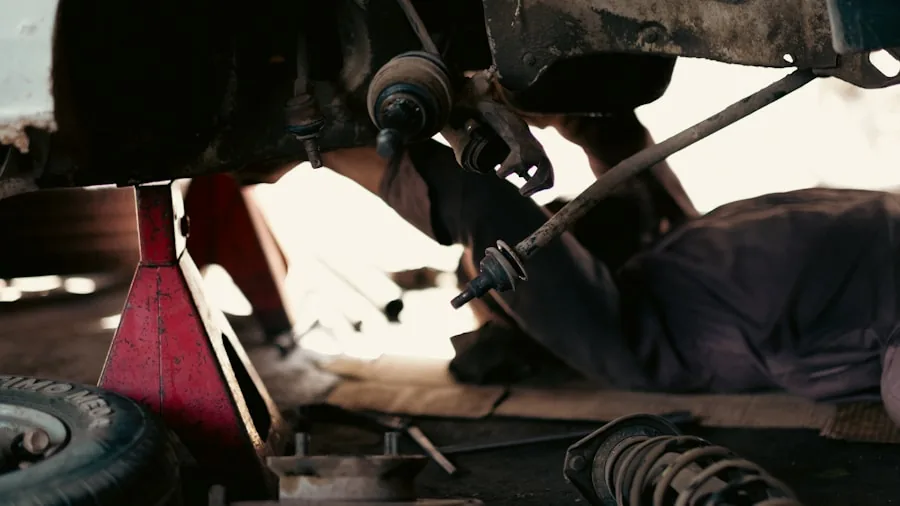
Many drivers assume they need the dealership’s OEM filter to maintain their vehicle’s warranty or performance. In practice, a quality aftermarket filter that meets or exceeds OEM specifications works just as well and often costs significantly less. The products in this roundup are all reputable aftermarket options that have been engineered to match the dimensions and performance standards of the original equipment they replace. You do not need to visit the dealership to keep your cabin air quality at its best.
Why Trust Us
Buyadvanced is an independent review platform with no commercial relationship to any product manufacturer or retailer. We do not sell products, process orders, or handle returns. Our editorial team researched and analyzed verified purchase data, manufacturer specifications, and real-world owner feedback across thousands of reviews to assemble this list. We evaluated each product on filtration efficiency, build quality, compatibility breadth, ease of installation, odor control, and overall value for money. We applied the same rigorous, unbiased methodology we use across all our automotive coverage, from windshield wipers to headlight bulbs and tire pressure gauges. No manufacturer paid for placement or influenced our conclusions.
Final Thoughts
All three filters in this roundup deliver meaningful improvements over a clogged OEM filter, and each suits a slightly different driver profile. Here is a quick summary of our top picks to help you decide which one belongs in your car.
- Best Budget Pick: EPAuto CP134 (CF10134) Premium Cabin Air Filter with Activated Carbon is an outstanding value for drivers who want activated carbon odor control without spending much. With an exceptional volume of verified reviews and a consistently high rating, it has earned its reputation as a reliable, easy-to-install option for a wide range of vehicles.
- Best Premium OE-Style Filter: Wix Cabin Air Filter is the pick for drivers who prioritize OEM-grade engineering and brand credibility over price. Wix is a globally trusted filtration brand with a long history supplying both OEM and aftermarket markets, making this a solid choice for those who want professional-grade quality.
- Best for Odor Defense and Longevity: Spearhead Odor Defense Breathe Easy Cabin Filter stands out thanks to its multi-layer construction and a lifespan rated up to 25 percent longer than standard filters. With over 65,000 verified reviews and a 4.7-star average, it is the most reviewed and consistently praised option in this roundup, making it an ideal choice for Toyota, Lexus, Subaru, and select Mazda owners who drive in high-traffic or high-pollen environments.
Whichever filter you choose, replacing it regularly is one of the simplest ways to protect your health, preserve your HVAC system, and keep your car smelling fresh. Pair your new filter with a set of all-weather floor mats and a fresh set of seat covers for a complete interior refresh that costs far less than a professional detailing appointment.
Frequently Asked Questions
How do I know if my cabin air filter needs replacing?
The most common signs include noticeably reduced airflow from your dashboard vents even at high fan settings, musty or dusty smells when you run the heater or AC, and worsening allergy symptoms while driving. Pulling the filter out for a visual inspection is the most reliable check: if the media is visibly dark, clogged with debris, or deformed, it is time for a new one. Most drivers are surprised by how dirty a “one-year-old” filter can look. Keeping up with this simple swap also helps protect other components, much like maintaining your oil filter protects your engine.
Can I install a cabin air filter myself?
Yes, for most vehicles this is a straightforward DIY task that takes fewer than fifteen minutes and requires no special tools. The filter is typically located behind the glove box, under the dashboard on the passenger side, or under the hood near the windshield. All three products in this roundup include installation guidance, and vehicle-specific video tutorials are widely available online. If you enjoy maintaining your own car, pairing this with tire cleaning and a good set of foam cannons for exterior care makes for a rewarding weekend maintenance session.
Is an activated carbon cabin filter worth the extra cost?
For most drivers, yes. Activated carbon filters address the chemical and odor dimension of air quality that a standard particulate filter simply ignores. If you commute in urban traffic, live near industrial areas, or are sensitive to exhaust smells, the modest price difference between a basic filter and an activated carbon model is very much worth it. All three filters in this roundup include activated carbon layers, so you are already getting that upgrade regardless of which one you choose.
Does changing my cabin filter improve AC performance?
A severely clogged cabin filter restricts airflow through the entire HVAC system, which can make your AC feel weaker and force the blower motor to work harder. Replacing a dirty filter restores proper airflow and can noticeably improve both cooling and heating performance. If your AC still underperforms after a filter swap, the issue may lie elsewhere in the system. Keeping your car in top shape overall, from LED headlight bulbs to a reliable backup camera, adds up to a noticeably better driving experience.
Will any cabin air filter fit my car?
No. Cabin air filters are vehicle-specific. Using the wrong size will leave gaps in the housing that allow unfiltered air to bypass the media entirely. Always verify compatibility using your vehicle’s year, make, and model before purchasing. Each product page on Amazon includes a compatibility lookup tool to help you confirm the right fit quickly. If you drive a 2016 to 2025 Toyota, Lexus, or Subaru, the Spearhead Breathe Easy filter is specifically engineered to fit those platforms like an OEM replacement.


Write Your Review
No reviews yet. Be the first to share your experience!