

The landscape of entertainment has undergone a seismic shift over the past few years. Video game adaptations are no longer considered risky ventures relegated to B-list productions: they’re now commanding major studio investment, streaming giant deals, and box office success. For home entertainment enthusiasts, this transformation is reshaping what you’ll watch on your screen and how you experience storytelling across platforms.
From Stigma to Success: The Golden Age of Gaming Adaptations
Just two decades ago, video game movies were infamous for critical failure. The 1990s and 2000s produced a string of box office disasters and critically panned films that created what became known as the “video game adaptation curse.” That era seemed to confirm a widespread belief in Hollywood that gaming stories simply weren’t worth adapting.
The turning point came in 2020 when Paramount Pictures released the first Sonic the Hedgehog film. Despite initial setbacks including a character redesign prompted by fan backlash, the movie grossed $320 million worldwide on a $90 million budget. This unexpected victory proved that audiences would embrace quality game-to-screen adaptations, triggering a complete reversal in industry attitudes.
Since then, the results have been undeniable. The animated Super Mario Bros. Movie crossed the $1 billion mark globally. HBO Max’s The Last of Us earned universal critical acclaim. Netflix’s Arcane became a phenomenon that introduced millions to the League of Legends universe. Fallout on Prime Video demonstrated that even niche gaming properties could captivate mainstream audiences. These successes convinced entertainment executives that video games contain rich narratives worth mining.
How This Boom Changes What You’ll See on Screen
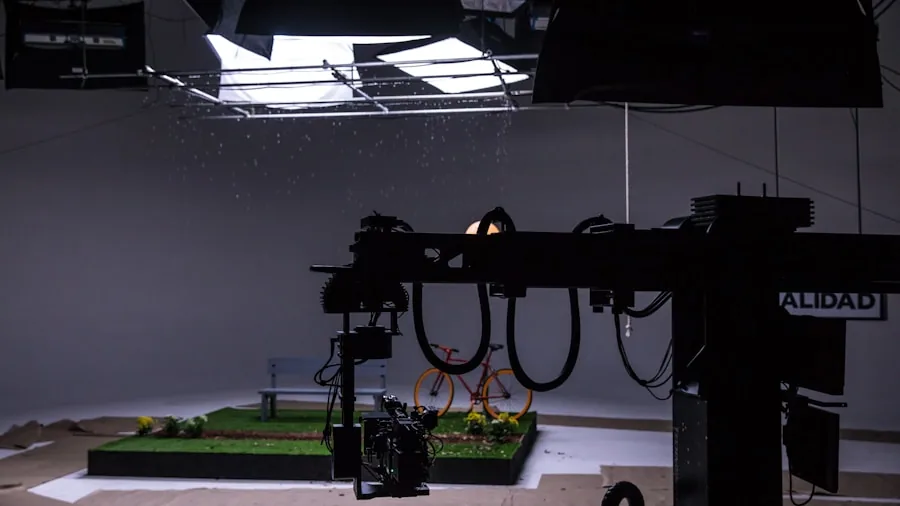
Story Kitchen, the production company behind many of these adaptations, currently has over 30 projects in development across film and television. This isn’t just about adapting the biggest franchises anymore. The studio is equally invested in bringing AA and indie games to audiences, prioritizing creative merit and storytelling potential over pure sales figures.
For viewers, this means unprecedented variety in your home viewing options. Upcoming adaptations include live-action interpretations of Tomb Raider starring Sophie Turner on Prime Video, the episodic narrative-driven Life is Strange heading to Amazon, and award-winning indie titles like Sifu coming to Netflix. Meanwhile, classic toy franchises that grew up alongside gaming culture, such as Teddy Ruxpin, are also receiving major film treatments.
When selecting a TV for your next gaming or streaming marathon, consider that the best gaming TVs deliver the visual quality these productions deserve. Modern adaptations feature cinematic production values that demand sharp picture quality and vibrant color reproduction.
The Strategic Approach Behind Every Adaptation

What distinguishes this new era of video game adaptations is the respect and collaboration now involved. Production teams work directly with game developers and publishers to ensure adaptations honor the source material while standing on their own as entertainment.
For properties with branching narratives and player choice, creators face unique challenges. Life is Strange, where player decisions shaped the story, required producers to select one canonical ending while ensuring all major decision points resonated with fans who made different choices. The approach focuses on emotional truth rather than pleasing everyone equally.
This commitment to quality and authenticity extends to casting and creative vision. Acclaimed director Phoebe Waller-Bridge oversaw the Tomb Raider series with full creative authority, while maintaining close partnership with developer Crystal Dynamics. Similar collaborative models govern projects like the Split Fiction adaptation, where screenwriters played the source game before writing their scripts.
What This Means for Your Entertainment Consumption
The explosion of gaming adaptations fundamentally changes the content landscape for home entertainment. Rather than treating video games as niche source material, major studios now view them as reliable foundations for prestige television and theatrical releases.
This expansion benefits consumers through greater content diversity. If you’re building your home theater setup, the best TVs for every budget and room size now need to deliver performance across an expanded range of genres: action-heavy adaptations of Sonic sequels, intimate character dramas like Life is Strange, and stylized visual spectacles from properties like Arcane.
The upcoming years will test whether this momentum sustains or represents a temporary trend. However, with first-look deals established between major producers and streaming platforms, alongside theatrical releases planned through 2027 and beyond, the evidence suggests this is a permanent shift in how stories reach audiences.
For viewers and home entertainment enthusiasts, the result is simple: quality adaptations of beloved games are becoming standard viewing fare rather than exceptions. Whether you’re watching on the best 50 inch TVs or larger screens, expect a steady stream of gaming adaptations designed for mainstream audiences while respecting their gaming roots.



Write Your Review
No reviews yet. Be the first to share your experience!