
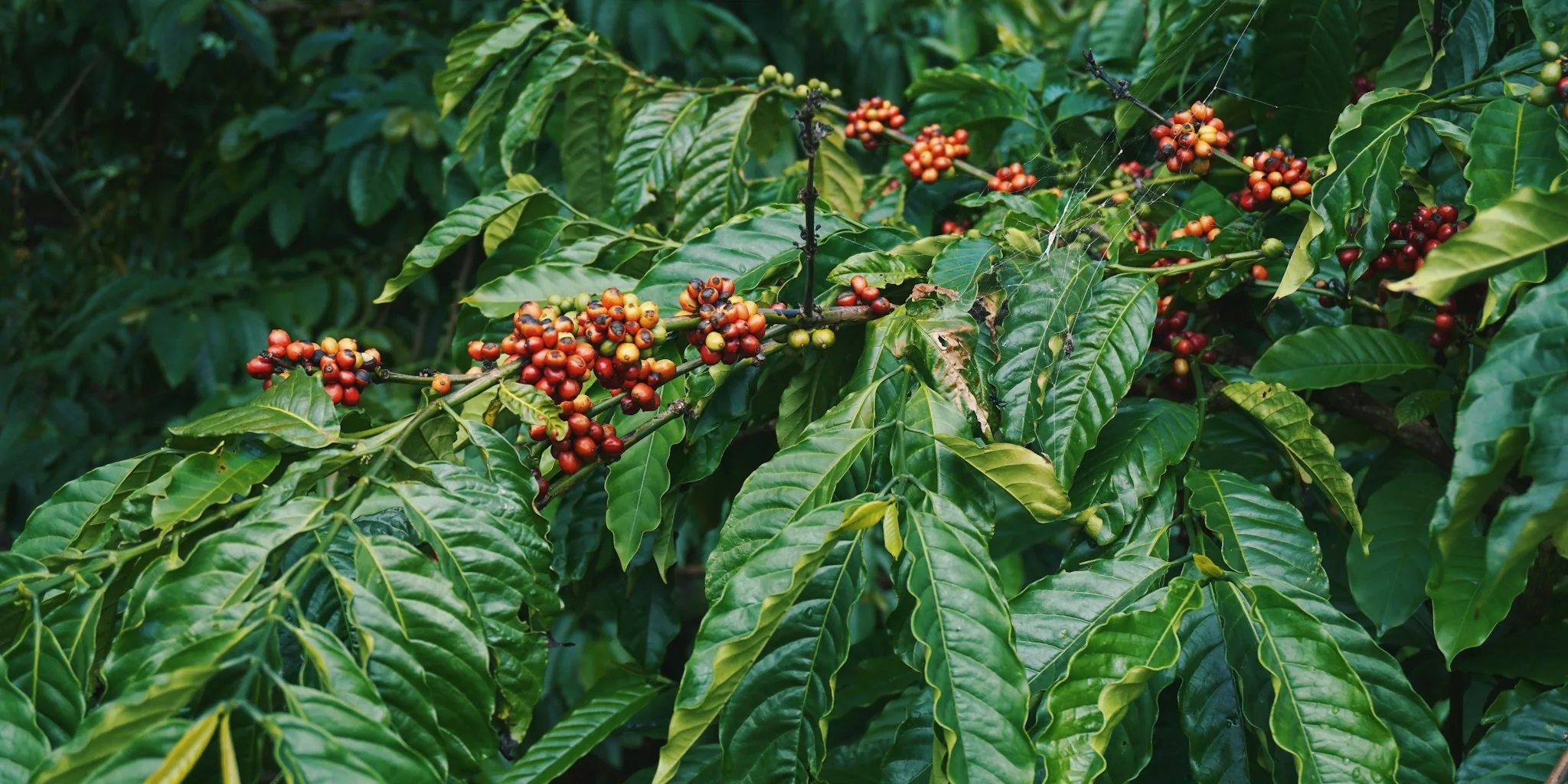

Traditional coffee varieties are facing a serious threat. Rising global temperatures, erratic rainfall, and increasing pest pressure are putting the future of Arabica and Robusta coffee at risk, two species that together account for nearly all commercial coffee production worldwide. Now, growers and researchers are turning to an overlooked alternative that could reshape what you drink: Excelsa coffee.
Excelsa is not a new plant. Native to tropical regions of Africa and Southeast Asia, it has existed on the margins of India’s coffee landscape for over a century, often planted simply as a boundary marker or shade tree. When it was introduced to India in the late 1800s as a pest-resistant alternative to Arabica, its height of six to 15 meters and dense branching made it impractical for large-scale farming. The species never took off commercially and largely faded into obscurity.
Today, that is changing rapidly. A specialty coffee roaster in India launched an Excelsa blend in 2020 as an experimental small batch. The product sold out consistently and became a bestseller, surprising even its creator. Most consumers didn’t even realize they were trying a different coffee species. They simply knew it tasted good.
Why Excelsa Matters Now
Climate change is forcing the coffee industry to rethink everything. Temperatures above 30 degrees Celsius reduce yields, harm bean quality, and stress plants, especially heat-sensitive Arabica. Robusta fares better in heat but struggles with drought. Neither species can adapt quickly enough to the rapid climate shifts happening in major coffee-growing regions.
Excelsa offers genuine advantages. The species is more resilient to temperature fluctuations and irregular rainfall. Its long growing season means harvesting occurs in March and April, well after monsoon rains that damage Arabica crops. Research has already shown that farmers in Uganda, Vietnam, and India report Excelsa as more resilient, more productive, and ultimately more profitable than Robusta.
Scientists at prestigious institutions like the Royal Botanic Gardens in London are actively studying over 130 different coffee species worldwide. Their conclusion is clear: the coffee industry needs diversification. A senior research leader from that organization predicts major disruptions in coffee cultivation within the next decade if the industry doesn’t adapt. One possible solution gaining traction is specialty coffee options like Excelsa that offer climate resilience without sacrificing quality.
What’s Being Tested and Grown
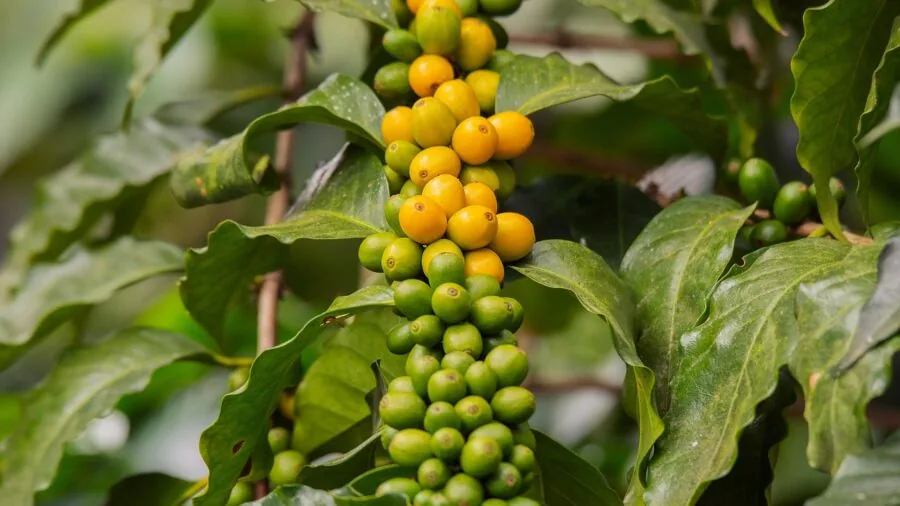
Indian coffee producers are scaling up Excelsa cultivation across five estates. In 2025, one major South Indian coffee company sold over four tons of green Excelsa coffee, with projections rising to five tons in 2026. Meanwhile, researchers are testing seven different Excelsa varieties from Vietnam and developing hybrid species that combine the best traits of multiple coffee plants for heat and moisture resistance.
Uganda has emerged as an unexpected leader in Excelsa production. Hundreds of acres have been under cultivation since the early 2000s, with at least 200 farms now producing high-quality Excelsa for export, including shipments to the United Kingdom. Industry experts predict that Ugandan Excelsa could appear in mainstream supermarkets within a decade.
Other Climate-Resilient Alternatives
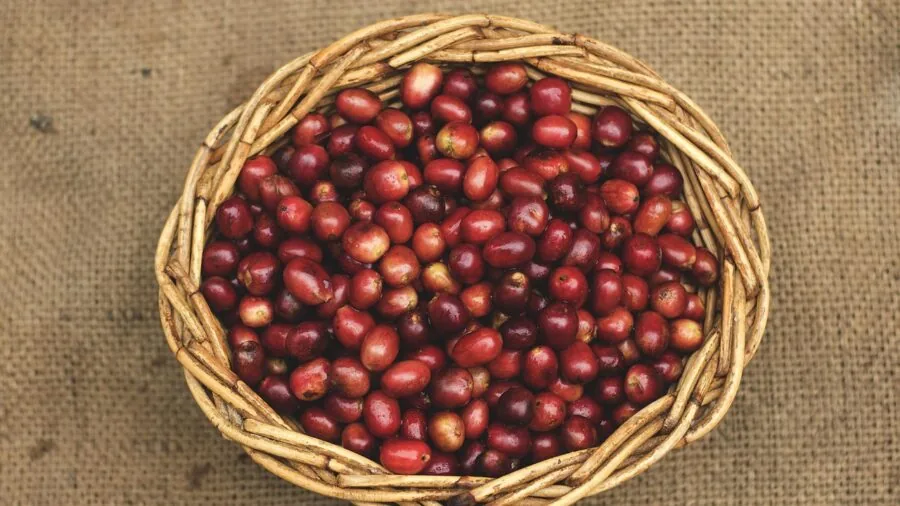
Excelsa is not the only option being explored. Liberica, another overlooked species, thrives in both wet and dry conditions at higher temperatures than most coffee crops. Recent genomic research confirmed that Liberica and Excelsa are actually distinct species, opening new possibilities for targeted breeding and cultivation. Stenophylla is another candidate, offering heat tolerance matching or exceeding Robusta while delivering flavor nearly identical to Arabica.
Perhaps most promising is a new hybrid being developed by international research teams. Called Libex, this cross between Liberica and Excelsa combines excellent disease resistance with the ability to handle both excess heat and moisture stress. These hybrids can reach production quickly compared to developing entirely new varieties.
What This Means for Your Coffee
For consumers shopping for coffee, these developments offer both practical and ethical advantages. Exploring climate-resilient coffee options supports farmers adapting to environmental challenges while securing your favorite beverage’s long-term availability. Excelsa itself has a mild flavor profile and lower caffeine content, making it suitable for blending, instant coffee, or those seeking a gentler cup.
The transition from traditional varieties to climate-resilient alternatives is already underway in specialty markets. Awareness and demand are growing. Indian growers have received requests for over 4,000 Excelsa saplings for 2026 alone, signaling serious commercial interest.
The future of coffee depends on innovation, research funding, and growers willing to experiment with unfamiliar species. The good news: those ingredients are already in motion. The next time you purchase coffee, you might be holding a variety that didn’t exist in mainstream commerce just a few years ago. Supporting these new options today helps ensure that coffee remains available and affordable for generations to come.






Write Your Review
No reviews yet. Be the first to share your experience!