
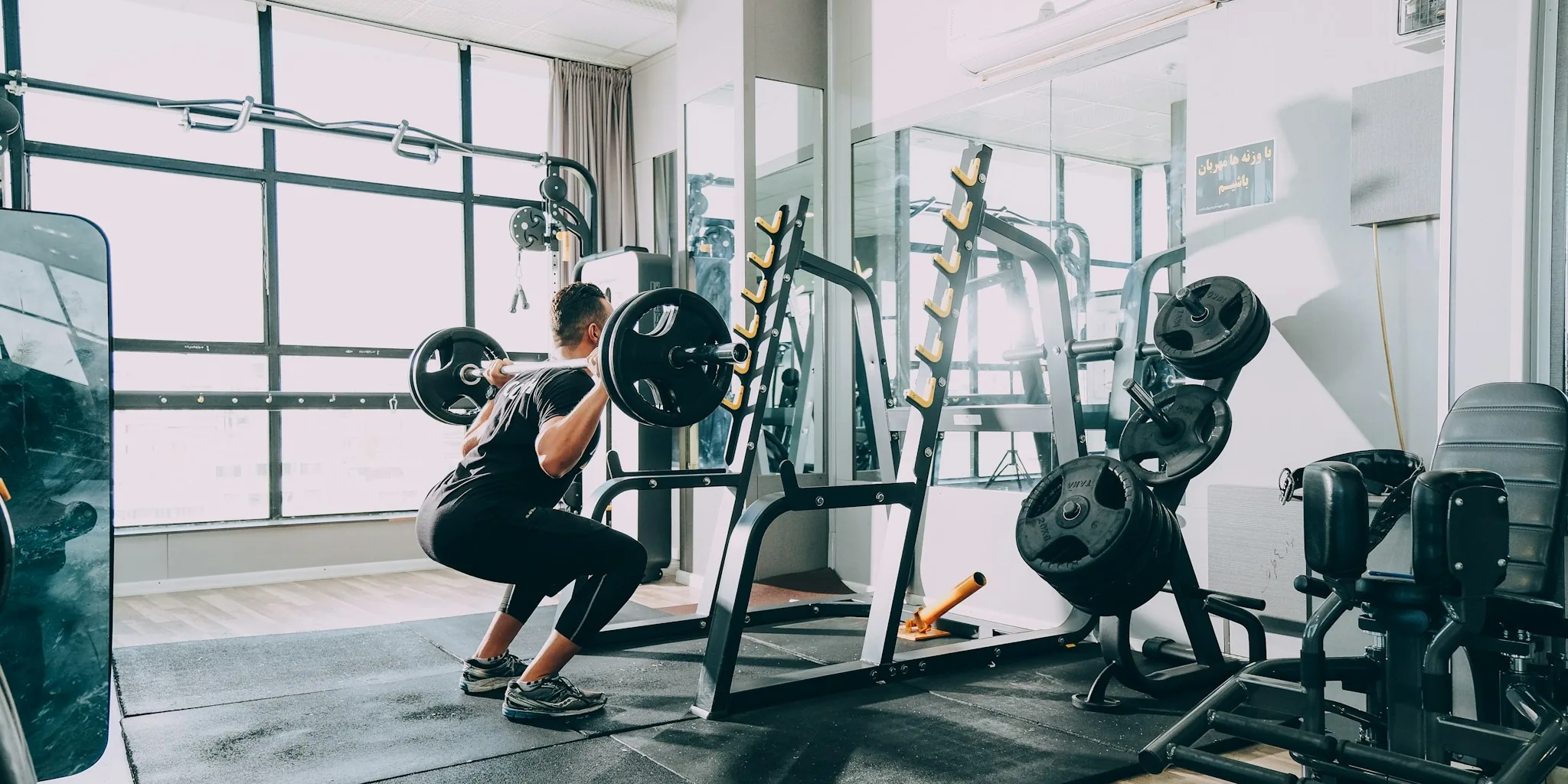

Building muscle while losing body fat simultaneously is one of the most challenging fitness goals, but it’s far from impossible. This dual objective, known as body recomposition, requires a structured approach that combines smart exercise selection, strategic weight progression, and disciplined nutrition. A targeted lower body workout can be one of your most powerful tools for achieving this result.
What Is Body Recomposition and Why It Matters
Body recomposition differs from traditional weight loss or muscle-building programs. Instead of chasing a lower number on the scale, you’re focused on replacing fat tissue with lean muscle. This approach demands consistency with eating in a slight caloric deficit while following a scientifically-backed training plan. When executed correctly, you’ll notice visible changes in how your body looks and performs, even if the scale doesn’t move dramatically.
The Foundation of an Effective Lower Body Workout
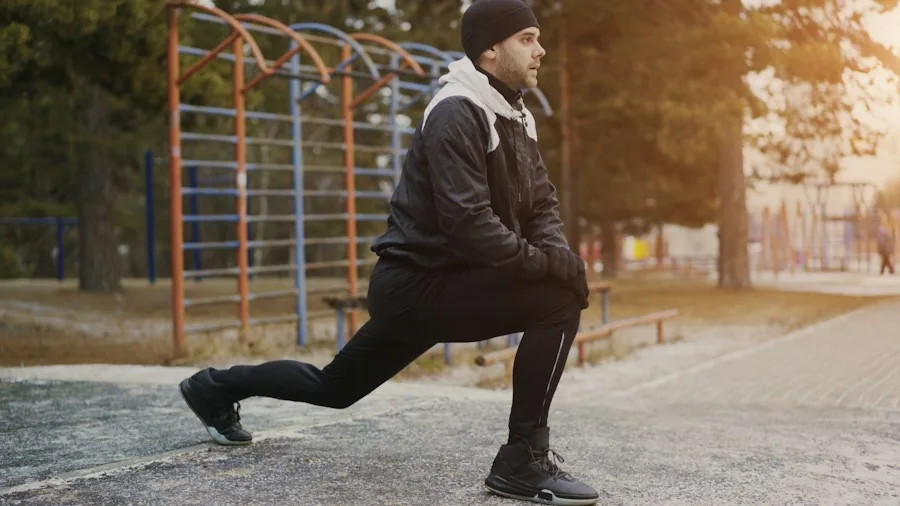
A successful body recomposition leg session rests on three core principles. First, prioritize compound movements that engage multiple muscle groups at once, maximizing efficiency and metabolic impact. Second, lift heavy loads that push you near technical failure on your final set of each exercise. Third, respect programmed rest periods, which may range from 30 seconds to two and a half minutes depending on the movement. Plan to spend 60 to 75 minutes total in the gym, with roughly half that time dedicated to recovery between sets.
Before starting any new workout routine, invest in proper gear. Quality workout shoes designed for your specific activity provide the stability and support your lower body needs during heavy lifts. This foundation helps prevent injury and ensures you can maintain perfect form throughout your session.
Exercise Selection for Maximum Leg Development
The ideal lower body workout includes four distinct movements, each serving a different purpose in your body recomposition journey.
Barbell Romanian Deadlift
Start with the Romanian deadlift, a hip hinge movement that targets your posterior chain: back, hamstrings, glutes, and core. Load a barbell with substantial weight and perform three progressively heavier sets of 6 to 10 repetitions. Your first two sets prepare your body; your third set should use maximum sustainable load. Stand with feet shoulder-width apart, engage your core, then hinge at the hips while pushing them backward. Lower your torso until it reaches parallel to the floor or until you feel significant hamstring tension. Pause briefly and return to standing. Rest 2 to 2.5 minutes between sets to allow full nervous system recovery.
Dumbbell Walking Lunges
Transition to a quad-dominant movement with heavy dumbbell walking lunges. Unlike stationary squats, walking lunges demand stability and movement through space, replicating how your body functions in real life. Hold heavy dumbbells at your sides, stepping forward and descending into a lunge position where both knees form roughly 90-degree angles. Drive upward through your front leg, bringing your rear leg forward to continue walking. Perform three sets of 6 to 10 repetitions per leg with 90 seconds rest between sets. Consider wearing supportive workout shorts with functional pockets to keep your hands free for holding heavier weights.
Leg Extensions and Seated Leg Curls
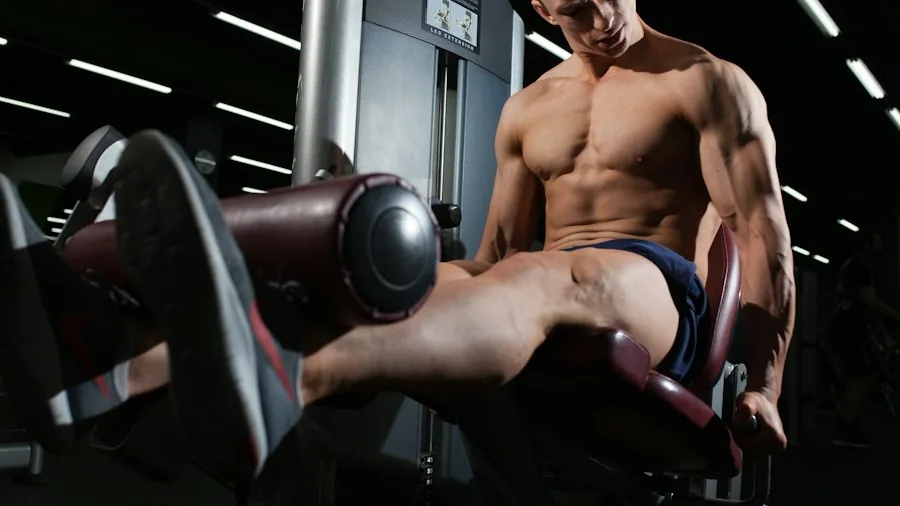
Finish with isolation exercises targeting individual muscle groups. Perform seated leg curls and leg extensions in a superset format, alternating between the two machines with minimal rest. The seated leg curl removes opportunity to use momentum or involve other muscles, ensuring your hamstrings handle the load. Lean forward to extend your legs fully, then curl them against resistance. For leg extensions, lean back to increase range of motion and tension on your quadriceps, extending your legs until completely straight and taking 2 to 3 seconds to lower. Complete 3 sets of 10 to 12 repetitions for each exercise with only 0 to 30 seconds between machines. Using a watch to monitor your rest intervals ensures you stay consistent with your programming.
Critical Tips for Success
Strict adherence to rest times is non-negotiable. Research confirms that both short and long rest periods build muscle effectively, but longer rests allow heavier loading on subsequent sets. Choose weights that challenge you to technical failure, meaning you cannot complete another rep with perfect form. Never compromise movement quality to lift heavier loads.
Use lifting straps for heavier compound movements. Your grip strength will fatigue before your target muscles if you don’t, limiting your ability to load heavy weight. Straps redirect focus to your legs and back rather than forearm endurance, maximizing productive stimulus.
What This Means for Your Fitness Journey
This lower body workout represents a scientifically-informed approach to transforming your physique. By combining heavy compound movements with strategic isolation work and proper recovery, you create the optimal environment for simultaneous muscle gain and fat loss. Consistency with this program, paired with disciplined nutrition habits, will deliver visible results within 8 to 12 weeks.






Write Your Review
No reviews yet. Be the first to share your experience!