
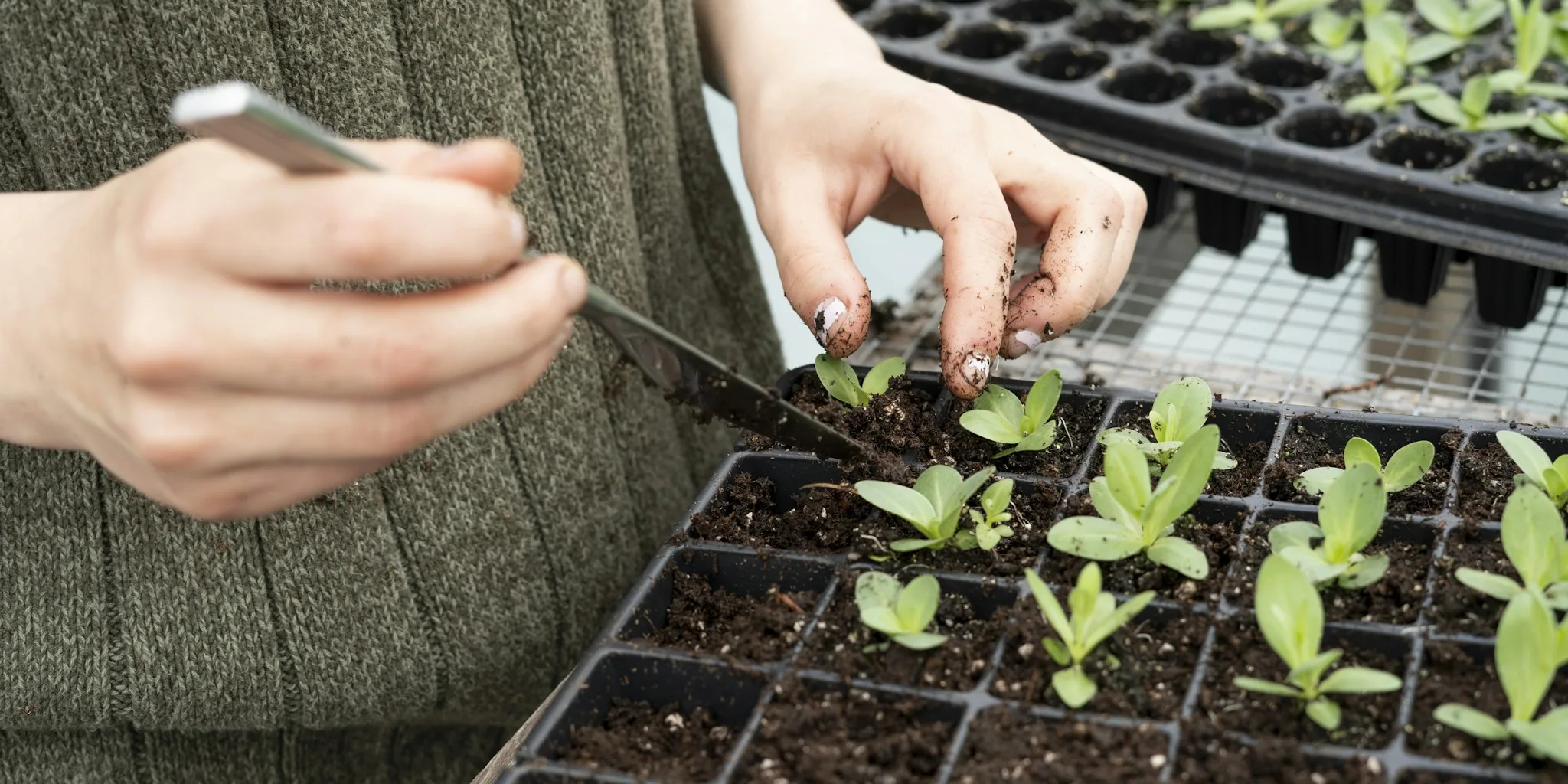

Why August Is Prime Time for Plant Propagation
Late summer presents a golden opportunity that spring gardeners miss: the chance to grow valuable plants for free. By August, many shrubs and tender perennials still carry soft, new growth that roots readily without the special equipment typically needed earlier in the season. The warmth of late summer means cuttings that would require heat mats in spring can establish roots naturally, making August the ideal month to start propagating plants before winter arrives.
The Right Cutting Technique Matters
Success begins with proper cutting selection and preparation. Work early in the morning when stems are hydrated, and use sharp pruners to ensure clean cuts that encourage rooting rather than rot. A cutting should measure about four inches long, cut just below a node (the point where leaves emerge), with lower leaves removed completely. The cleaner your cut, the faster roots will develop. Plant cuttings in a medium that drains well, such as standard potting soil mixed fifty-fifty with perlite, since dense soil retains too much moisture and causes rot.
Six Plants You Can Propagate This August
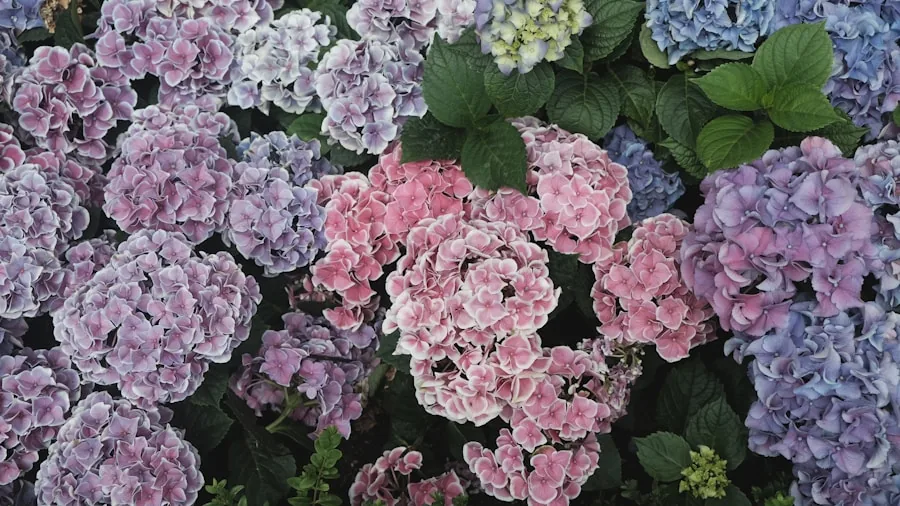
Hydrangeas: These are some of the easiest plants to propagate. Select non-flowering shoots and trim the remaining leaves in half horizontally to reduce water loss. Roots typically appear within three to four weeks. Both the large-leafed macrophylla types and panicle hydrangeas respond equally well.
Butterfly Bush: Nearly guaranteed success comes from butterfly bush cuttings taken in August. Use five-inch tips from this year’s growth, and roots develop within a month without rooting hormone or bottom heat. Plants from rooted cuttings grow vigorously in their first year.
Lavender: By August, lavender approaches the woody stage, making the snap test essential to select the right stems. Strip the lower two-thirds of leaves and apply rooting hormone to boost success rates. Keep the soil barely damp, as lavender is prone to rot.
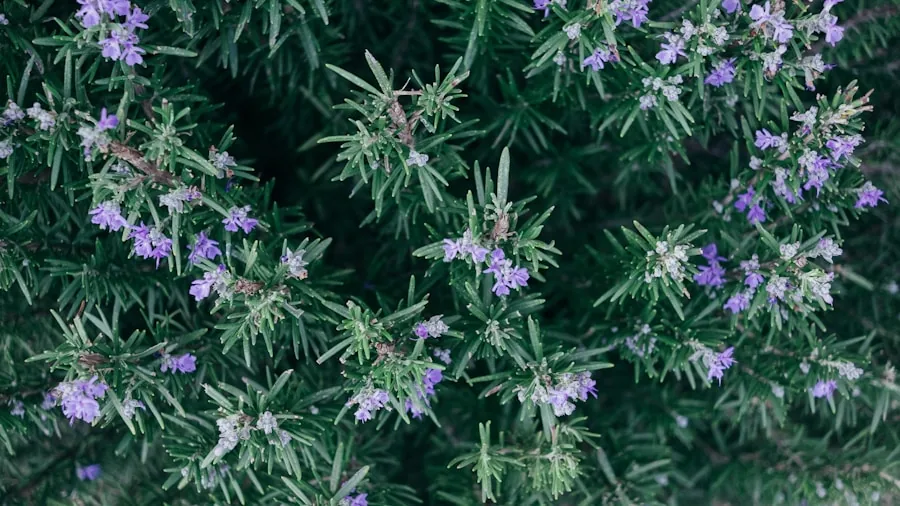
Rosemary: Four-inch tip cuttings root slowly, typically requiring four to six weeks. While water rooting works, perlite-rooted cuttings develop sturdier root systems better suited for transplanting. These cost-free plants can move indoors before frost arrives.
Pelargonium (Bedding Geraniums): Confusingly called geraniums, these pelargoniums remain soft enough for propagation through August. Tips strike within three to six weeks. Skip rooting hormone and allow the cut end to dry for a few hours, since these cuttings are especially prone to rotting in wet conditions. This method is particularly valuable for cold-climate gardeners who need to overwinter plants indoors.
Coleus: Nothing about coleus propagation is difficult. A snapped stem placed in water develops roots in under a week, and leaf patterns remain true to the parent plant. Pinching growing tips on the parent plant encourages branching rather than stretching growth.
Creating the Right Environment for Success
Humidity is critical. Cuttings have no roots, so they lose water constantly through their leaves. The surrounding air must stay near saturation for about two weeks. A seed starter tray with a humidity dome provides an inexpensive solution, or simply prop a clear bag over a pot using sticks. Pelargonium is the exception; skip the cover for these cuttings.
Place your cuttings in bright shade rather than direct sun. August light filtered through a dome can cook cuttings too quickly, so position them on the north side of a building or under a tree. Once roots begin forming, test them with a gentle tug rather than digging around. You will feel resistance when roots are established. Gradually open the dome wider each day over a week to acclimate cuttings to open air before moving them to a sheltered location.
Know Before You Propagate
Two important considerations apply before you begin. Patented plant cultivars cannot legally be propagated without a license, even for home use. US plant patents last twenty years from filing, so established plants are fair game, but newer branded reblooming hydrangeas, select coleus varieties, and recent calibrachoa series may carry restrictions. Second, check noxious weed listings in your area. Some states prohibit propagating certain species outright.
Building Next Year’s Garden for Free
August propagation requires only a few afternoons of work and minimal supplies beyond what most gardeners already own. Quality gloves and sharp pruners make the process easier and safer. By investing a small amount of effort now, you will have healthy, established plants ready to expand your garden or fill gaps come spring, without the expense of purchasing nursery stock. The cost savings add up quickly, especially when starting multiple plants from a single mature shrub.






Write Your Review
No reviews yet. Be the first to share your experience!