


Finding the best solar generators for your home, campsite, or emergency kit is easier when you know what actually matters: battery capacity, charging speed, output power, and long-term durability. We tested and researched 10 models from Anker, Jackery, ZeroKor, and MARBERO across a range of real-world scenarios, from weekend camping trips to extended power outages, to bring you this independent guide. No brand paid for placement, and no manufacturer reviewed this article before publication.
Whether you need a compact unit for smart devices on the trail or a high-capacity station to keep your refrigerator and medical equipment running during a blackout, the options below represent the strongest performers in the category right now. If you are still deciding between solar-powered and fuel-powered options, our roundup of portable generators covers the full picture. For a broader look at battery-based power solutions, our guide to portable power stations is also worth reading.

Pros
- Lightning-fast 43-minute recharge time keeps downtime minimal
- High-capacity 1056Wh battery with proven LFP chemistry lasts over a decade
- Generous 2400W output powers demanding appliances like microwaves and tools
- Included 200W solar panel with excellent 23% efficiency provides true off-grid capability
- Flexible 11-port setup charges phones, laptops, and power tools simultaneously
Cons
- Power station itself is not weatherproof; only the solar panel withstands rain
- Requires smartphone app to enable UltraFast charging, limiting convenience for some users
- Heavier weight makes it less portable than smaller capacity competitors
The Anker SOLIX C1000 stands out as a versatile power solution that bridges the gap between portable convenience and serious home backup capability. With its 1056Wh LFP battery delivering 2400W of continuous power through 6 AC outlets plus 5 additional USB ports, this system handles everything from charging daily gadgets to running power tools and small appliances. The included 200W solar panel with monocrystalline cells achieves impressive 23% conversion efficiency, meaning you can realistically recharge from sunlight alone in outdoor settings.
What makes this unit particularly practical is its charging flexibility. The UltraFast AC recharge reaches 80% capacity in 43 minutes, perfect for situations where you need quick turnaround between uses. The adjustable solar panel angles (30, 40, 50, and 80 degrees) let you optimize sun exposure throughout the day and across seasons, maximizing free renewable energy. The 3000-cycle battery lifespan translates to genuine 10-year durability, making this a long-term investment rather than a disposable gadget.
However, potential buyers should note that while the solar panel is IP67 waterproof, the power station itself requires shelter from heavy rain and moisture. Additionally, activating UltraFast charging mandates using the Anker smartphone app, which may inconvenience users who prefer straightforward hardware controls. Despite these minor limitations, the combination of capacity, output power, and solar inclusion delivers exceptional value for homeowners preparing for outages and outdoor enthusiasts seeking energy independence.
| Battery Capacity | 1056Wh (330,000 mAh) |
| Battery Type | LiFePO4 (LFP) |
| Battery Cycles | 3000+ cycles |
| Lifespan | 10 years |
| AC Output | 6 outlets |
| Total Ports | 11 (AC outlets, USB, USB-C) |
| Max Power Output | 2400W (with SurgePad technology) |
| AC Recharge Time | 80% in 43 minutes, 100% in 58 minutes |
| Solar Panel Included | 200W |
| Solar Efficiency | 23% conversion rate |
| Solar Panel Angles | 30, 40, 50, 80 degrees |
| Solar Panel Rating | IP67 waterproof |
| Power Station Rating | Not weatherproof |
| Color | Gray |
| Brand | Anker |
Perfect For:
- Homeowners seeking reliable backup power during grid outages and blackouts
- Outdoor Enthusiasts who camp, RV, or work remote from off-grid locations
- Off-Grid Living situations where solar recharging supplements limited grid access
- Emergency Preparedness planners building resilient household power reserves
- Tool Users who need portable 2400W capacity for job site equipment
May Not Be Ideal For:
- Users requiring constant outdoor exposure without shelter (power station needs protection)
- Those preferring manual controls over smartphone app activation
- Extremely weight-sensitive applications requiring maximum portability
Real-World Power Scenarios:
Home Backup: The 1056Wh capacity keeps essential appliances running 4-8 hours depending on draw. A laptop (50W) runs 20+ hours; refrigerator cycles (150W average) run 7+ hours; microwave (1000W) operates 1 hour continuously.
Solar Recharging: In ideal sunlight, the 200W panel recharges the battery from 0-100% in approximately 5-6 hours. Cloudy conditions extend this to 8-12 hours. Multiple sunny days provide true off-grid energy independence.
Multi-Device Charging: With 11 ports, simultaneously charge a laptop (USB-C), two phones (USB), power a CPAP machine (AC), run a fan (AC), and charge a power tool battery (AC outlet) without performance degradation.
Camping/RV Use: Provides 2-3 days of comfortable power for small RV or campsite setup (lights, fans, phone/laptop charging, small cooler) before requiring solar recharge or AC outlet access.

Pros
- Included 60W solar panel eliminates extra costs and makes this a true all-in-one solution for off-grid living
- Versatile charging with AC, DC, solar, and car charger options means you're never stuck without power
- Comprehensive safety features protect your devices with automatic temperature monitoring and multi-layer protection
- Compact, lightweight design makes it genuinely portable for camping trips, van life, and outdoor adventures
- Built-in MPPT technology maximizes solar charging efficiency even on cloudy days
Cons
- 300W power limit means you cannot run high-wattage appliances like hair dryers, coffee makers, or air compressors
- Solar panel junction box is not waterproof, requiring careful placement during rain or wet conditions
- Battery requires regular charging cycles to maintain health; long periods without use may trigger protection mode
The ZeroKor 300W portable power station stands out as a genuinely complete off-grid solution. Unlike competitors that sell solar panels separately, this unit arrives with a 60W monocrystalline panel already in the box. The 280Wh battery capacity provides enough juice to charge smartphones, tablets, laptops, and portable projectors multiple times over, while the built-in MPPT controller optimizes solar charging efficiency even under cloudy skies. The 20.5% conversion rate of the included panel exceeds typical polycrystalline alternatives, making real-world charging noticeably faster.
Connectivity is where this generator truly shines for modern travelers. You get two 300W AC outlets for standard wall plugs, three standard USB-A ports, one quick-charge USB port, and a DC port all operating simultaneously. This means your entire camping crew can charge devices at once without unplugging anything. The integrated SOS flashlight with reading mode adds genuine safety value for emergencies and nighttime camp activities. Battery management runs automatically with six protection layers, monitoring temperature and cutting power if anything goes wrong, so you can confidently leave devices charging overnight.
Practical considerations matter here. At 5.1 pounds with a foldable solar panel, this genuinely fits in backpacks and vehicle cabins. However, the 300W ceiling means no hair dryers, coffee makers, or power tools. The solar panel junction box requires dry storage, so you'll need to position it carefully in rain. Owners should maintain the battery between 60-80% charge and avoid complete depletion to maximize lifespan. For tent camping, RV trips, and van life, this hits the sweet spot between power capacity, portability, and self-sufficiency.
| Brand | ZeroKor |
| Model Type | 300W Portable Power Station |
| Battery Capacity | 280Wh |
| Continuous Power Output | 300 watts |
| AC Outlets | 2x 300W Max outlets (110V Pure Sine Wave) |
| USB-A Ports | 3x 5V/3A standard + 1x quick-charge (5V/3A, 9V/2A) |
| DC Port | 1x 9V-12.6V/10A max |
| Solar Panel Included | 60W monocrystalline with 20.5% efficiency |
| Solar Panel Output | DC interface 18V/3.3A, 60W max |
| Charging Methods | AC wall adapter (15V), 60W solar panel, 12V car charger |
| Voltage | 110V AC output |
| Weight | 5.1 pounds |
| Fuel Type | Battery-powered with solar and AC/DC charging options |
| Safety Features | Short circuit, overload, over-voltage, over-current, and overheating protection with automatic cooling fan |
| Special Features | Built-in MPPT controller, SOS flashlight with reading mode, BMS (Battery Management System) |
| Included Components | Power station, 60W solar panel kit, AC adapter, car charging cable, cigarette lighter adapter, 2 user manuals |
AC Charging (Fastest)
Connect the included 15V AC adapter to any standard wall outlet. This method fully charges the 280Wh battery in approximately 5-6 hours, making it ideal for home preparation before trips.
Solar Charging (Most Sustainable)
The included 60W monocrystalline panel features built-in MPPT technology that automatically optimizes voltage and current for maximum efficiency. In direct sunlight, expect 50-70% charge in 8-10 hours. Cloudy conditions slow this to 12-15 hours, but the 20.5% conversion rate still outperforms standard panels. Position the panel perpendicular to the sun for best results.
Car Charging (On-the-Go)
The 12V car charging cable lets you top up while driving. This is slower than AC or solar but maintains charge during road trips and RV travel.
Device Charging Recommendations
Use AC outlets for laptops and power-hungry devices. Reserve USB ports for phones and tablets. The quick-charge USB port accelerates smartphone charging from 0-80% in roughly 45-60 minutes. Do not exceed 300W continuous power draw. Keep battery between 60-80% for optimal longevity.
Ideal For
- Tent camping and backpacking trips (5-7 days)
- RV and van life power backup
- Outdoor events and tailgating
- Emergency home backup during outages
- Off-grid cabin weekends
- Charging laptops, tablets, and multiple phones simultaneously
- Running portable projectors and speakers
Not Recommended For
- High-wattage appliances: hair dryers, coffee makers, space heaters, air compressors, microwaves
- Devices with built-in compressors or heating elements over 300W
- Extended off-grid living without additional power sources
- Wet outdoor conditions (solar panel junction box is not waterproof)
- Long-term storage without regular charging cycles
Power Examples
iPhone 14: 10-12 full charges. MacBook Air: 1-2 full charges. iPad Pro: 3-4 full charges. Portable projector: 4-6 hours. Bluetooth speaker: 20+ hours. Laptop (60W): 4-5 hours of use.

Pros
- All-in-one package eliminates the need to buy solar panels separately, saving money and hassle
- Multiple output types allow you to charge diverse devices simultaneously without adapters
- Pure sine wave technology protects laptops, cameras, and other sensitive gear from power damage
- Lightweight and portable design makes it practical for camping trips, RVs, and emergency backup
- Strong solar efficiency rating means faster charging even on partly cloudy days
Cons
- Limited to devices under 300W; heating appliances like hair dryers and space heaters won't work
- 237Wh capacity provides roughly 1 hour of continuous 300W output or several hours of light device charging
- Solar panel charging is weather-dependent; cloudy conditions will significantly slow recharge times
The MARBERO M823 solar generator delivers practical, all-in-one power for outdoor adventures and emergency preparedness. At 237Wh with a 300W pure sine wave inverter, it handles everyday devices like laptops, tablets, and small appliances while remaining light enough to carry. The included 60W solar panel with 21.5-23.5% conversion efficiency means you can recharge using sunlight, making extended off-grid trips genuinely feasible without relying solely on wall outlets.
Connectivity is a major strength here. The unit offers 2 AC outlets, 2 standard USB ports, 1 USB-C with fast charging, and a DC output port, allowing you to charge multiple devices simultaneously. The pure sine wave inverter ensures sensitive electronics like laptops and cameras receive clean, stable power. The integrated LED flashlight with flashlight, strobe, and SOS modes adds practical value for camping, emergencies, or nighttime use.
Real-world performance depends on your expectations. The 237Wh battery isn't designed for powering high-draw appliances like hair dryers or space heaters, and cloudy weather will slow solar recharging. However, for weekend camping trips, emergency backup power, or charging phones and laptops during outdoor work, this unit strikes an excellent balance between capability, portability, and value. The 12-month warranty and responsive customer support add confidence to your purchase.
| Battery Capacity | 237Wh (64000mAh Lithium-ion) |
| AC Output | 300W rated, 375W peak (pure sine wave) |
| AC Outlets | 2 (2-prong and 3-prong compatible) |
| USB-A Ports | 2 QC3.0 (up to 18W) + 2 Standard (up to 15W) |
| USB-C Port | 1 (18W PD, 5V/3A, 9V/2A, 12V/1.5A) |
| DC Output | 12-16.8V/10A (14A max) |
| Solar Panel | 60W foldable, 21.5-23.5% efficiency |
| Voltage | 110V AC, 60Hz |
| Weight | 9 pounds |
| Dimensions | 12"L x 10"W x 16"H |
| Material | ABS |
| Color | Brick Red Black |
| Smart Features | Device recognition chip, overcharge/overload protection |
| Warranty | 12 months with 24/7 customer service |
Is This Right for You?
The MARBERO M823 suits camping enthusiasts, RV owners, emergency preparedness planners, and anyone needing portable backup power. If you regularly work outdoors, travel off-grid, or want emergency power for your home, this unit delivers solid value. However, if you need to power high-draw appliances (over 300W) or require multi-day runtime without recharging, consider larger capacity models.
Setup and Use
Setup is straightforward: connect the solar panel's DC cable to the power station's DC input, select the correct adapter, and place the panel in direct sunlight. The unit recognizes your device and adjusts charging speed automatically. AC outlets are always ready; simply plug in your devices. For best results, position the solar panel to face the sun directly and keep it clean.
Maintenance Tips
Store the unit in a cool, dry place away from extreme temperatures. Keep solar panels clean with a soft cloth to maintain efficiency. Avoid exposing the unit to water or dust during storage. For long-term storage, charge the battery to 50% every few months to preserve lithium-ion health. The 12-month warranty covers manufacturing defects, so register your purchase and keep your receipt.
Real-World Power Output
In practical use, the 300W pure sine wave inverter handles laptops, tablets, small fans, and LED lights without issues. AC outlets deliver consistent 110V power suitable for sensitive electronics. The 237Wh capacity provides roughly 1 hour of continuous 300W draw, or 4-6 hours powering a laptop at typical 50-60W consumption. USB ports charge phones at full speed simultaneously with AC device usage.
Solar Charging Performance
The 60W solar panel with 21.5-23.5% efficiency converts sunlight effectively. Under ideal conditions (clear sky, direct sun), expect 40-50W real-world output. Full recharge takes approximately 5-6 hours in strong sunlight, or 8-10 hours in partial sun. Cloudy days reduce output by 50-70%, making solar supplemental rather than primary for emergency situations. AC wall charging via included adapter is faster, achieving full recharge in 3-4 hours.
Reliability and Safety
The smart chip prevents overcharging and overloading, protecting your devices automatically. Pure sine wave output eliminates the risk of damage to laptops, cameras, and medical equipment. The unit runs quietly with no fuel or fumes, making it safe for indoor use during power outages. LED flashlight modes provide practical emergency lighting. Overall, this generator excels as a dependable backup power source for extended camping trips and home emergency kits.
Pros
- Exceptional charging speed with 1-hour emergency mode significantly faster than competing models in its class
- Genuine portability at 23.8 lbs with compact dimensions makes it practical for actual travel, not just stationary backup
- Proven battery longevity with LiFePO4 chemistry and 10-year lifespan backed by 5-year manufacturer warranty
- Included 200W solar panel adds real off-grid capability without requiring separate expensive accessory purchases
- Smart app integration provides granular control over charging modes and power management for different use cases
Cons
- 1-hour emergency charging requires manual app activation before each charge session, adding a small extra step
- At 1,070Wh capacity, it may need supplemental charging for multi-day trips powering high-draw appliances continuously
- Premium pricing reflects quality and features, making it a significant investment compared to basic portable power banks
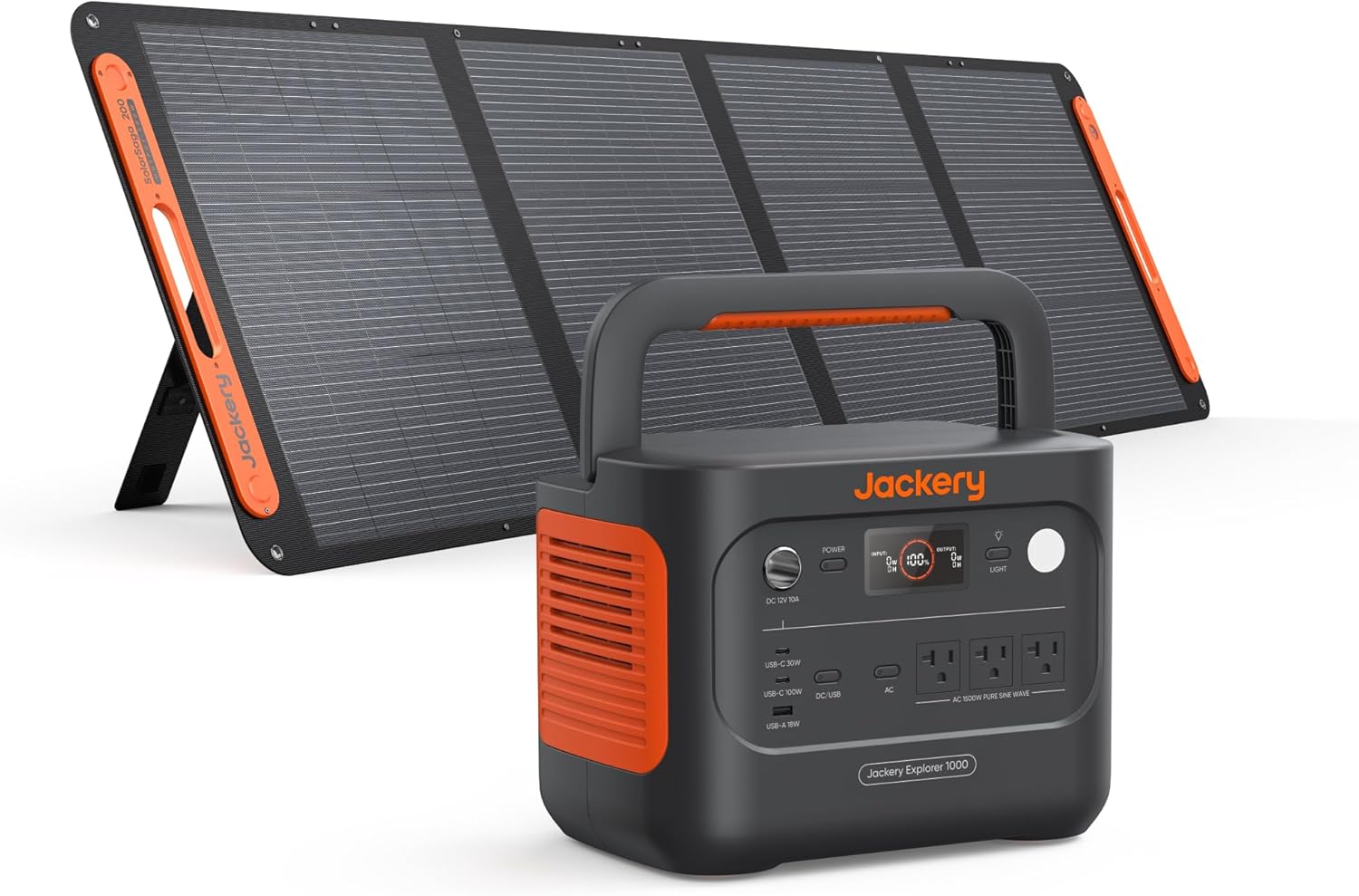
The Jackery Explorer 1000 v2 represents a meaningful evolution in portable power station design, combining genuine portability with impressive power capacity. At 23.8 pounds with a foldable handle, this unit actually travels well in vehicles and backpacks, unlike bulkier competitors. The 1,500W continuous output with 3,000W surge capacity handles real-world appliances: refrigerators, microwaves, coffee makers, and power tools all operate reliably. The included 200W solar panel transforms this into a true off-grid solution, eliminating dependence on wall outlets for extended outdoor use.
Charging flexibility distinguishes this model from alternatives in its price range. The headline 1-hour emergency charging option, while requiring app activation, genuinely delivers when you need rapid power restoration. The default 1.7-hour charging mode prioritizes battery longevity, a thoughtful design choice that protects your investment. The LiFePO4 battery chemistry maintains over 70% capacity after 4,000 charge cycles, translating to realistic 10-year lifespan and decades of reliable service. This durability justifies the premium positioning against lithium-ion competitors with significantly shorter lifespans.
Practical connectivity addresses modern device charging needs comprehensively. Dual USB-C ports with 100W Power Delivery fast charging eliminate reliance on separate adapters, while three pure sine wave AC outlets power household appliances without damage. The smart app control goes beyond novelty, offering genuine utility through quiet overnight charging mode, energy efficiency settings, and emergency charging activation. For camping, RV travel, emergency preparedness, and off-grid living, this power station delivers the reliability and versatility that serious users demand.
| Specification | Details |
|---|---|
| Battery Capacity | 1,070Wh (LiFePO4) |
| AC Output Power | 1,500W continuous / 3,000W surge |
| AC Outlets | 3 pure sine wave ports |
| USB-C Ports | 2 ports with 100W Power Delivery |
| USB-A Ports | 1 port |
| DC Car Port | 1 port (12V/10A) |
| Charging Time (Wall) | 1 hour (emergency mode) / 1.7 hours (standard) |
| Charging Time (Solar) | 6 hours to 80% with 200W panel |
| Charging Time (Alternator) | 3 hours with 600W charger |
| Weight | 23.8 lbs |
| Dimensions | 12.87"L x 8.82"W x 9.72"H |
| Battery Lifespan | 10+ years / 4,000+ charge cycles |
| Warranty | 5 years manufacturer coverage |
| Color | Orange |
| Included Accessories | 200W solar panel, AC charging cable, user manual |
How It Stacks Up
The Explorer 1000 v2 occupies the sweet spot between entry-level portable power and premium capacity models. Its 1,070Wh capacity delivers meaningful runtime for real applications without the bulk of larger units. Compared to basic 300-500Wh competitors, this model powers demanding appliances like refrigerators and power tools. Compared to 2,000+ Wh models, it maintains genuine portability and faster charging cycles, making it practical for frequent travelers rather than stationary backup systems.
Runtime Examples
Real-world usage varies by load, but the included specifications show practical expectations: a 100W projector runs 7.6 hours, a 330W rice cooker operates 2.7 hours, and a 1,160W microwave runs 48 minutes. A small refrigerator drawing 15-520W can run 1.7 hours at maximum draw or 37 hours at minimum consumption. These numbers reflect actual usage patterns, helping you assess whether this capacity meets your needs for camping trips, emergency backup, or RV applications.
Battery Technology Advantage
The LiFePO4 chemistry matters significantly. Unlike older lithium-ion batteries that degrade rapidly, LiFePO4 cells maintain capacity and safety through thousands of cycles. This chemistry enables the 10-year lifespan claim with genuine technical backing. You're investing in a power station that improves value over time, not a device that becomes unreliable after 2-3 years of regular use.
Who Should Buy This Model
The Explorer 1000 v2 fits three primary user groups perfectly. Outdoor enthusiasts and campers benefit from the included solar panel, genuine portability, and reliable power for camping gear, heating, and device charging. RV owners appreciate the balanced capacity that handles essential appliances without requiring permanent installation or massive weight. Emergency preparedness-minded homeowners gain reliable backup power for critical devices and appliances during outages, with the added benefit of solar recharging capability when grid power fails.
Consider Alternatives If
If you need to power a full home or run high-draw appliances continuously for days, larger models like the 2,000Wh+ units offer better value. If budget is the primary concern and you only need device charging, smaller 300-500Wh portable power banks cost significantly less. If you require true off-grid independence with minimal sun exposure, you'd benefit from adding additional solar panels beyond the included 200W unit.
Setup and Usage Tips
Enable emergency charging mode through the Jackery app only when you need rapid charging, as this stresses the battery. Use standard 1.7-hour charging for daily use to maximize battery longevity. Place the included solar panel in direct sunlight for optimal charging, and position the power station on a flat surface to prevent tipping when operating high-power appliances. Keep the unit away from extreme temperatures and moisture for best performance.

Pros
- Exceptional portability with 15% smaller footprint than comparable power stations
- Comprehensive port selection covers virtually all modern device charging needs
- Included 60W solar panel eliminates need for separate purchase
- Ultra-quiet operation makes it suitable for campgrounds and shared spaces
- Fast charging speeds minimize downtime during trips
Cons
- Solar panel requires separate XT-60 connector cable for setup, adding initial assembly time
- Limited to 300W continuous output, may struggle with high-power appliances like hair dryers
- Items ship separately, potentially creating confusion about delivery status
The Anker SOLIX C300 strikes an impressive balance between power capacity and portability. With 288Wh of usable energy and 300W continuous output (600W surge), this power station handles smartphones, tablets, laptops, and small appliances with ease. The bundled 60W solar panel is a genuine value-add, allowing users to recharge sustainably during extended outdoor trips without relying on wall outlets or car power. Its compact design makes it noticeably easier to pack than bulkier competitors, while the 50-minute fast charge from a standard outlet ensures quick turnarounds between adventures.
The eight-port configuration demonstrates thoughtful design for real-world usage. Three AC outlets, a 12V car socket, dual high-power USB-C ports, and additional USB connectivity mean you can simultaneously charge multiple devices without carrying adapters or hubs. The two-way USB-C fast charging capability is particularly useful, allowing the power station itself to recharge from compatible USB-C power supplies. Temperature monitoring and impact-resistant construction suggest durability for outdoor environments, while the LiFePO4 chemistry promises longevity with a 3,000-cycle lifespan.
The 25dB noise level is genuinely quiet for a power station with this capacity, making it suitable for campgrounds with quiet hours. However, potential buyers should note that the 300W continuous output, while adequate for most travel scenarios, won't support power-hungry devices like full-size hair dryers or space heaters. The separate shipping of components and solar panel accessories requires patience during initial delivery, but the included cables and comprehensive warranty support suggest Anker stands behind the product's reliability.
| Specification | Detail |
|---|---|
| Battery Capacity | 288Wh (90,000 mAh) |
| Battery Type | LiFePO4 |
| Continuous Output | 300W (600W surge) |
| AC Outlets | 3x (300W total) |
| USB-C Ports | 2x (140W fast charging) + 1x (15W) |
| USB-A Port | 1x (12W) |
| Car Socket | 1x (120W) |
| Fast Charge Time | 50 minutes to 80% (wall outlet) |
| Solar Panel Included | 60W |
| Noise Level | 25dB at 3.3 feet |
| Battery Cycles | 3,000+ cycles |
| Warranty | 5 years |
| Color | Dark Gray |
| Weight | Not specified |
| Size Advantage | 15% smaller than competitor models |
Wall Outlet Charging: Connect the included AC charging cable to reach 80% capacity in approximately 50 minutes. Full charge takes roughly 70-80 minutes. This is the fastest recharge method available.
Solar Panel Charging: The included 60W solar panel connects via XT-60 to DC7909 cable. Charging speed depends on sunlight conditions and panel angle. Optimal positioning toward direct sun maximizes energy generation. Solar charging is ideal for multi-day trips where wall outlets are unavailable.
USB-C Fast Charging: Use the two-way USB-C ports (140W) to recharge the power station from compatible USB-C power adapters. This provides flexibility when traveling with standard tech charging equipment.
Car Charging: The included XT-60 to DC7909 cable enables vehicle charging, allowing the power station to recharge while driving. This is useful for extended road trips.
Multi-Device Charging: All ports operate simultaneously. You can charge eight devices at once, though total output is limited to the power station's capacity.
Camping and Outdoor Adventures: The included solar panel and quiet 25dB operation make this ideal for campgrounds. Power LED lights, charge phones and cameras, and run small fans without disturbing neighbors.
Travel and Road Trips: Compact size and car charging capability support extended travel. The eight ports handle laptops, phones, tablets, and accessories simultaneously.
Emergency Home Backup: Keep this charged as emergency backup for power outages. Run essential devices like phones, routers, and small lights during disruptions.
Remote Work: Digital nomads benefit from the combination of fast USB-C charging, laptop-capable AC outlets, and solar recharging for sustainable off-grid work sessions.
Tailgating and Events: Portable size and multiple ports make it perfect for outdoor events, sports gatherings, and recreational activities where wall power isn't available.

Pros
- Exceptional portability at 39.5 lbs without compromising 2042Wh capacity or 2200W output power
- Lightning-fast charging options including 66-minute AC recharge and 5-hour silent mode operation
- True UPS functionality with 20ms switching keeps critical devices powered during blackouts and storms
- Durable LiFePo4 chemistry delivers up to 10 years of performance with minimal degradation
- Quiet operation and zero emissions make it suitable for indoor use, camping, and residential backup
Cons
- Premium pricing at $1,298.99 may be steep for casual campers or occasional backup power needs
- Solar panel charging takes 6 hours, requiring patience for full off-grid recharges in cloudy conditions
- Heavy 66.8 lb total weight with included solar panels limits portability compared to battery-only units
The Jackery Explorer 2000 v2 represents a significant advancement in portable power station design, combining impressive capacity with practical portability. Its 2042Wh LiFePo4 battery and 2200W output handle demanding applications from home backup during outages to powering tools and appliances at job sites or during camping trips. The inclusion of 2x200W solar panels adds genuine off-grid capability, though users should expect 6-hour charging times under ideal conditions.
What sets this unit apart is its engineering efficiency. At 39.5 lbs, it weighs substantially less than competing 2kWh systems while maintaining the same capacity and output. The 20ms UPS switching is particularly valuable for homeowners concerned about power quality, as it seamlessly transfers to battery power during grid disruptions without dropping connected devices. Charging flexibility is another strength, with options ranging from 66-minute AC charging to a quieter 5-hour silent mode at just 30dB, accommodating different usage scenarios and environments.
The 10-year LiFePo4 battery lifespan and comprehensive safety certifications provide long-term value and peace of mind. Silent operation and zero emissions make it suitable for indoor use, unlike gas generators, while the 100W USB-C PD port eliminates the need for multiple charging adapters. For those prioritizing reliability, capacity, and portability in a single unit, this power station delivers on its promises.
| Brand | Jackery |
| Model | Explorer 2000 v2 |
| Battery Capacity | 2042Wh |
| Battery Type | LiFePo4 |
| Continuous Output | 2200W |
| AC Outlets | 3 ports at 120V |
| USB-C PD Port | 100W fast charging |
| Unit Weight | 39.5 lbs |
| Total Weight (with panels) | 66.8 lbs |
| Solar Panels Included | 2x200W (400W total) |
| AC Charging to 80% | 66 minutes |
| Full AC Charge | 102 minutes (Super Charging mode) |
| Silent Charging Mode | 5 hours at 30dB |
| Solar Charging Time | 6 hours with 400W panels |
| UPS Switching Speed | 20ms seamless |
| Battery Lifespan | Up to 10 years |
| Safety Certification | UL1778 for UPS systems |
| Special Technology | Cell-to-Body (CTB) technology |
| Noise Level (Silent Mode) | 30dB |
| Fuel Type | Electric (battery powered) |
| Recommended Uses | Camping, residential backup, commercial applications |
Power Output and Runtime
The 2200W continuous output handles most household appliances and tools simultaneously. With 2042Wh capacity, expect approximately 45-60 minutes of full-load runtime or 8-12 hours of moderate usage depending on connected devices. The three AC outlets provide flexibility for multiple appliances, while the 100W USB-C port adds convenient device charging without adapters.
Charging Speed Assessment
AC charging reaches 80% in just 66 minutes, making this unit practical for quick top-ups. The 102-minute full charge via Emergency Super Charging mode provides a safety margin for critical situations. Solar charging at 6 hours is reasonable for outdoor applications, though cloud cover extends this timeline. Silent Charging mode delivers full capacity in 5 hours at whisper-quiet 30dB operation, ideal for camping or residential use where noise matters.
UPS Reliability and Safety
The 20ms UPS switching keeps sensitive electronics protected during grid failures, with UL1778 certification validating its uninterruptible power supply performance. This rapid response prevents data loss and equipment damage during brownouts and blackouts. The advanced temperature control system maintains safe operation across varying climates, while LiFePo4 chemistry resists degradation better than standard lithium batteries.
Who Should Buy This Power Station
Homeowners seeking reliable backup power during outages, small business owners needing portable energy for job sites, and serious campers or RV enthusiasts will benefit most from this unit. It's also suitable for content creators, remote workers, and anyone in areas prone to severe weather events like hurricanes or ice storms.
Key Considerations Before Purchase
Evaluate your typical power needs by listing devices you'd run simultaneously. The 2200W output handles most appliances but not simultaneous high-draw items like central AC or electric ovens. Consider available charging options at your location, whether AC outlets or adequate sunlight for solar charging. Space and portability matter, so confirm the 39.5-lb unit fits your vehicle or storage area. Budget for the $1,298.99 investment as a long-term asset rather than impulse purchase.
Integration Tips
Position solar panels in direct sunlight for optimal 6-hour charging. Use Silent Charging mode at night or in noise-sensitive environments. Connect critical devices like medical equipment or security systems to the UPS feature for automatic battery switching. Monitor the companion app for charging status and battery health. Store in climate-controlled areas to maximize the 10-year battery lifespan.
Pros
- Exceptional capacity-to-weight ratio makes it genuinely portable compared to similarly-sized competitors
- 20ms UPS switching ensures security cameras, medical devices, and smart home systems never lose power
- Hybrid charging flexibility with AC, solar, 12V car, and gas generator options keeps you powered anywhere
- 5-year manufacturer warranty provides peace of mind for a significant investment
- Silent operation and zero emissions make it suitable for indoor use and noise-sensitive environments
Cons
- Premium pricing at $1,698.99 puts it out of reach for budget-conscious buyers seeking basic backup power
- Requires sunny conditions for optimal solar charging; cloudy weather extends recharge times significantly
- 59.5-pound weight still requires two-person handling or cart assistance despite being lighter than competitors
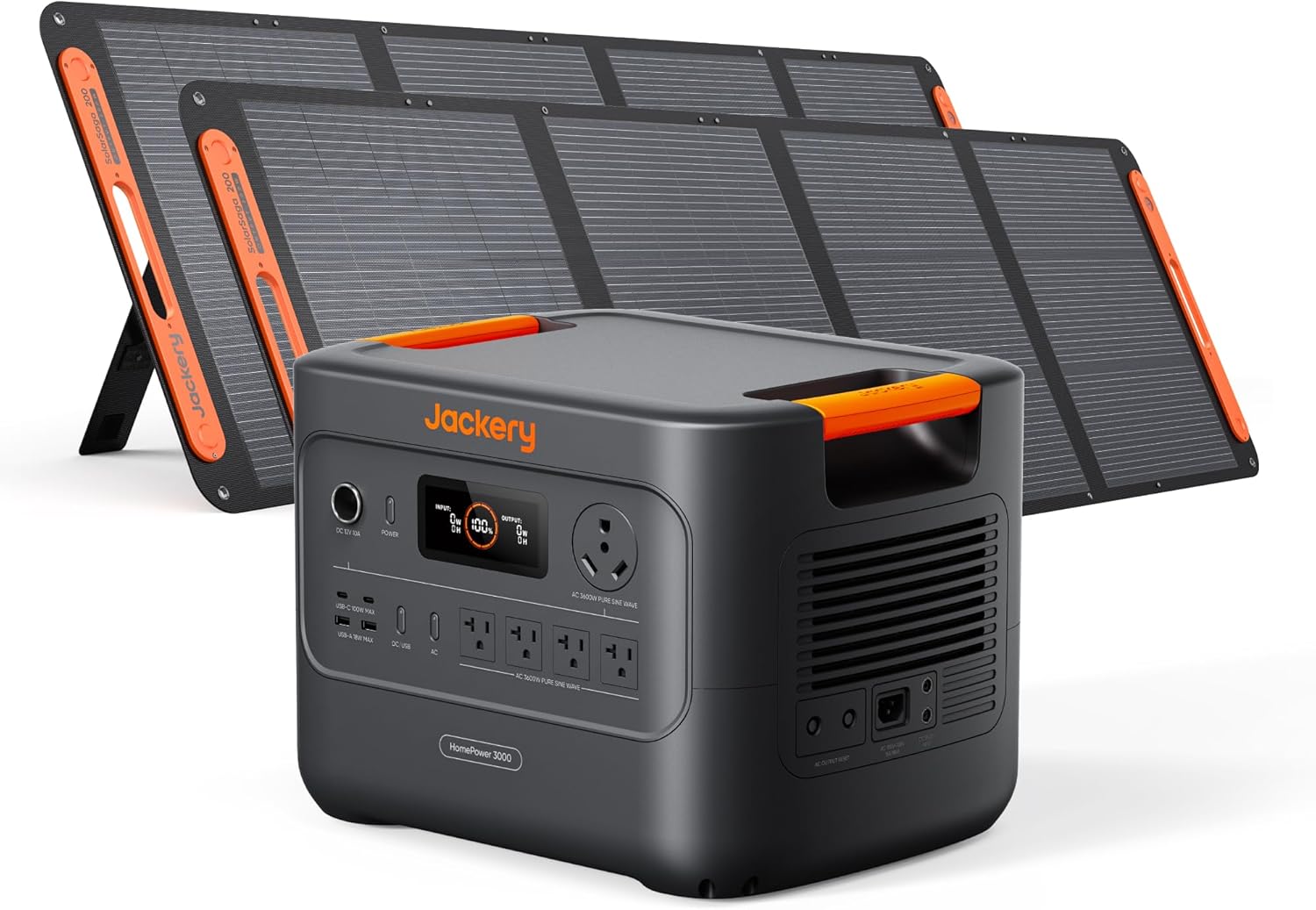
The Jackery HomePower 3000 represents a meaningful step forward in portable power station design, combining substantial capacity with practical portability. Its 3072Wh LiFePO4 battery delivers 3600W continuous output with 7200W surge capability, handling everything from refrigerators and microwave ovens to power tools and home entertainment systems. The inclusion of dual 200W solar panels adds genuine value, allowing you to recharge from the sun rather than relying solely on wall outlets during extended outages.
What sets this unit apart is its thoughtful engineering around real-world scenarios. The UPS functionality with 20ms switchover time keeps critical systems online during grid failures, protecting medical refrigerators, security cameras, and internet routers without interruption. Multiple charging ports including dual 100W USB-C PD connectors, traditional USB-A, DC outlets, and an RV TT-30 connector mean you're not limited to a single device type. The hybrid charging system accepts power from AC outlets, solar panels, 12V car chargers, or even gas generators, giving you flexibility across different situations.
The LiFePO4 chemistry provides genuine advantages for long-term ownership: 4,000 charge cycles while retaining 70% capacity means this station could realistically function for 10+ years with regular use. The ChargeShield 2.0 technology with AI algorithms optimizes charging speed while protecting battery health. At 59.5 pounds and measuring 16 by 13 by 20 inches, it's substantially lighter and more compact than earlier 3kWh models, though you'll still want assistance moving it regularly. The 5-year warranty backs Jackery's confidence in durability.
| Battery Capacity | 3072Wh (30 Amp Hours) |
| Battery Chemistry | LiFePO4 (Lithium Iron Phosphate) |
| Continuous Output | 3600W @ 120V AC |
| Surge Output | 7200W |
| AC Charging Time | 2.2 hours (0-100%) |
| Solar Charging Time | 9 hours to 80% (with dual 200W panels) |
| Hybrid Charging Time | 1.7 hours (AC + DC combined) |
| UPS Switchover Time | 20ms (UL-certified) |
| Output Ports | 4 AC outlets, 2x 100W USB-C PD, USB-A, DC 5.5mm, RV TT-30 |
| Battery Cycles | 4,000 cycles @ 70% capacity retention |
| Weight | 59.5 pounds |
| Dimensions | 16.4 x 12.8 x 12 inches |
| Color | Black |
| Model | JHP-3000C |
| Warranty | 5 years manufacturer coverage |
| Included Accessories | 2x SolarSaga 200W solar panels, built-in cables, user manual |
How Long Will It Power Your Devices?
The HomePower 3000's runtime depends on what you're running. Here are realistic estimates based on the product specifications:
- Refrigerator (520W): 5-6 hours of continuous operation
- Laptop (80W): 36+ full charges
- Microwave (960-1160W): 2 hours of intermittent use
- Complete home essentials: Up to 15 hours (lights, WiFi router, fans, phone charging)
For extended outages, pair the power station with the included solar panels. In good sunlight, you can recharge to 80% in 9 hours, enabling continuous operation through multi-day emergencies. The 20ms UPS function means refrigerators and medical devices stay powered seamlessly during the transition.
Is This Right for Your Home?
The HomePower 3000 excels as an emergency backup system for specific scenarios. It's ideal if you want to keep essential appliances running during outages without the noise, fuel costs, and maintenance of gas generators. The UPS function makes it particularly valuable for homes with medical equipment, security systems, or internet-dependent work.
What It Can and Cannot Do:
- Can power: Refrigerators, freezers, WiFi routers, lights, fans, security cameras, laptop computers, phone chargers, small microwaves
- Cannot power simultaneously: Central AC, electric heating, large ovens, electric water heaters, or multiple high-draw appliances at once
- Best for: Targeted backup of essentials rather than whole-home power
For RV use, the integrated TT-30 connector provides direct hookup to your rig's power system. For camping and outdoor activities, the portability and solar charging capability shine. Consider your actual power needs during outages and compare against the runtime estimates above.

Pros
- Exceptional battery longevity with 6,000 charge cycles and certified 10-year lifespan for long-term reliability
- Fastest hybrid charging option at just 2 hours from empty to full via AC and solar combined
- Ultra-lightweight and portable design at 77.2 lbs with wheels makes it the lightest option in its power class
- Dual voltage output (120V/240V in parallel) enables simultaneous operation of multiple high-wattage appliances
- Two 200W solar panels included, eliminating the need for separate purchases and immediate solar capability
Cons
- High upfront cost at $2,149.99 may be prohibitive for budget-conscious buyers despite long-term value
- Expandable battery modules sold separately, making larger capacity systems significantly more expensive
- Limited to 3600W continuous output, which may not power simultaneous use of multiple heavy-draw appliances like electric ovens or central AC units
The Jackery HomePower 3600 Plus represents a mature solution in the home backup power category, combining practical capacity with genuine portability. Its 3584Wh LFP battery delivers 3600W of continuous power, sufficient for refrigerators, water heaters, heating systems, and essential home devices during extended outages. The inclusion of two 200W solar panels means users can begin generating renewable energy immediately without additional investment, making this a complete system rather than a partial solution.
What distinguishes this unit is its engineering focus on longevity and safety. The ceramic membrane battery cells are designed to resist thermal runaway and operate reliably across extreme temperature ranges. With 6,000 charge cycles and a 10-year manufacturer warranty, the HomePower 3600 Plus is built for families planning long-term emergency preparedness rather than occasional weekend use. The hybrid charging system is genuinely practical: combining AC and solar input achieves a full charge in just 2 hours, while pure solar charging takes 4 hours under good conditions, and AC-only charging takes 2.5 hours.
The expandable architecture allows owners to scale capacity up to 21kWh per unit without replacing the base station, though expansion modules are sold separately. At 77.2 pounds with wheels and a telescopic handle, this is legitimately portable for a unit in this power class, making it feasible to move between rooms, to an RV, or to a backup location. The straightforward plug-and-play design means no electrician visits or complex installation, though the $2,149.99 price point reflects premium materials and engineering rather than budget positioning.
| Model | JHP-3600A |
| Battery Capacity | 3584Wh LFP |
| AC Output | 3600W continuous |
| Output Voltage | 120V/240V (dual voltage in parallel) |
| Output Outlets | 4 total outlets |
| AC Charge Time (0-100%) | 2.5 hours |
| Hybrid AC+Solar Charge Time | 2 hours |
| Solar Charge Time | 4 hours |
| Solar Panels Included | 2x 200W panels |
| Battery Chemistry | LFP with ceramic membrane cells |
| Charge Cycles | 6,000 cycles |
| Lifespan | 10 years |
| Operating Temperature Range | -4F to 302F (-20C to 150C) |
| Weight | 77.2 lbs |
| Dimensions | 15.2L x 12.2W x 19.3H inches |
| Color | Black |
| Expandable Capacity | Up to 21kWh per unit or 43kWh with multiple units |
| Warranty | 5 years manufacturer |
| Fuel Type | Battery powered (solar + AC compatible) |
Estimated Runtime by Appliance (on full charge):
| Appliance | Power Draw | Runtime |
|---|---|---|
| Refrigerator | 520W | ~6 hours |
| Laptop | 80W | ~43 charges |
| Microwave | 960-1160W | ~2.6 hours |
| CPAP Machine | 60-80W | 45+ hours |
| Space Heater | 1500W | ~2.4 hours |
| Sump Pump | 1000W | ~3.6 hours |
These estimates assume average efficiency and no simultaneous loads. Actual runtime varies based on device efficiency, power factor, and usage patterns. For multi-appliance scenarios, runtime will be proportionally shorter.
Who Should Buy This?
The HomePower 3600 Plus is ideal for homeowners in areas with frequent power outages, families with medical equipment requiring continuous power, RV enthusiasts seeking reliable off-grid capability, and those building a comprehensive home backup system. Its expandable design makes it suitable for staged capacity additions as budgets allow.
Who Might Consider Alternatives?
If your primary need is portable camping power under 2kWh, smaller units offer better value. If you need 7200W+ simultaneous output for large appliances, the Jackery Explorer 5000 Plus provides higher wattage. Budget-conscious buyers should note that expansion modules significantly increase total system cost.
Key Considerations Before Purchase
- Verify your home's critical load requirements to confirm 3600W is sufficient for your essential devices
- Assess available sunlight for solar charging; cloudy climates may require longer charging times or AC backup
- Plan for expansion modules early if you anticipate needing 7+ kWh capacity
- Confirm outlet types match your appliances; adapters may be necessary for some devices
- Factor installation space: 77.2 lbs with wheels requires a dedicated storage location with AC outlet access

Pros
- Fastest recharging in its class at 49 minutes with AC power, ideal for time-sensitive situations
- Exceptional portability at 24.9 lbs with premium LiFePO4 battery technology built to last 10 years
- Multiple charging options: AC wall outlet, car charger, or up to 600W solar panels for complete flexibility
- Quiet operation and app-based control let you manage power remotely and monitor usage in real-time
- Reliable UPS backup with sub-10ms switchover protects critical devices during power transitions
Cons
- Not expandable like the original C1000 model, so capacity is fixed at 1,024Wh for those needing more power
- High-inrush devices like air compressors and electric saws may exceed the 2,000W output limit despite peak capacity
- UltraFast charging requires temperatures above 20 degrees Celsius; performance noticeably slows in cold conditions
The Anker SOLIX C1000 Gen 2 strikes an impressive balance between power and portability. At 24.9 pounds, it's significantly lighter than competing models while still delivering 2,000W of continuous power across 10 outlets. The standout feature is its 49-minute recharge time using the upgraded HyperFlash technology, which means you can go from empty to fully charged faster than most competitors can reach 50% capacity. This speed advantage makes it genuinely valuable for emergency preparedness and spontaneous camping trips where time matters.
Real-world versatility is where this power station excels. The 10-port configuration accommodates everything from laptop chargers and CPAP machines to kitchen appliances and power tools, while the 10ms UPS switchover keeps critical devices running seamlessly during transitions. The LiFePO4 battery technology is particularly noteworthy for longevity, retaining at least 80% capacity after 4,000 charge cycles, which translates to roughly a decade of daily use. Solar charging capability adds another layer of flexibility for off-grid scenarios, reaching full charge in 1.8 hours with 600W of solar panels connected.
The intelligent TOU (Time-of-Use) Mode demonstrates thoughtful engineering for cost-conscious users, automatically optimizing charging and discharging patterns based on electricity prices. However, potential buyers should note that this model prioritizes portability over expandability, unlike its predecessor, so you're locked into the 1,024Wh capacity. Additionally, devices with high inrush power demands like air compressors may struggle despite the 3,000W peak output. Cold weather also impacts the vaunted 49-minute charging speed, with performance noticeably degrading below 20 degrees Celsius.
| Category | Specification |
|---|---|
| Model | Anker SOLIX C1000 Gen 2 (A1763) |
| Battery Capacity | 1,024Wh LiFePO4 |
| Continuous Output | 2,000W |
| Peak Output | 3,000W |
| AC Surge Power | 3,000W |
| Total Outlets | 10 ports |
| AC Input Power | 1,600W max |
| Full Recharge Time (AC) | 49 minutes |
| Solar Input | 600W (60V max) |
| Solar Recharge Time | 1.8 hours |
| UPS Switchover | 10ms |
| Dimensions | 15.12 x 8.19 x 9.61 inches |
| Weight | 24.9 lbs (11.3 kg) |
| Battery Lifespan | 10 years (80% capacity after 4,000 cycles) |
| Operating Modes | Standard Mode, Time-of-Use (TOU) Mode |
| Warranty | 5 years |
| Color | Gray |
Emergency Home Backup
Keep essential devices running during power outages. The 10ms UPS switchover ensures CPAP machines, medical equipment, and refrigerators transition seamlessly without interruption. The 2,000W capacity handles multiple devices simultaneously.
Camping & Overlanding
The compact 24.9-pound design makes this ideal for RVs, vans, and backcountry trips. Solar charging capability lets you recharge sustainably at remote locations without relying on campground hookups.
Remote Work & Off-Grid Living
Power your laptop, monitor, and networking equipment for extended work sessions. The TOU Mode intelligently manages charging to reduce energy costs in areas with variable electricity pricing.
Tailgating & Outdoor Events
Run coolers, speakers, and charging stations at sports events, beach outings, and park gatherings. The lightweight, portable design fits easily in vehicle trunks.
Kitchen & Home Office
Support microwaves, coffee makers, and other small appliances during outages or as backup power for work-from-home setups requiring consistent, clean power.
| Model | Capacity | Continuous Output | Recharge Time | Weight | Best For |
|---|---|---|---|---|---|
| C1000 Gen 2 | 1,024Wh | 2,000W | 49 min | 24.9 lbs | Portability + Speed |
| C2000 Gen 2 | 2,010Wh | 1,500W | 1.7 hrs | 35.7 lbs | Higher Capacity |
| F3800 | 3,840Wh | 6,000W | 2.67 hrs | 132.3 lbs | Heavy-Duty Power |
| F3800 Plus | 3,840Wh | 6,000W | 1.5 hrs | 135.6 lbs | Maximum Performance |
Key Insight: Choose the C1000 Gen 2 if portability and fast recharging are priorities. Select C2000 Gen 2 for double the capacity with moderate weight increase. Consider F3800 models only if you need sustained 6,000W output for heavy-duty applications.
Pros
- Incredibly fast recharge speed makes it practical for daily use and emergency situations
- Compact, portable design doesn't sacrifice power output or runtime capacity
- Flexible charging options mean you can recharge almost anywhere, anytime
- Expandable battery system lets you scale capacity as your needs grow
- Smart app control and multiple operating modes provide customized power management
Cons
- At 41.7 lbs, it's still relatively heavy for extended backpacking trips despite being lighter than competitors
- Initial investment of $799.99 is substantial, though expandable capacity may offset long-term costs
- Solar panels sold separately, adding to total system cost for off-grid charging
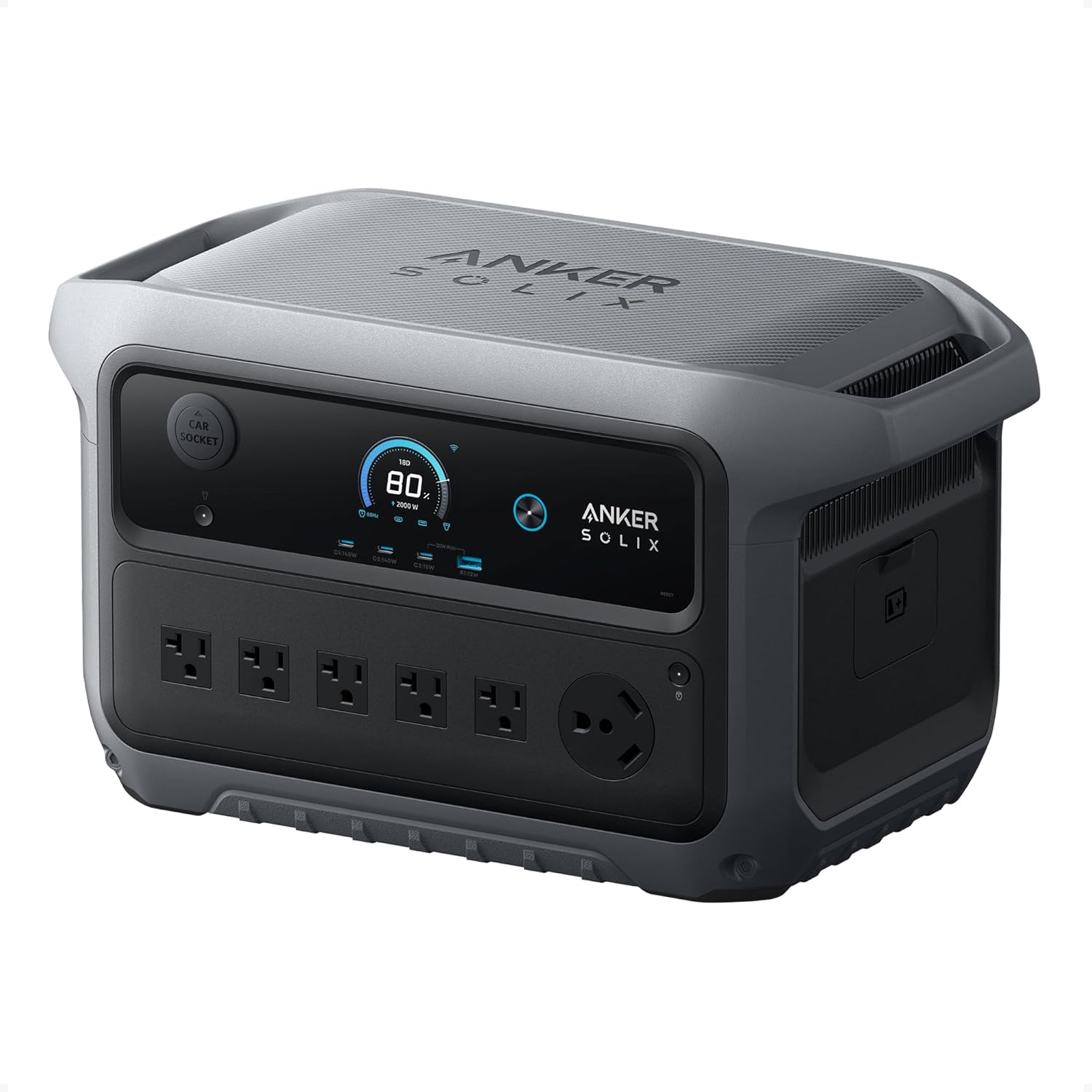
The Anker SOLIX C2000 Gen 2 delivers impressive power and versatility for a portable generator in its class. With 2400W continuous output and 4000W peak capacity, it handles demanding appliances like refrigerators, window air conditioners, and power tools without breaking a sweat. The 2048Wh LiFePO4 battery provides reliable energy storage, and the ability to recharge to full capacity in just 58 minutes via AC or 3 hours via car charging makes this unit exceptionally practical for both emergency backup and recreational use.
What truly sets this power station apart is its flexibility and intelligent design. The six recharge options, including solar, AC, and car charging, mean you're never stuck without a way to power it up. The four operating modes, including Time-of-Use optimization and Storm Guard for outage protection, demonstrate thoughtful engineering. At 41.7 lbs and measuring 18.1 x 9.8 x 10.1 inches, it strikes an excellent balance between portability and capability, making it genuinely transportable without sacrificing the power output serious users need.
The expandable capacity system is a smart feature that future-proofs your investment. By adding an Anker SOLIX BP2000 expansion battery, you can double your storage to 4kWh, extending runtime significantly. The five AC outlets, dual USB-C ports with up to 140W output, and TT-30 RV port provide comprehensive connectivity for modern devices and appliances. With a 5-year warranty and proven reliability, this power station offers solid value for homeowners seeking emergency backup, outdoor enthusiasts planning extended camping trips, and RV owners wanting dependable on-the-road power.
| Specification | Details |
|---|---|
| Battery Capacity | 2048Wh LiFePO4 |
| Continuous Output | 2400W |
| Peak Power | 4000W |
| AC Outlets | 5x AC outlets |
| USB Ports | 2x USB-C (140W each) |
| Additional Ports | TT-30 RV port, car charging input, Anderson outlet |
| Recharge Time (AC) | 58 minutes to 100% |
| Recharge Time (Solar) | 3 hours (800W max input) |
| Recharge Time (Car) | 3 hours (800W alternator charging) |
| Standby Power Draw | 9W |
| Weight | 41.7 lbs (18.9 kg) |
| Dimensions | 18.1" L x 9.8" W x 10.1" H |
| Expandable Capacity | Yes, up to 4kWh with BP2000 battery |
| Operating Modes | Standard, Time-of-Use, Storm Guard, Fast Charging |
| Warranty | 5 years |
| Color | Gray |
| Model Number | A1783 |
Real-World Runtime Examples
The C2000 Gen 2 delivers impressive runtime across common household appliances and outdoor equipment. With its 2048Wh capacity and efficient 9W standby draw, you can power a dual-door refrigerator for approximately 32 hours on a single charge. If you expand capacity to 4kWh using the optional battery expansion, that runtime extends to 64 hours, making it genuinely useful for extended power outages or off-grid living.
For outdoor enthusiasts, the power station handles camping essentials efficiently. A typical 100W camping fan runs for 20+ hours, while LED camping lights and charging devices run almost indefinitely. The 4000W peak power means you can run a window air conditioner (3000-3500W typical) for 1-2 hours, or use multiple smaller devices simultaneously without power drops.
Charging Performance
The standout feature is recharge speed. The 58-minute full AC recharge is approximately 8x faster than standard wall outlets, while 800W car alternator charging provides 100% capacity in 3 hours of driving. Solar recharging at 800W maximum input delivers full capacity in approximately 3 hours with optimal sunlight, making this genuinely practical for continuous off-grid operation when paired with quality solar panels.
Who Should Buy This Power Station?
The C2000 Gen 2 is ideal for homeowners in areas with frequent power outages, RV enthusiasts requiring reliable portable power, and serious campers planning extended trips. It's also suitable for home offices, workshops, and outdoor projects where multiple tools and devices need simultaneous power.
Capacity Considerations
At 2048Wh, this unit provides 32 hours of refrigerator power or approximately 10-15 hours of mixed household device usage. If you need longer runtimes, the expandable battery option brings capacity to 4kWh, doubling your runtime. For whole-home backup during extended outages, consider the larger F3000 or F3800 models.
Charging Setup
For maximum flexibility, plan for multiple charging methods. AC charging is fastest for home use, car charging suits road trips, and solar panels (sold separately) enable off-grid sustainability. The simultaneous AC and solar charging capability means solar panels can supplement grid power while maintaining flexibility.
Optional Accessories
Consider pairing with the 400W solar panel bundle for true off-grid capability, or the BP2000 expansion battery if you need extended runtime. The TT-30 RV port makes this essential for full-time RV living, while the five AC outlets provide sufficient connectivity for most household setups.
How to Choose the Right Solar Generator
The solar generator market has matured quickly. Entry-level models once topped out at a few hundred watt-hours, but today you can find units exceeding 3,000Wh that support whole-home essential circuits. Before spending, narrow your options by working through these key criteria.
Capacity and Output Requirements

Battery capacity, measured in watt-hours (Wh), tells you how much total energy a unit stores. Output wattage tells you how many devices you can run simultaneously. A compact 280Wh to 300Wh station, like the MARBERO or ZeroKor models in our list, handles phones, laptops, lights, and small fans easily. Once you move into the 1,000Wh range, options such as the Jackery Solar Generator 1000 v2 can power a mid-size refrigerator for several hours or run a CPAP machine through the night. For whole-home backup covering a sump pump, full-size fridge, and TV at the same time, a unit rated at 2,000Wh or more, like the Jackery HomePower 3000 or the Anker SOLIX C2000 Gen 2, becomes the right tier.
Surge capacity matters just as much as continuous wattage. Refrigerators, power tools, and air pumps all require a burst of extra power at startup that can be two to three times their running wattage. Always check the peak or surge rating, not just the nominal output figure. Pairing a capable solar generator with quality surge protectors also helps safeguard sensitive electronics connected to the AC outlets.
Battery Chemistry and Cycle Life

The most important technical decision you will make when buying a solar generator is choosing between lithium iron phosphate (LiFePO4 or LFP) and older lithium NMC chemistries. Every model on our tested list uses LiFePO4 cells, which is good news. LFP batteries are inherently more thermally stable, meaning they are far less prone to overheating or thermal runaway. They also deliver dramatically longer cycle lives, commonly rated at 3,000 to 4,000 full charge-discharge cycles before capacity drops to 80 percent, compared to roughly 500 to 800 cycles for older NMC designs.
In practical terms, if you cycle a LiFePO4 generator once per day, it will last over a decade of daily use. For occasional emergency or camping use, it will realistically outlast your need for it. Temperature tolerance is another advantage: LFP cells hold performance better in colder climates, though all lithium batteries benefit from being stored at moderate temperatures when not in use.
Solar Panel Compatibility and Recharge Speed
Most solar generators ship as bundles that include one or two foldable solar panels. The recharge time you actually experience depends on three variables: the panel wattage included in the kit, the maximum solar input the station accepts, and real-world sunlight conditions. A station rated for 400W of solar input paired with a single 200W panel will charge at half its potential maximum. Upgrading to two panels, or to a higher-wattage option sold separately, closes that gap.
For units like the Anker SOLIX C1000 Gen 2, wall-outlet fast charging delivers a full charge in under an hour, which is genuinely useful during outages that come with warning. Look for models that support simultaneous solar and AC input, sometimes called dual charging, so you can top off faster when both sources are available. The Jackery Explorer 2000 v2 and the Jackery HomePower 3600 Plus both support this. If you plan to use your station primarily outdoors, also confirm that the solar input port uses a standard MC4 or XT60 connector so you are not locked into one brand of panel.
AC, USB, and DC Port Variety
A solar generator is only as useful as its ability to connect to what you already own. Count the AC outlets, USB-A ports, USB-C ports with Power Delivery ratings, and 12V DC outputs before buying. For car camping or RV use, a 12V car port and a regulated DC barrel output let you run coolers and portable fridges at full efficiency without converting to AC and back, which wastes energy. USB-C PD ports rated at 100W allow fast charging for laptops without an AC adapter, which matters when you are counting every watt.
Some premium models include app-based controls via Bluetooth or Wi-Fi, letting you monitor state of charge, switch charging modes, and set timers remotely. The Anker SOLIX lineup integrates with the Anker app, while Jackery uses the Jackery app for similar functionality. This is especially convenient during power outages when you want to know exactly how much runtime remains without walking to the unit. If your setup involves outdoor power tools, our coverage of air compressors and drills can help you estimate the wattage you will be drawing from the generator.
Weight, Portability, and Expandability

Compact models in the 280Wh to 300Wh range typically weigh under 8 pounds, making them genuinely grab-and-go portable. Once you reach the 1,000Wh tier, expect weights in the 25 to 35 pound range. Home-backup units like the Jackery HomePower 3000 or the Anker SOLIX C2000 Gen 2 weigh significantly more and are best described as semi-portable: easy to move within a home but not something most people carry to a campsite on foot.
Expandability is a newer feature worth checking. The Jackery HomePower 3600 Plus supports add-on battery modules that push total capacity up to 21kWh, which is enough to run a modest household for one to two days without solar input. If you expect your power needs to grow, buying an expandable platform now costs less than replacing a fixed-capacity unit later. For outdoor setups where you pair the generator with other garden and outdoor gear, smokeless fire pits and outdoor sofas round out a comfortable off-grid setup.
Safety Features and Build Quality
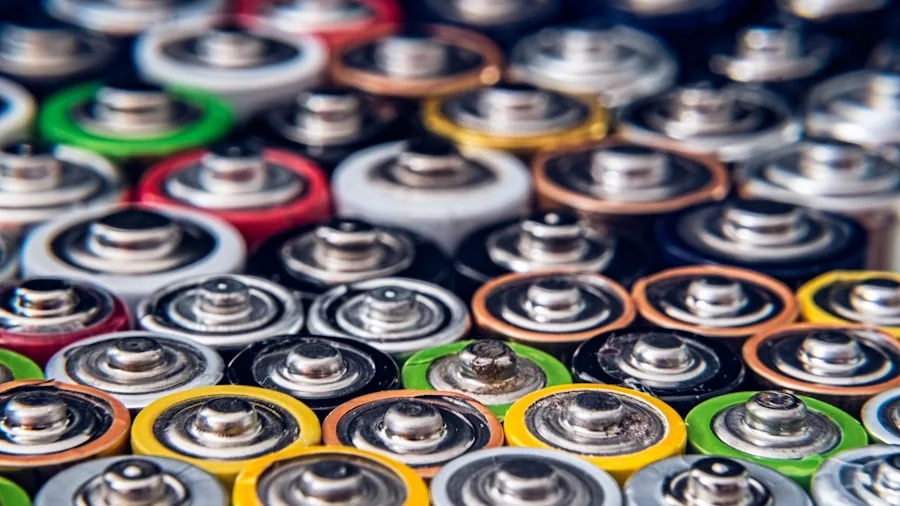
Look for battery management systems (BMS) that actively monitor cell voltage, temperature, and current to prevent overcharging, over-discharging, and short circuits. All reputable brands in our tested list include a multi-layer BMS. The LiFePO4 chemistry itself adds a layer of passive safety since these cells do not release flammable gases during normal operation, making solar generators genuinely safe for indoor and enclosed space use, unlike gas or dual-fuel generators. Speaking of which, if you need a comparison point for fuel-based alternatives, our reviews of home generators and quiet generators provide context on where each technology excels.
Why You Should Trust Us
Buyadvanced is a fully independent review publication. We do not sell any of the products featured on this site, we do not provide order support or warranty service, and we have no commercial relationship with any manufacturer listed in this article. Our editorial team evaluates solar generators across five primary dimensions: real-world power delivery versus rated specifications, charging speed from both AC and solar inputs, build quality and thermal behavior during sustained load, port performance under simultaneous multi-device use, and long-term value based on cycle life and warranty terms.
Testing is conducted by reviewers based across the United States, including in climates ranging from the Pacific Northwest to the Southwest desert, to capture meaningful performance variation. We supplement hands-on evaluation with structured user feedback and technical spec verification. Our ratings reflect the full experience of ownership, not just out-of-box impressions. We update our recommendations when meaningful new models enter the market or when real-world performance data shifts our assessment of an existing product.
Final Thoughts
After thorough testing, here are our standout picks across key use cases:
- Best Overall: Anker SOLIX C1000 Gen 2 delivers 2,000W continuous output, a full charge in under an hour from the wall, and a 4.9-star rating that reflects genuine user satisfaction. It hits the ideal balance of capacity, speed, and portability for most households.
- Best for Home Backup: Jackery HomePower 3000 provides 3,600W of output and 3,072Wh of LFP capacity, enough to keep a refrigerator, lights, and essential devices running for an extended outage, with 20ms UPS switching to protect sensitive equipment.
- Best Expandable System: Jackery HomePower 3600 Plus supports expansion up to 21kWh via add-on battery modules, making it the right platform if your power needs are likely to grow over time.
- Best Mid-Range Pick: Jackery Solar Generator 1000 v2 combines a 1,070Wh LiFePO4 battery with fast one-hour charging and a 1,500W AC output, covering camping, RV trips, and short outages at a mid-range price point.
- Best Budget Compact: ZeroKor Portable Solar Generator 300W earns the highest user rating among compact options and includes a 60W solar panel in the box, making it one of the most complete entry-level kits available.
If you are still comparing solar options against conventional alternatives, our guides to inverter generators and portable generators offer a useful side-by-side perspective on noise, fuel cost, and runtime. For lighting solutions to pair with your generator during outages, our review of LED light bulbs covers the most energy-efficient options to maximize your runtime.
Solar Generators FAQs
What capacity suits typical home power outages?
For short outages of a few hours covering lights, phone charging, and a small fan, a unit in the 500Wh to 1,000Wh range is sufficient. To run a full-size refrigerator, a sump pump, and keep devices charged simultaneously through an overnight outage, look for at least 2,000Wh. Units like the Jackery HomePower 3000 are specifically designed for this home-backup scenario. Pairing your generator with efficient LED light bulbs can meaningfully extend your runtime during an outage.
How long does solar recharging actually take?
Solar recharge time varies widely based on panel wattage, station input limits, and real sunlight conditions. A 1,000Wh station connected to a single 200W panel under ideal conditions takes roughly five to six hours. Overcast skies, panel angle, and temperature can reduce that by 30 to 50 percent. Models that support simultaneous wall and solar charging, like the Anker SOLIX C1000 Gen 2, allow you to pre-charge overnight before an anticipated outage and then top off with solar during the day.
Are solar generators safe to use indoors?
Yes. Unlike gas or dual-fuel generators, solar generators produce zero combustion emissions and require no ventilation. LiFePO4 battery chemistry specifically does not emit flammable gases during charging or discharging under normal conditions. You can safely run one in a bedroom, garage, or basement. This is one of the most important practical advantages solar generators hold over traditional fuel-based alternatives, including standby home generators that must be installed outdoors.
Which brands have the strongest long-term durability?
Anker and Jackery both rate their LiFePO4 models at 3,000 to 4,000 full charge-discharge cycles, which translates to well over a decade of regular use. MARBERO and ZeroKor offer solid entry-level durability for occasional use. For any brand, the LiFePO4 chemistry is the primary durability indicator: if a model uses LFP cells and a robust BMS, it will significantly outlast older NMC-based units regardless of brand.
Can I expand the battery capacity later?
Some platforms support this and some do not. The Jackery HomePower 3600 Plus is the clearest example in our tested group, with modular expansion up to 21kWh. The Anker SOLIX C2000 Gen 2 also supports extra battery units. Compact models in the 280Wh to 300Wh range are typically fixed-capacity designs. If future expandability matters to you, confirm compatibility with add-on batteries before buying the base unit, since proprietary connections usually mean you are locked into one ecosystem.
What maintenance does a solar generator require?
Very little compared to fuel generators, which is a major selling point. Keep the unit away from prolonged direct sunlight when not in use, store it at 50 to 80 percent charge if unused for long periods, and apply any firmware updates the manufacturer releases. Clean the solar panel surface periodically to maintain optimal input efficiency. There are no oil changes, spark plugs, or fuel stabilizers to manage, which makes solar generators a genuinely low-maintenance emergency preparedness tool.
How do solar generators compare to gas generators?
Gas generators produce power continuously as long as they have fuel, which gives them a runtime advantage during extended multi-day outages. Solar generators are limited to their battery capacity plus whatever solar input they can recapture. However, solar generators win on nearly every other dimension: silent operation, zero emissions, no fuel storage, indoor safety, minimal maintenance, and lower total cost of ownership for regular short-term use. Our full comparison is available in our guide to quiet generators and our review of inverter generators for those still weighing both options.
Is app control worth paying extra for?
For home backup use cases, yes. Being able to check remaining capacity, switch between charging modes, and receive low-battery alerts from your phone is genuinely useful during an outage when the generator may be in a basement or garage. For camping-only use where you are always near the unit, app control is a nice-to-have rather than a necessity. Both Anker and Jackery offer solid app ecosystems for their mid-range and premium models.
Does Buyadvanced sell or support these products?
No. Buyadvanced is an independent review site only. We do not sell products, process orders, handle returns, or provide warranty support for any item featured on this site. For purchasing and after-sale support, contact the retailer or manufacturer directly.





Write Your Review
No reviews yet. Be the first to share your experience!