
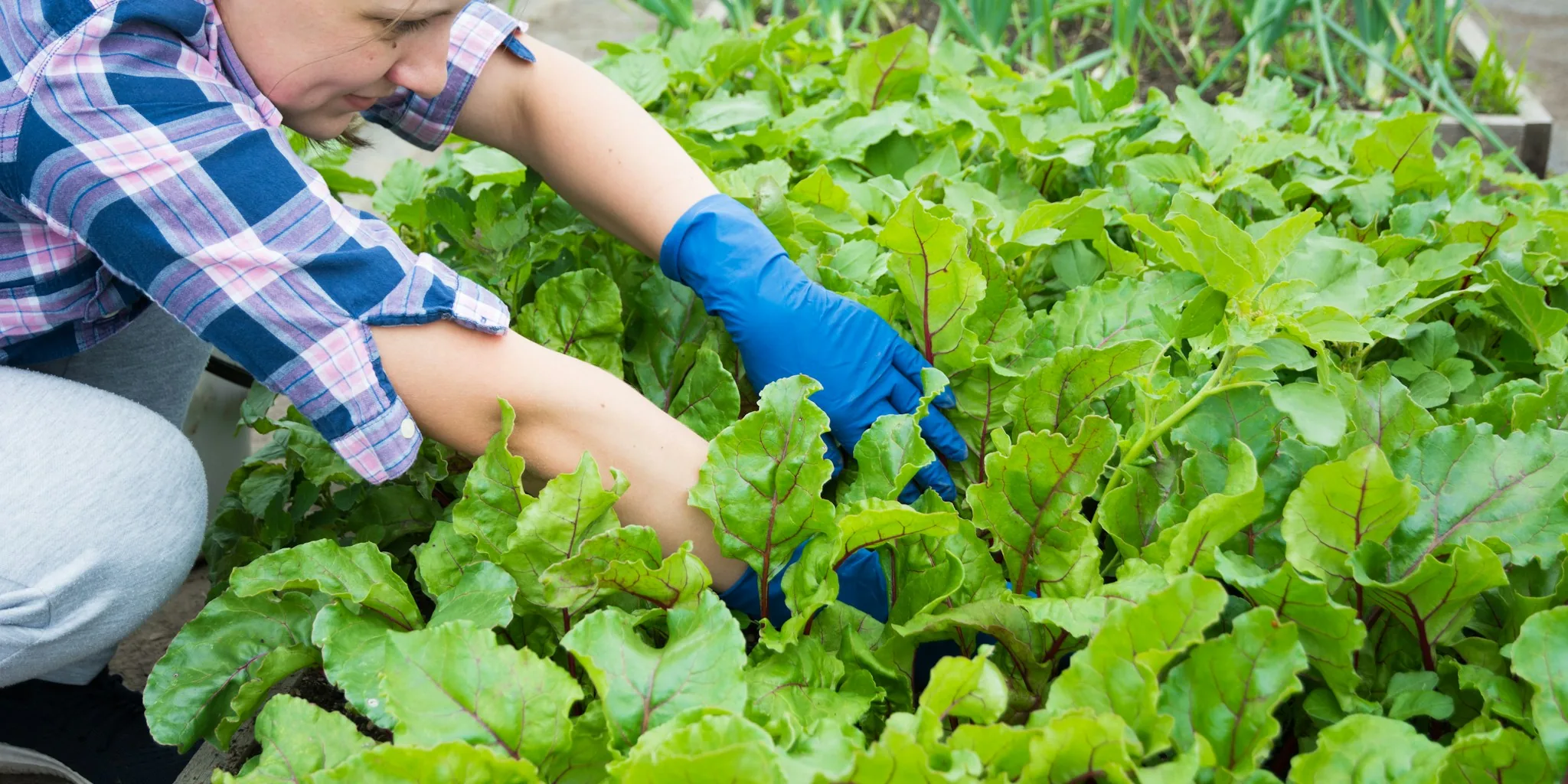

A new Netflix thriller is sparking a broader conversation about why growing plants matters far beyond simple beautification. The survival drama The Last House features actress Greta Lee navigating a world where food becomes scarce and everyday comforts vanish, forcing her character to rely on cultivated crops for survival. But this fictional scenario is raising real questions about how American shoppers should think about gardening in today’s world.
Lee, who stars in the film, has moved beyond the script to embrace gardening in her own life. In interviews about the project, she articulated why plants represent something much deeper than decorative hobby pursuits. For her, and increasingly for many others, understanding how to grow food and nurture plants speaks to resilience, patience, and genuine self-sufficiency.
What Shoppers Are Learning About Plant Cultivation
The renewed focus on plants as survival tools reflects a cultural shift. Lee’s own selection of crops reveals practical thinking: lemon trees for vitamin C, kale for nutritional density, and potatoes for versatility and ease of growth. These aren’t exotic specialty plants. They’re reliable staples that produce food in space-limited home gardens.
When asked what appeals to her about gardening, Lee emphasized the psychological and emotional dimensions. She describes the activity as grounding and humbling, noting that nature operates on its own timeline. Gardeners cannot force growth or manipulate weather. Instead, successful plant cultivation teaches patience and acceptance. This philosophy aligns with what many wellness experts now recognize: time spent with plants directly supports mental health and reduces stress.
For consumers interested in starting their own garden, Lee’s approach suggests beginning with hardy, high-yield options. Some plants demonstrate remarkable resilience and can survive extended periods without intervention, making them ideal for busy households or those new to gardening. Kale, potatoes, and citrus trees all fall into the category of forgiving plants that produce reliable harvests with moderate attention.
Beyond Survival: Why Your Garden Matters Now
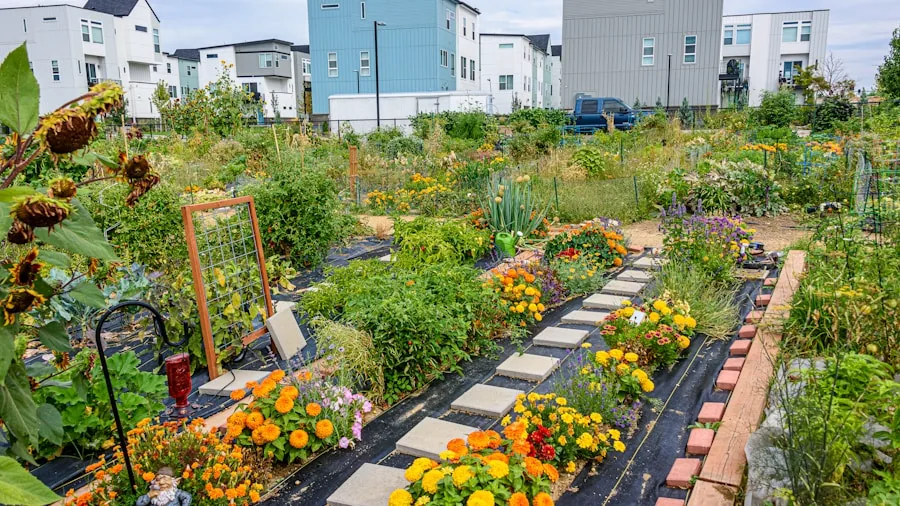
Lee also discussed the aesthetic and emotional value of gardens that feel alive and dynamic. She envisions gardens with flowering plants that attract pollinators, fruit trees, long grasses, and natural elements rather than manicured perfection. This design philosophy offers hope and continuity, especially during uncertain times. She notes that watching growth happen provides entertainment value and psychological comfort when circumstances feel limiting or chaotic.
The broader entertainment world is picking up on this theme. Other creators have begun exploring how gardening connects to self-sufficiency and resilience in their own projects. This cultural moment suggests that shoppers are rethinking what plants represent in their lives. Gardening is transitioning from a purely leisure activity into something viewed as a practical, valuable skill set.
For those interested in expanding their plant collections affordably, propagation techniques can generate free new plants from existing specimens, making gardening more accessible regardless of budget constraints.
Understanding Plant Dangers and Resilience
Lee also shared her respect for plants that inspire caution. Sacred datura, a flowering perennial native to her region, exemplifies nature’s dual nature: beautiful yet potentially hazardous. This striking plant contains powerful alkaloids that can cause severe toxicity if ingested. Lee views it with profound respect rather than fear, recognizing that understanding plant properties represents an essential part of gardening knowledge.
On the opposite end, Lee highlighted mint as an example of remarkable plant resilience. Mint spreads aggressively through underground rhizomes and requires intentional container planting to prevent it from overtaking garden spaces entirely. Rather than viewing this as a flaw, she celebrates mint’s unstoppable nature and connects it metaphorically to themes of love and strength in the show.
What This Means for Your Shopping Decisions
The conversation sparked by Lee and amplified through entertainment media points toward practical changes in how shoppers approach gardening. Consumers are increasingly seeking seeds and plant starts for food crops rather than purely ornamental varieties. Raised beds, seedling heat mats, and container gardening solutions are becoming more popular as people explore growing food in limited spaces.
Whether driven by genuine survival concerns or simply by growing curiosity about food sourcing and self-sufficiency, this cultural moment offers an opportunity. Starting a garden requires minimal investment and knowledge. Beginning with resilient, productive plants like those Lee mentioned, and approaching the process with patience and realistic expectations, sets new gardeners up for success.
The message from entertainment, from experienced gardeners, and from cultural observers aligns: plants matter, gardening skills deserve respect, and the future increasingly belongs to those who understand their relationship with growing things.



Write Your Review
No reviews yet. Be the first to share your experience!