
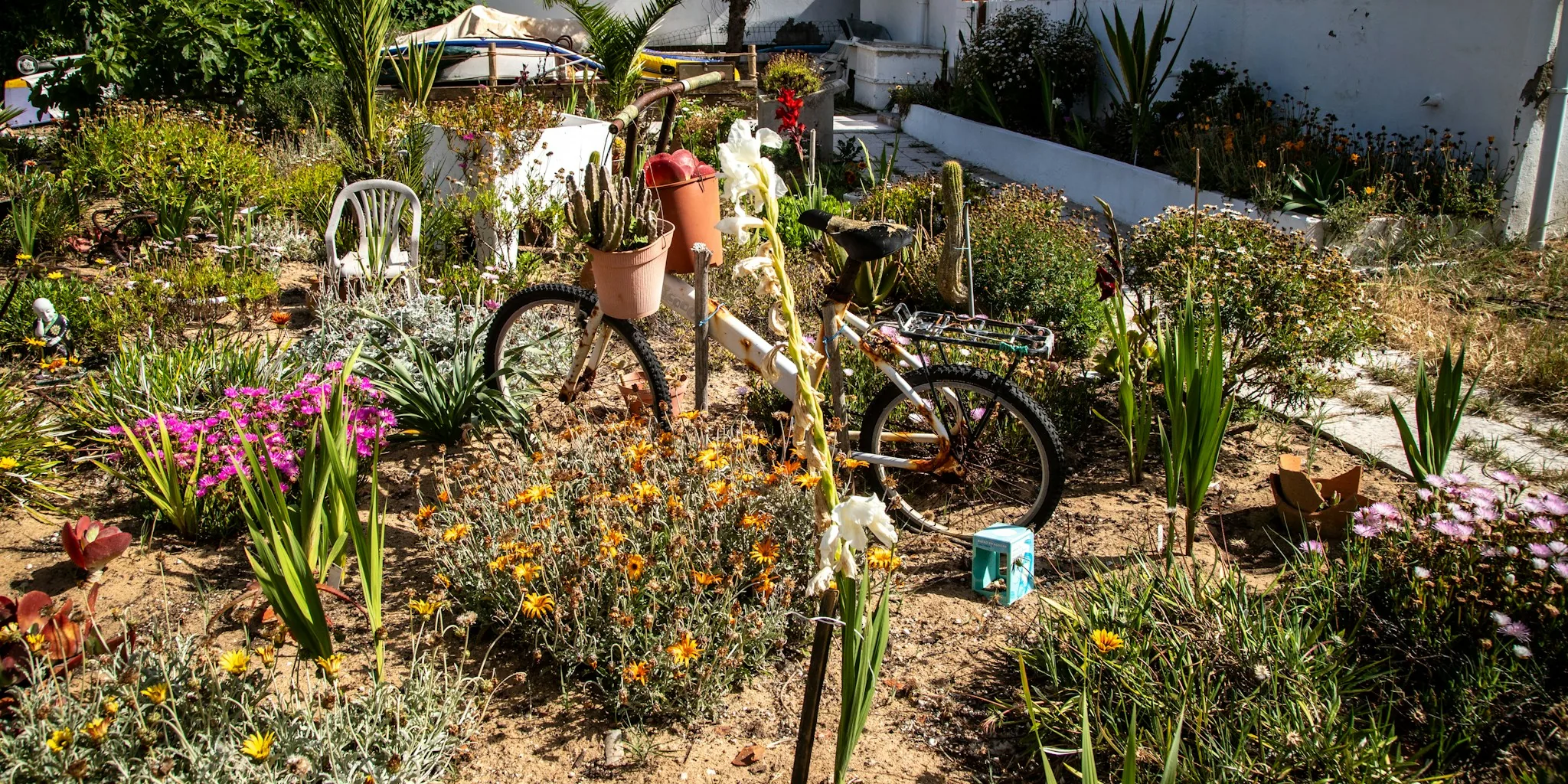

A surprising gardening experiment has challenged conventional wisdom about plant care and watering schedules. When a gardener accidentally stopped watering a sun-exposed border bed for over two years, many expected the entire planting to fail. Instead, ten plants not only survived but flourished, delivering vibrant blooms and healthy foliage through extreme heat and drought conditions. This unexpected result offers valuable lessons for homeowners looking to reduce maintenance and adapt their gardens to changing climate patterns.
What Happened in the Experiment
The unplanned experiment began when a gardener decided to skip watering a front-facing raised bed that sat in full sun and had exceptionally fast-draining soil. Rather than a temporary measure, the neglect stretched on for more than two years, and then a severe drought arrived with no rainfall for eight weeks. Most gardeners would have expected total failure, yet the majority of plants not only survived but adapted remarkably well to the harsh conditions.
As less resilient plants gradually died off, the hardier specimens expanded into the available space, creating a self-regulating ecosystem. The gardener discovered that many ordinary landscape plants are far more drought-tolerant than traditional gardening advice suggests. This accidental test has particular relevance today as homeowners seek ways to garden sustainably during hot, dry summers.
Ten Plant Superstars That Beat the Odds
The New York Aster emerged as a top performer, producing hundreds of lavender blooms from late August through November without a single watering. This late-season flowering ability makes it especially valuable for pollinators seeking autumn nectar sources. Hardy geraniums, by contrast, suffered badly in the same conditions, demonstrating just how unpredictable individual plant responses can be.
Red valerian, a Mediterranean native, thrived by self-seeding into bare patches left by less resilient plants. Its bright pink flowers appeared reliably from late spring into fall, and butterflies consistently visited its nectar-rich blooms. The plant proved so vigorous that it expanded throughout the border without becoming invasive.
Two English shrub roses, particularly the variety Desdemona, flourished despite zero supplemental watering, regular pruning, or deadheading. This peachy-budded rose with white chalice-shaped flowers released a fresh almond and lemon zest fragrance and continued flowering repeatedly throughout the season. The rose even tolerated minor pest and disease issues without intervention.
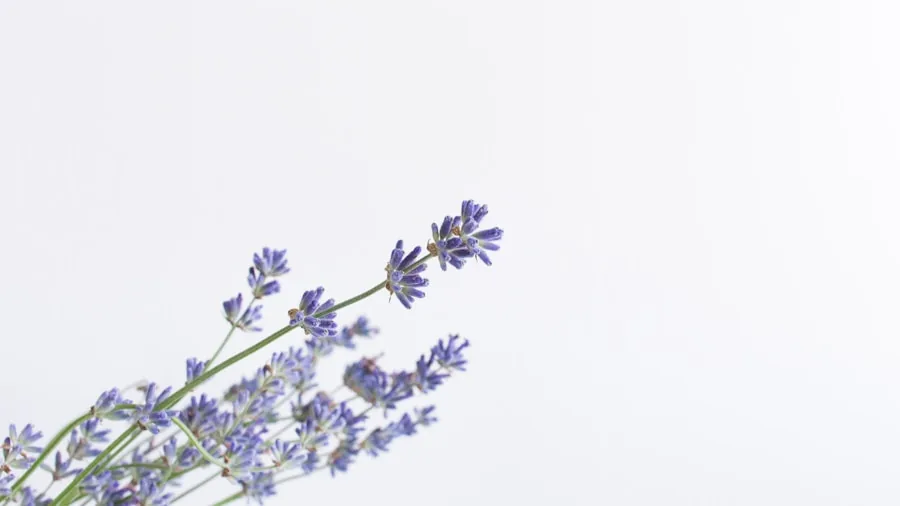
Lavender Grosso outperformed all other lavender varieties in the borderline-neglected setting. Its purple flower spikes lasted from July through September, and silvery foliage remained attractive through winter. Even when regularly harvested for crafts, the plant bounced back with vigorous new growth.
A surprisingly resilient fuchsia called ‘Sunray’ produced nonstop flowers from June through October without watering, pruning, or deadheading. Despite being rated as only borderline hardy, it survived multiple winters without any protective mulch or fleece covering. Its variegated foliage proved nearly as ornamental as its pink and purple blooms.
Sedum Pine Forest served as an effective groundcover while requiring virtually no maintenance. This succulent variety spread steadily without becoming unmanageable and produced small yellow flowers that attracted bees and butterflies in early summer. You might also consider other low-maintenance groundcover options for similar results.
Blackcurrant sage delivered fragrant foliage and bright two-lipped flowers while tolerating severe drought, though it showed some bloom scorching during the hottest period. St. John’s Wort grew as a foot-high groundcover with sporadic golden flowers throughout summer and fall. Red hot pokers continued firing up the border with dramatic color spikes, despite being planted in bone-dry conditions.
Finally, variegated photinia provided essential winter interest with heavily marbled pink-tinged foliage that looked fresh when other plants had gone dormant. While usually reserved for hedging, this compact shrub proved valuable as a year-round border specimen.
What This Means for Home Gardeners
The results suggest that many common landscape plants possess far greater drought tolerance than gardening labels and traditional advice indicate. Growing drought-resistant plants allows homeowners to create attractive gardens while reducing water consumption and maintenance time. Plants with extensive root systems, particularly those established for several years before the water restriction began, handled stress far more effectively than newly planted specimens.
Several successful plants in this experiment are not typically marketed as drought-tolerant options. Roses, fuchsias, and lavenders do not generally appear on xeriscaping plant lists, yet they performed admirably under extreme conditions. This suggests that with proper site selection and soil preparation, gardeners might successfully cultivate a wider range of plants with minimal supplemental watering than conventional wisdom allows.
The gardener is now experimenting with reducing water in other borders to determine whether plants can actually be trained to become more drought-tolerant over time. Early results suggest that acclimation is possible when water restriction happens gradually. During hot, dry summers and amid growing concerns about water scarcity, these practical findings offer hope for creating beautiful, lower-maintenance gardens. Pairing reliable perennials creates long-lasting displays that thrive with minimal intervention.



Write Your Review
No reviews yet. Be the first to share your experience!