


Whether you’re settling in to watch rugby, football, basketball, or any other live sporting event, your television plays a crucial role in the viewing experience. The right set can transform an ordinary broadcast into an immersive, thrilling occasion. If you’re planning to upgrade your TV to better enjoy premium sports content, here are six practical tips to guide your decision.
1. Prioritize a Fast Refresh Rate for Smooth Action
Live sports demand crisp, fluid motion. Look for a TV with a refresh rate of at least 60Hz, though 120Hz is increasingly common and delivers noticeably smoother performance during fast-paced action sequences. Higher refresh rates eliminate motion blur during rapid camera pans and player movements, making every moment feel more lifelike. This is especially important if you’re watching high-energy competitions where quick cuts and dynamic plays are constant.
2. Select a High Resolution Display

A 4K resolution TV has become the standard for quality sports viewing. The extra pixels provide sharper detail, allowing you to see player numbers, facial expressions, and on-field strategy more clearly. If you’re upgrading from an older 1080p set, the difference will be immediately apparent, particularly during wide shots of stadiums and playing fields. When comparing the best TVs for every budget and room size in 2026, check that the model supports 4K content from your streaming platform.
3. Consider Screen Size Relative to Your Viewing Distance
The ideal TV size depends on how far you typically sit from the screen. As a general rule, multiply your viewing distance in feet by 1.5 to determine the optimal screen diagonal in inches. For instance, if you sit eight feet away, a 55 to 65-inch TV would be appropriate. Larger screens immerse you in the action, but if the set is too big for your space, you’ll find yourself constantly turning your head. Balance the sense of immersion with comfortable viewing angles and neck strain.
4. Look for Good Brightness and Contrast
Bright, well-lit sports broadcasts require a TV that can handle high brightness levels without losing detail. Check the TV’s peak brightness specification, measured in nits. A brighter display excels in well-lit rooms and makes outdoor stadium scenes pop. Equally important is the contrast ratio, which determines how deeply blacks appear and how well the TV separates dark and bright elements on screen. Superior contrast makes tackles, celebrations, and dramatic moments feel more impactful.
5. Verify Streaming App Support and Connectivity
Different sports events stream through various platforms. Before purchasing, confirm that your TV supports the apps you need. Most modern televisions come pre-loaded with major streaming applications, but double-check compatibility with specialty sports networks and regional broadcasters. Fast internet connectivity is essential, so ensure your TV has Wi-Fi 6 or better. If you plan to stream international matches or events with geo-restricted access, you may want a TV that works smoothly with network tools that allow you to view content from your home country while traveling abroad. Smart TVs for every budget and room size in 2026 typically include comprehensive app ecosystems.
6. Assess Input Lag and Response Time for Competitive Viewing

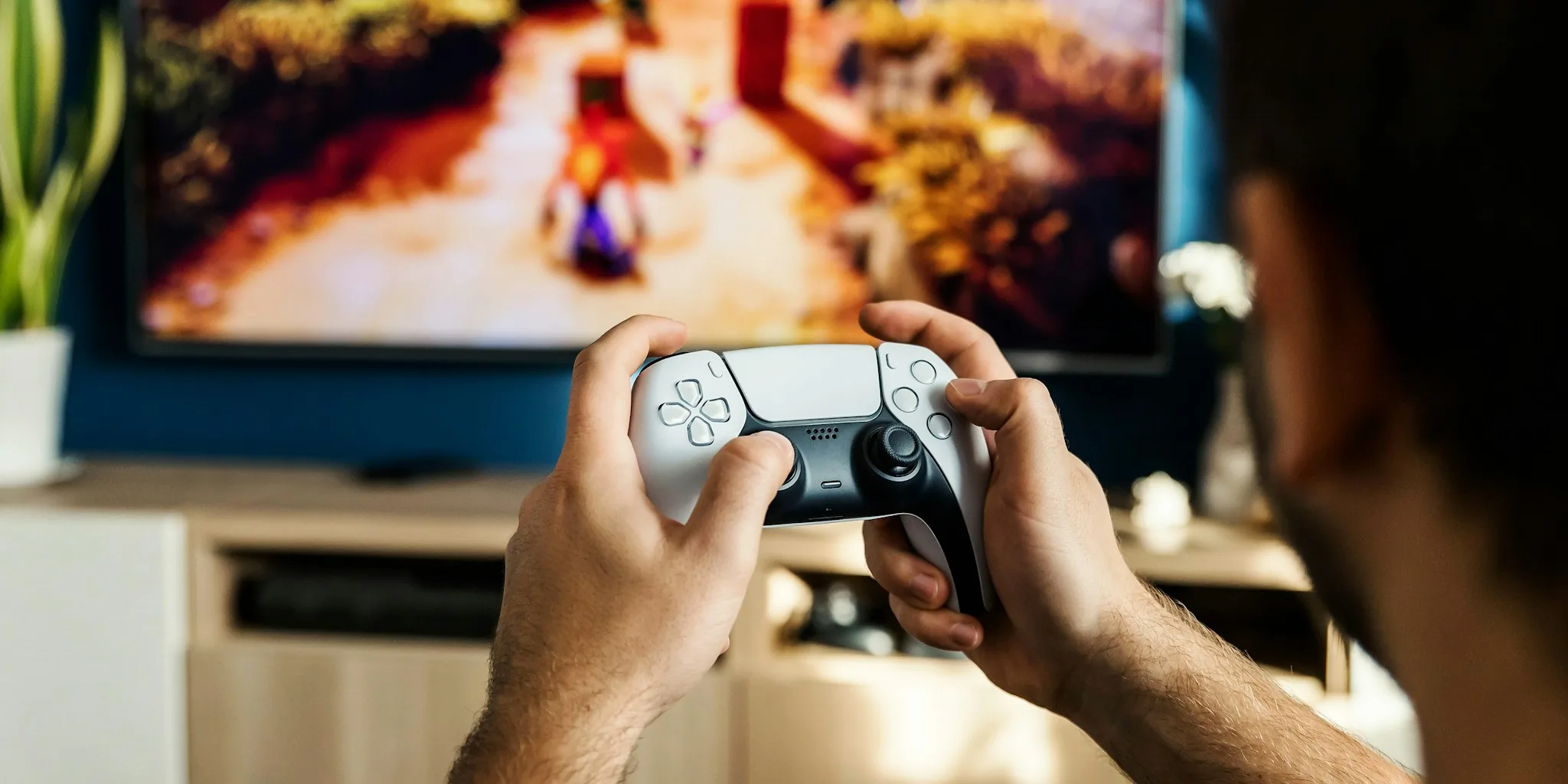
While less critical than for gaming, input lag still matters for sports streaming. Lower input lag means the TV displays the broadcast with minimal delay from the network feed to your screen, reducing the chance you’ll hear crowd reactions or commentary before seeing the action. Look for TVs labeled as having a game mode or sports mode, which optimizes these settings. Gaming TVs recommended for console and PC gamers in 2026 often perform exceptionally well in this regard, even if you’re primarily watching sports.
Final Thoughts
Investing in a quality TV transforms how you experience live sporting events. A set with a high refresh rate, sharp resolution, appropriate size, strong brightness and contrast, reliable streaming capabilities, and low input lag ensures you’ll catch every decisive moment in stunning clarity. Take time to test different models in-store if possible, and read user reviews from other sports fans before making your purchase. Your next great sports memory deserves a screen worthy of the occasion.





Write Your Review
No reviews yet. Be the first to share your experience!