
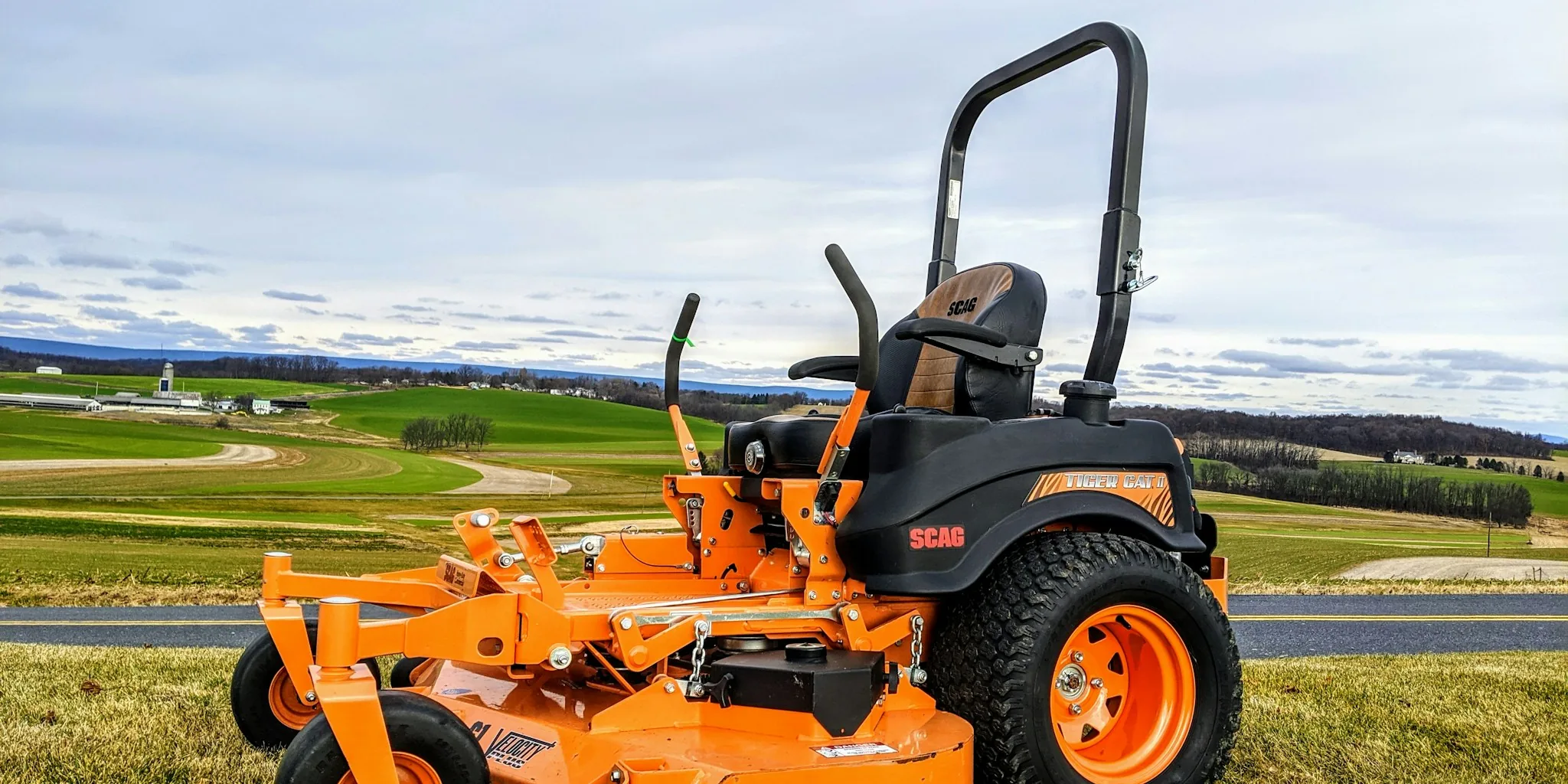

A quality riding mower is a significant investment, but only if you maintain it properly. Without regular upkeep, even the best equipment will deteriorate quickly and lose its cutting effectiveness. Whether you own a traditional gas-powered tractor or a modern electric riding mower, establishing a consistent maintenance routine is the key to extending your mower’s lifespan and ensuring it performs safely season after season.
1. Inspect Your Mower Before Every Use
The foundation of mower care begins with a simple visual walkthrough before you start cutting. Before each mowing session, take a few minutes to examine your equipment for any obvious problems. Check that all tires have proper air pressure and show no signs of cracks or damage. Look for fluid leaks or drips underneath the machine, and verify that the oil level is adequate. If your mower has a water-cooled engine, inspect the water level as well.
Safety shields and deflectors should be firmly in place and undamaged. Test your brakes to confirm they’re functioning correctly. Always move your mower to an outdoor area before starting the engine, never in a garage or enclosed shed, as exhaust fumes can be dangerous even with doors open.
2. Clean the Mower Deck After Every Mowing
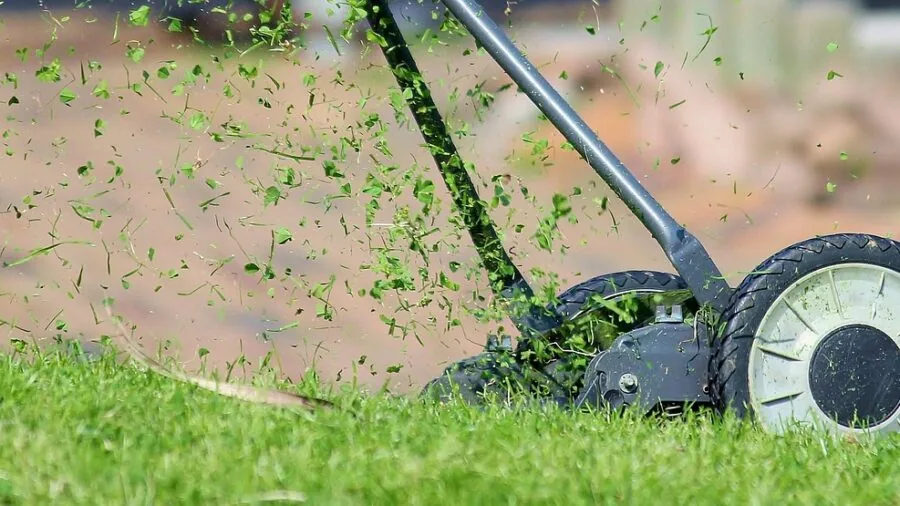
Grass clippings and debris accumulate on your mower’s deck and blades after every use, and this buildup creates serious problems. Moisture trapped in grass clippings promotes rust and causes parts to rot and fail prematurely. Cleaning your deck is one of the most important preventive measures you can take.
Access the underside of the deck by either removing it completely or using a mower jack to safely lift the entire machine. Once exposed, scrub the deck thoroughly with a stiff-bristled brush and rinse with a hose if possible. Dry everything completely with a clean towel before storing. Don’t forget to clean grass collectors and any mulching attachments as well, since they trap moisture just as easily as the main deck.
3. Keep Your Power Source in Top Condition
Your mower’s fuel system requires consistent attention. Refill the gas tank weekly or after each use to prevent fuel degradation and water accumulation. If you own an electric model, keep the battery charged between uses and ensure it stays in a warm location during winter storage.
At the end of each mowing season, schedule professional engine service for gas-powered equipment. This annual tune-up should include an oil change, new filters, and spark plug replacement. These tasks are essential for preventing buildup and ensuring your mower starts reliably when you need it next season. Electric mower owners should maintain adequate battery charge during off-season storage and avoid exposing batteries to extreme cold.
4. Lubricate Moving Parts Regularly
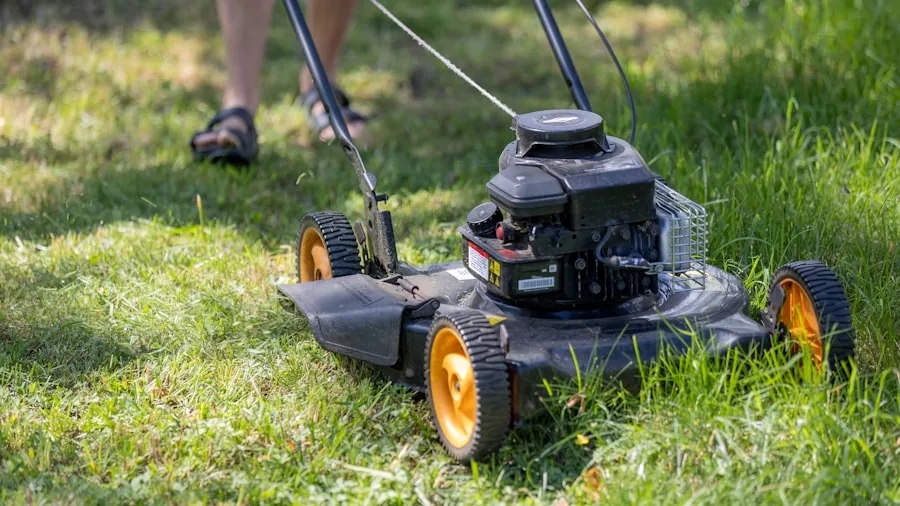
Proper lubrication prevents parts from seizing and dramatically reduces wear on critical components. Many mowers have grease nipples located on bearings, deck spindles, and steering and axle assemblies. Apply mechanical lubricant to these points at least monthly, or weekly during heavy use.
Regular lubrication keeps everything moving smoothly and extends the overall life of your equipment. This simple step takes only a few minutes but pays enormous dividends in preventing costly repairs.
5. Replace Worn Components and Sharpen Blades
A riding mower typically lasts between 4 and 5 years or 400 to 500 hours of operation, though quality models can exceed this timeline. To maximize your investment, replace parts as they wear out. Many riding mower owners can handle basic maintenance themselves, such as changing air filters, replacing spark plugs, and performing oil changes.
Blade sharpening is another task you may be able to do independently using a hand file and blade stop, provided you can safely access the deck underside. Dull blades tear grass instead of cutting cleanly, creating ragged edges that stress your lawn and invite disease. Keep your manufacturer’s manual handy for specific guidance on replacement parts and procedures. For complex issues like hydraulic system problems or internal component failures, consult a professional mechanic.
Following these five maintenance steps will keep your mower in excellent working condition, ensure safe operation, and deliver crisp, clean cuts year after year. Start with a pre-use inspection, commit to deck cleaning after every session, maintain your fuel system, keep moving parts lubricated, and replace worn components promptly. Your lawn and your wallet will thank you.






Write Your Review
No reviews yet. Be the first to share your experience!