

Understanding How Solar Eclipses Affect Garden Birds
A partial solar eclipse will cross parts of the United States on August 12, temporarily darkening the sky during daylight hours. While this event may seem like a brief curiosity for observers, recent scientific research reveals significant impacts on local bird populations. When sunlight suddenly dims in the middle of the day, birds experience a dramatic disruption to their natural rhythms. These creatures depend on consistent light and darkness cycles to regulate essential behaviors: waking, feeding, searching for food, preparing to migrate, and settling into rest at night.
During the 2024 total solar eclipse, scientists documented measurable behavioral changes in birds across numerous species. Some birds went quiet as though dusk had arrived. Others altered their feeding patterns or returned to their nighttime roosts entirely. Once the sun reappeared and daylight resumed, many species responded with a morning-like chorus of activity. This sensitivity demonstrates just how closely bird behavior is tied to natural light cycles.
What This Means for Your Evening Garden Lighting
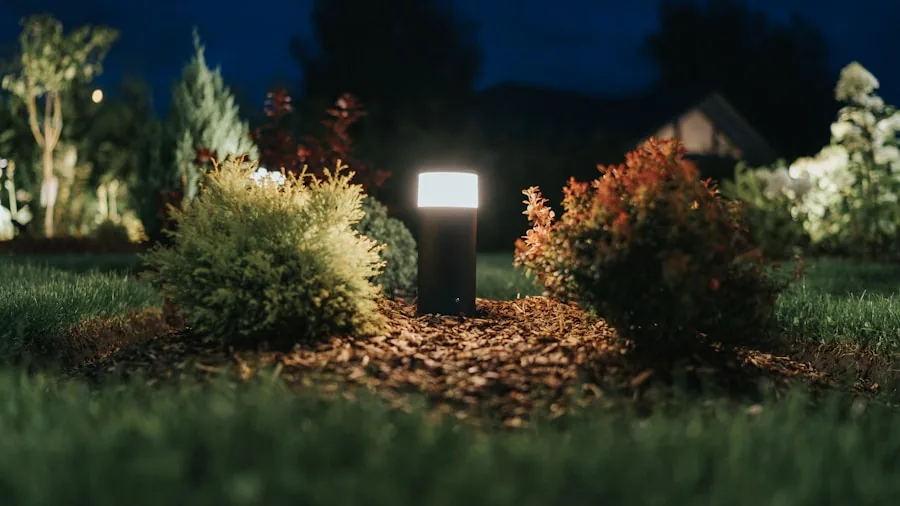
While you cannot control the moon or sun, there is one simple action you can take after the eclipse passes: turn off your outdoor garden lights that evening. This two-minute gesture carries real significance for local wildlife. Artificial nighttime lighting disrupts bird populations even during normal circumstances, independent of any eclipse event. Experts warn that garden lights can interfere with sleep patterns, disrupt feeding and singing behaviors, and confuse migratory birds traveling at night.
The Royal Horticultural Society has emphasized these concerns repeatedly, noting that many bird species suffer negative effects from unnecessary outdoor illumination. If you currently use outdoor lighting in your garden, consider upgrading to options that minimize light pollution. Proper gardening gloves will protect your hands while you install or adjust fixtures. Look for motion sensors and timers that activate lights only when needed rather than leaving them on continuously throughout the night.
Choosing Wildlife-Friendly Outdoor Lighting Options
When selecting outdoor lighting for your garden, prioritize designs that reduce overall light pollution. Low-intensity, warm-colored LED bulbs create ambient lighting without the harsh brightness that disorients birds and other nocturnal creatures. Directing light downward rather than outward prevents unnecessary sky glow. Installing motion-activated fixtures means lights operate only when someone actually approaches the area, dramatically reducing the hours of unwanted illumination.
If you invest in upgraded garden lighting now, you will benefit from lower electricity costs alongside the environmental advantages. Modern LED technology consumes far less energy than older bulbs while providing superior light quality. Timers allow you to set specific on-and-off schedules matching your actual usage patterns rather than leaving fixtures running all night by default.
Supporting Birds Beyond Just Turning Off Lights
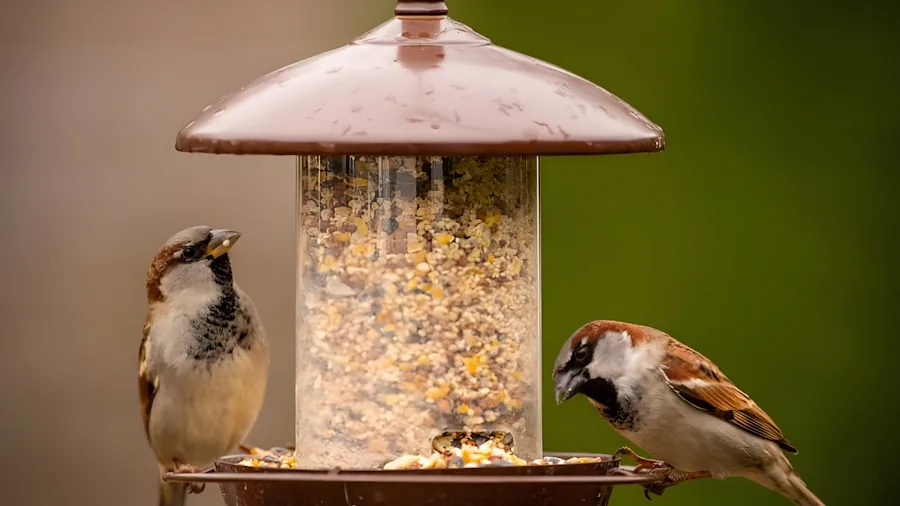
After managing your outdoor lighting situation, take additional steps to support local bird populations throughout the summer season. Ensure birds have access to clean water sources, which becomes increasingly important during hot months. Natural shelter such as shrubs, trees, and dense plantings provides safe roosting spots and protection from predators. Offering food through bird feeders or raised garden bed plantings of native seeds and berries attracts birds while meeting their nutritional needs.
Creating a wildlife-friendly garden requires minimal effort when you approach it thoughtfully. Remove unnecessary artificial elements and allow natural processes to flourish. The eclipse serves as a reminder that animals have adapted to Earth’s natural light cycles over millions of years. Our job is simply to avoid making their lives more difficult through preventable disruptions.
Practical Steps for Shoppers This Week
If you plan to observe the August 12 eclipse, mark your calendar to review your outdoor lighting situation that same evening. Walk around your property and note which fixtures remain illuminated after sunset. Evaluate whether each light serves a genuine security or functional purpose or merely operates out of habit. For fixtures you decide to keep, research replacement bulbs designed for minimal light pollution. When purchasing upgrades, look for products with warm color temperatures around 2700 Kelvin or lower, which birds find less disruptive than cool white light.
Consider consulting quality garden tools and accessories guides if you plan to reorganize your garden layout to naturally shade outdoor lights or reposition them away from bird habitats. Small adjustments to fixture placement can significantly reduce their impact on local wildlife without sacrificing your own safety or comfort.
An eclipse is ultimately a natural phenomenon that birds have witnessed and survived throughout evolutionary history. Once daylight returns following the August eclipse, normal conditions resume. However, that does not mean the night that follows should be any brighter than necessary. By making the simple choice to minimize artificial lighting, you actively contribute to healthier bird populations in your area.


Write Your Review
No reviews yet. Be the first to share your experience!