
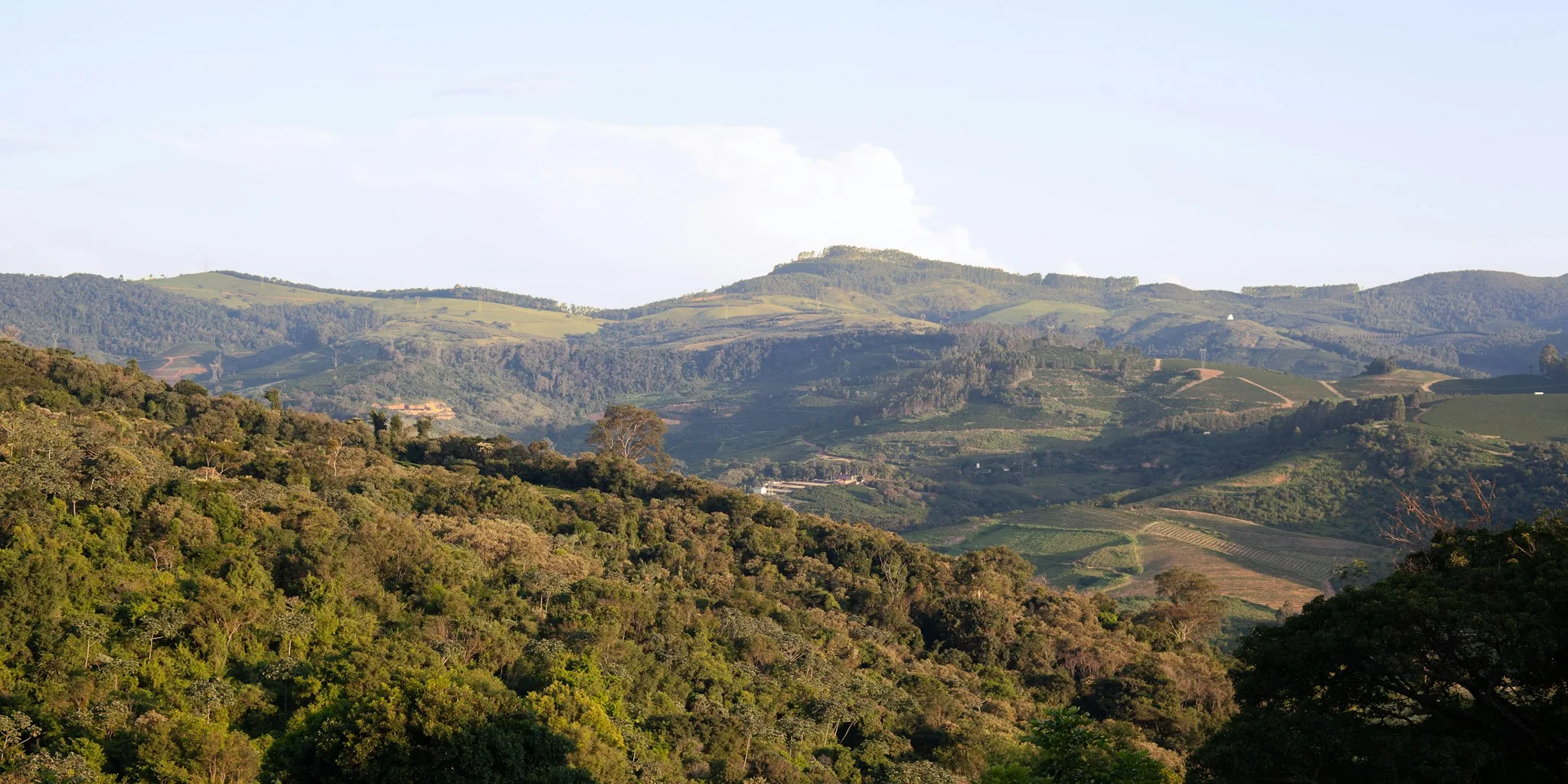

A Major Natural Disaster Strikes Coffee Country
On Monday, August 10, a magnitude 7.4 earthquake shook the western regions of Colombia, leaving devastating impacts across the nation and its communities. The quake struck at 7:34 a.m. local time with its epicenter near San José del Palmar in the rural Chocó department, west of the capital. Early reports confirmed at least 250 deaths, with significant casualties concentrated in Pereira, the capital of Risaralda, one of Colombia’s most important coffee-producing areas. The tremor caused severe structural damage to buildings and infrastructure across multiple departments, including Caldas, Risaralda, Quindío, Valle del Cauca, Antioquia, and Chocó.
Coffee Infrastructure Taking Heavy Losses
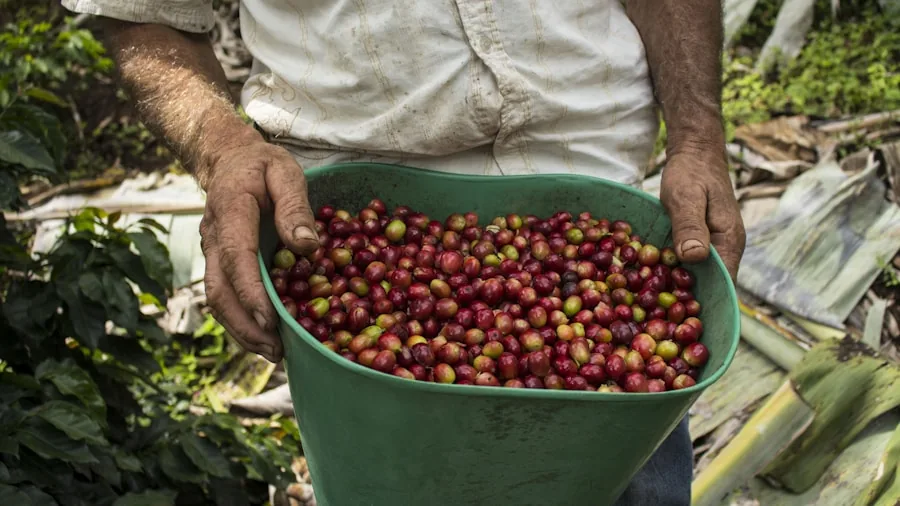
The earthquake struck right at the heart of Colombia’s coffee-growing heartland, known as the Eje Cafetero or Coffee Triangle. The Federación Nacional de Cafeteros de Colombia, the nation’s leading coffee industry organization, immediately mobilized teams to assess damage on individual farms and rural infrastructure throughout the affected regions. As of Tuesday morning, no comprehensive figures on coffee-sector damage had been released, though officials were conducting household-by-household evaluations in partnership with technical teams and local committees. The organization’s leadership emphasized that immediate priorities centered on saving lives, though long-term recovery assessments for coffee production infrastructure were already underway.
One notable facility affected was a dry mill operated by a specialty green coffee exporter in Armenia, Quindío, which suffered damage and was temporarily closed as a precautionary measure. Company leadership reported that while some employees experienced damage to their homes, no serious injuries occurred among team members or their families. Such disruptions ripple through the entire supply chain, affecting not only producers but also exporters and eventually consumers who rely on consistent coffee availability.
Port Access and Export Routes Severely Impacted
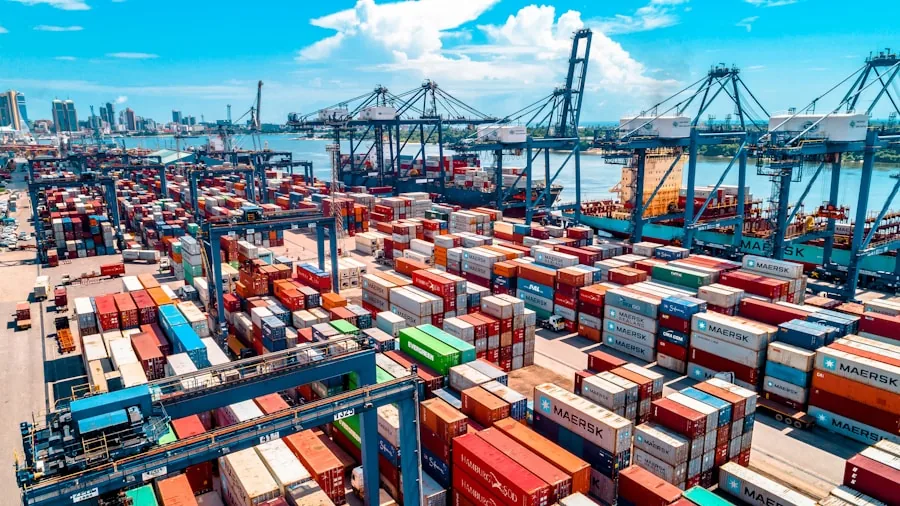
Beyond farm-level damage, the earthquake created critical transportation obstacles that threaten Colombia’s ability to export coffee to international markets. The primary route from coffee-growing regions to Buenaventura, Colombia’s main coffee export port, experienced landslides and road blockages that have temporarily halted shipments. The Cali-Buenaventura highway, which carries approximately 60 percent of Colombia’s total coffee exports, suffered tunnel damage and debris accumulation that disrupted traffic flows. Industry officials confirmed that coffee exports have been paused while assessments determine when normal operations can resume. This disruption directly affects global coffee supplies and pricing, particularly for specialty and premium coffee varieties that depend on consistent Colombian imports.
Coffee exporters and industry associations quickly communicated the situation to international partners and buyers. The president of the Colombian coffee exporters’ association noted that the extent of the disruption was still being evaluated, though everyone recognized that recovery would require time and resources. If you’re wondering how global events affect your local coffee selection, understanding how coffee reaches your cup helps illustrate why supply disruptions matter to everyday shoppers.
What This Means for Coffee Drinkers
For American consumers, this earthquake raises important questions about coffee availability and pricing in the coming months. Colombia ranks as one of the world’s top coffee producers, and disruptions to its production and export infrastructure inevitably affect global markets. Specialty and premium coffee varieties, which often depend heavily on Colombian sources, may face temporary shortages or price increases as the region recovers. Consumers who prefer specific Colombian coffee origins or single-origin beans might encounter limited selection at their local retailers.
However, the immediate outlook depends on how quickly transportation routes can be cleared and farms can be assessed for operational damage. Many coffee farms in less severely affected areas may resume normal operations relatively quickly, while those closer to the epicenter could face extended recovery periods. Exporters and roasters are likely to diversify sourcing temporarily to maintain supply chains, which could introduce consumers to coffee from other origins. Quality brewing equipment becomes even more valuable during supply transitions, allowing coffee lovers to maximize the flavor from whatever origins are available.
Industry Recovery and Community Resilience
The Colombian coffee industry has weathered challenges before, from climate events to market fluctuations, and the current disaster response reflects that experience. Industry leaders emphasized the strength and resilience of coffee-growing communities, many of whom have deep roots in farming that span generations. Recovery efforts are already coordinated through official industry channels, with technical teams working directly in affected areas. International coffee buyers and roasters are also standing ready to support Colombian producers as the recovery process unfolds.
While the immediate priority remains addressing the humanitarian crisis and saving lives, coffee industry professionals are preparing comprehensive damage assessments and recovery plans. As information becomes available about specific farm impacts and infrastructure repair timelines, consumers will gain clearer visibility into potential supply effects. The broader coffee equipment and supply ecosystem across Latin America also demonstrates regional interdependence and how recovery in one area supports the entire market.
Shoppers who want to support Colombian coffee recovery can prioritize Colombian-origin beans when they’re available again, directly benefiting producers rebuilding their operations and livelihoods.






Write Your Review
No reviews yet. Be the first to share your experience!